
Commercial Roofing for Property Management Companies in Orange, CA
A repaired curb reopening over wet backing needs a different project boundary from a seam defect surrounded by dry, attached material. We inspect those physical differences before a manager assigns the same repair approach across properties. Commercial roofing for property management companies in Orange, CA starts with each affected component and the layers receiving its new connection. Commercial Roofers Orange explains the correction indicated by those findings. The manager can compare local work with broader removal through the actual retained assembly, affected occupied area and dependent tasks needed for closure.
Villa Park's shopping center has neighboring civic and library uses. Savi Ranch extends across Yorba Linda and Anaheim, with offices, hotels, restaurants and retail among its commercial activities. Managing roof work across occupied settings requires the particular property's equipment and access established before preparation. We discuss those requirements with the manager and inspect the installed construction. Recommendations follow material condition, while handling and protection are arranged around the actual tenant or building operation affected by the selected work.
A useful priority starts with the component condition
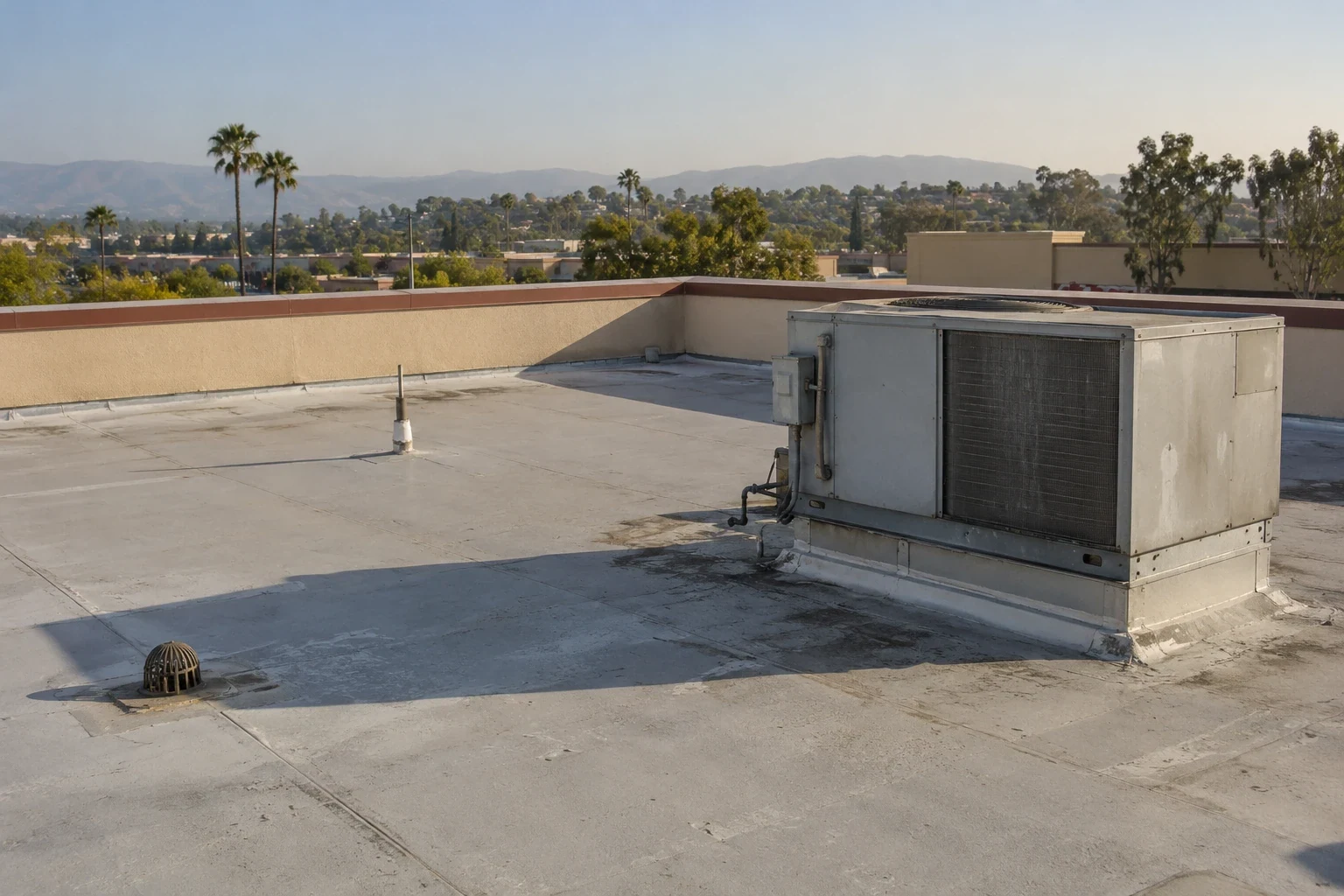
A manager needs the failed seam, curb or outlet identified before deciding how broadly to repair. We examine the opening and the surrounding construction, with selected layer checks where concealed extent affects scope. Inspecting managed-property roof conditions locates the correction and material retained beside it. Wet backing or poor attachment can change the removal depth. The finding describes the actual work needed rather than rank roofs only by the visibility of their interior complaints.
The comparison identifies the connection completed under a bounded repair and the additional material reconstructed under a larger project. Relevant design or support assessment is assigned where required. The manager receives locations, occupied-area dependencies and any further investigation needed before selecting broader work. Those distinctions help practical scheduling: a prepared local connection can need different access and closure from an area requiring support or equipment correction before roofing is finished.
Tenant divisions do not always match roof boundaries
Shared drainage, layered assemblies and suitable joining material can cross interior divisions. We inspect those relationships before fixing a repair stopping line. The manager arranges property and tenant responsibilities around the defined physical scope. A new section needs a compatible connection to the adjoining roof, with adequate support and room for preparation. The recommendation shows the affected common components and the material kept on each side so the working area can be understood through the completed assembly.
At an altered tenant opening, the component support and weather closure are identified as distinct physical tasks. We examine its position, receiving dimensions and the membrane left around it. The responsible participant prepares the curb or support before roofing forms the compatible perimeter. Interim closure protects the unfinished opening. The manager receives that sequence with the occupied access needed, allowing the tenant project to include suitable roof construction before new equipment makes the detail harder to reach.
Repair scopes need the same physical basis
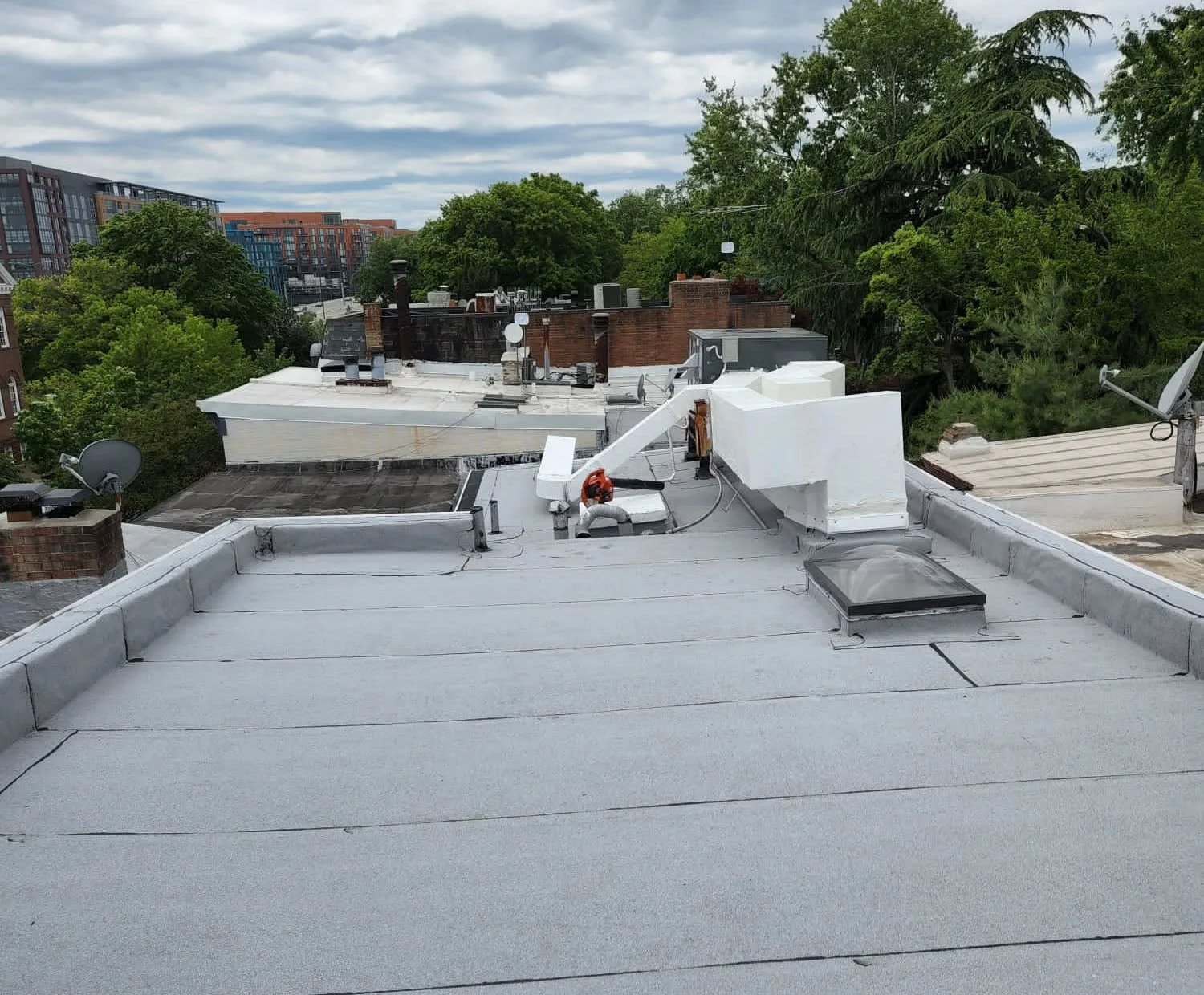
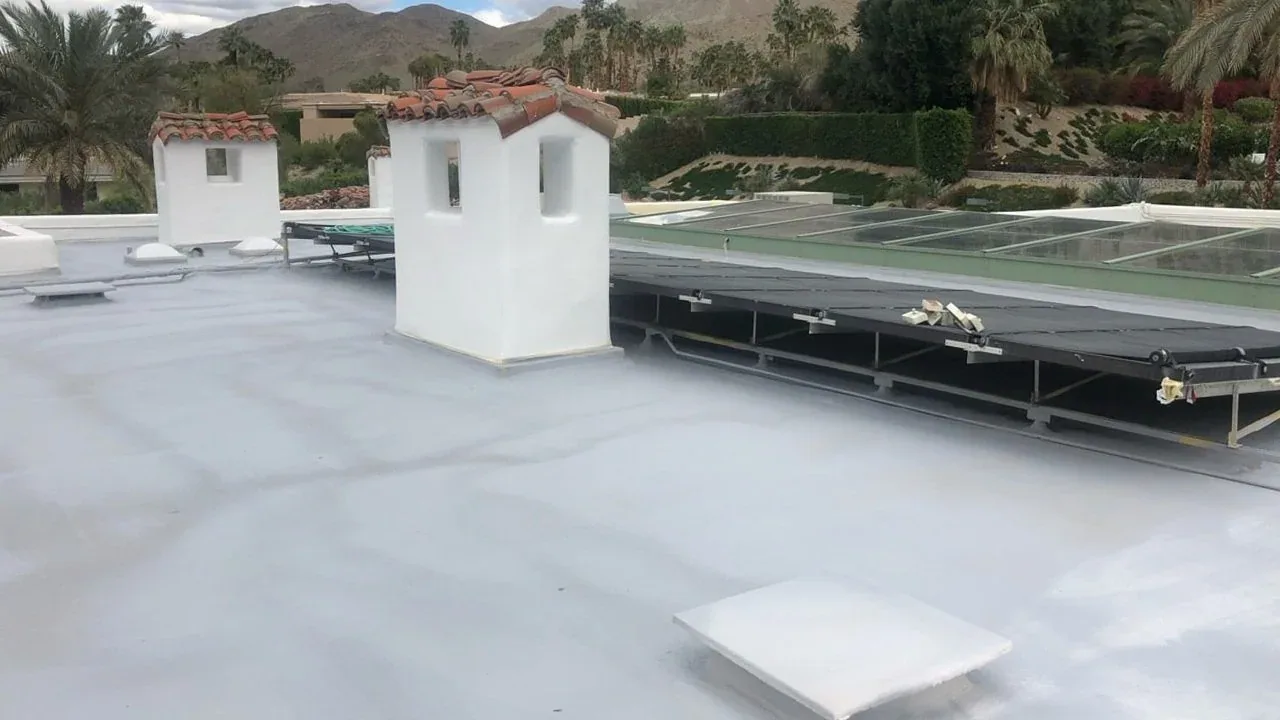
Two proposals can describe a similar membrane area while including different insulation or backing work. We identify the damaged depth and retained material before the manager compares them. Component-based roof condition descriptions connect useful location views to that decision. The record shows why a removal boundary reaches a particular seam, wall or outlet. It supports selection of the actual correction and later access planning, with further investigation clearly attached to a component where it remains necessary.
A broader replacement includes deck condition, insulation, attachment and detail reconstruction. Recover requires suitable retained layers with applicable project requirements considered. Added height can change curb and outlet geometry. We explain those changes before the field material is selected, identifying responsible design assessment where needed. Each option describes construction left in service and work completed above it. The manager can then compare the physical assembly rather than assume a different surface name represents the same preparation.
Different buildings may need different next actions
An exposed opening requiring correction can call for action before a serviceable roof needing surface attention. We inspect actual condition and explain the repair sequence at each affected property. Planning roof construction from inspected findings helps connect broader assembly choices to their preparation and component work. The manager receives dependencies affecting access or timing, with removal depth and compatible receiving details included before larger construction is arranged.
For owners coordinating investor roof decisions, the physical comparison identifies which layers and details remain under each choice. A manager working with multi-location retail roof operations may also need different equipment and occupied-use arrangements at each building. We establish those actual limits rather than assign one work sequence to every property. The recommendation locates the corrective task and suitable closure boundary, giving the responsible participants a defined construction scope to arrange.
Occupied work is tied to each removal location
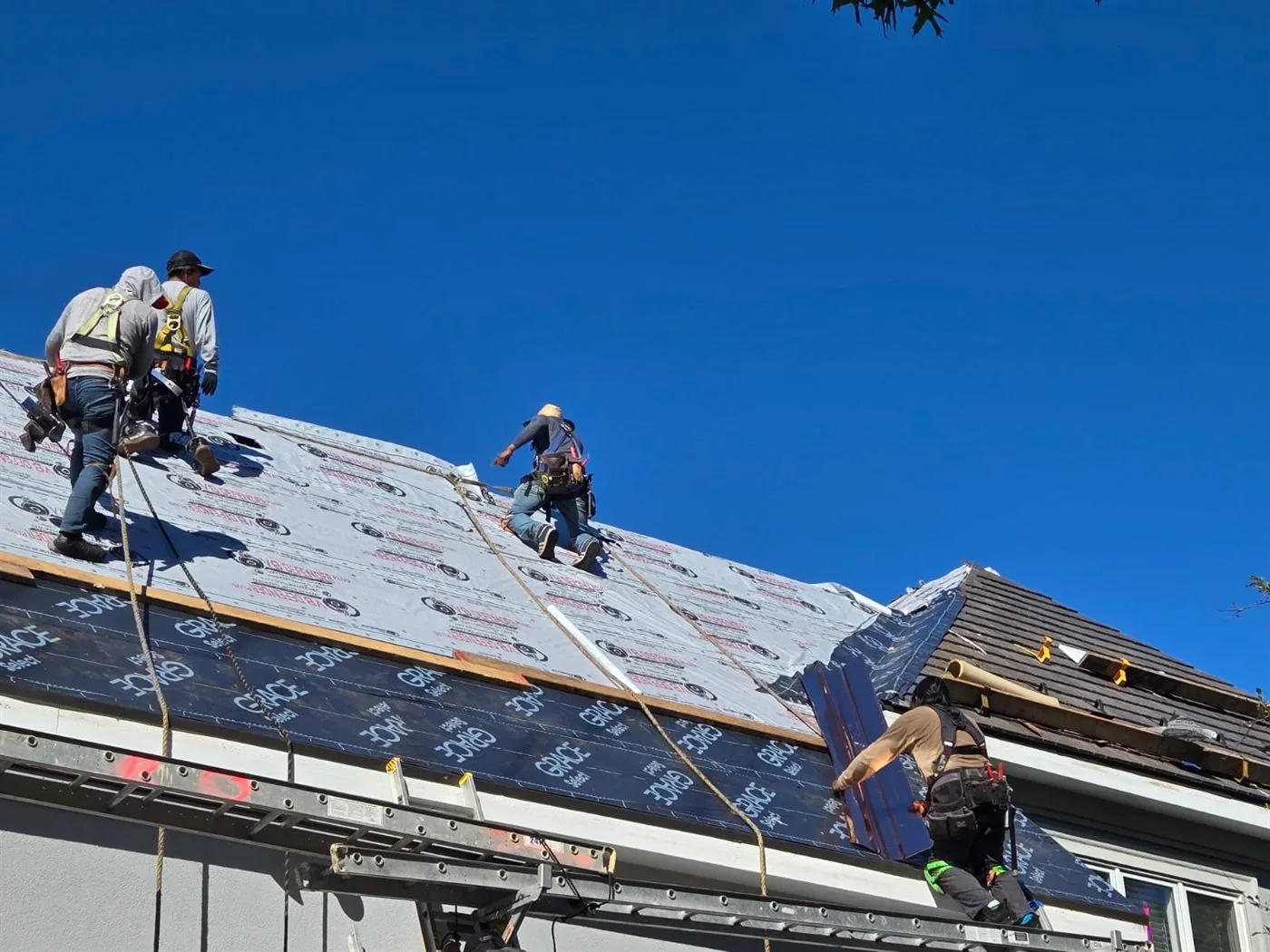
A delivery route can intersect customer, staff or tenant access differently at adjoining buildings. We establish the affected routes with the manager before handling is planned. The selected installation method needs suitable conditions and coordination around intakes or equipment. Roof staging requires appropriate loading and usable drainage. A daily portion includes protection below its openings and temporary weather closure above, with dependent component tasks arranged before the permanent membrane connection is completed.
At a property in Villa Park, that arrangement follows its actual entrances and roof access. The scope identifies working areas and practical stopping lines through retained construction. A phase reaching an older coated section may need different preparation from one ending on suitable exposed sheet. We explain the compatible boundary and material removed beside it before the manager fixes the work portion. Those findings connect tenant coordination to the roof detail that each phase must leave complete.
Follow-up attention locates the components left in service
Completion views should help find repaired curbs, seams and outlets without confusing them with adjoining older work. We check the new connections using appropriate methods and show important concealed corrections before closure. The manager receives the actual removal boundary and retained-condition attention points. Maintenance can be directed to the components present on the roof, including service paths needing suitable traffic protection and discharge details requiring accessible inspection or cleaning.
Seasonal context also informs attention to exposed components. Nearby Anaheim's 1991 to 2020 station normals show 13.52 inches of annual precipitation. That Anaheim context is considered with each property's actual water route and current work conditions. A returning complaint needs present-condition investigation rather than an automatic repeat of the previous patch. Earlier location views help identify the changed area, while new physical findings establish the next correction and the occupied-space tasks required around it.
Questions About Property Management Companies
Why can similar-looking managed roofs need different repair scopes?
Their receiving layers, attachment and component details can differ beneath the surface. We examine the actual damaged area and identify what supports the new connection. Wet backing or altered geometry may require deeper work than a bounded seam correction. The manager receives those findings and retained material under each option, making the scope comparison specific to the roof rather than its appearance.
Can a tenant alteration change the planned roofing boundary?
A new curb, opening or support can affect compatible joining material and available detail space. We inspect the proposed relationship and identify responsible preparation before roofing is finished. The correction may extend beyond the visible opening to reach suitable support. The manager receives the component tasks and temporary closure needs so the alteration can account for the actual assembly.
What makes a condition description useful for a manager's next decision?
Locate the damaged component, affected layers and construction retained under the proposed repair. We connect those findings to the removal and preparation required. Useful photographs identify the work area and important concealed condition. The description then helps compare correction depths, arrange access and find the repaired connection later, rather than leave a general roof label without a defined physical task.
How should priorities be compared across occupied properties?
Compare actual damage and suitable repair boundaries with the dependent access, equipment and protection tasks at each building. We identify further investigation where needed before larger work is selected. A local correction and wider construction can have different receiving-material requirements. The manager receives those practical distinctions so the next work arrangement follows the physical condition and operation affected.
Related Roofing Work
Compare the actual repair boundaries
Describe the Orange properties' damaged roof areas, prior repairs and occupied-access limits. We can inspect the assemblies and explain component-specific next steps. Call 555-555-5555 or request a roof assessment.