Roof Systems in Orange, CA
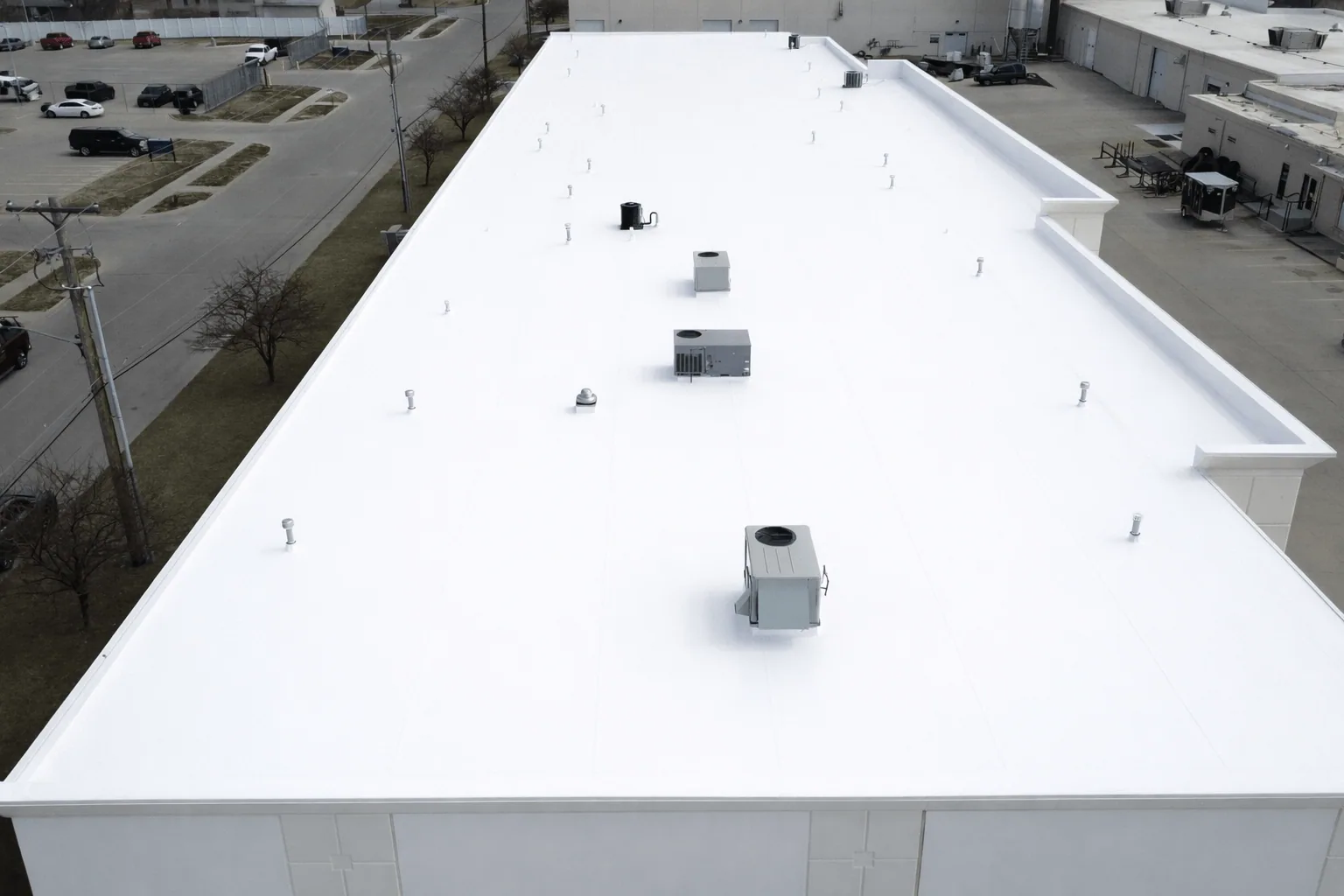
A roof system is more than its visible surface. The membrane or panels, seams, flashings, insulation, attachment and drainage all affect whether a repair will hold. We identify the existing assembly before recommending a compatible correction. Orange has light-industrial and industrial-manufacturing districts as well as commercial areas along Katella Avenue and Main Street. Roof work in those settings can involve equipment, deliveries or occupied rooms beneath the work, so material choice and sequencing need to fit the property. We inspect layers and transitions, then explain which options the roof can support. TPO roofing is one system we install and repair when it matches the building and assembly.
All Roof Systems
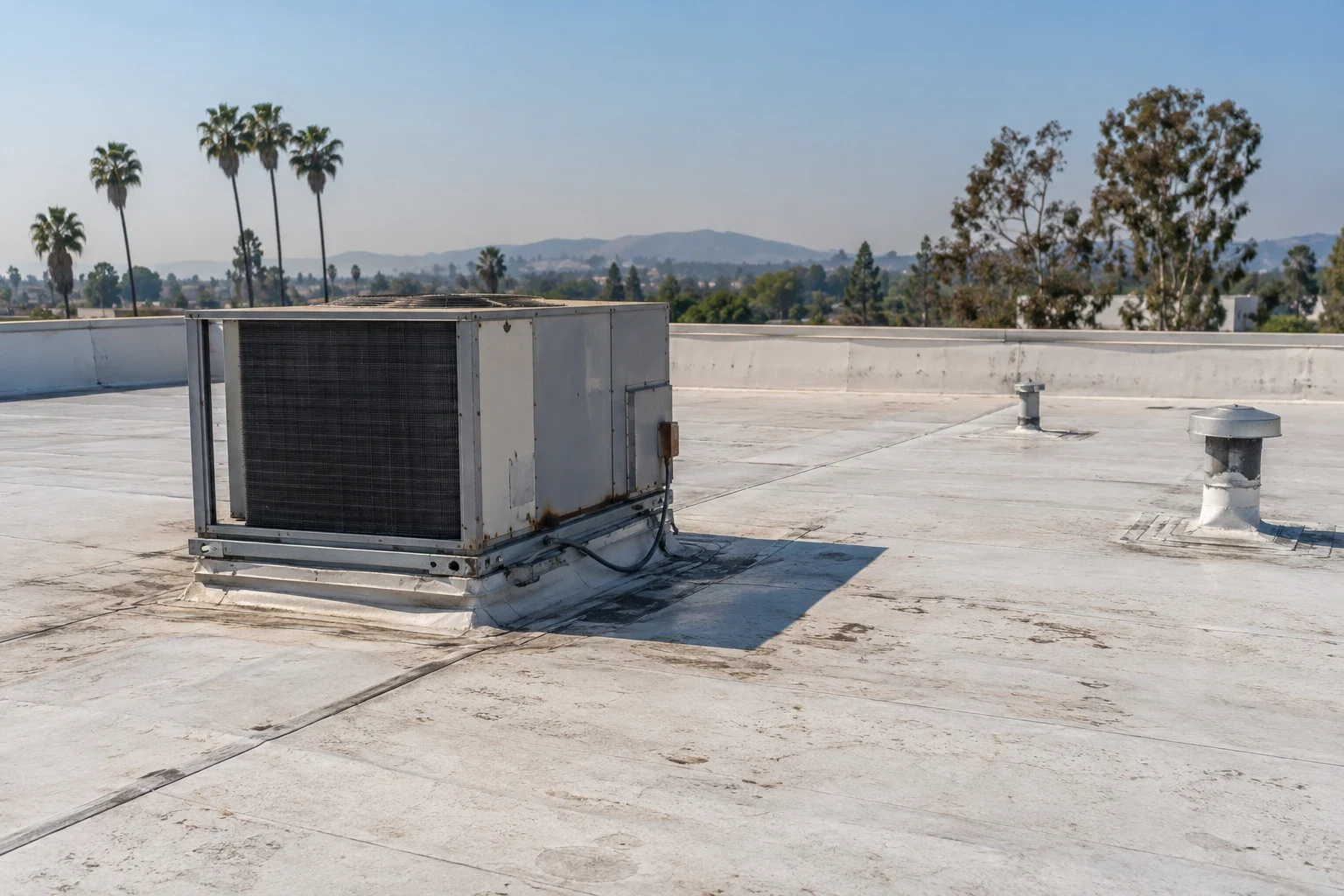
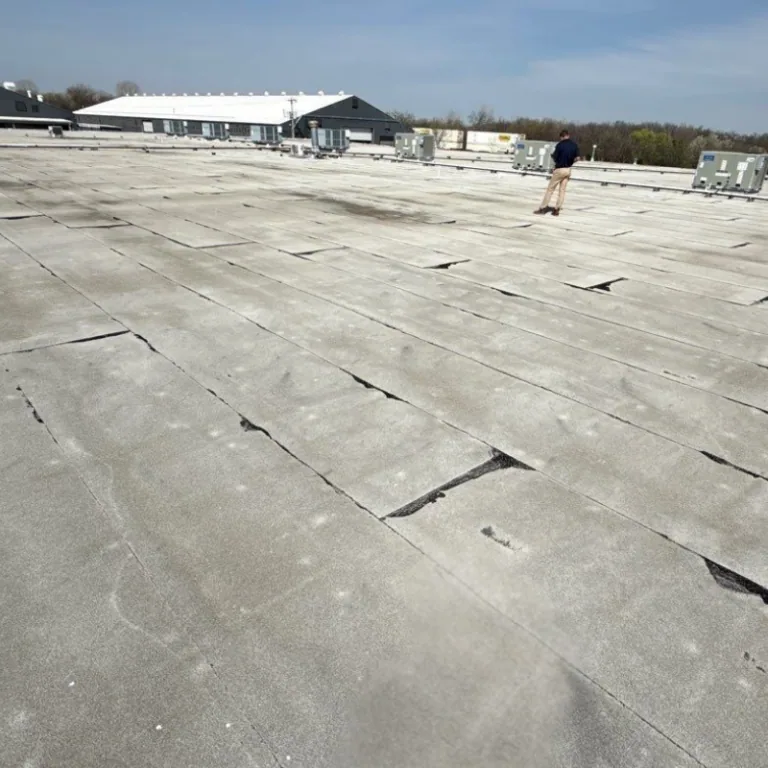
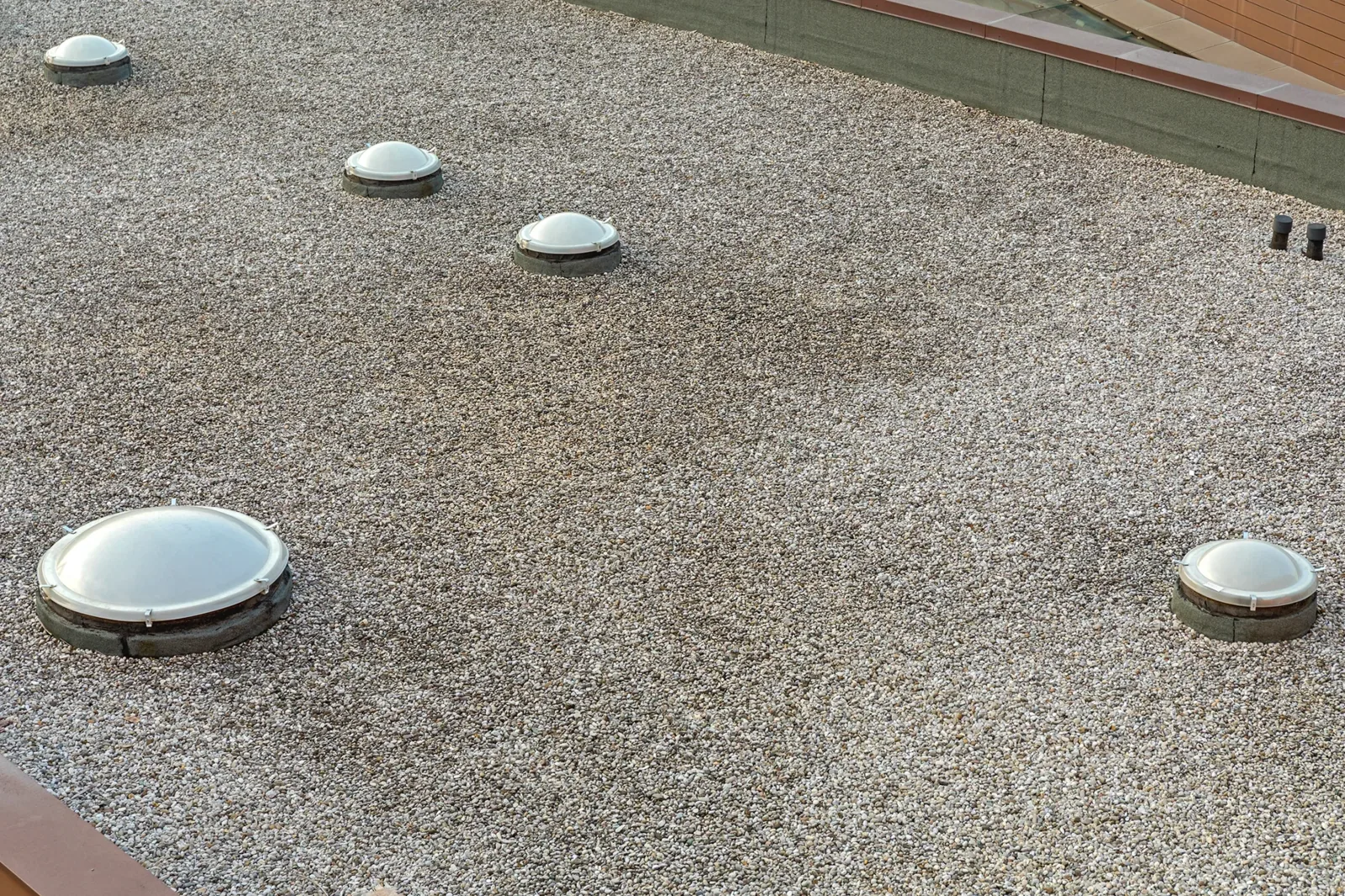
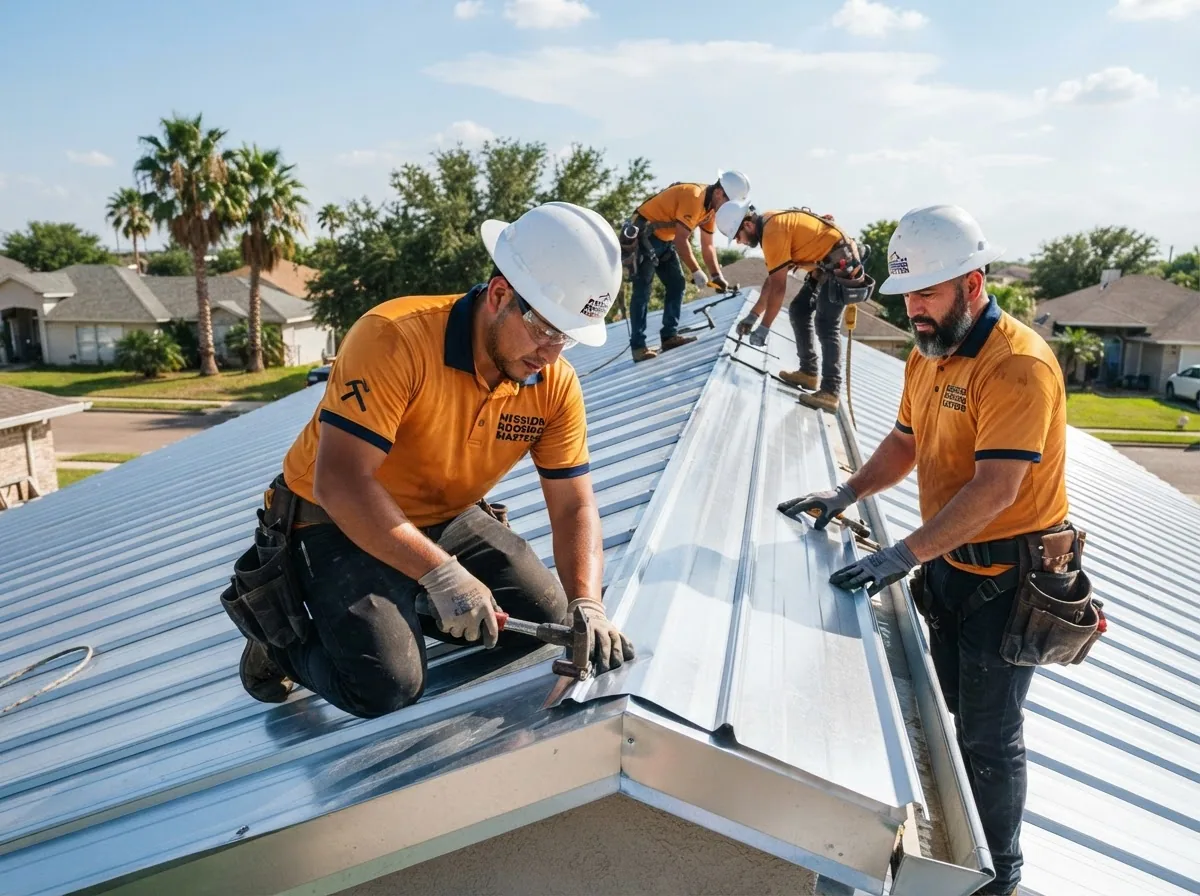
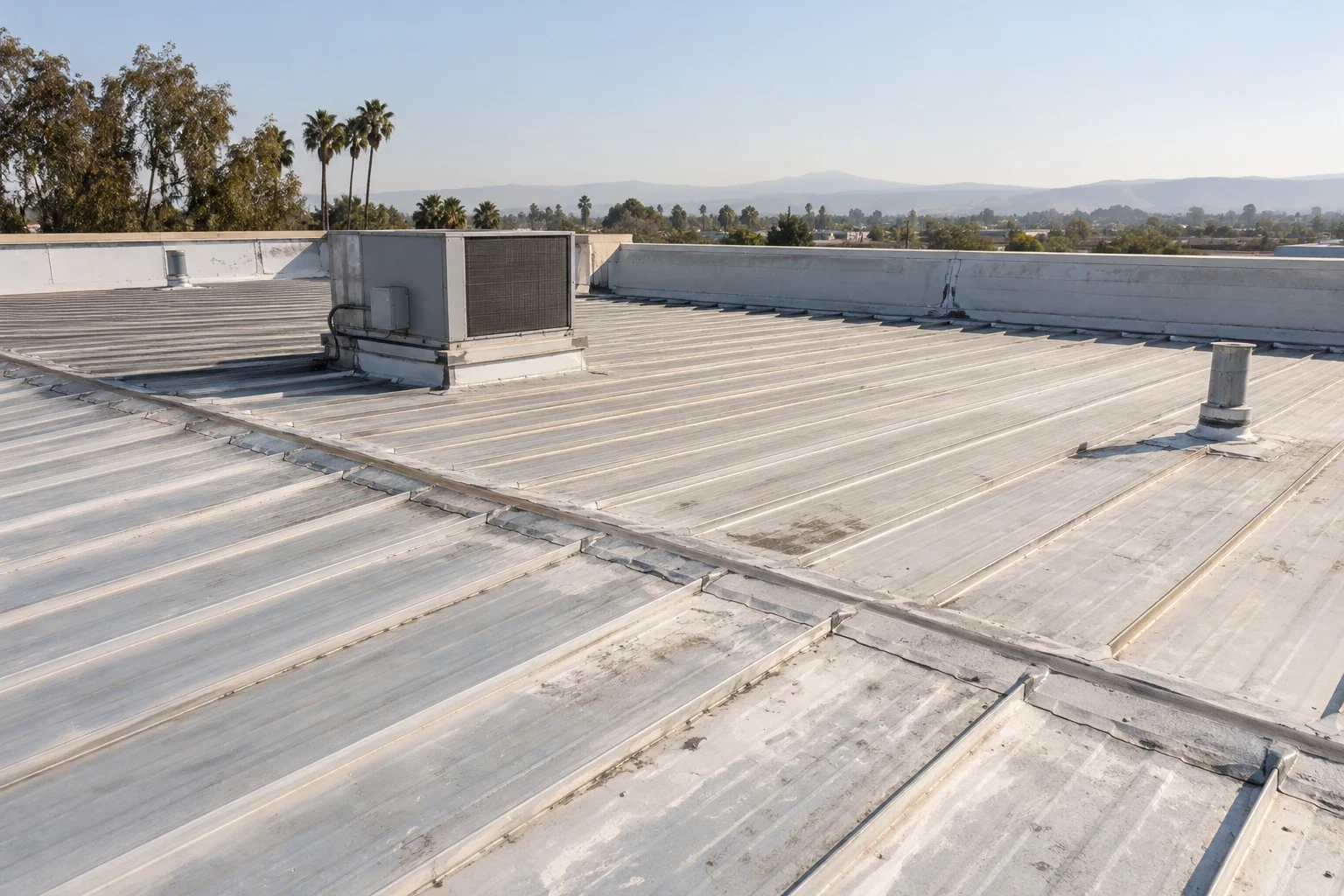
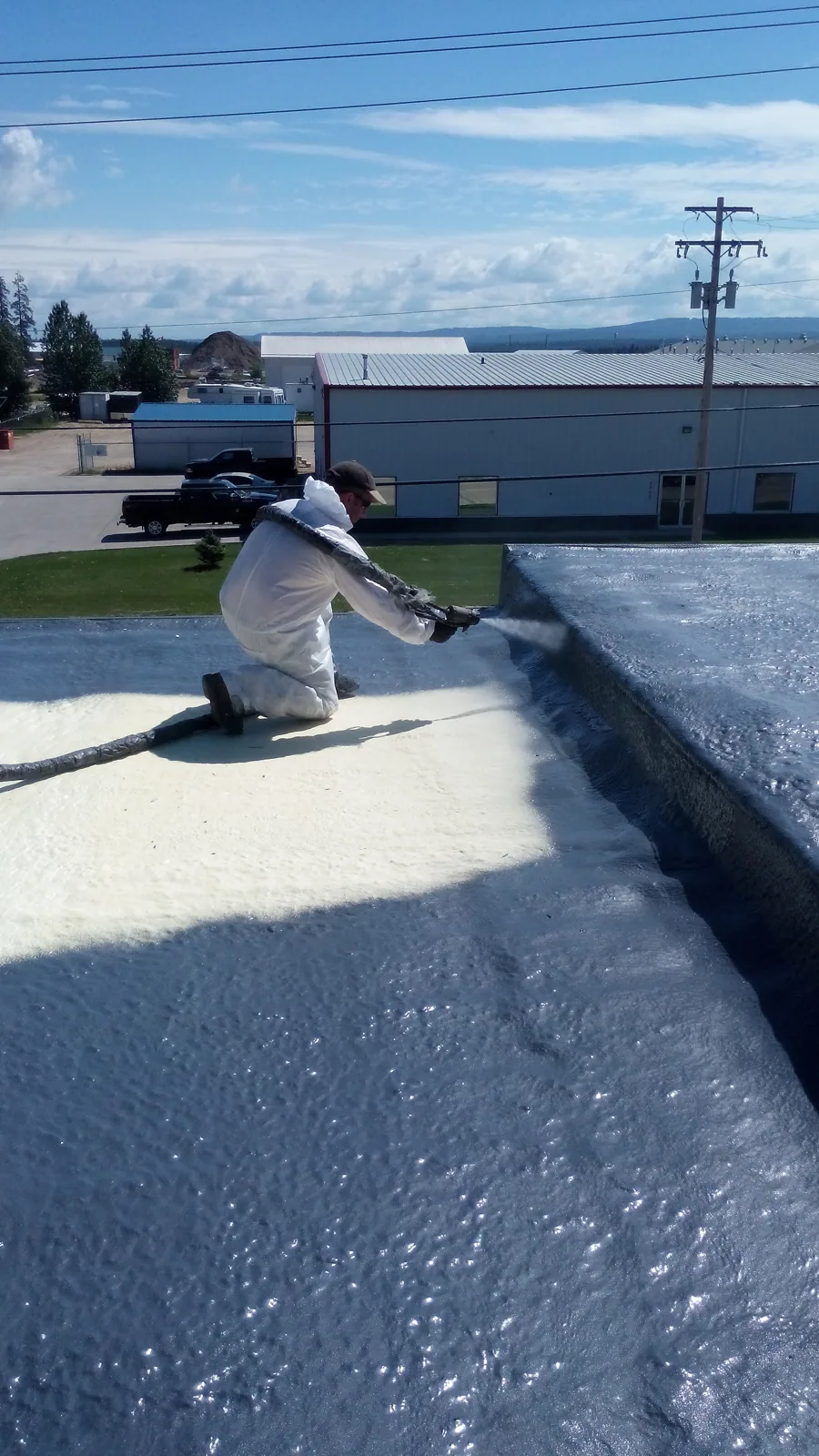
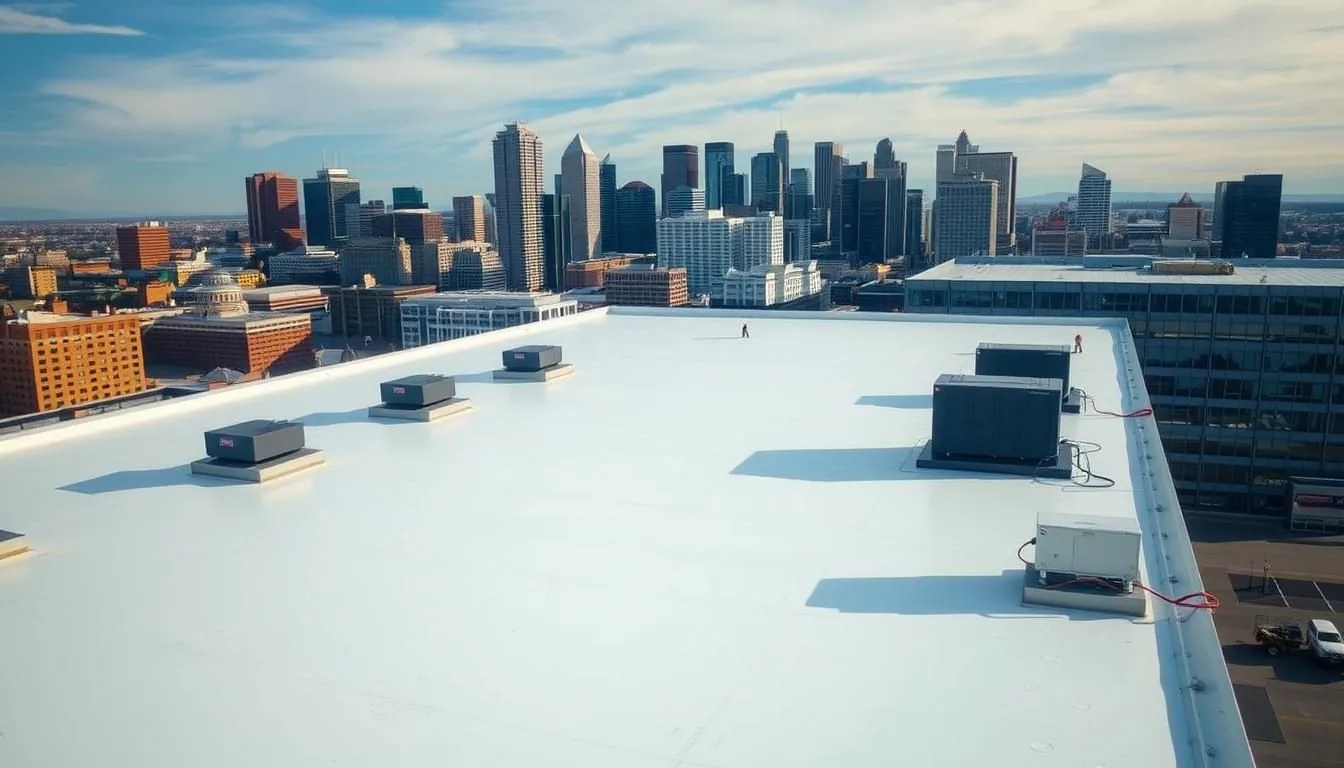
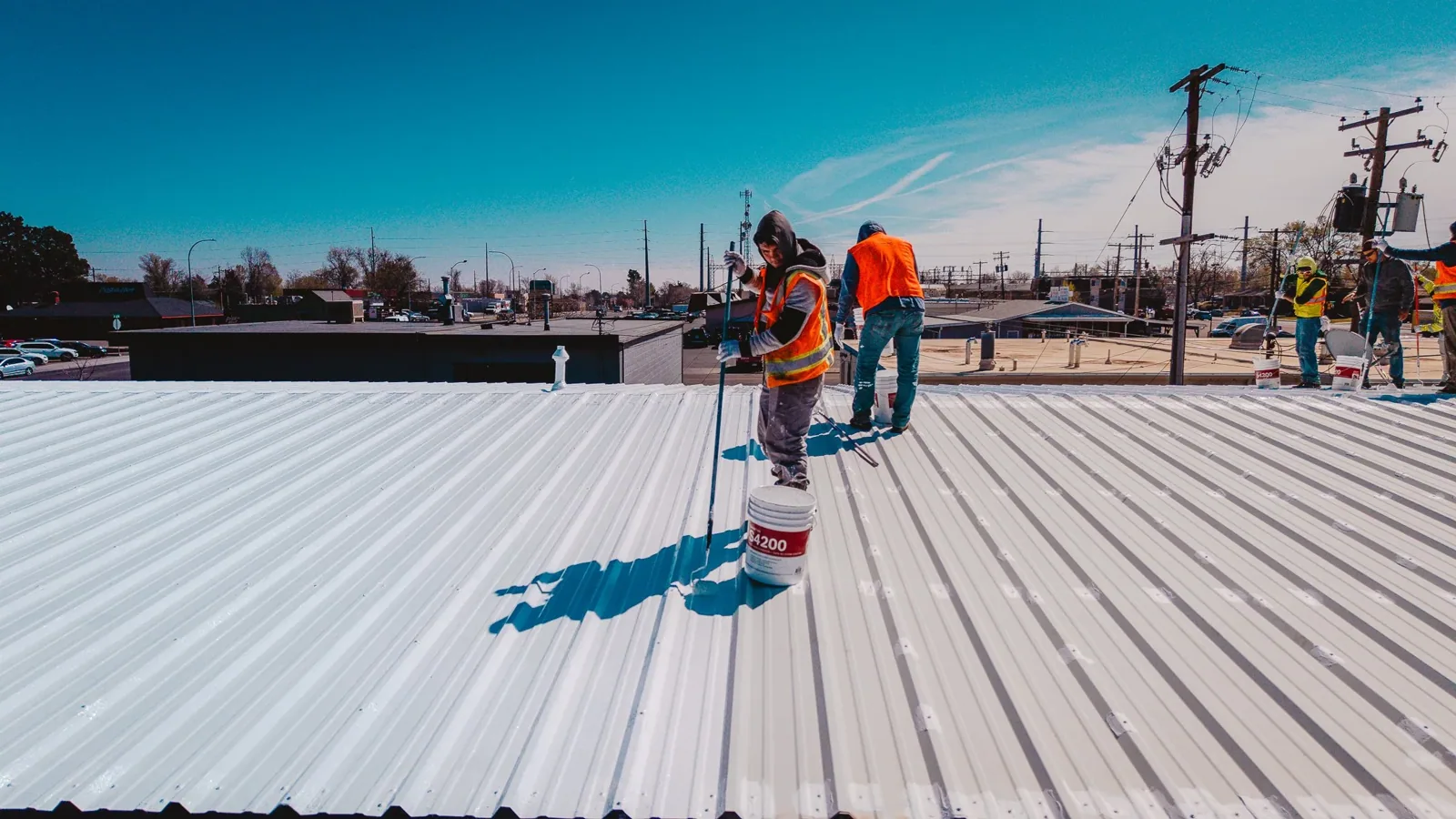
Check the assembly at its connections
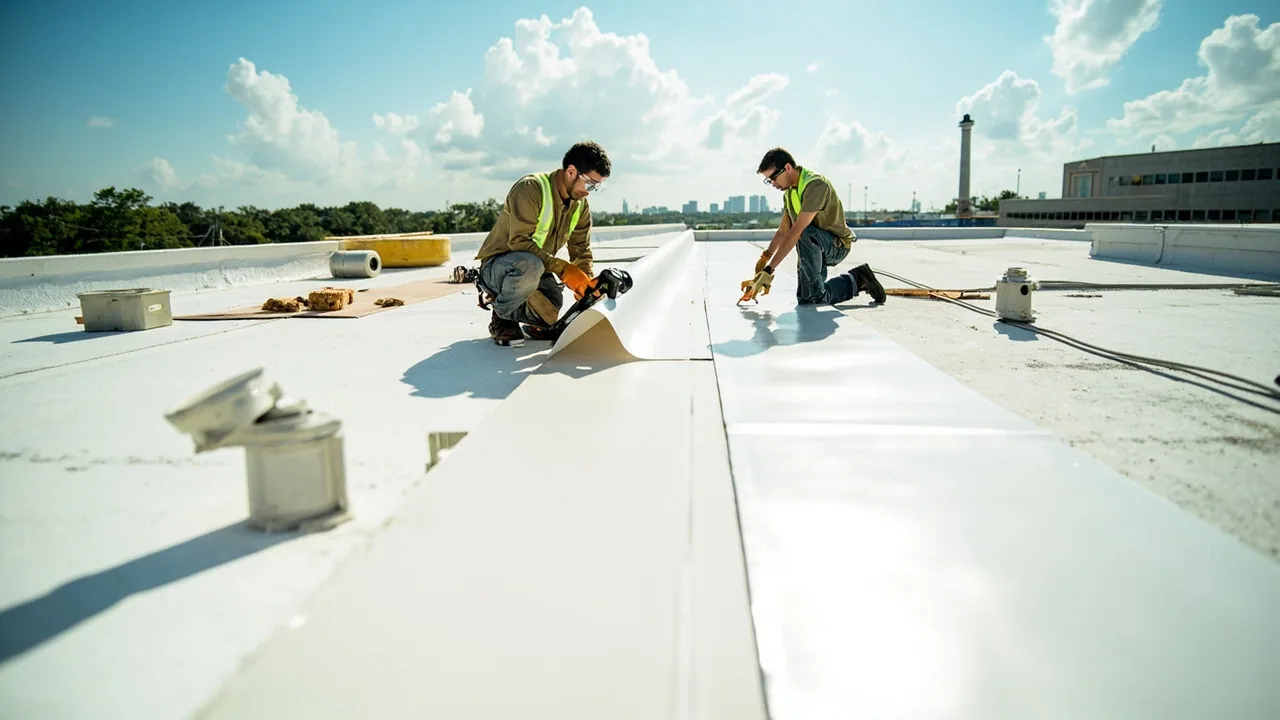
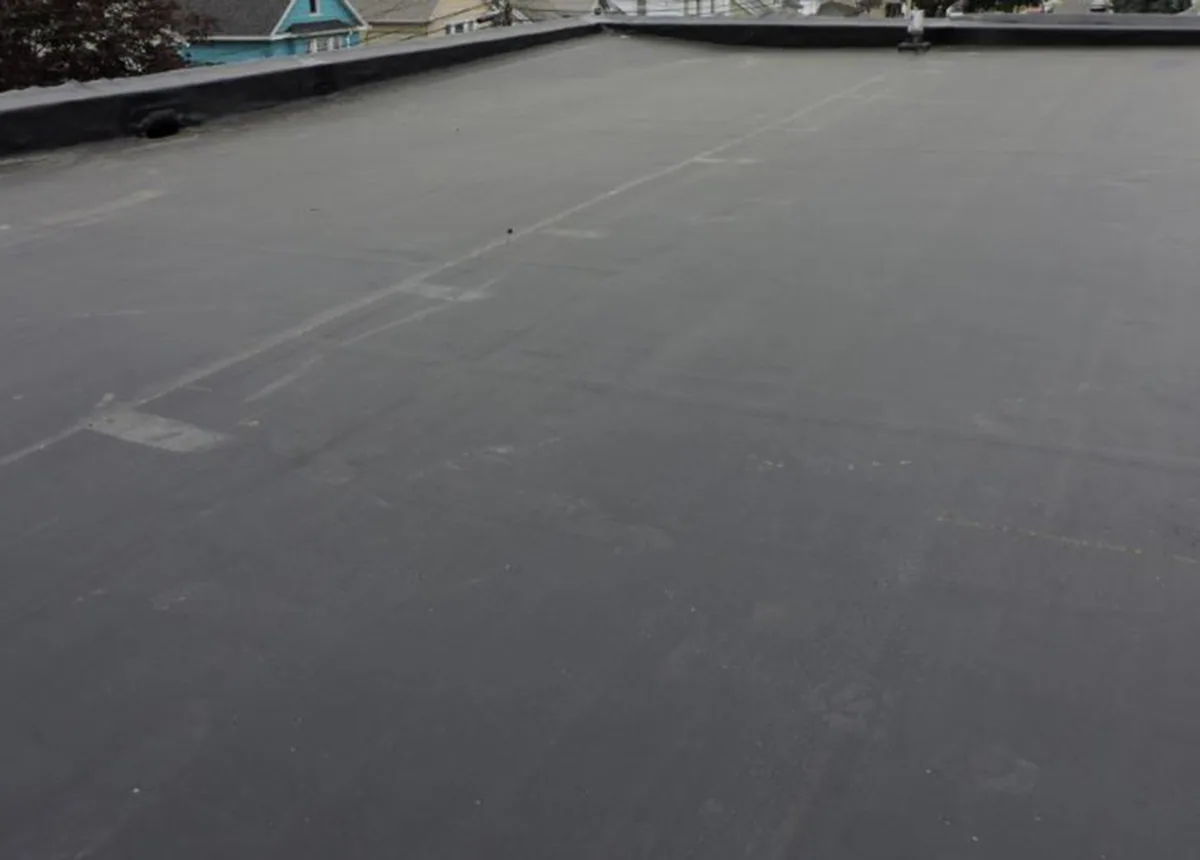
Seams, penetrations and perimeter details often reveal more than a quick look across the field. We inspect welded laps, adhered joints, metal attachments and repairs that have separated. A PVC membrane and an EPDM system use different materials and repair methods. Existing details must be identified before new material is selected. If the roof layers are not clear, a controlled opening or moisture assessment can show whether the substrate is suitable for another layer.
Match the option to the roof condition
Repair is appropriate when damage is contained and the surrounding roof can support a sound tie-in. Restoration may fit when the substrate is stable, dry and compatible. Replacement becomes more relevant when moisture, seam failure or deteriorated layers extend through the assembly. We compare those findings and explain what each scope leaves in place. A modified bitumen roof has its own layer and flashing details; silicone coating work depends on surface preparation and adhesion, not simply the coating name.
Account for heat, rain and access
The nearby Anaheim NOAA station records frequent summer days at or above 90 degrees and more normal precipitation in winter than in August. For a roof in Orange, inspection findings on the installed material, seams and drainage guide the system choice. They point to practical checks: exposed sealants and edges after hot periods, then drainage and water entry before cooler-season rain. We also consider roof access, equipment service paths and protection below the work. An assembly decision should account for the building's use and the repair schedule as well as material performance.
Leave the system choice clear
Our proposal identifies the current system where it can be confirmed, the area to be repaired or renewed and the tie-in details that need attention. If another layer needs testing before material selection, we state what the test will establish. That record helps an owner compare bids and maintenance needs without treating two roofs as identical. For a metal assembly, standing-seam roofing and metal roof retrofit involve different panel and support decisions. We document the scope and closeout so the next inspection has a usable starting point.
Questions About Roof Systems
How do you identify the existing roof system?
We inspect visible membrane, panels, seams, flashings and prior repairs. If layers remain uncertain, a controlled opening can confirm what material is beneath the surface.
Does a coating work on every membrane?
No. Adhesion, surface preparation, existing layers and moisture all affect whether a coating is appropriate. We inspect those conditions before considering an application.
What makes repair different from a recover?
A repair corrects a bounded defect. A recover installs a new roof layer over an existing assembly, which requires suitable moisture and layer conditions. We compare those findings before proposing either.
Can you replace a roof while the business remains open?
We plan phasing and protection with the owner. Access, weather, the roof assembly and the spaces below determine which work areas can remain active.
Talk through the roof decision
Describe the property, the roof concern and the operating limits below. We will inspect the relevant details and explain the practical next step. Call 555-555-5555 or request a roof assessment.