
Cold Storage Commercial Roofing in Orange, CA
A removed refrigeration curb can leave an opening closed with roof materials that do not reconnect the insulation and concealed control layers around it. We examine the closure and receiving assembly before recommending another weather patch. Cold storage roofing in Orange, CA needs that altered detail rebuilt for the cooled building's actual construction. Commercial Roofers Orange explains the support and compatible roofing work required, with responsible design coordination for the affected concealed connections. The owner can compare retaining the closure with reopening and reconstructing it through the exposed material condition and the layers each scope restores.
Orange's industrial-manufacturing and light-industrial zoning districts provide local operating-building settings where equipment and access need consideration. Anaheim Canyon is an industrial and business district with another mix of occupied properties. We examine the actual cold storage roof and establish the owner's temperature-sensitive operations and service routes before planning work. Those operating requirements affect protection and sequencing, while the membrane, insulation and concealed connections determine the scope that can correct the inspected condition.
Moisture routes require distinct assessment
Water on an interior component can result from an exterior entry path or moisture conditions within the assembly. We inspect relevant roof details and discuss the building's operation with the owner and responsible design or refrigeration participants. Selected layer examination may be needed where condition affects the decision. Investigating the exterior water route addresses membrane seams, flashing and outlets associated with the complaint, with observed layer findings separated from areas requiring additional assessment.
The recommendation identifies which roof component needs repair and what further work is necessary to understand the concealed relationship. An intact exterior surface does not eliminate the need to examine a damaged penetration or layer connection elsewhere. We follow the actual water and moisture pattern rather than choose a roof patch solely from the position of interior frost. The owner receives the repair boundary and appropriate dependencies before removing material above temperature-sensitive space.
Penetrations link several assembly functions
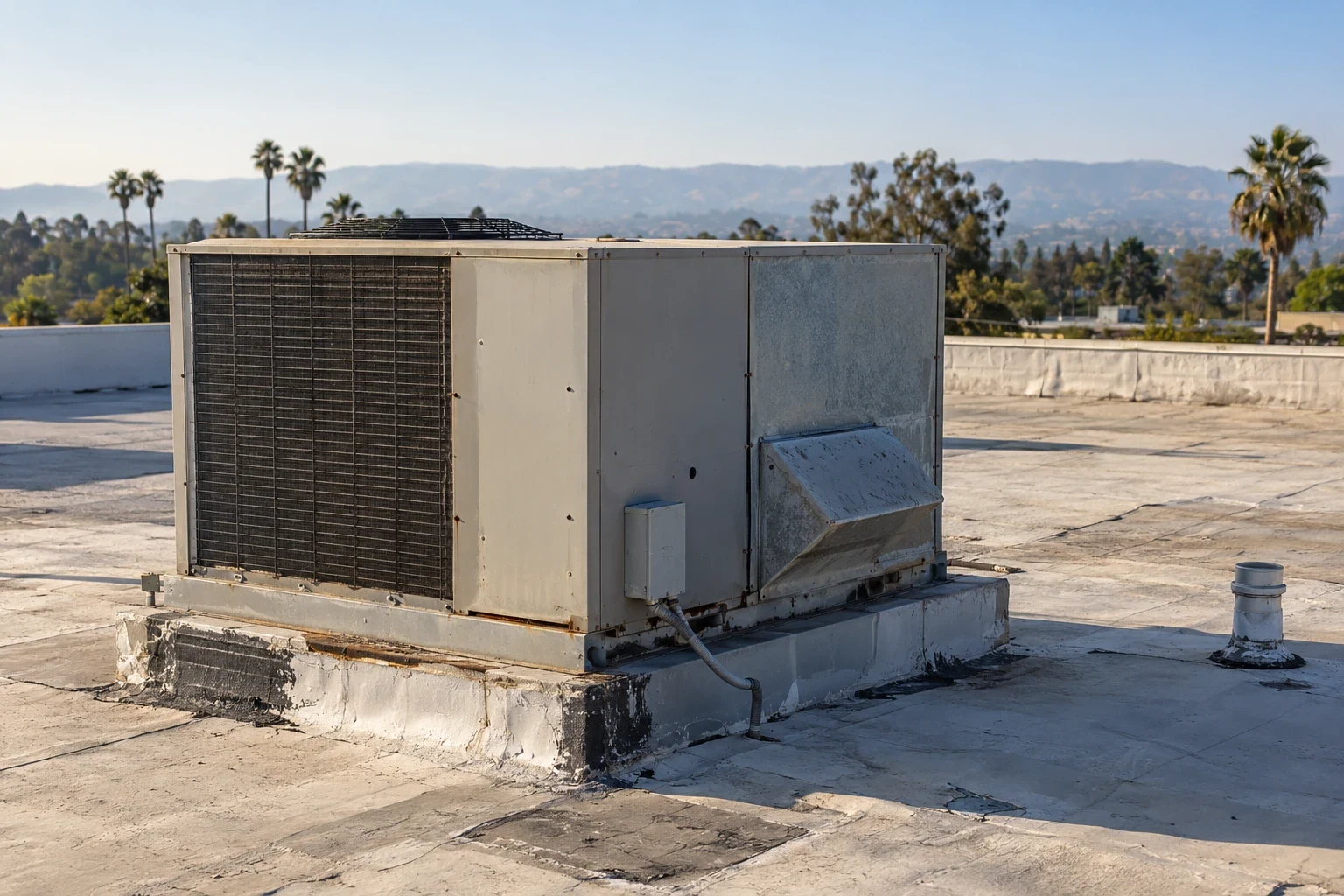
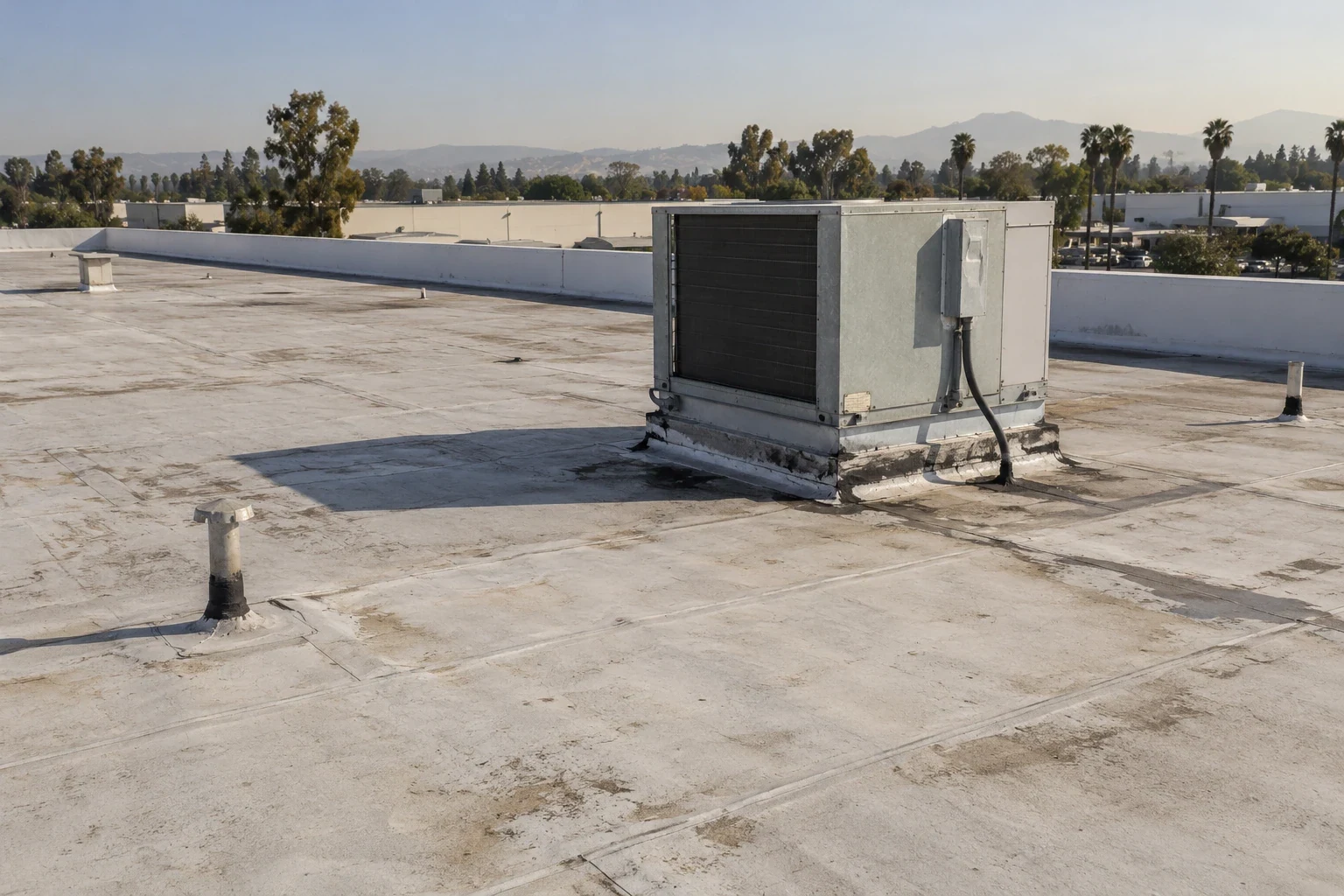
A pipe or equipment opening can interrupt waterproofing, insulation and air or vapor control. We assess the weather detail and coordinate the concealed assembly requirements with the appropriate professionals. Support and component movement also need consideration. Cold storage equipment curb work can involve preparation before a suitable membrane connection is finalized. The scope describes the responsibilities and sequence at the opening, with temporary protection appropriate to the affected area.
A changed support or relocated refrigeration component can require reconstruction beyond the exposed membrane. We inspect available flashing height and the connection to retained layers. New insulation may alter the finished roof elevation, making curb extension or another detail change necessary. The owner can compare a local repair with wider removal through those dimensions and material findings. The permanent weather seal follows the prepared component and assembly rather than close over an unfinished concealed connection.
Insulation condition affects retention
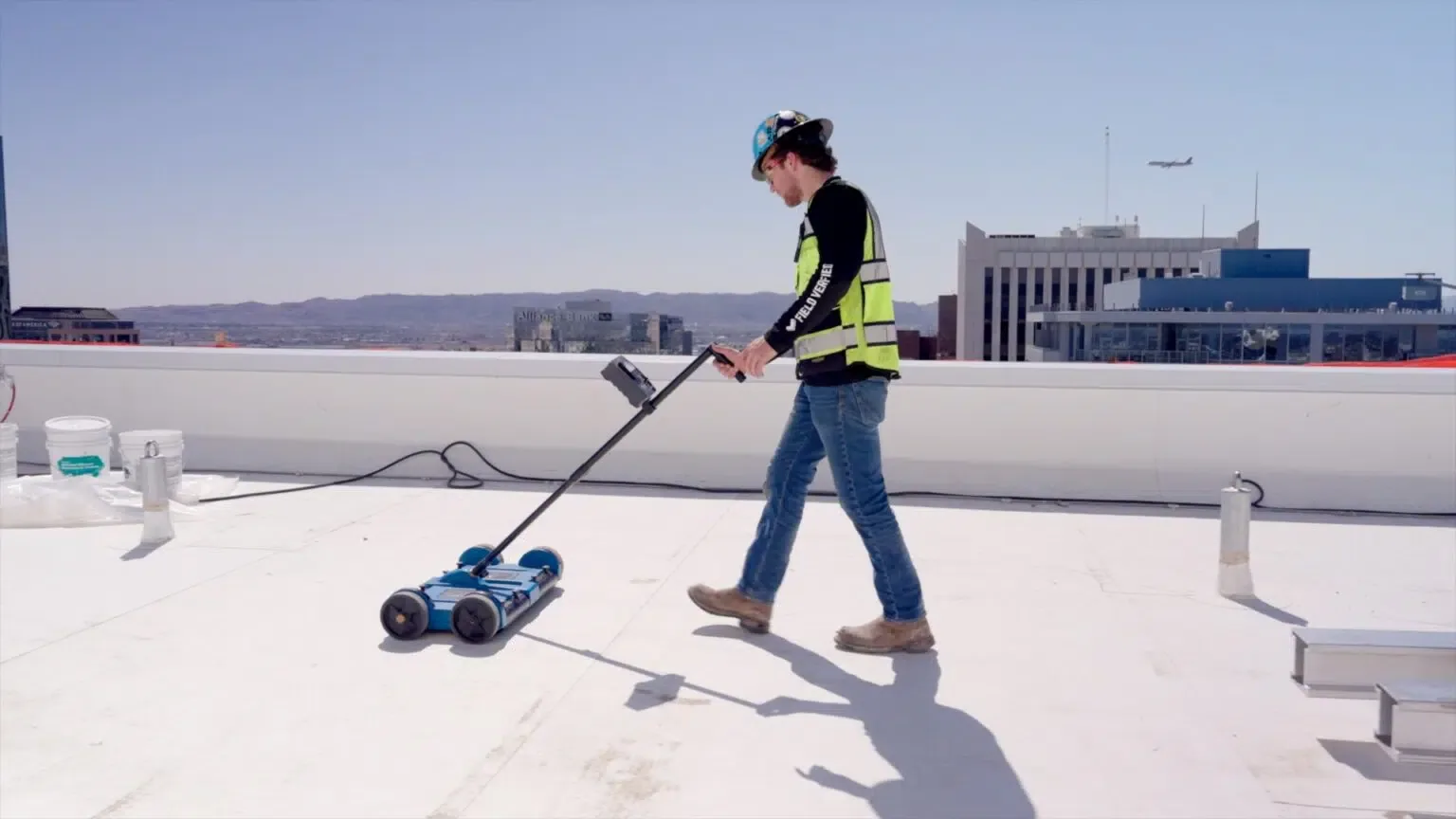
Wet, detached or compressed insulation needs examination before it is left beneath a roof repair. We investigate selected areas and confirm material condition where it affects removal. Layer-confirmed moisture assessment can help where imaging and the cold storage construction support its use. Building temperature and assembly characteristics influence interpretation, so the actual physical findings establish the scope. The owner receives the affected extent and material proposed for retention or replacement.
Insulation and vapor-control design need review for the cooled building's actual use. We coordinate appropriate design work rather than assume a standard arrangement fits every cold storage roof. The exterior membrane choice is considered with that complete assembly. TPO construction for a suitable assembly involves its specified attachment and details, while the supporting layers and concealed controls still need to fit the building. The comparison identifies those dependencies before replacement or recover is selected.
Open work follows temperature-sensitive limits
Roof removal can expose material above cooled or stored-product areas. We establish the owner's actual protection, access and operating requirements before defining work areas. The scope includes the temporary closure and sequence needed for each affected portion. The condition of retained material influences suitable stopping lines. Permanent installation proceeds under conditions appropriate to the selected products, with openings protected while responsible trades complete dependent work.
A building combining cold storage with distribution roof operations may need dispatch routes and equipment access considered alongside temperature-sensitive space. We establish those particular arrangements with the owner. Material staging needs suitable load distribution and clear discharge paths. On adjoining warehouse roof sections, different assemblies or elevations can require a planned transition. The phases are compared through their actual closure details and work dependencies.
Outlets and edge details remain serviceable
Standing water or an obstructed receiving route can affect the roof's weather connections. We examine the inlet, surrounding elevations and accessible discharge components. A drainage correction may require membrane, hardware or appropriate trade work. Those tasks are identified with the assembly scope, including any tapered insulation or outlet reconstruction warranted by the observed geometry. Service access is retained so cleaning and inspection can reach the finished detail without repeatedly disturbing adjoining equipment.
For a property in Anaheim Canyon, the working arrangement follows the actual building and service routes. Changed roof height affects edge metal and flashing as well as outlets. We measure available space before selecting the new construction. An owner can compare repair, suitable recover or removal with those changes included, avoiding a surface-only choice that carries unsuitable drainage or a short flashing turn into another roof layer.
The completed assembly has defined boundaries
A repaired membrane, reconstructed penetration and changed concealed layer need completion attention appropriate to each responsibility. We inspect roof connections and show important material findings before closure. Location photographs relate the work to recognizable equipment and building features. The owner receives the roofing boundary and any additional assembly work completed or still requiring coordination. That information helps later investigation distinguish an exterior repair from adjoining moisture-control components.
Maintenance focuses on the actual roof's drains, exposed terminations and service paths. Equipment alterations should be coordinated before the assembly is disturbed, including the insulation and concealed controls affected by a new opening. A returning moisture complaint is investigated through its present pattern and relevant components. We use earlier completion views to locate the work, then explain the correction justified by the current findings rather than automatically repeat the same weather patch.
Questions About Cold Storage Commercial Roofing
Does interior frost always mean the exterior roof is leaking?
The moisture route needs investigation before a correction is chosen. We inspect relevant weather details and coordinate assessment of the concealed assembly where air or vapor-control conditions may be involved. Observed roof damage is identified separately from additional investigation. The owner receives the roofing scope and dependencies needed to address the actual condition at the affected component.
Why include concealed controls when a pipe flashing is replaced?
A penetration can interrupt several assembly layers as well as the exterior weather connection. We review the damaged detail and coordinate requirements with the appropriate professionals. Insulation, support and concealed control connections may need work before roofing is finalized. The scope explains that sequence so the opening receives a suitable complete arrangement rather than an isolated surface patch.
Can moisture imaging be used on a cold storage roof?
Suitability depends on the construction, operating temperatures and survey conditions. We assess those factors and confirm relevant findings through appropriate physical layer examination. Imaging can guide investigation where useful, but physically examined material condition defines removal and retention. The owner receives the actual layer findings and any further assessment needed before choosing a local repair or broader project.
What should an owner identify before cold storage roof removal?
Explain which cooled rooms, stored products and refrigeration components are affected by the proposed roof area. We inspect the insulation and relevant concealed connections before setting a removal boundary. Damaged layers or an interrupted air or vapor-control detail can require additional opening and responsible design coordination. The scope identifies temporary weather protection and the layer work needed before that portion is closed, with the owner's temperature-sensitive operations considered in its sequence.
Related Roofing Work

Investigate the cold storage connection
Describe the Orange building's moisture locations, roof details and operating limits. We can inspect weather damage and explain roofing and assembly coordination needs. Call 555-555-5555 or request a roof assessment.