
Roof Damage Repair in Orange, CA
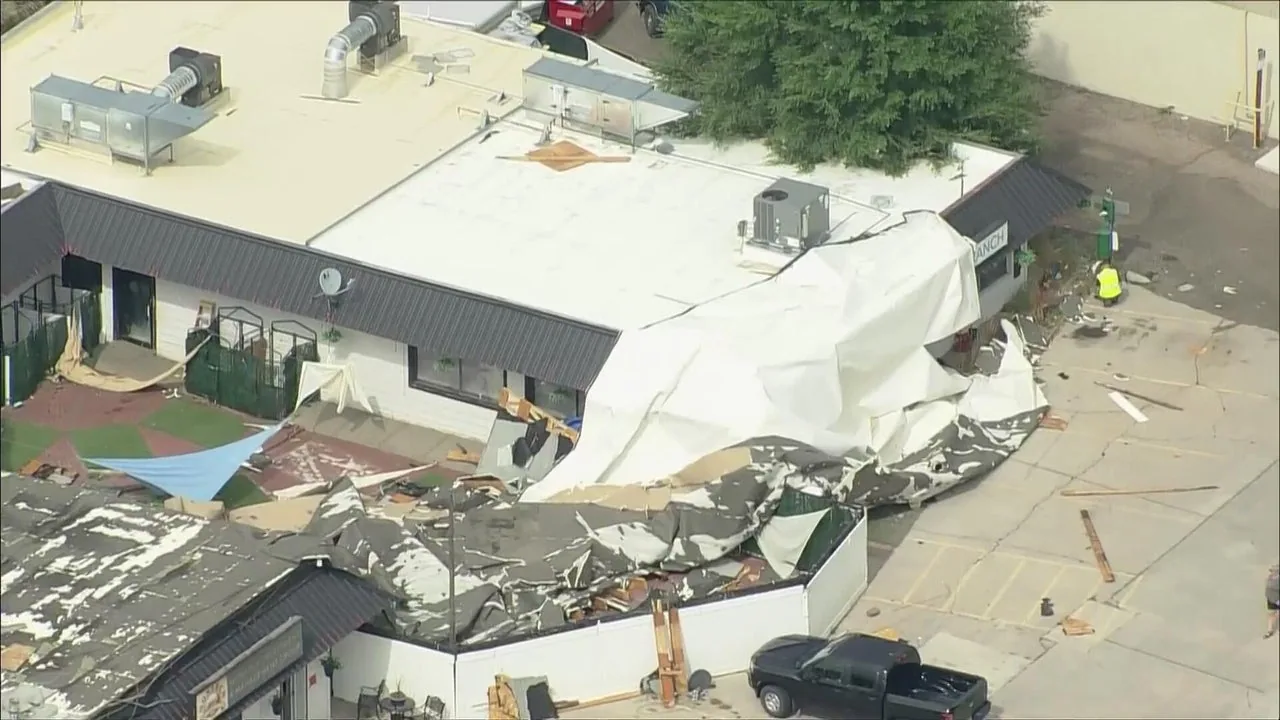
A roof defect can be small at the surface and wide below it. Water can move along a deck, while wind can lift an edge or open a flashing connection. We inspect the material and the path through the assembly before defining a repair. Orange roofs face hot summers and seasonal rain; Santa Ana winds are a regional weather pattern that can damage property across Southern California. The nearby Anaheim station records 47.2 days each year reaching at least 90 degrees, which helps frame attention to exposed sealants and membrane. A wind-damage inspection checks edges, metal and membrane attachment as well as visible debris.
All Roof Damage Repair
Trace water before patching
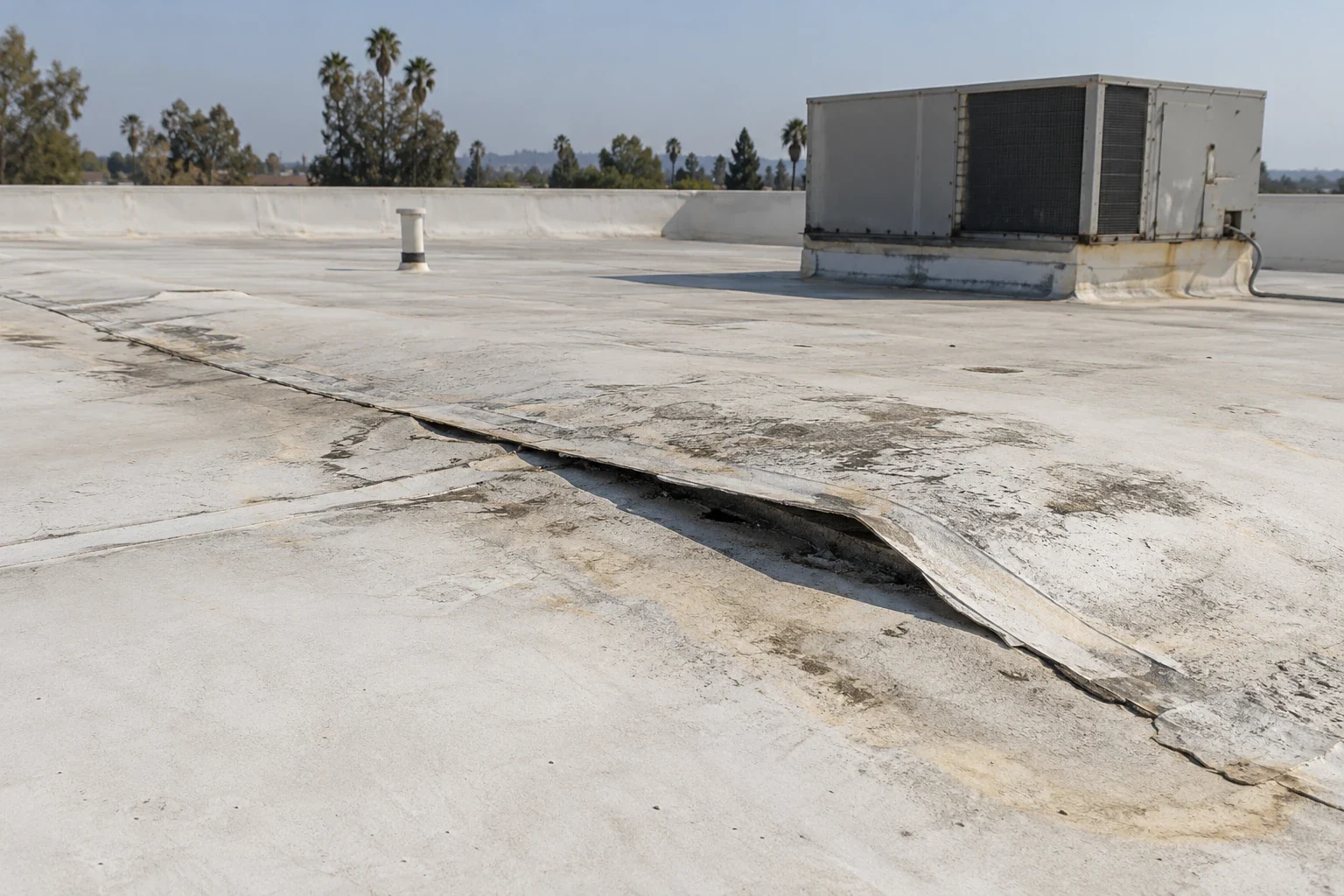
The room where water appears is not always directly below the opening. We compare the stain with roof slope, deck direction, seams, curbs and drains. A flashing repair targets the transition where the roof meets a wall or penetration. An open lap may call for seam repair, while moisture beneath the membrane may require a test opening. We keep observations separate so the owner understands which detail explains the leak and which needs further review.
Separate surface damage from wet layers
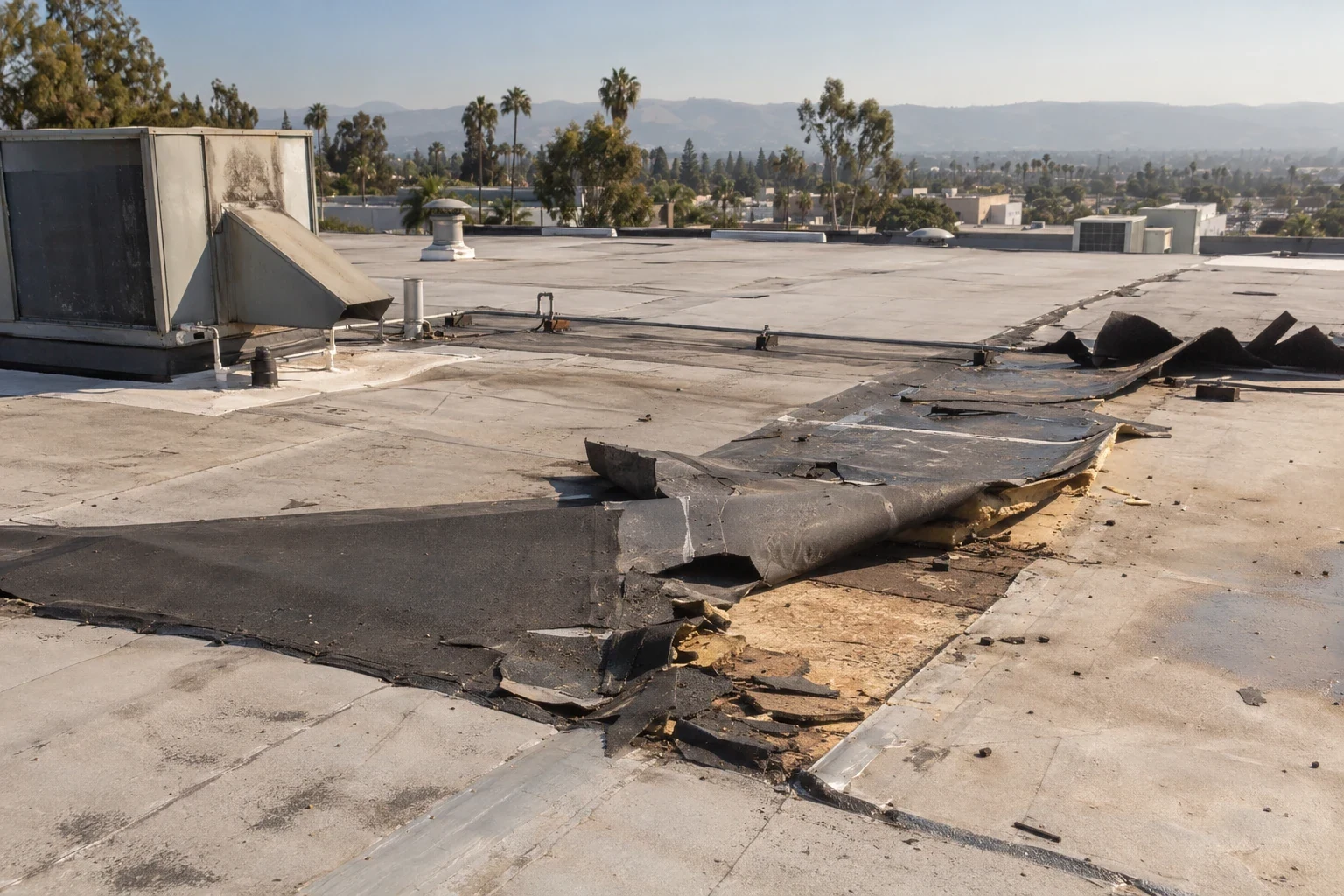
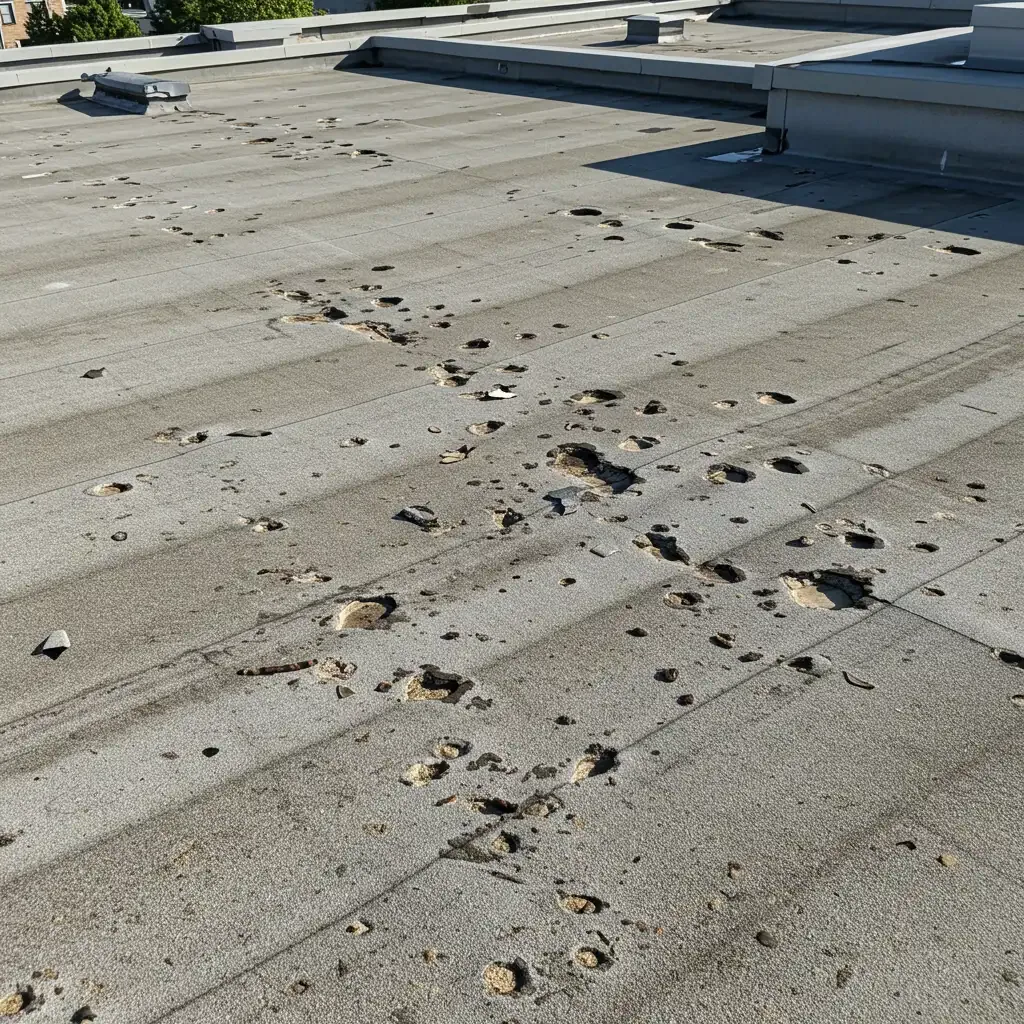
A puncture, blister or torn coating can expose the system below to water. We check whether the opening is contained and whether the surrounding membrane remains attached. Membrane puncture repair depends on a clean tie-in to suitable material. When the roof holds water, we inspect the outlet and surface before proposing a correction for standing water. A photograph shows the condition; probing or a measured opening may be needed to confirm what is below the surface.
Choose a repair boundary the roof can support
We describe the materials to remove, the tie-in and the layer condition expected to remain. A localized repair can address an isolated failure. Repeated seam separation, loose edge metal or widespread moisture can shift the decision toward a broader repair or replacement. If heat exposure has dried or split an exposed detail, our heat and UV damage inspection records the affected area. For more extensive storm impact, storm-damage repair distinguishes urgent protection from permanent work.
Record damage and completed work
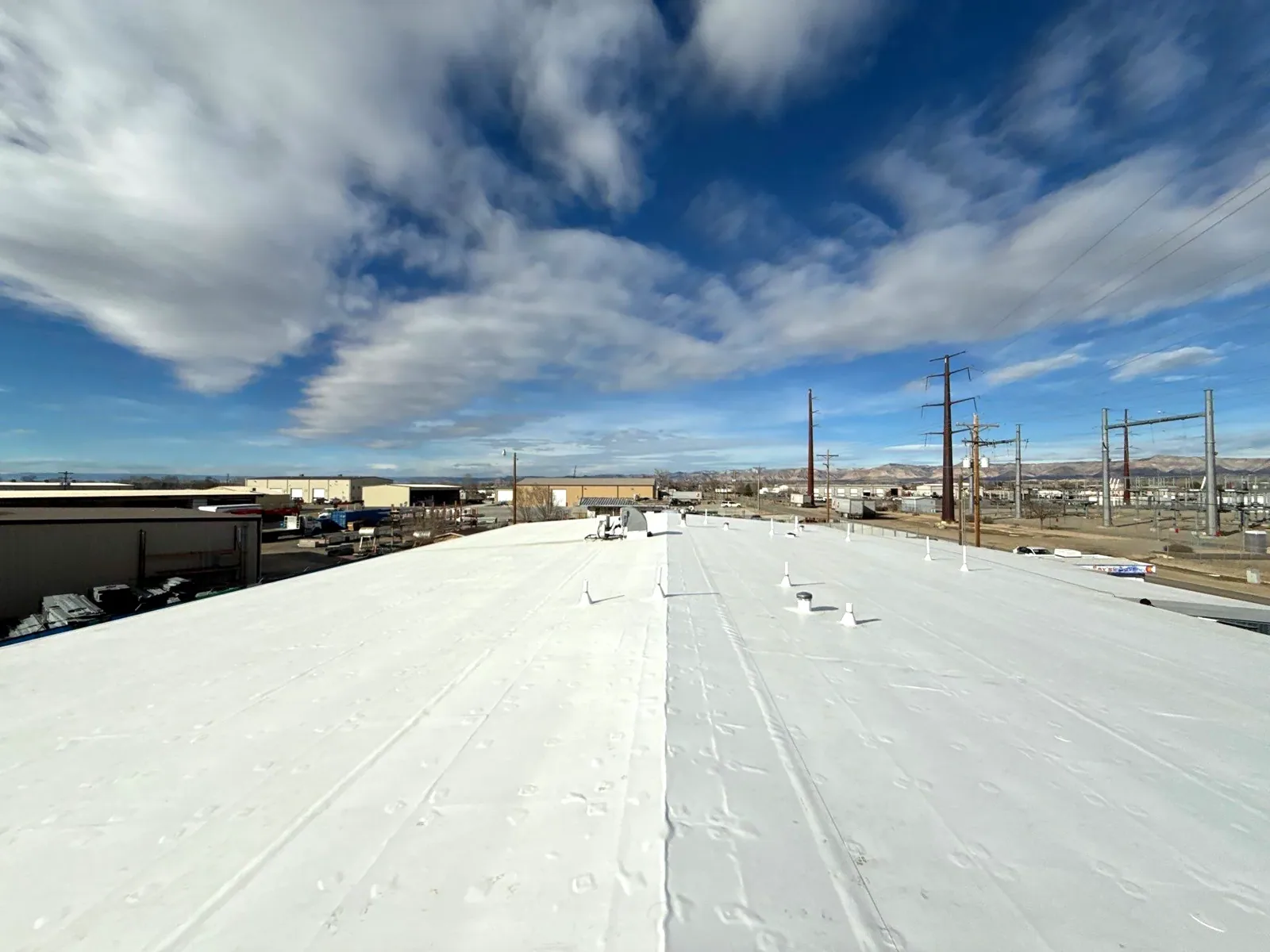
Before-and-after photographs, a marked roof zone and a short description of the repair make the closeout useful. We list any nearby condition that falls outside the approved work and identify whether it needs another inspection. That record supports a later comparison, especially after a storm or a repeat leak. Owners can discuss the repair alongside a full roof inspection when the extent of damage remains uncertain. We keep the scope tied to what the roof shows and the operations below it.
Questions About Roof Damage Repair
How do you find a leak that moves across the roof?
We compare the interior location with deck direction, roof slope, seams and penetrations. We inspect the likely water path and separate a confirmed opening from conditions that need testing.
Can you help after wind damage?
We inspect exposed edges, metal, membrane and attached components, then photograph the damage and define repairs. Emergency response can protect an active opening while permanent work is arranged.
Does standing water always mean a roof has failed?
No. We map the water, check drainage and inspect the membrane and nearby details. The correction depends on whether the cause is a restriction, low area or opening.
Should a punctured membrane be coated over?
We first check whether the membrane is bonded and dry around the puncture. A compatible repair may work; moisture or layer damage can require removal and a wider correction.
Talk through the roof decision
Describe the property, the roof concern and the operating limits below. We will inspect the relevant details and explain the practical next step. Call 555-555-5555 or request a roof assessment.