
Commercial Roofing in Old Towne Orange, CA
A dark line at a parapet can be a failed cap joint, a membrane termination or water moving behind another repair. In Old Towne Orange, where dining and retail businesses sit among historic structures, the inspection has to locate the defect without making a larger opening than the evidence calls for. We compare the roof surface with coping, wall transitions, drains and interior symptoms, then define a repair boundary that can be reviewed before work starts. Our commercial roof inspection gives the owner a clear record of the observed detail and the next step needed to confirm concealed layers. For roofs beyond the historic district, our coverage also includes commercial properties throughout Orange. Nearby warehouse and mixed-use activity also runs along the Katella Avenue corridor.
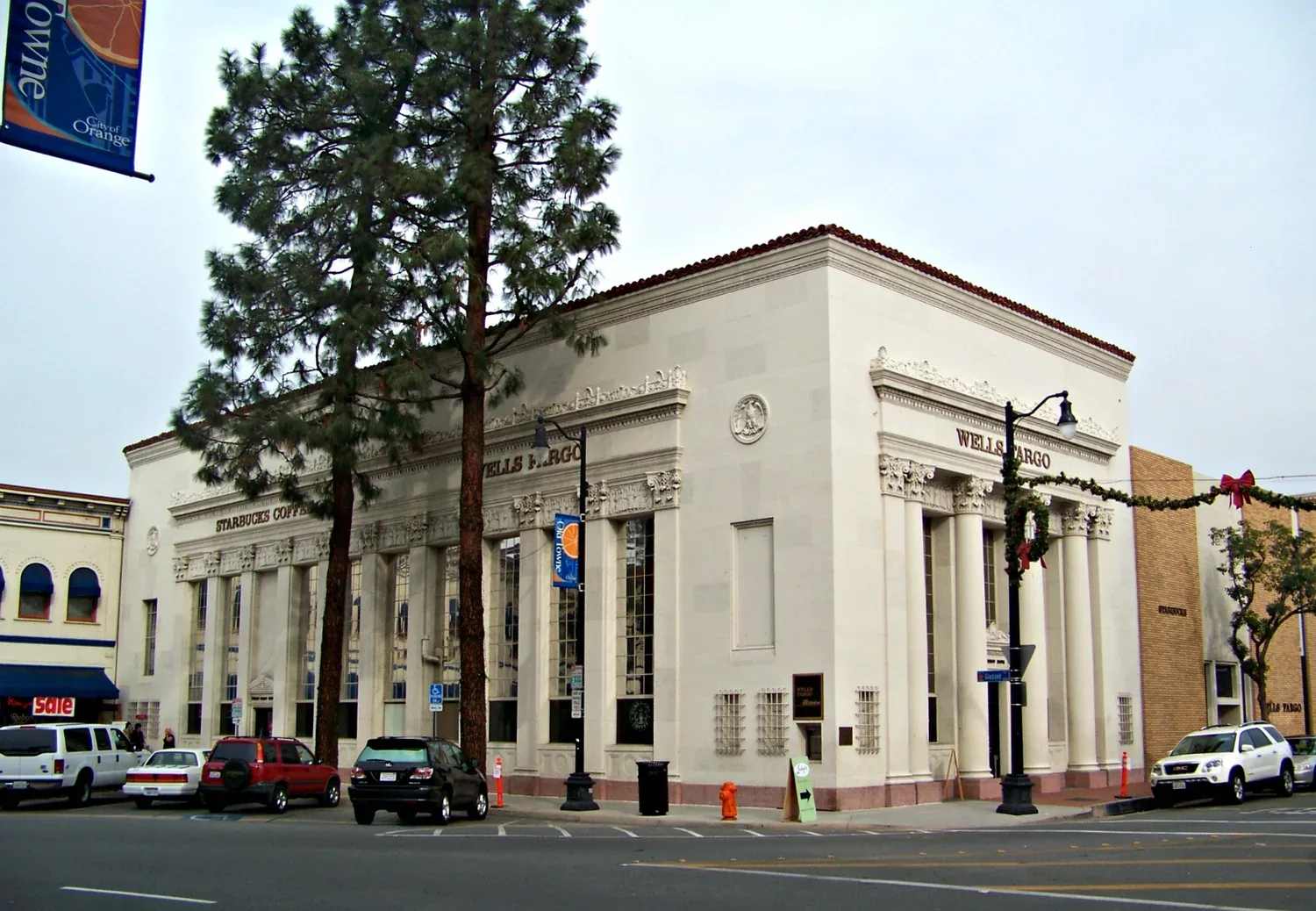
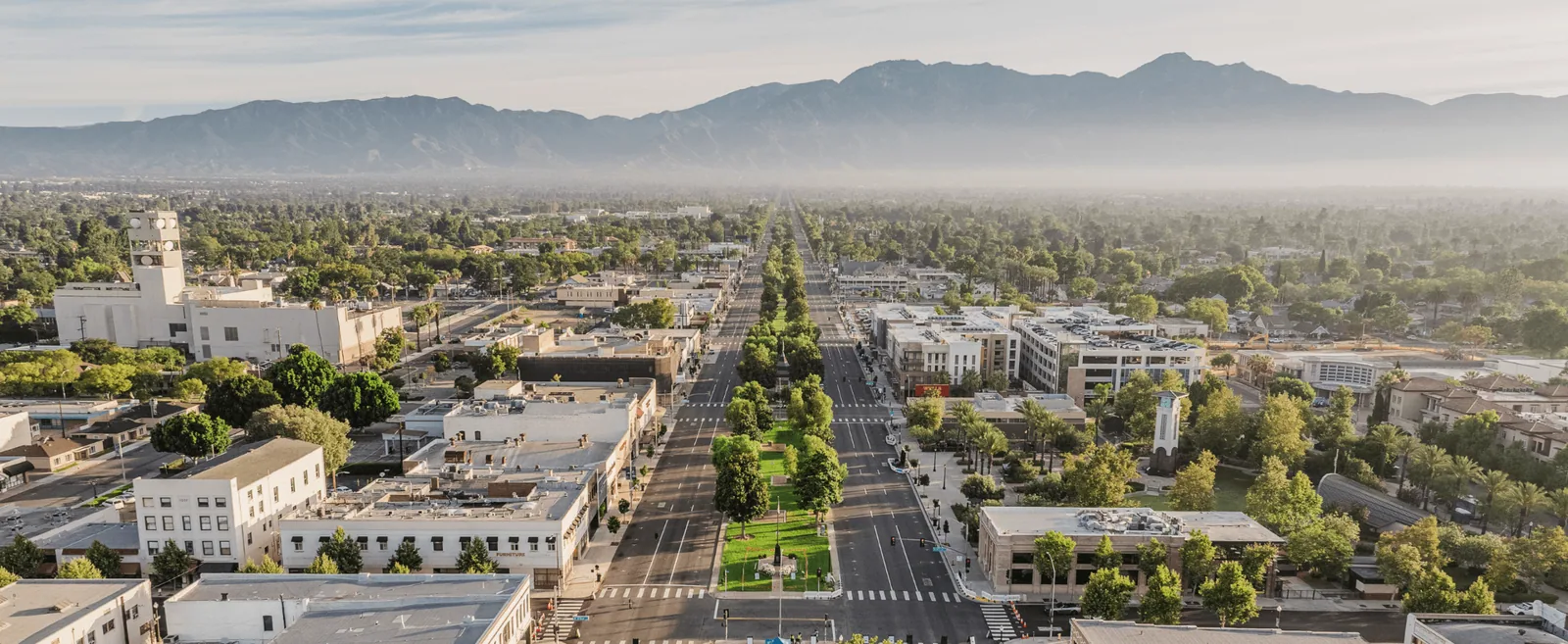
The historic district extends roughly one square mile around the original plaza. Active storefronts near the plaza can shape material staging, sidewalk protection and the sequence of roof work. Shops and restaurants may need access maintained while repairs take place, so we plan material staging, protection below, and crew movement with the operating schedule in view. When a roof detail meets a visible facade or parapet, the repair must keep water out while respecting the existing construction. We document the current assembly before proposing a change, and coordinate scope review where the proposed work triggers city or preservation requirements.
Separate visible symptoms from roof defects
A stain in a storefront ceiling does not reveal whether the water entered at a roof seam, a drain, a wall joint or rooftop equipment. We start above the symptom and follow each plausible path. The inspection checks membrane laps, flashing height, penetrations, edge terminations and the condition of nearby sealant or metal. We note whether the roof appears to have older patches or multiple surface layers, but we do not infer their dates or the condition underneath without inspection. A documented commercial roof leak repair links the interior mark to roof observations and explains what remains concealed.
Historic surroundings make careful scope definition particularly useful. If a test opening is needed, we discuss its location, size and restoration before making it. Photos show the detail in context as well as close up, so a reviewer can see how the proposed repair fits the wall or edge. Where the membrane is intact but water is tracking along a concealed path, additional testing may be justified. Where the failure is visible at a lap or flashing, a compatible repair may resolve the entry without disturbing unaffected areas. We base that distinction on what the roof shows, not the age or appearance of neighboring buildings.
Protect edges, walls and roof transitions
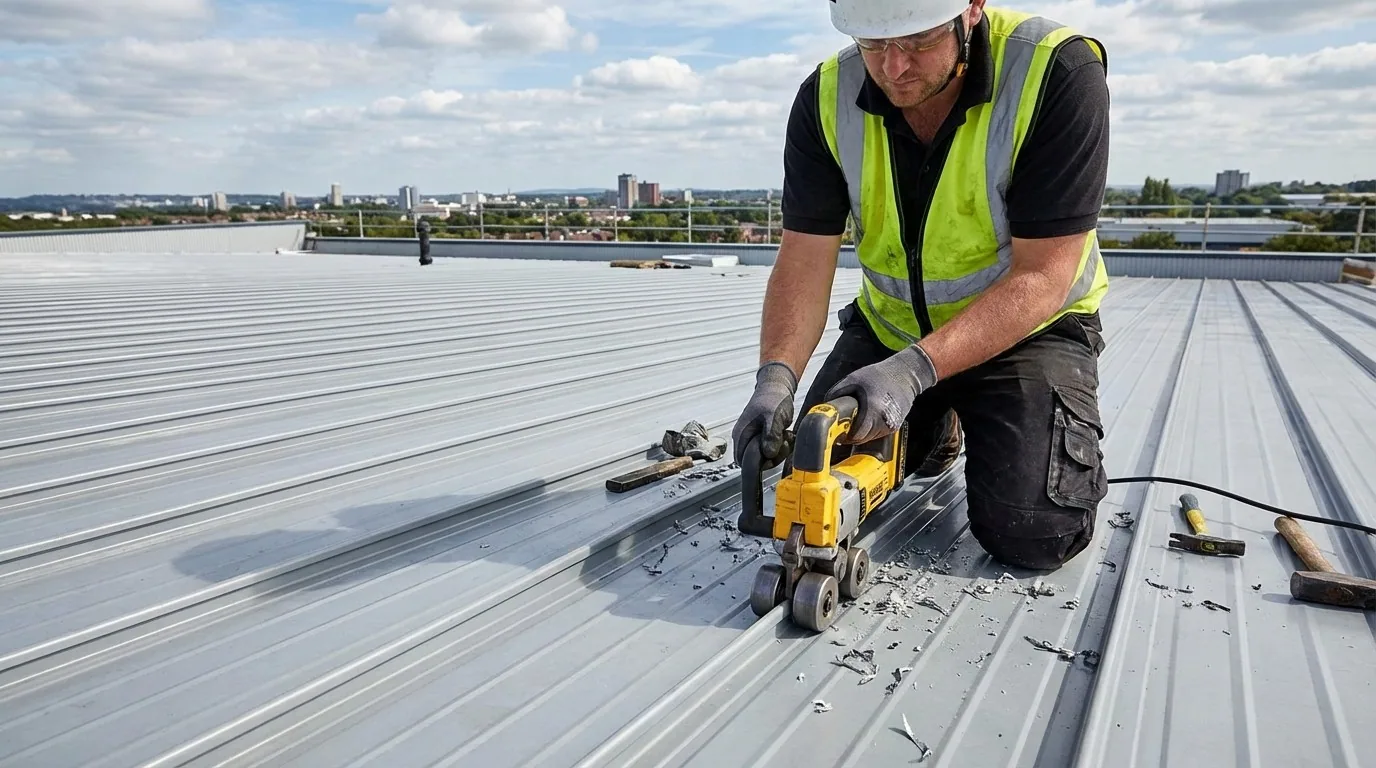
At a parapet, the inspection follows coping joints, cleats, membrane termination and corner transitions. A loose metal section can admit water behind a wall even when the roof field looks dry. At a curb or penetration, we check each side of the flashing, the termination bar and any membrane stress around the base. The edge metal and coping repair addresses the failed component and its connection to the adjoining roof layer. A surface bead of sealant may be part of a repair, but it cannot substitute for secure attachment or a properly integrated membrane.
We also note equipment clearance, roof access and the path materials must take across the building. Sidewalk activity and neighboring operations can shape delivery timing and ground-level protection. Those logistics do not change the technical requirement: the crew needs a dry, sound surface and a clear work boundary. We limit exposure and verify the repaired joint after completion. If a facade-adjacent condition needs review before alteration, we describe the proposed roof work so the owner can route it to the appropriate city contact.
Keep water moving off the roof
A drain with a restricted strainer can back water toward a seam; a scupper with a deteriorated lining can leak through the wall. We inspect the drain bowl, clamping ring, sump, outlet and nearby slope instead of recommending cleaning based only on an interior stain. The roof drain and scupper inspection records debris, ponding and the condition of the surrounding membrane. If clearing the outlet restores flow, we still check whether standing water has stressed seams or lifted flashing. A recurring low spot may call for a design review rather than repeated sealant work.
The district's commercial buildings operate through changing weather and daily use. We look at how water leaves each roof section, where overflow travels and whether access allows routine service. A maintenance log can note what was cleared, which details were repaired and when a follow-up view is useful. These records support decisions without claiming that a single visit resolves every hidden issue. If water remains after a drain is clear, we compare the measured area with roof construction and elevation before selecting a correction. The plan should preserve drainage paths rather than trap runoff behind a new patch or added layer.
Choose work that fits the building
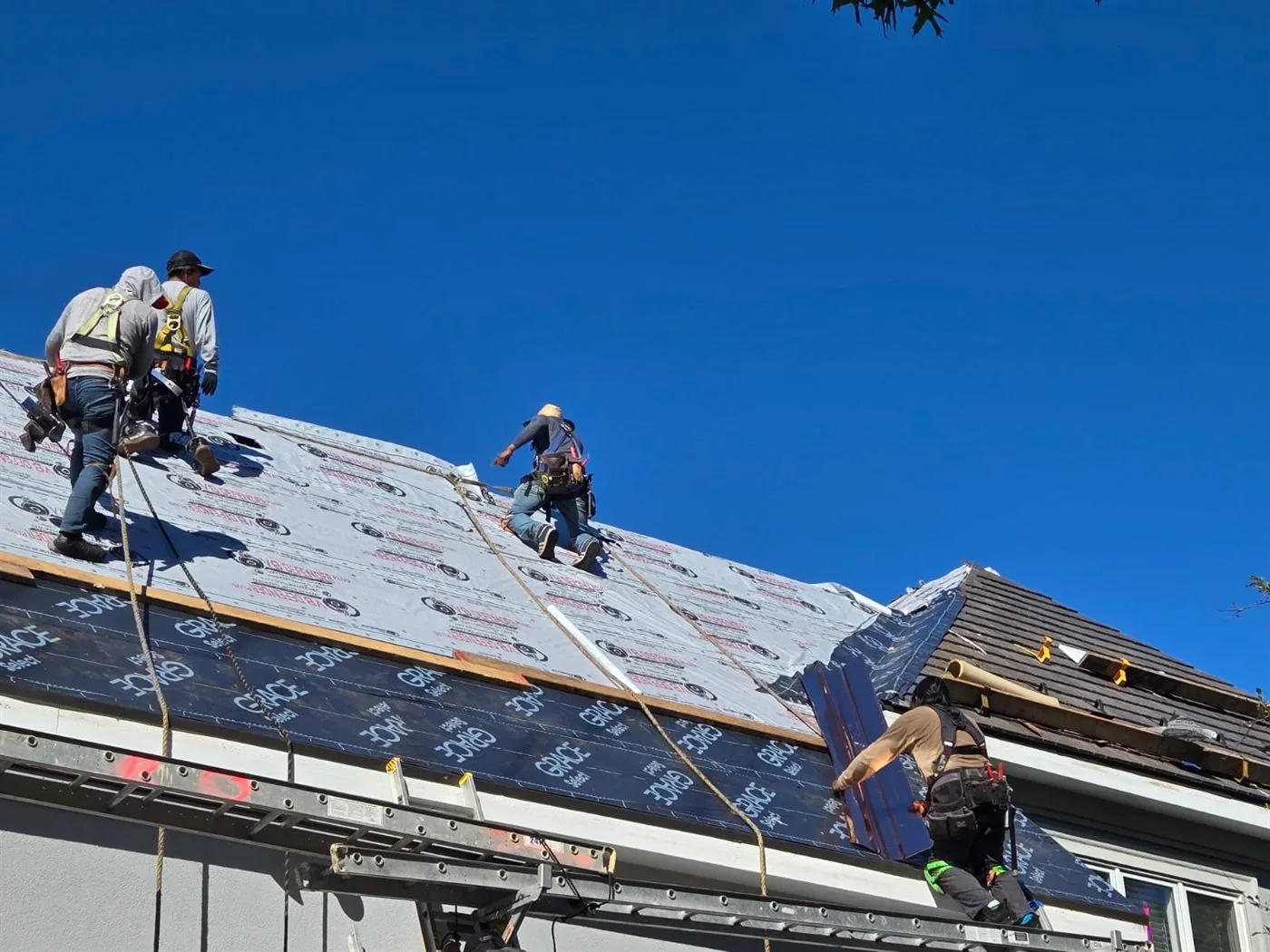
A limited flashing failure, a broad field problem and an assembly with saturated insulation are different scopes. We compare the condition of the membrane, attachment, cover board and deck where accessible, then identify whether localized repair is supported by sound surrounding material. If not, removal may need to extend to dry layers. A commercial roof replacement plan considers how crews will protect the interior, stage materials, reconnect roof details and keep the building usable during the work.
Orange's Historic Preservation Design Standards govern industrial development within Old Towne; we consider that requirement when the project includes such development. For work involving visible edges, walls or structural changes, we document what will be altered and provide a clear scope for the owner to review with the city as needed. We avoid changing historic-facing details unnecessarily, while keeping the roof assembly watertight and serviceable. The written comparison distinguishes an immediate leak repair from work that requires broader design or preservation review.
Make the repair easy to track
A finished patch should be locatable and understandable after the crew leaves. We photograph the failed joint before repair, record the materials and dimensions observed, and capture the tie-in after work. A written roof condition report can also note access limits or areas that remain concealed so a future inspection does not mistake uncertainty for a confirmed defect. Owners can use that record to schedule follow-up, compare recurring symptoms and plan roof work with other building needs.
For active water entry, our response is available overnight, weekends and holidays. Tell us which storefront or interior area is affected and whether the roof can be accessed during business hours. We will inspect the relevant details, define the repair limit and coordinate the work zone around customers and staff. If the roof suggests a larger decision, we will show the observations supporting that comparison and identify what needs outside design or preservation review before the scope proceeds.
Questions About Old Towne Orange
How do you protect storefront access during roof work in Old Towne Orange?
We plan material staging, barriers and crew movement with the property contact so customers can use the agreed entrance while the roof work proceeds. If a section must be opened, we define the work window and temporary weather protection before mobilizing.
Can roof repairs be planned around business hours?
We coordinate access and staging with the owner or manager. Some inspections can occur while a business is open, while noisy work or a test opening may need a controlled window. Before work begins, we identify the roof section, ground-level protection and any short-term restriction that affects customers or deliveries.
Do historic surroundings change the roof inspection?
The physical inspection still follows the membrane, flashing, edge and drainage. The surrounding context matters when a proposed change affects a visible exterior detail or may trigger city review. We describe the roof condition and work area so the owner can coordinate applicable review without assuming a permit outcome.
What if the leak cannot be seen from inside?
We inspect likely water paths on the roof, including seams, penetrations, drains and wall transitions. If the surface evidence does not identify the entry point, we explain which test or monitoring step could narrow the area. A temporary measure can control exposure while the permanent repair boundary is established.
Related Roofing Work

Arrange a roof inspection in Old Towne Orange
Share the affected roof section, visible symptoms and business operating hours. We will identify the relevant details and plan access and protection around the property. Call 555-555-5555 or request a roof assessment.