
TPO Commercial Roofing in Orange, CA
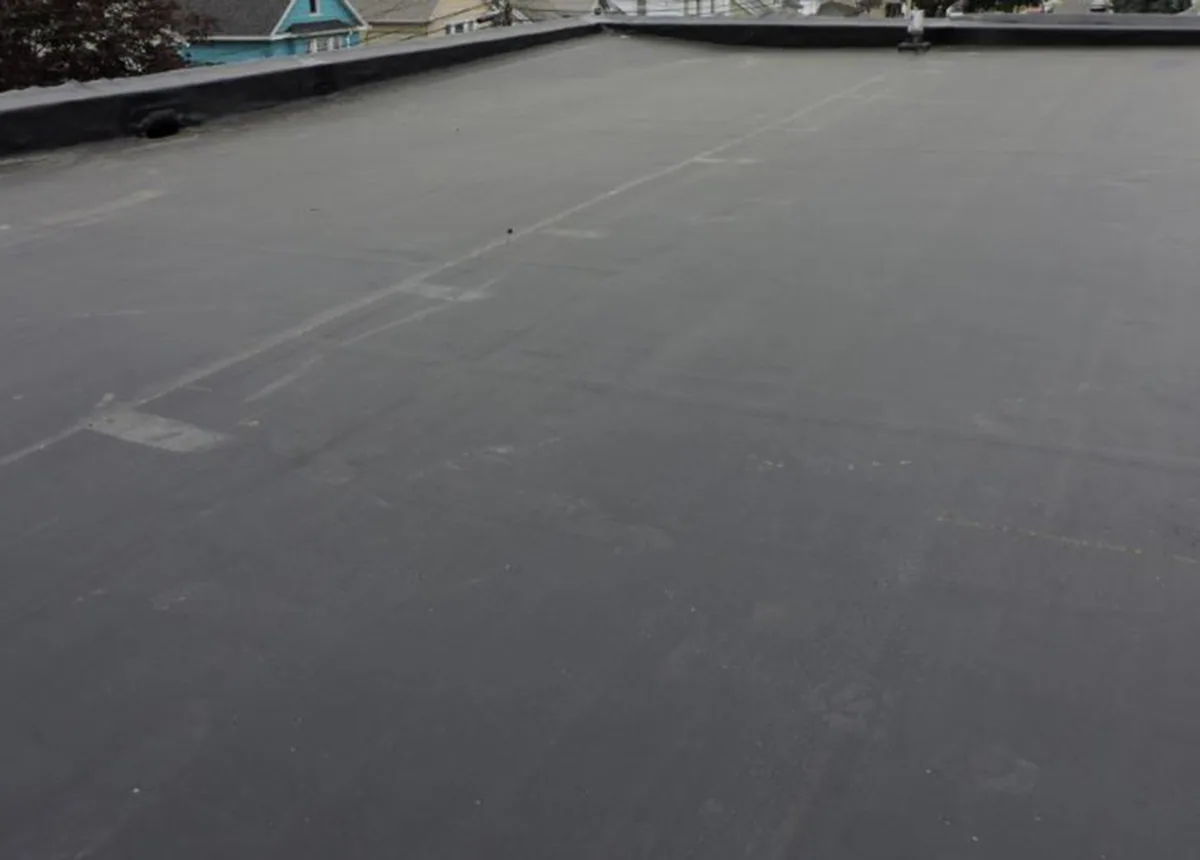
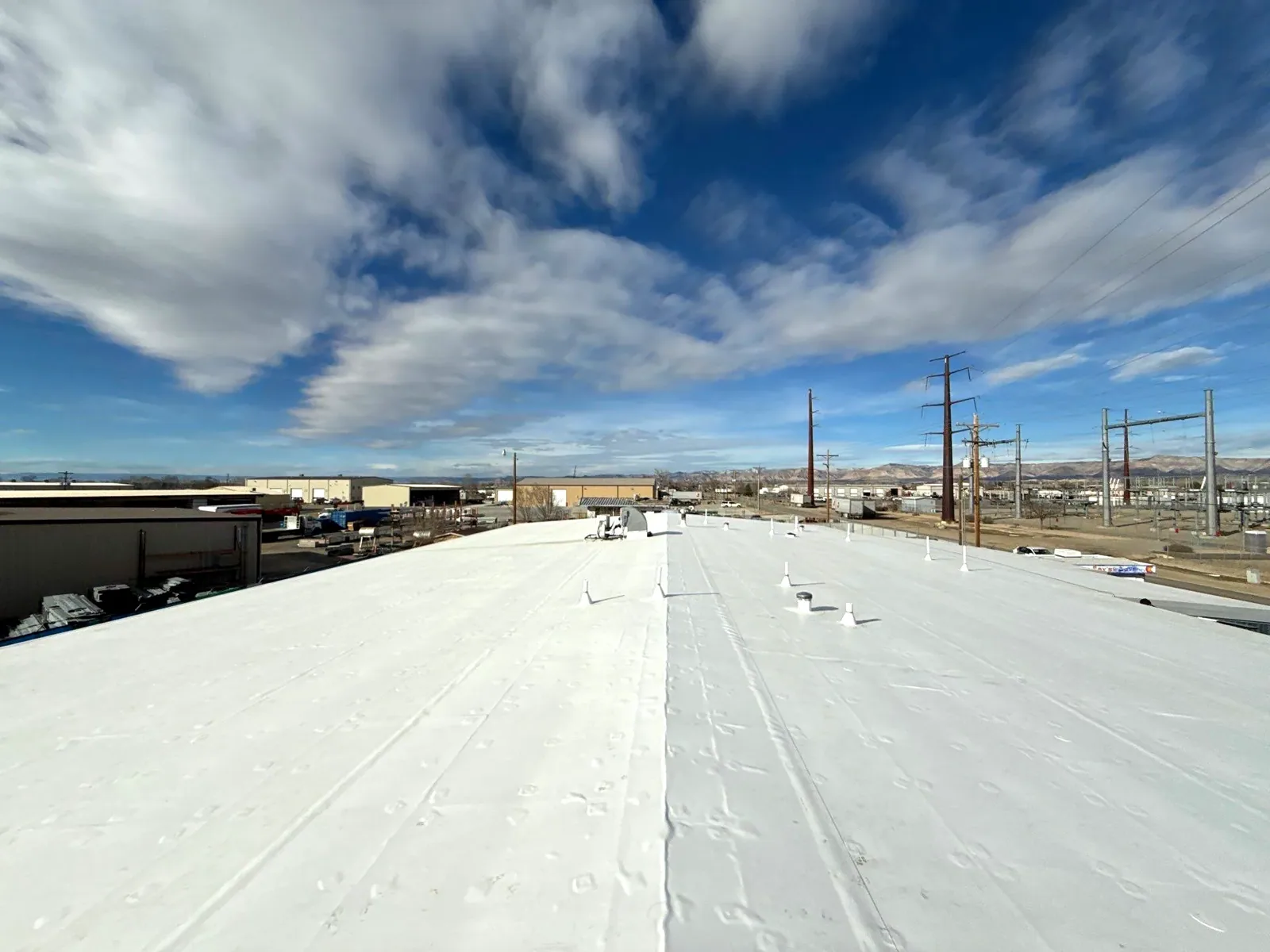
A broad sealant smear across a TPO lap can conceal the edge that needs a proper welded repair. We examine the old treatment, exposed sheet and underlying connection before defining removal and preparation. TPO roofing in Orange, CA should leave the owner with a repair that joins suitable material, or a clear reason to replace a damaged assembly. Commercial Roofers Orange checks the seam physically and explains the connection chosen. A condition photograph shows the affected lap; the inspection establishes the repair limit and the layers needing attention beneath it.
Orange's light-industrial and manufacturing districts bring equipment service and operating needs into roof work. Savi Ranch extends into both Anaheim and Yorba Linda; its hotel, office, dining and retail uses can require different access arrangements around membrane work. We examine the owner's roof and use below it before selecting TPO repair or installation work. The proposed assembly must fit its support, drainage and equipment connections, while the work sequence protects the affected operation during preparation and closure.
A weld needs suitable sheet
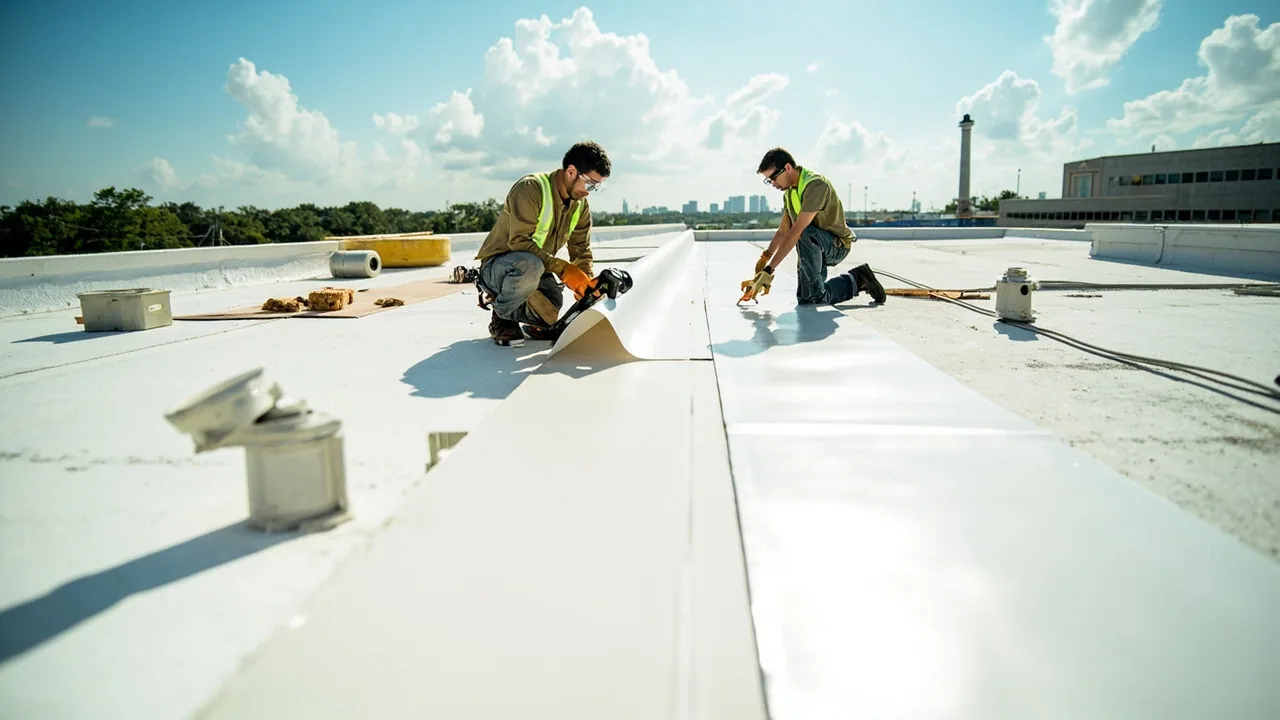
TPO seams are joined using hot-air welding. A repair depends on the condition and preparation of the actual membrane, including weathered surfaces and old patch materials. We inspect the exposed connection and use appropriate preparation and test welding for the system. The finished seam receives physical checking suited to the material. A bead of unrelated sealant over an open lap can leave the failed connection untreated and make later preparation more difficult.
Where damaged membrane will not accept a suitable connection, removal reaches material that can support the repair. We explain that boundary and inspect adjoining areas for separation or damage. PVC membrane work uses another thermoplastic material, but its components are not selected as interchangeable TPO repair pieces. The repair method and material follow the installed system's requirements, with the entire connection assessed rather than a product name assumed from color.
Underlying layers affect the choice
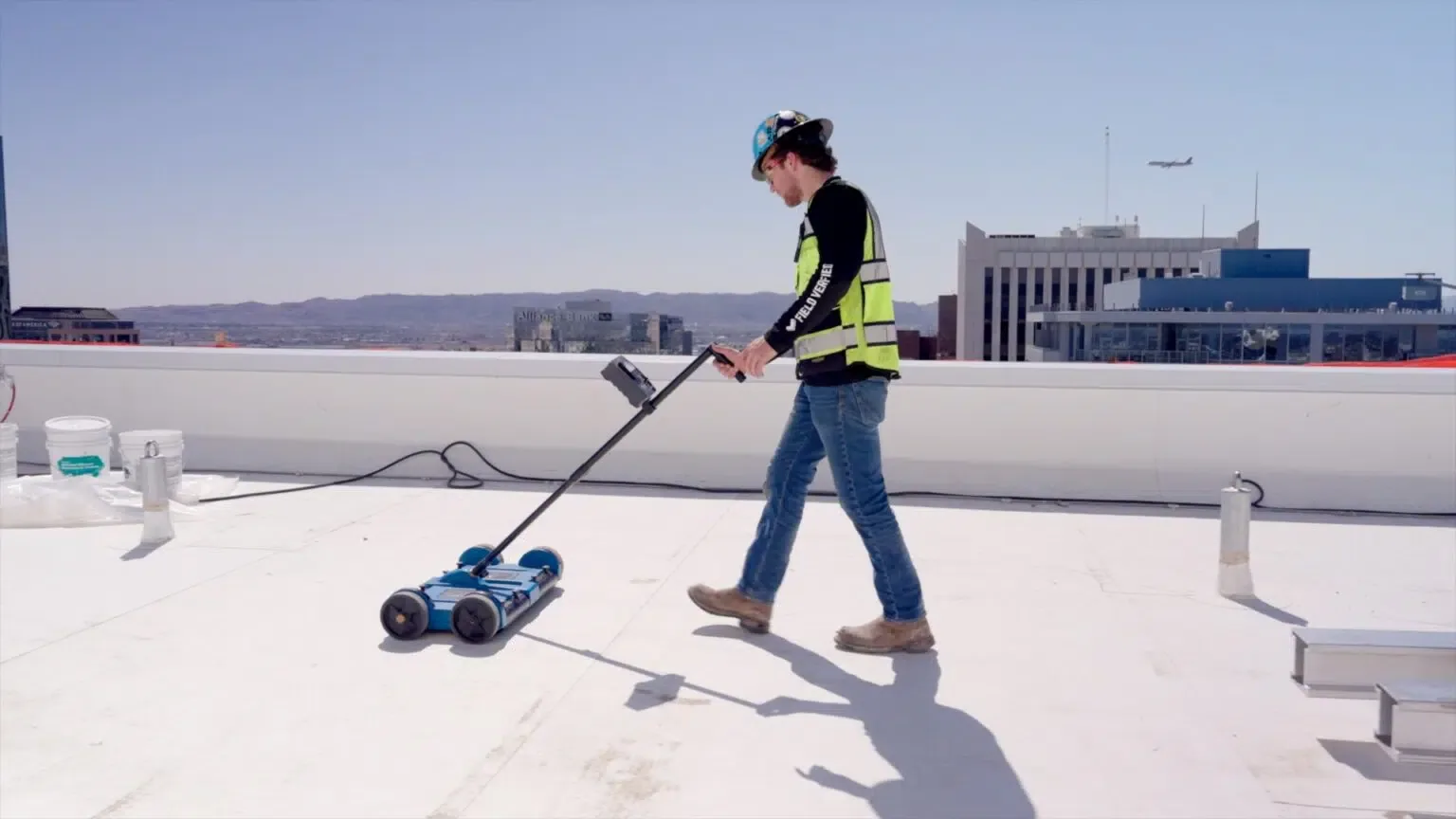
A puncture or repeated leak can leave insulation wet beyond the visible opening. We examine selected layers and assess whether the removal needs to extend into the support beneath the membrane. Moisture checks with physical confirmation can guide that investigation where suitable. A new TPO patch needs appropriate backing and surrounding material, so damaged insulation or deck cannot simply be hidden by the surface repair.
For installation, the deck, insulation and protective board are considered as part of the roof assembly. Attachment or adhesion needs a suitable substrate and the specified construction. A recover is assessed against existing layers, moisture, support and applicable requirements before it is proposed. An EPDM assembly offers a different material and connection approach; the owner's comparison should include those assembly differences alongside service needs and repairability.
Flashing turns deserve their own checks
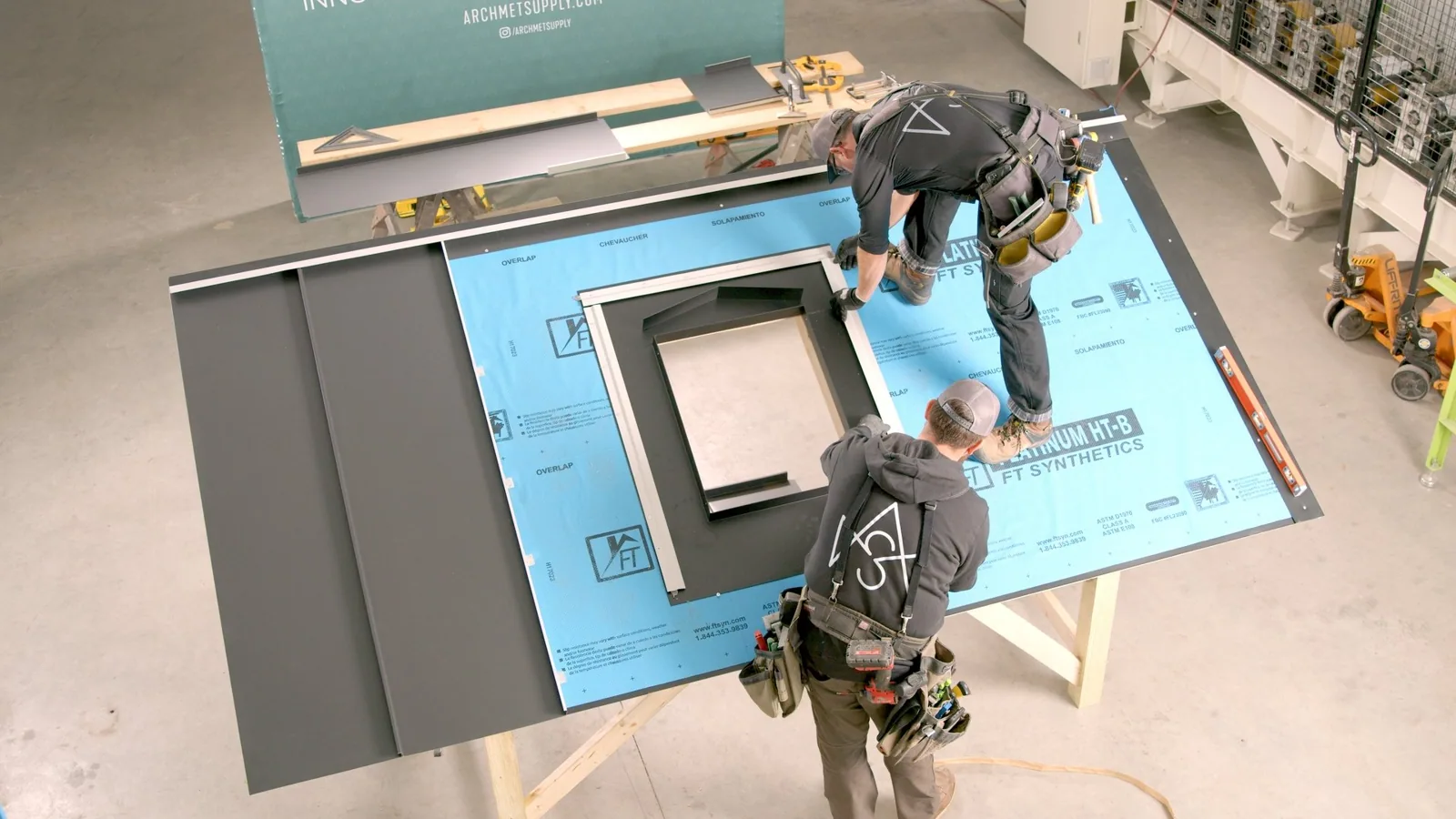
A curb corner can require more detailed preparation than an open field seam. We examine the sheet turn, reinforcement and upper termination, including portions restricted by equipment. New flashing needs room to connect without unsupported folds or movement from a loose component. Penetration flashing reconstruction may include backing or curb changes before the membrane work is completed around the prepared detail.
At a roof edge, wind-related movement can damage the membrane connection and adjoining metal. Southern California Santa Ana winds can cause property damage, making displaced components worth prompt examination. We assess the actual opening and attachment after a reported event. The repair scope distinguishes metal work from the TPO correction and shows where each reconnects to suitable support, rather than leave a repaired sheet beside a moving edge.
Drainage remains an assembly decision
A low area beside an outlet keeps water in contact with the roof longer than the intended discharge path. We inspect the drain connection and surrounding elevations before selecting the TPO work. Tapered insulation, a localized cricket or an outlet correction may be appropriate depending on the cause. A replacement membrane alone leaves the old geometry, so the owner receives the drainage change needed alongside any surface or layer replacement.
Added assembly height affects curb flashing and drain transitions. We measure available space before installation and identify details requiring extension or reconstruction. Insulation and cover-board selection is therefore linked to the finished roof's geometry and attachment. An owner can compare a local repair, recover or removal with those physical changes included, rather than choose a surface and discover its detail conflicts after work begins.
Preparation fits the occupied property
A welded connection needs a clean, accessible working area and conditions suitable for the chosen method. We plan material movement and closure for each installation area, considering weather and the operation below it. On an office roof, air intakes and service routes can influence preparation and staging. Work at a restricted curb may require equipment coordination before the welding area can be reached properly.
A property in Savi Ranch may need restaurant or hotel equipment kept accessible while roofing proceeds. We establish those actual operating limits with the owner. Service paths across the completed membrane receive appropriate protection where the assembly and route call for it. A later equipment alteration must preserve the installed connection or receive a compatible repair, keeping the roof's waterproof details usable as the building changes.
Check the connection before leaving it
A finished TPO repair needs examination of its welded perimeter and any rebuilt turn. We use suitable checks and correct incomplete connections while the area remains accessible. Useful completion views relate the repair to a recognizable curb, drain or edge. Concealed-layer corrections are recorded before closure where they affect future work. The owner receives the physical repair boundary and maintenance tasks relevant to the installed system, with any nearby condition still requiring investigation identified separately.
Questions About TPO Commercial Roofing
Can the old sealant stay beneath a welded TPO patch?
Previous material needs examination for compatibility and its effect on preparation. Unsuitable sealant or detached repairs may require removal before a reliable connection can be made. We inspect the underlying membrane and choose a boundary on suitable sheet. The proposed patch explains those preparation tasks, rather than place new material over contamination that could interrupt the weld. Preparation may include exposing a wider strip of sheet than the visible opening suggests. We explain that extra working area and check whether adjacent coatings or earlier patches would interfere with the proposed welded connection.
Why does an apparently small puncture need a layer opening?
Water or compressed insulation can extend beneath the membrane beyond the visible hole. We assess that possibility through the damage pattern and selected checks. Where affected layers require removal, the patch boundary and support repair are defined together. A surface-only correction is appropriate only where the surrounding assembly can support it and the inspected condition warrants that scope.
Can new TPO remain connected to a serviceable older area?
A suitable transition may be practical after the retained sheet, attachment and layer condition are examined. We assess preparation and connection requirements at the stopping line. Damaged or incompatible areas need a different boundary or broader removal. The owner can review that finding before choosing phased work so the new installation ends at a detail capable of receiving it.
How should a new equipment penetration be handled later?
Coordinate the opening and waterproof connection before the equipment trade disturbs the membrane. We assess support, spacing and the flashing method needed for the installed TPO assembly. Appropriate preparation and welded checks remain part of the alteration. The completed detail is identified so service personnel can avoid damaging it and a later inspection can find the changed connection.
Related Roofing Work

Examine the TPO repair boundary
Describe the Orange property's TPO damage, old repairs and operating limits. We can check the seam and layers, then explain compatible repair or installation choices. Call 555-555-5555 or request a roof assessment.