
Manufacturing Plant Commercial Roofing in Orange, CA
A flashing connection against a vibrating exhaust duct can reopen if the duct support and weather detail are corrected independently. We inspect the movement, component support and damaged membrane before defining plant roof work. Manufacturing plant roofing in Orange, CA needs those connections assessed as parts of the actual assembly. Commercial Roofers Orange explains the roofing correction and the equipment task that must precede it. The owner can compare a bounded flashing reconstruction with broader removal through the exposed opening and affected layers, with responsibilities tied to the physical work needed.
Orange establishes light-industrial and industrial-manufacturing zoning districts. The use, equipment and access of the particular plant determine its roofing constraints. Anaheim Canyon also contains industrial and business activity, offering another nearby operating-building context. We inspect the actual roof and establish the owner's process and service requirements before choosing the repair sequence. Material compatibility, drainage and retained support are considered with those limits, while the recommendation identifies the components needing correction rather than treating the plant as one uniform roof area.
Support and weather seal need coordination
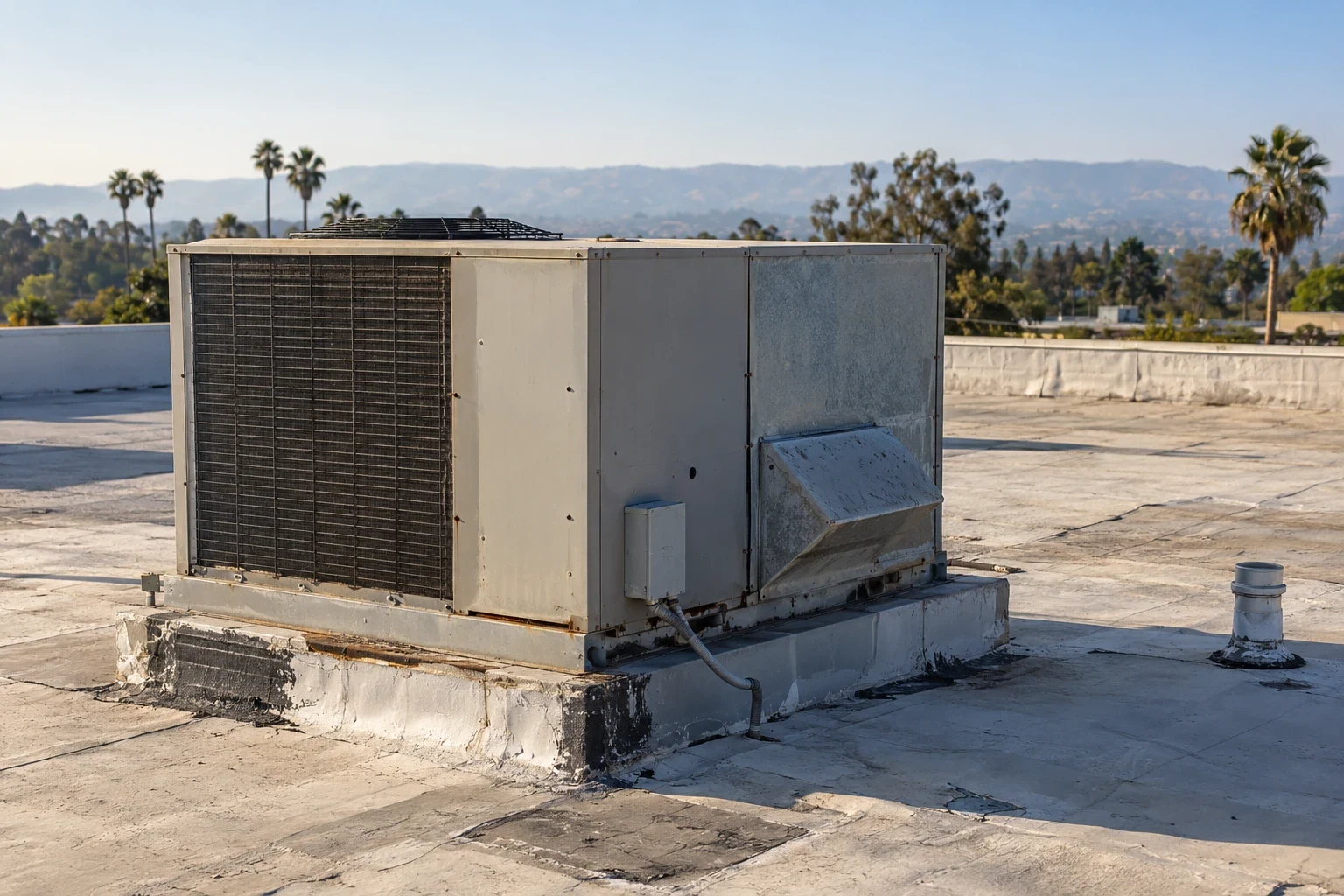
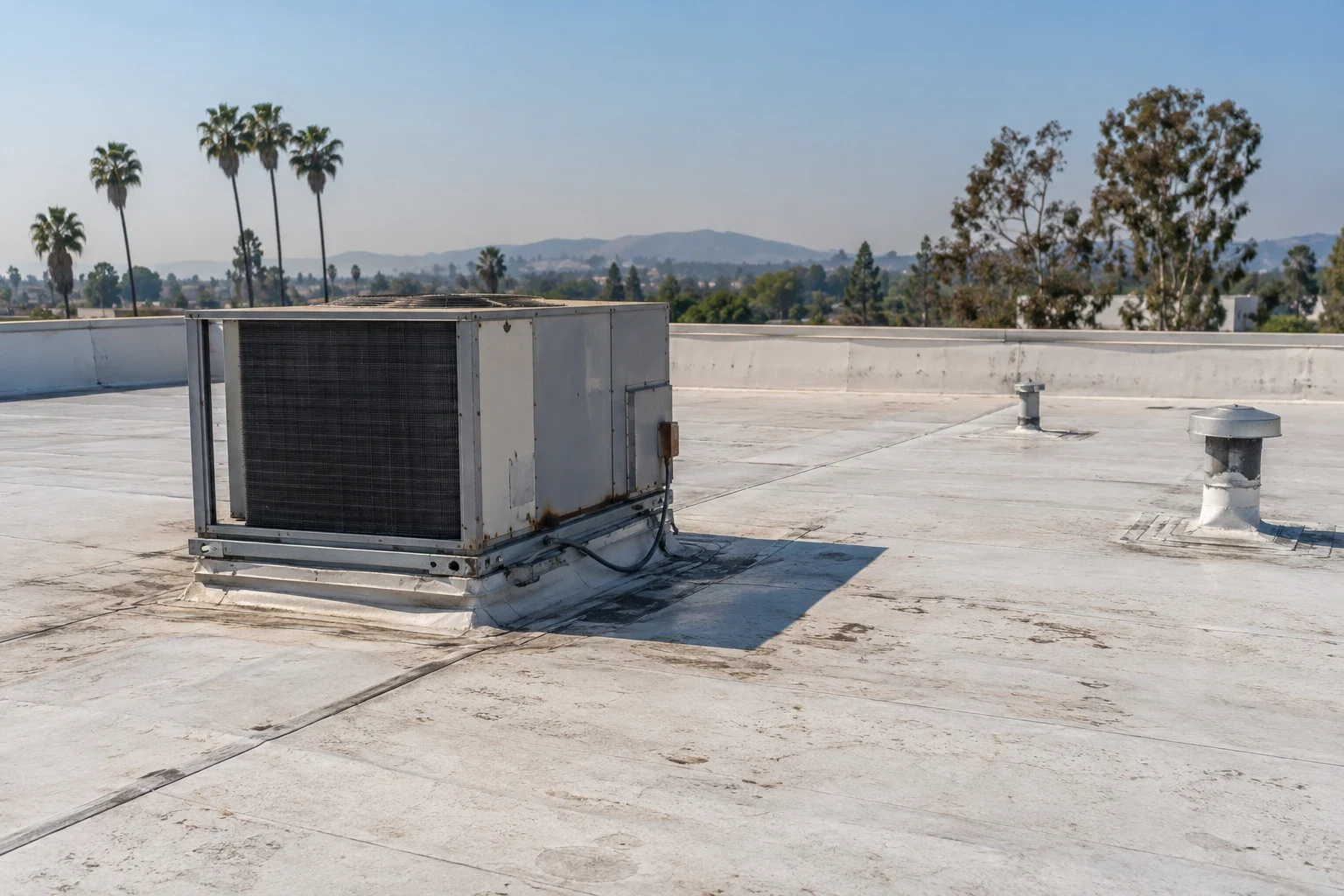
A duct's support carries loads and controls movement; the roofing connection keeps the opening weather protected. We examine where those functions meet and identify the appropriate equipment or structural assessment before rebuilding the seal. Plant equipment support and curb work can include the preparation needed for a suitable weather detail. The membrane connection follows the corrected component and selected system, with working space and movement considered before it is completed.
Temporary closure may be needed while dependent equipment work proceeds. We define that protection and the permanent detail in the scope so the owner can arrange the responsible tasks. A shifted support or altered duct location can change the repair boundary. The adjoining membrane and insulation are examined before finalizing removal, allowing the completed flashing to reach suitable material rather than leave another stressed connection beside the same moving component.
The process exposure affects preparation
Deposits near equipment can change membrane condition and the cleaning required for repair. We discuss the actual exposure with the owner and examine the affected material. Product suitability follows the selected system's requirements for that exposure, with compatible cleaning and preparation considered before new material is joined. The roofing scope identifies any operational or equipment change needed at the component, assigned to the appropriate responsible party alongside the membrane correction.
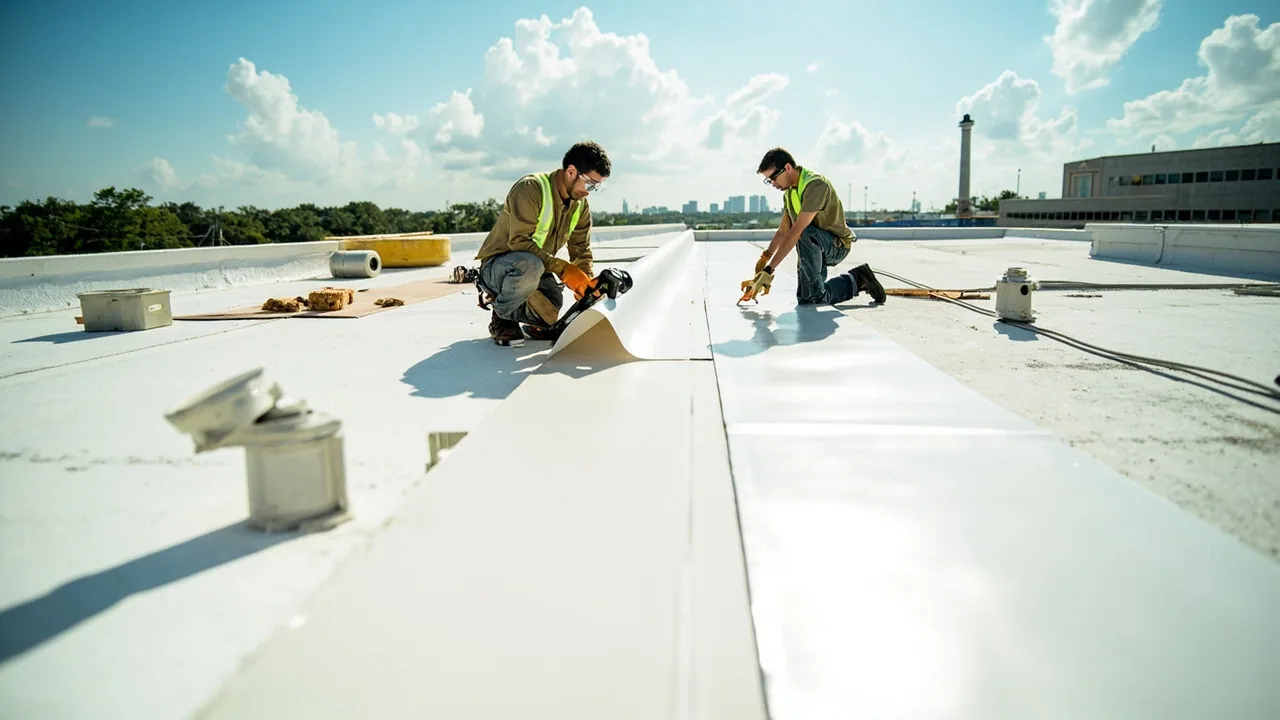
PVC roofing assembly choices and KEE membrane systems can be compared where their specified characteristics and construction suit the project. The recommendation considers the actual substrate, exposure and service needs. We explain support and detail work under each choice, including material removal and compatible connections. No single surface selection resolves every equipment condition, so the comparison includes the components and layers affected by the inspected problem.
Water entry needs a component finding
A stain above production equipment can involve a seam opening, curb failure or a water route traveling through concealed layers. We assess the relevant roof area and coordinate appropriate interior access with the owner. Finding the plant roof water route relates the complaint to the detail requiring correction. Selected material examination helps establish wet or detached layers where they affect the repair, with the observed condition used to define removal.
A local opening surrounded by suitable material can support a different scope from widespread deterioration. We identify the connection repaired and the assembly left in service. If further investigation is needed, its location and purpose are explained before a larger project is chosen. The owner can then arrange the actual protection and equipment dependencies beneath the work, comparing a bounded correction with broader construction using the same observed findings.
Operating limits define the working area
A plant may have processes, sensitive material or equipment that require particular separation from roofing activity. We establish those actual requirements with the owner before preparation or removal begins. Roof access, intakes, material movement and daily closure are considered together. Opened areas receive suitable temporary protection until permanent connections can be completed. The selected materials and method need appropriate application conditions, with project controls coordinated for the actual building and work.
For a property in Anaheim Canyon, the sequence follows its particular equipment layout and service routes. A phased project needs suitable stopping-line material and available detail space at each boundary. Distribution-related roof operations may add dispatch or storage dependencies where those functions share the building. We identify the tasks attached to each area so the proposed work is understandable through its actual preparation, correction and closure.
Replacement includes the changed geometry
Broader plant roof work needs assessment of deck condition, insulation and suitable attachment. Structural and load decisions are coordinated with the responsible professionals where required. Added assembly height can change curb flashing and drain transitions. We measure those dimensions before selecting the field construction. The comparison includes removal or retention of existing layers and the detail alterations needed to complete the new roof, so equipment components fit the finished assembly rather than the old surface height.
At a plant adjoining warehouse roof construction, the transition between uses and roof portions deserves examination. Different elevations or equipment can influence the joint and sequence. The owner receives a description of retained connections and components reconstructed under each scope. Local repairs, suitable recover and removal are considered against observed condition and applicable requirements, with the physical boundary of each choice established before work begins.
Completion follows the repaired component
A rebuilt duct detail needs examination of its membrane connection after the component is ready. We inspect suitable seams, terminations and altered support interfaces, with checks appropriate to their construction. Useful photographs locate repaired areas and important concealed findings before closure. The owner receives the completed scope and maintenance attention points tied to the plant's actual service routes, drains and equipment details. Those views help later inspection find the work without confusing adjacent retained components with the repair.
Equipment service can introduce new movement or openings after roofing is completed. We explain how future alterations should be coordinated before the weather detail is disturbed. Appropriate access protection is considered where service traffic crosses the assembly. If water entry returns, investigation follows the present component condition and water route. The resulting repair choice addresses that finding, using the earlier completion information to understand the changed area and material still in service.
Questions About Manufacturing Plant Commercial Roofing
Why coordinate duct support before repairing its flashing?
A moving component can continue stressing a new weather seal. We inspect the support and roofing connection, then identify the responsible equipment or structural work needed. Permanent flashing follows the corrected detail, with compatible preparation and suitable movement allowance. The owner receives that sequence and temporary protection requirements so the component repair and roof closure can be arranged together.
Can roofing materials be chosen before process exposure is reviewed?
Exposure and the actual assembly affect compatibility and preparation, so they are assessed before suitable repair or replacement materials are selected. We examine deposits, existing treatments and the component arrangement with the owner. Product requirements guide the recommendation. The scope explains the membrane choice and any dependent cleaning or equipment task needed at the affected area.
What information helps define a practical plant work area?
Identify affected roof locations, operating access, intakes and equipment or processes needing coordination. We inspect those relationships and establish suitable preparation and closure boundaries. Concealed condition may change the removal extent, which is explained through the findings. The owner receives the actual tasks for each work area, allowing dependent protection and equipment activities to be arranged before openings are made.
How should recurring water entry above machinery be investigated?
The interior complaint is related to relevant roof details and the path water may follow through the assembly. We coordinate suitable access and examine seams, curbs and selected layers. Observed condition establishes the repair and removal boundary. The recommendation explains the corrected connection and any broader investigation or material work needed, with protection below arranged for the particular affected area.
Related Roofing Work

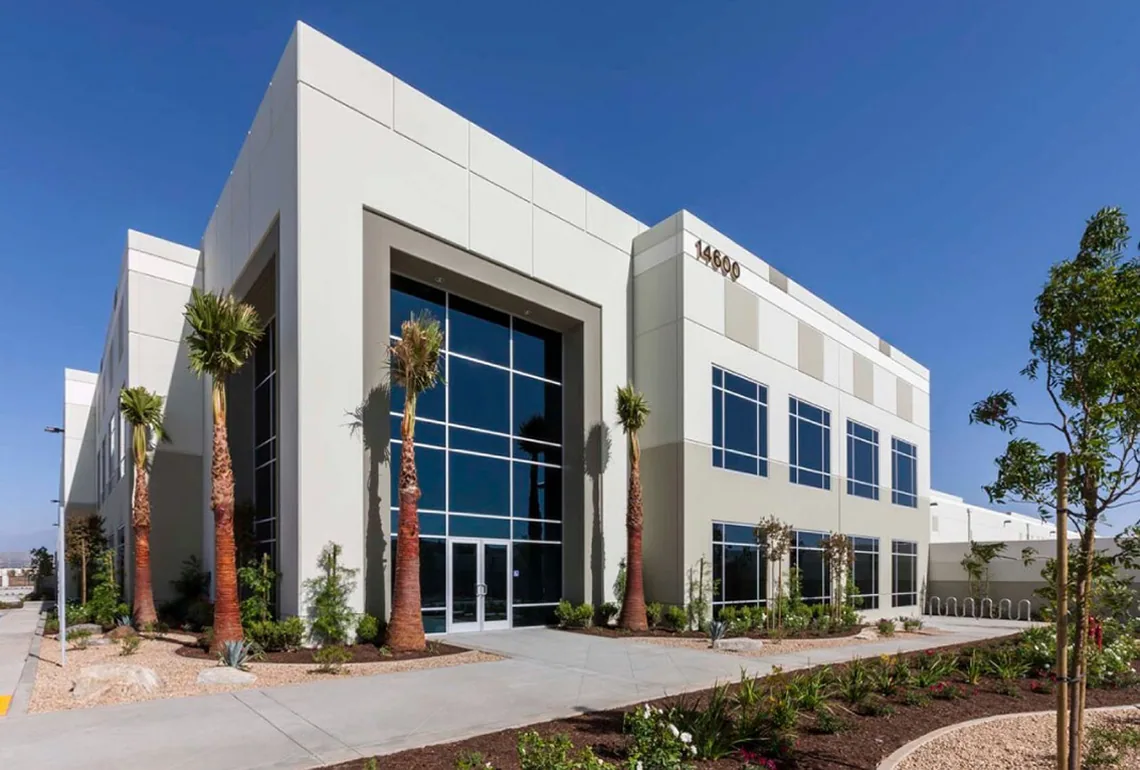
Examine the plant equipment connection
Describe the Orange plant's damaged details, exposures and operating limits. We can inspect the assembly and explain roofing work and equipment dependencies. Call 555-555-5555 or request a roof assessment.