
Commercial Roof Replacement in Orange, CA
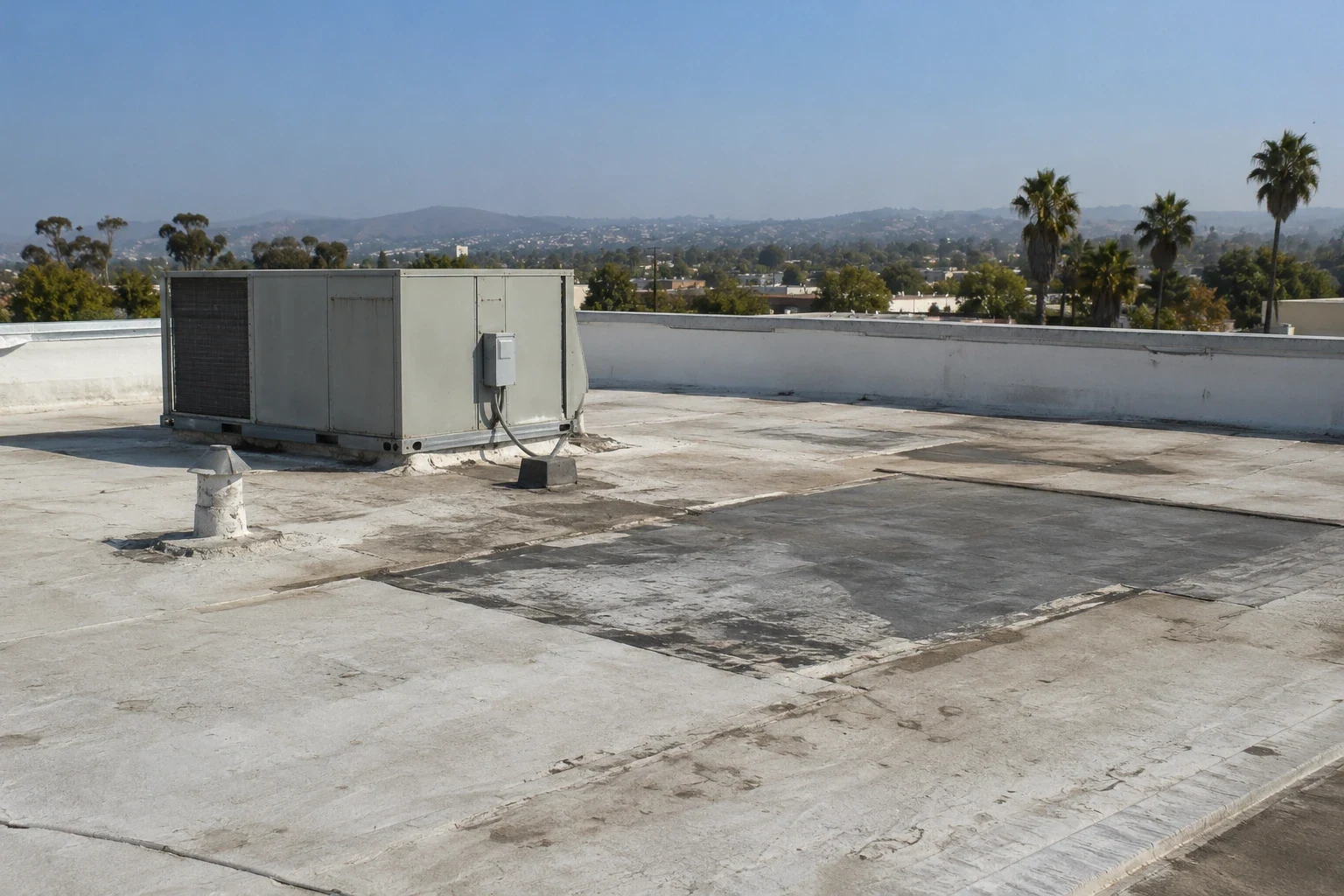
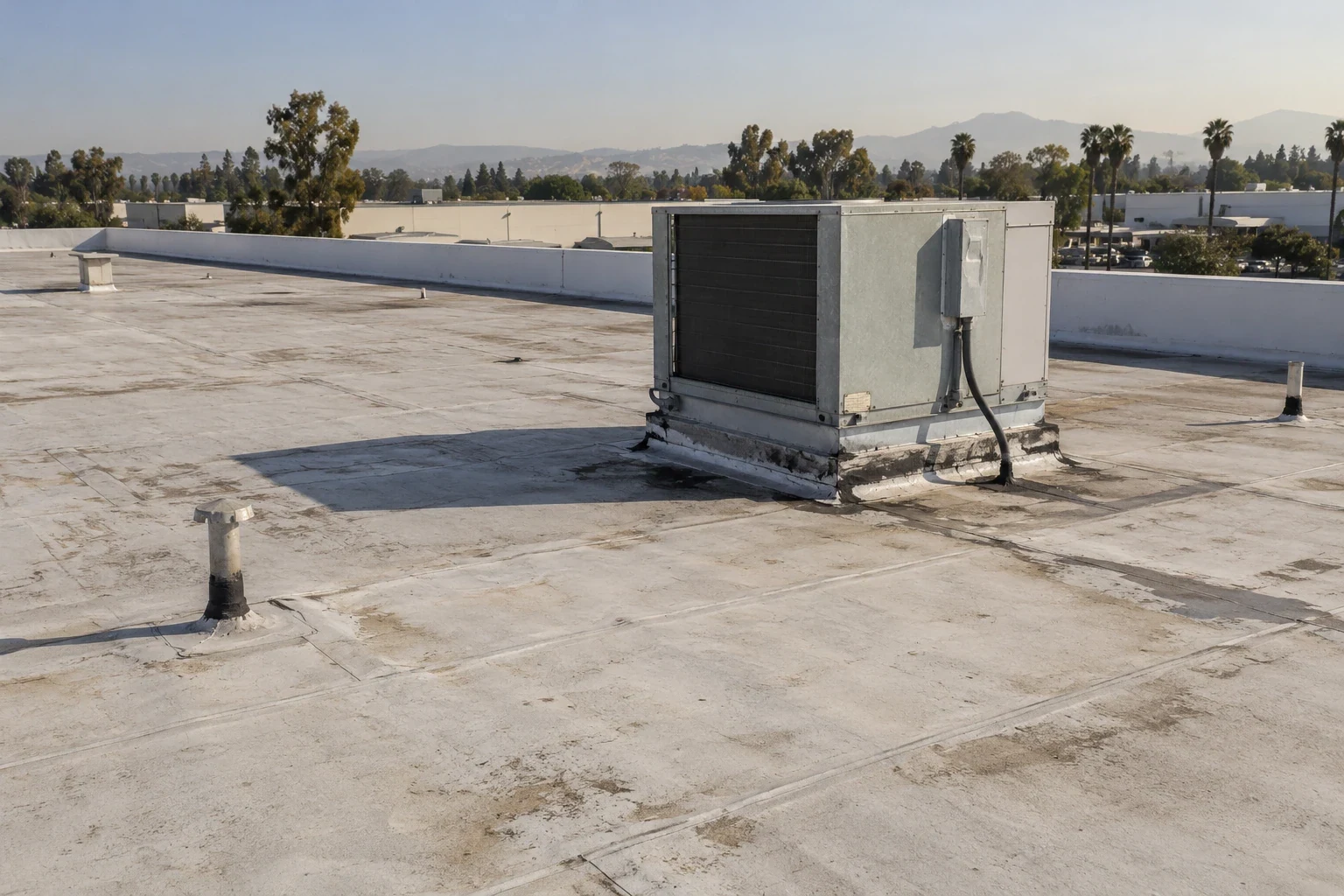
A broad blister beside a patched drain can point to damage beneath the surface. We check the membrane bond, open selected areas and inspect the insulation before recommending removal. For an owner in Orange, CA, the useful question is how much sound material remains and what a new assembly needs to correct. Commercial Roofers Orange compares those findings with the drainage, attachment and operating demands of the building. A replacement scope should explain which layers come out, what supports the new roof and how each exposed area will be closed.
For a building among Old Towne Orange's historic commercial blocks, replacement planning includes visible edge details and pedestrian protection below active storefronts. A roof replacement there needs careful treatment of visible edges and protection for the activities below. The Katella Avenue/Main Street area includes warehouses and general-industrial properties beside restaurants and mixed-use buildings. For an industrial property in that corridor, loading access and equipment operation can affect the removal sequence. We inspect the actual building before setting that sequence, then use condition photographs to show why the proposed work stops at a particular boundary.
Removal follows layer condition
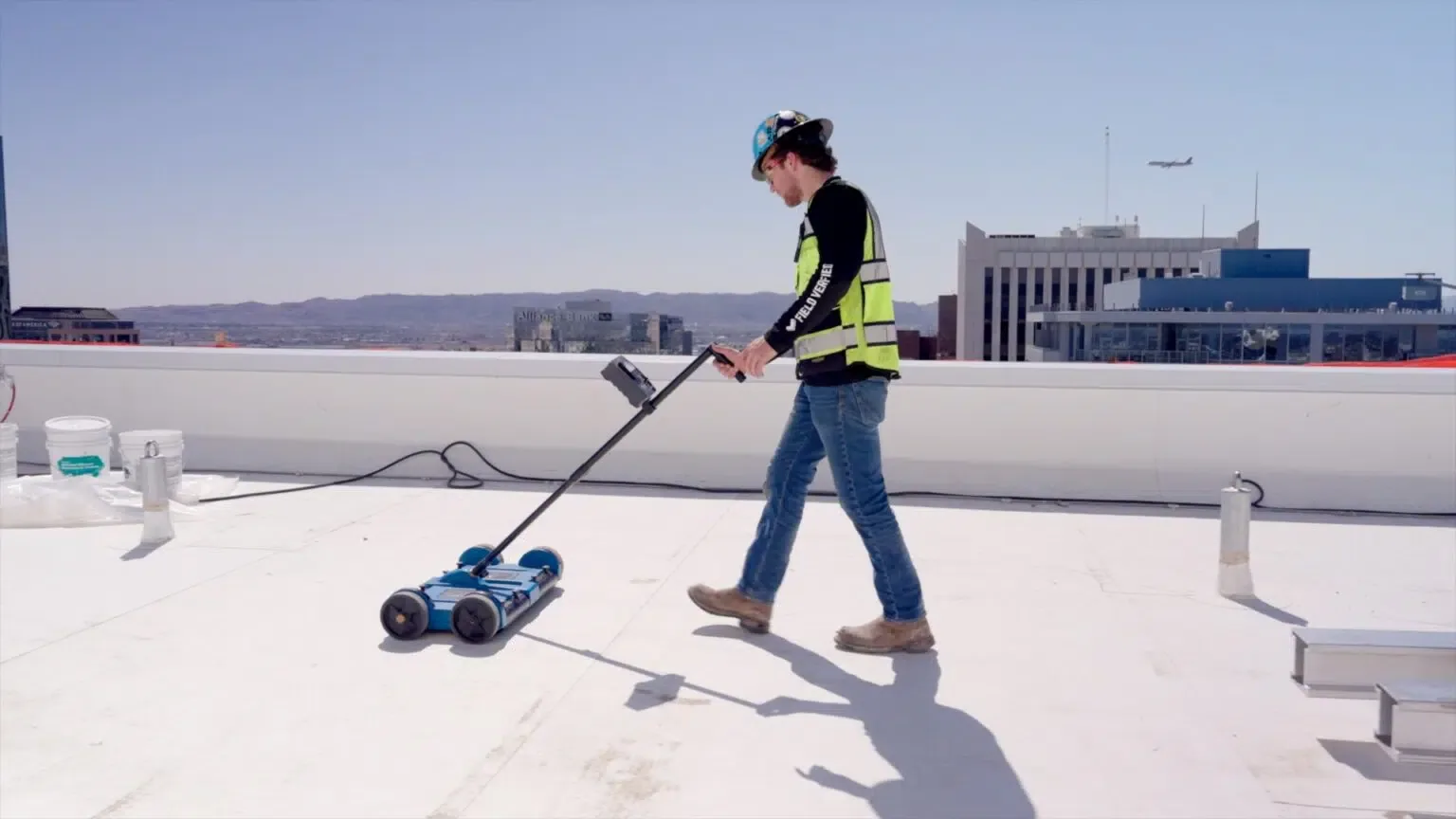
A membrane can look worn while the insulation below remains firm, or look intact above concealed moisture. We examine previous patches, seam separation, soft areas and the connection between the roof and its deck. Selected test openings establish the layer arrangement and let us assess the materials that would otherwise remain hidden. An infrared moisture survey with physical checks can help locate areas for further investigation when the roof assembly and weather support the method.
Widespread wet insulation, loss of attachment or incompatible accumulated layers can make replacement more useful than repeated surface repairs. A confined opening with dry surrounding materials may still support a smaller repair. We explain the distinction through a comparison with a defined repair, including what the limited work leaves in service. The purpose is to choose an assembly that can perform, rather than remove material solely because it has reached an assumed age.
The exposed deck needs attention
Corrosion, deteriorated wood or damaged concrete changes the replacement work. Once the roof is opened, we inspect the deck for conditions that affect support and fastening. Roof removal and structural repair have different responsibilities; an area requiring engineering review needs that review before the new assembly covers it. The owner receives the location and extent of the finding so the repair can be resolved while the deck is accessible.
Fasteners need a suitable substrate, and adhered materials need surfaces that meet their installation requirements. We assess those requirements alongside the proposed insulation and protective cover board. Layer thickness affects drain elevations, flashing heights and transitions to neighboring roof areas. A thicker assembly cannot simply be pushed beneath an existing low curb. We identify those conflicts before installation and explain whether the curb, drain detail or assembly design must change.
Drainage shapes the new assembly
A shallow depression holding water calls for an examination of slope, outlet elevation and drain condition. Removing the roof creates an opportunity to correct some drainage problems, but the correction must match the structure and available discharge points. We assess tapered insulation, crickets behind wide curbs and transitions near drains where appropriate. Persistent standing water needs its own cause addressed rather than another membrane placed over the same depression.
Orange adopts the 2025 California Building Code with municipal amendments. Replacement design needs the applicable requirements checked for the particular project, including assembly selection and attachment. California's 2025 energy standards apply to permit applications submitted from January 1, 2026. We connect that review to the actual insulation and surface decisions. A code review becomes useful when it changes the assembly being installed or identifies work needed at an existing detail.
Open work stays manageable
An exposed roof area needs weather protection before work advances elsewhere. We divide removal into areas that can receive the planned temporary or permanent closure under the conditions present. Equipment, material staging and debris removal must leave safe routes for people below and avoid overloading the roof. For warehouse roof replacement, the work sequence also considers delivery doors and stock that could be affected by debris or water entry.
Odor, vibration and dust require separate attention on an occupied building. We identify intake locations, sensitive rooms and operating restrictions before choosing the work method. An owner near Old Towne Orange may need pedestrian protection below an edge; an industrial owner may need a clear loading route. Those conditions determine the starting area, material route and protection needed for occupied operations.
Check the finished transitions
A new field membrane can be sound while a poorly fitted termination admits water. We inspect completed seams, drain connections, wall transitions and penetrations as the work progresses. The checks follow the chosen system, including seam probing or other appropriate installation checks. Conditions needing correction are addressed before a completed area becomes difficult to reach. Equipment service paths also need protection so subsequent traffic does not immediately damage the new surface.
The completion photographs focus on details the owner needs to track: concealed repairs before closure, replacement flashing boundaries and finished drainage transitions. We explain the maintenance tasks that preserve those details, including keeping outlets clear and reviewing any later equipment work. A future leak investigation benefits from knowing the installed layer arrangement and where an old assembly meets a new one. That information belongs with the building's roof records because it guides a physical decision later.
Questions About Commercial Roof Replacement
Does a soft spot require removing the entire roof?
A soft spot warrants a physical check of the affected layers and the deck beneath them. We establish whether moisture or deterioration is confined or extends into neighboring areas. Where dry, secure material remains, a limited removal may be reasonable. Extensive weakness can support a broader replacement. We show the inspected boundaries and explain which remaining conditions a smaller scope would leave unresolved. We also examine any nearby drain restriction that could keep feeding water into the affected layers.
Should equipment be replaced before the new roof goes down?
Equipment changes are best coordinated before we complete the surrounding flashing. Different curb dimensions or service connections can force fresh cuts in a newly installed assembly. We review planned equipment work with the owner and the responsible trade, then establish which supports or curbs need alteration. Equipment that stays in place still needs its access, clearances and waterproofing connections assessed during replacement.
Can we select the membrane before the test openings?
Selecting a preferred surface early is possible, but the complete assembly needs the concealed findings. Attachment, insulation, cover board and flashing must work together on the existing building. We compare suitable systems after the inspection establishes the substrate and drainage conditions. That approach helps avoid choosing a membrane package that later requires unexpected changes at drains, curbs or roof edges.
What makes two replacement proposals materially different?
Removal depth, deck allowances and detail reconstruction can change the work substantially even when the visible membrane is similar. We explain the included layers, disposal, drainage changes and flashing replacement in direct terms. An owner can then compare the same physical scope. A proposal that retains suspect insulation or reuses failed edge components carries different responsibilities from one that removes and corrects them. Disposal routes, temporary closures and the handling of an uncovered deck also deserve comparison. Those tasks affect the building during construction, even though they are not visible in a photograph of the finished membrane. We identify them before the owner approves the removal sequence.
Related Roofing Work

Describe the failing area
Tell us where the Orange property is, what you see on the roof and which operations need protection. We can inspect the layer condition and explain the replacement choices. Call 555-555-5555 or request a roof assessment.