
KEE and PVC-Alloy Commercial Roofing in Orange, CA
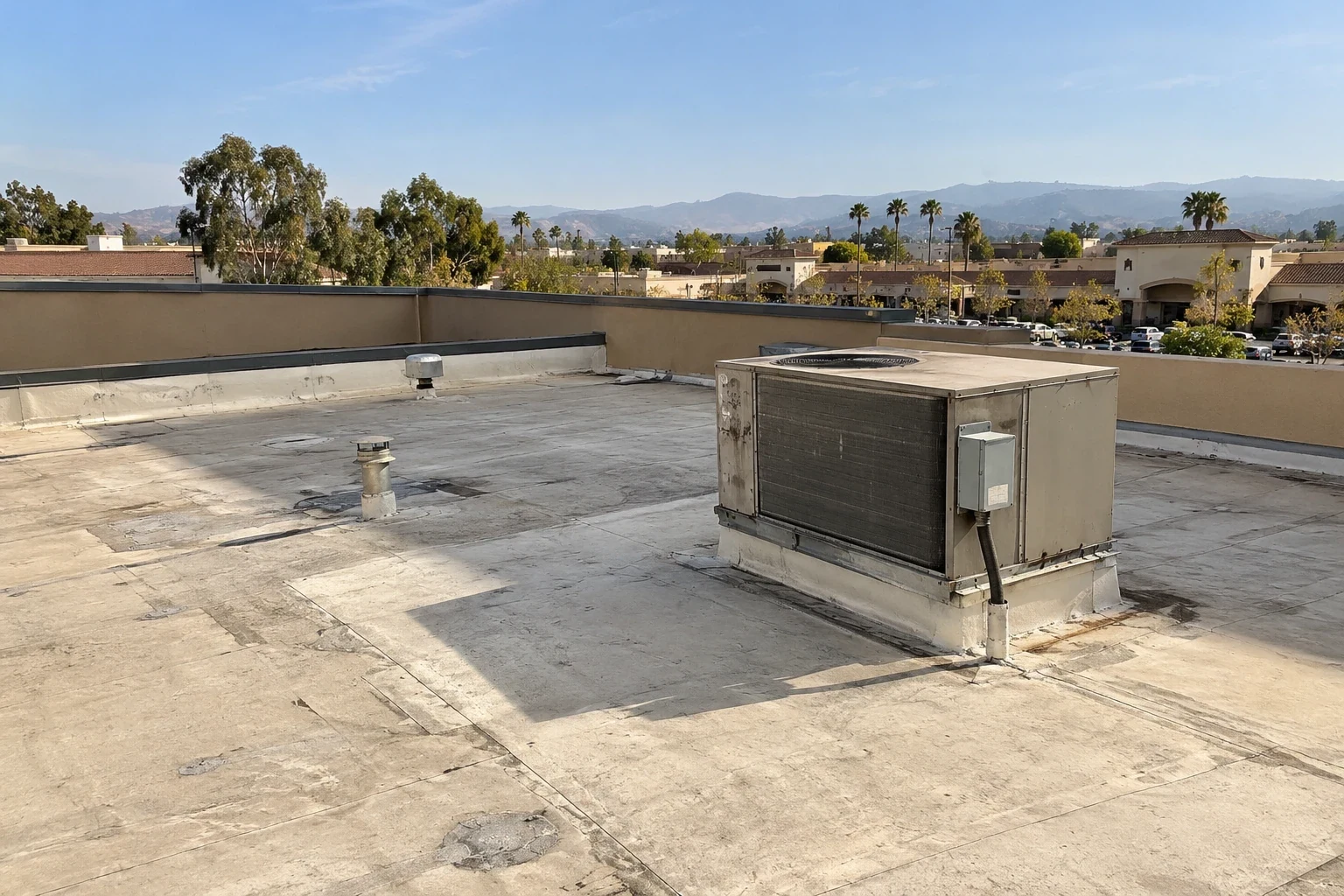
A removed pipe can leave its old KEE flashing collar standing around an opening that no longer serves the building. We examine the closure below that collar and decide whether the redundant detail should remain or be rebuilt into the roof field. KEE and PVC-alloy roofing in Orange, CA needs alterations that leave suitable support and compatible connections after equipment changes. Commercial Roofers Orange explains the removal boundary, backing and new membrane perimeter needed at the abandoned opening. The owner can compare that reconstruction with retaining a raised detail that still needs inspection and maintenance.
Orange's industrial zoning includes light-industrial and industrial-manufacturing districts. Equipment exposure and access can affect the roofing work at an operating property in those districts. Historic South Main in Santa Ana includes older retail activity and smaller businesses, bringing another occupied-building setting to the comparison. Villa Park has a small shopping center beside civic and library uses, where roofing access also needs coordination with occupied space. We examine the particular membrane and altered details before selecting KEE work, then connect the repair sequence to the service restrictions the owner identifies.
Existing treatments define preparation
A patch spanning bare sheet and an older coating needs more than a uniform cleaning pass. We inspect where each treatment begins, how it is attached and whether suitable joining material can be exposed. Unsuitable residues may require removal or a changed repair boundary. The selected method follows the installed assembly's requirements. That preparation is included in the scope, so the owner can see why the repair reaches beyond the visible crack.
KEE and PVC-alloy systems use specified membrane formulations and compatible components. We establish the assembly identity and condition before choosing patch material. PVC membrane repair choices offer a useful comparison, while the actual KEE system governs its own connection requirements. A roof carrying several generations of patches can need different preparation at adjacent areas. We explain those differences by location rather than treating the whole surface as uniformly ready for another layer.
Welding needs accessible boundaries
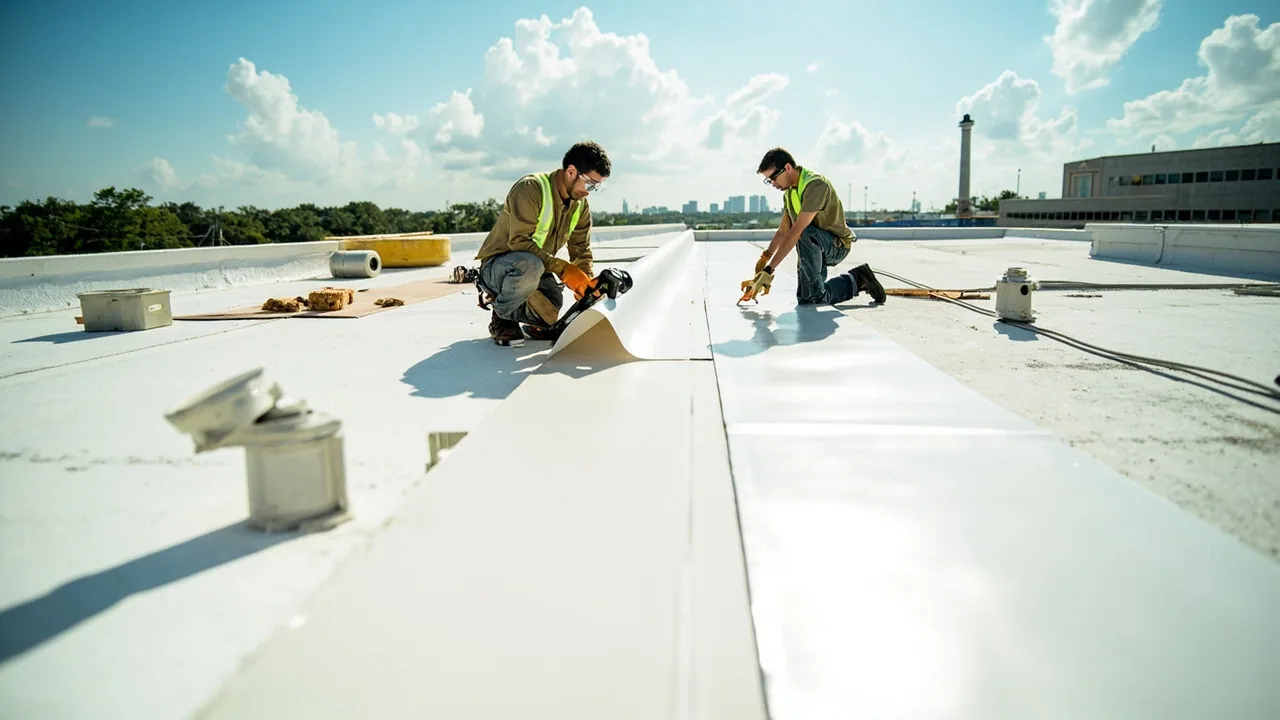
A serviceable thermoplastic connection requires suitable membrane, preparation and working conditions. We examine the proposed perimeter and use the appropriate welding procedure and checks for the system. Restricted corners or crowded equipment can make a connection difficult to prepare. The work may need a revised detail or equipment coordination before the membrane is joined. Those tasks are established before the repair area is opened and access becomes more limited.
An owner's broader material comparison can include TPO installation and repair, with its separate compatibility and assembly requirements. We explain the relevant differences without substituting one material's components for another. The repair recommendation identifies the sheet and flashing to be retained, the new compatible components and the finished connection that will be inspected. Physical checking remains part of completion even where the welded line looks smooth from a distance.
Exposure changes component choices
A deposit around exhaust equipment can affect the roof surface and the preparation needed nearby. We assess the type of exposure with the owner and examine membrane condition, prior repairs and the surrounding details. The selected KEE or PVC-alloy product needs suitability for those conditions under its requirements. Cleaning or an exposure-control change may belong alongside the roofing work, with responsibility assigned to the appropriate building operation or trade.
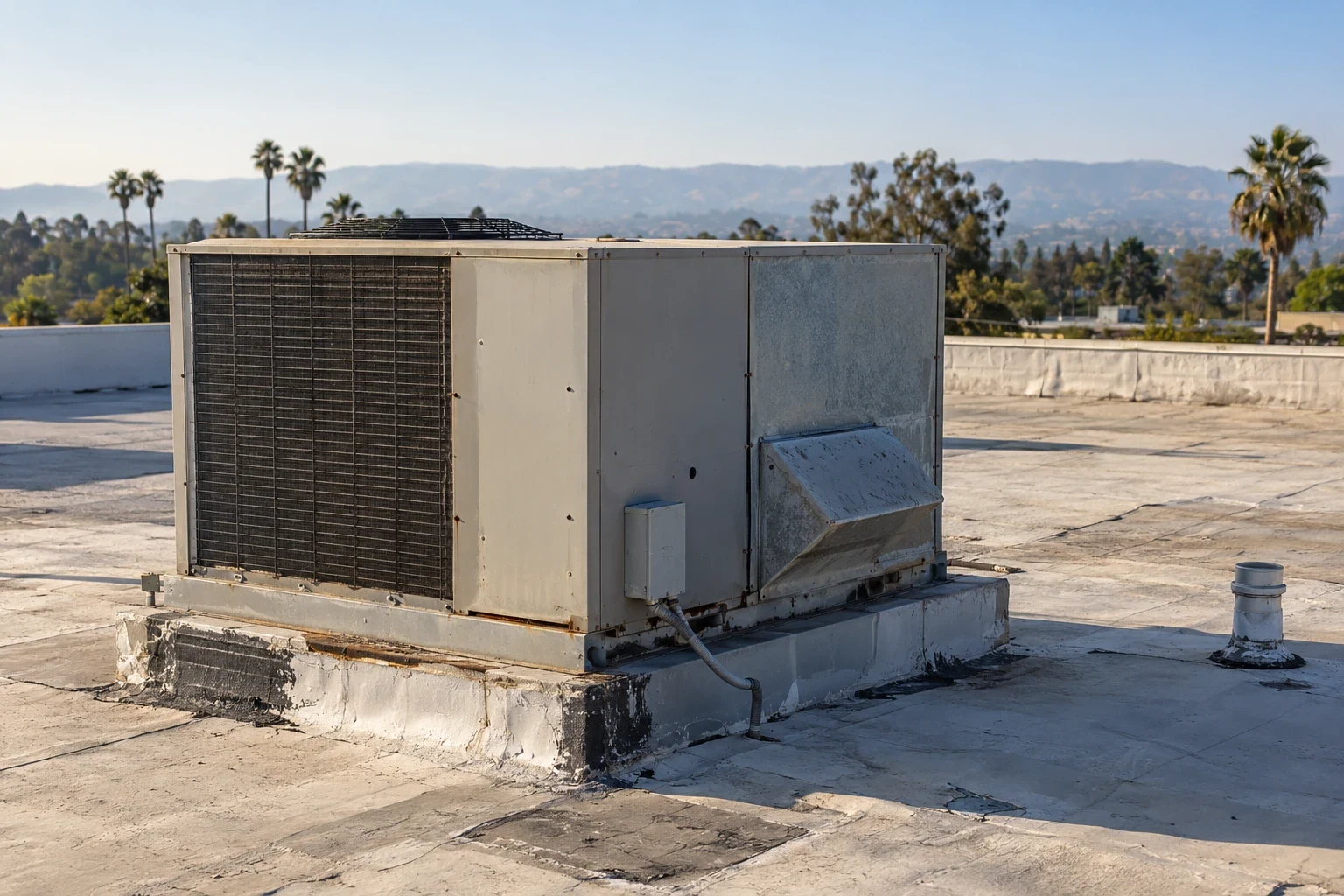
Equipment movement can also strain a previously repaired penetration. We examine the support and weather seal separately, checking whether a loose component will continue moving against new flashing. Equipment support and curb corrections may be needed before closing that connection. A compatible sheet alone cannot correct a displaced support. The repair comparison therefore includes the physical cause of the damaged detail and the preparation needed to form its new perimeter.
Layer condition determines retention
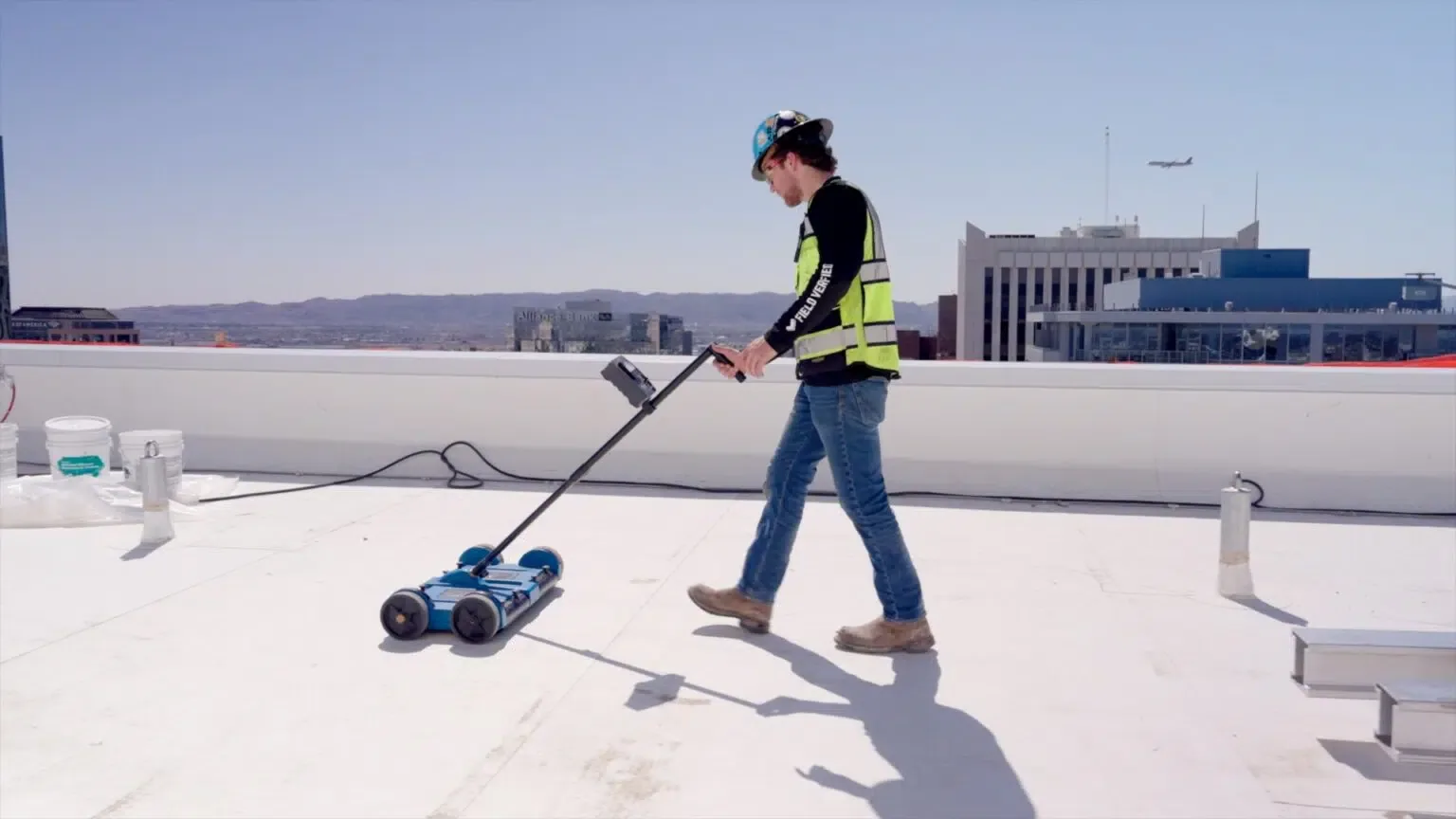
Water entering an exposed seam can wet material beyond the opening. We examine selected layers and establish whether the repair needs underlying removal. Attached, dry layers present a different retention choice from soft boards or detached material. Moisture investigation and layer confirmation can assist where the assembly and conditions support it. The recommendation uses the observed condition to define the material replaced beneath the new membrane.
A proposed recover needs a wider assessment of attachment, existing layers and applicable project requirements. The owner can compare local KEE repair, a suitable recover or removal where the roof's condition warrants it. Each choice explains the support left in service and the changes needed at adjoining details. If additional height affects a curb or drain, that geometry is addressed in the assembly plan rather than left for the installer to resolve after the surface is covered.
Outlets and walls need complete details
A drain transition receives concentrated water and needs a compatible, well-supported connection. We inspect the membrane edge, outlet hardware and surrounding elevations before selecting repair work. A low area can require a drainage correction as well as new sheet. At walls, suitable termination support and available flashing height affect the finished detail. The owner sees those relationships in the work comparison, including metal or backing changes that accompany the membrane repair.
California's 2025 energy standards govern permit applications submitted on or after January 1, 2026. We review applicable assembly requirements when broader work is proposed. Insulation, surface properties and project scope are considered with the relevant design and permit process. A repair decision still begins with the damaged component and retained layers. The applicable requirements are then connected to the actual assembly being repaired or installed, including any changes needed to support its finished height.
Closure fits the operating building
Preparation near an occupied intake or service route needs planning around the building's actual operation. On a retail center roof, equipment and access restrictions can influence material movement and the daily closure area. We discuss those limits with the owner and prepare the sequence accordingly. Open details receive suitable temporary protection, and permanent welding proceeds under conditions appropriate to the installed materials.
For a property in Santa Ana, the working arrangement follows the affected business and roof access. Completion includes inspection of the new membrane perimeter and rebuilt transitions. Useful photographs locate repaired areas and important layer findings before closure. The owner receives maintenance attention points for the installed assembly and any retained condition needing follow-up. Later equipment alterations should preserve the compatible connection or receive a planned roofing correction at the changed detail.
Questions About KEE and PVC-Alloy Commercial Roofing
Why might an old coating widen a KEE repair?
The new connection needs suitable membrane at its perimeter. An earlier coating can interrupt preparation or joining, depending on its material and condition. We examine the treated area and identify where a compatible connection can be made. Removal or a broader patch may be needed to reach that boundary. The scope explains the preparation and the serviceable sheet retained beside it.
Are all PVC-alloy patches interchangeable with KEE sheet?
The installed system's components and joining requirements determine material suitability. We identify the membrane and previous treatments before selecting repair pieces. A compatible patch also needs suitable preparation and support. The recommendation states the connection approach and the physical checks needed at completion, keeping the material choice tied to the actual assembly rather than its surface color.
Can exhaust cleaning and membrane work happen separately?
They can be distinct tasks, but their sequence needs coordination when deposits affect the repair surface. We examine the exposed membrane and identify suitable preparation before joining. Cleaning methods should fit the material and avoid damaging the connection. The owner receives the required sequence and any equipment or operating changes needed to keep the repaired area accessible and suitable for service.
What should the owner compare when recover is proposed?
Compare the retained layers, observed moisture condition, attachment and the details changed by added height. We explain the roof support and correction work included in each option. A recover needs a suitable existing assembly and compliance with applicable requirements. Where retention is unsuitable, removal can address the damaged layers and provide a different basis for rebuilding drains, flashing and the membrane field.
Related Roofing Work
Review the treated membrane boundary
Describe the Orange roof's KEE repairs, existing coatings and equipment exposure. We can examine the layers and explain suitable preparation, repair or replacement choices. Call 555-555-5555 or request a roof assessment.