
Commercial Roofing in Tustin, CA
A small opening at a pipe boot can send water across insulation before it reaches a ceiling. In Tustin, we inspect the roof around the symptom, including membrane seams, curb flashing, parapets and drains, to locate a repair boundary that is supported by the assembly. The city borders Orange and North Tustin to the north, Irvine to the south and east, and Santa Ana to the west. That connected area brings varied building uses; the roof itself still determines the repair. Our commercial roof inspection records what was seen and what remains concealed.
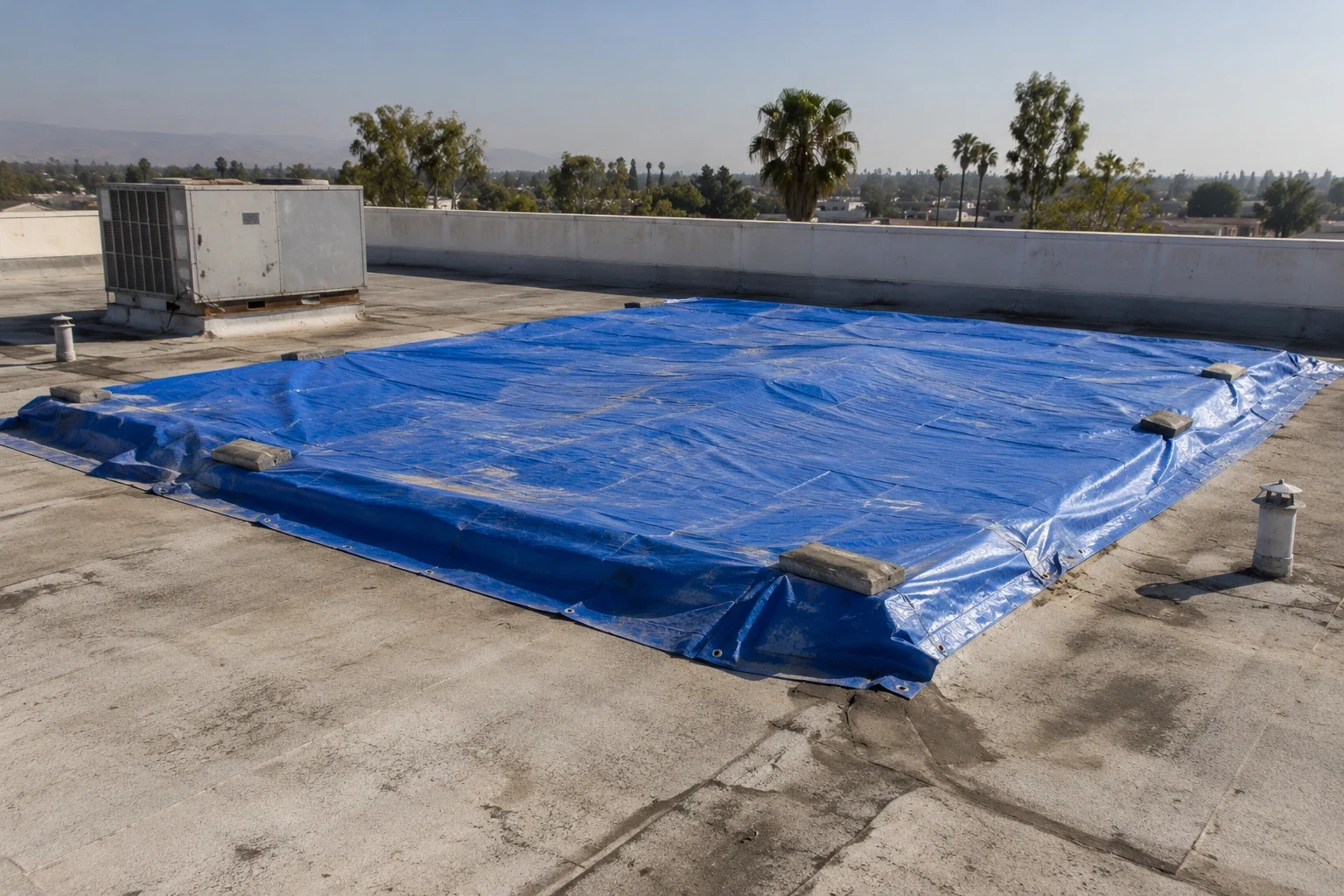
Tustin has low summer rainfall and wetter winter months. Long dry periods can leave drain restrictions or open seams unnoticed until rain returns. Before the wetter season, an owner may want a review of outlets, penetrations and edge metal, especially where repairs have accumulated. A seasonal roof check looks for restricted drains, open seams and worn edge details before rain returns. We inspect the surface, test suspect details and compare roof observations with interior evidence. If water is active, emergency roof response can limit exposure while the permanent cause is confirmed.
Tie the work plan to building operations
Tustin employers in 2024 included SchoolsFirst Federal Credit Union, Foothill Regional Medical Center and Avid BioSciences. We use the building contact's operating requirements to plan access, noise and protection below, then identify the installed assembly through records and inspection. A medical office may need entrances protected; a research or office property may need rooftop equipment left in service. The actual work area, rather than a business label, sets the sequence. A written roof condition report describes the roof condition by section and gives facilities staff a record they can use at the next review. The adjoining Orange service area is also within our local coverage.
Before opening material, we ask about sensitive rooms, scheduled deliveries and any contractor access already planned on the roof. We identify where debris can be controlled and how an open section will be covered if conditions change. If a test cut is useful, we explain its location and restoration. If no opening is needed, close photographs and seam checks may answer the question. The owner receives a plan that distinguishes routine inspection from intrusive testing, with any needed access coordination named before crew arrival.
Prepare drains and details for winter rain
Low summer rainfall can allow leaves, dust and discarded fasteners to collect at drains before wetter winter months. We clear and inspect the strainer, check the bowl and clamp, and follow the surrounding slope toward the outlet. The roof drain and scupper inspection also looks for membrane stress around standing water and for a scupper or overflow route that may be blocked. Debris removal can restore flow; it will not repair a cracked sump or failed flashing. The work record says what was cleaned and what needs a separate repair.
A roof that drains slowly may have a restricted outlet, a depressed field or a change in slope where an addition meets the older assembly. We mark the affected section, compare water lines with seams and note how long water remains after the flow path is restored. Any slope correction needs to preserve drain access and account for the assembly beneath. We do not specify fill based only on a puddle photograph. Where repeated ponding may have stressed the roof, the inspection checks nearby laps and insulation before deciding whether a localized repair is enough.
Test seams, flashings and penetrations
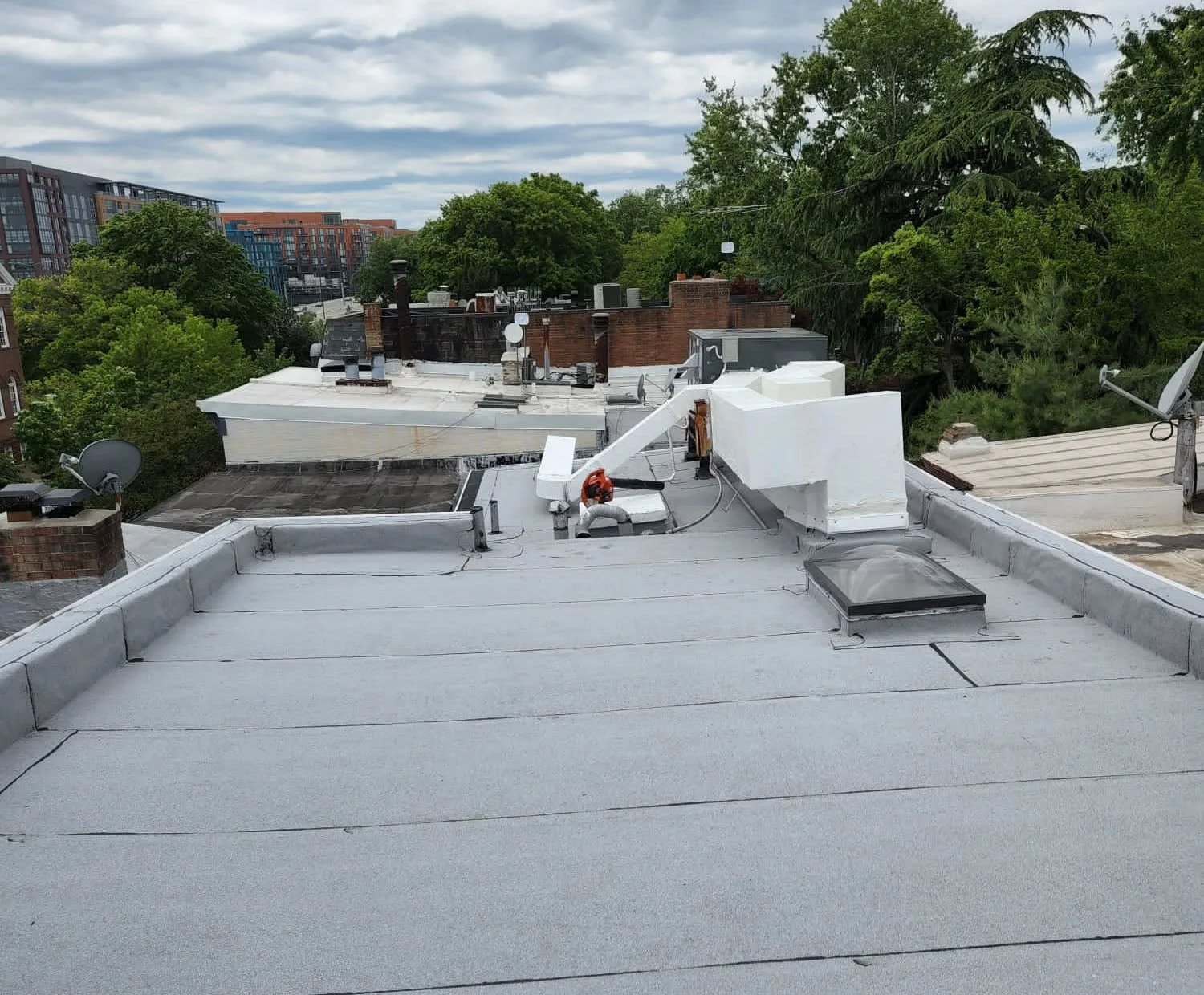
A seam probe can reveal an open weld that is difficult to see from the access hatch. Around pipes, skylights and curbs, we inspect the flashing height, corners, termination and condition of the membrane at the base. At wall lines, coping and counterflashing need secure laps that direct water out rather than behind the assembly. The commercial roof leak repair starts with these roof-level details and uses the interior stain as a clue, not a diagnosis. We photograph the defect in context and test adjacent material before setting a patch size.
Tustin's winter moisture cycle can make a small opening more visible once water finds it, but recurrence does not prove that every nearby detail has failed. We distinguish a single seam defect from broader material deterioration by checking nearby welds and the substrate that supports a repair. Where several terminations are loose, the recommendation may include a sequence of edge work and follow-up. Where only one penetration is open, patching the surrounding dry, compatible surface can keep the work contained. The written scope explains what was inspected and which conditions were not accessible.
Compare repair against replacement
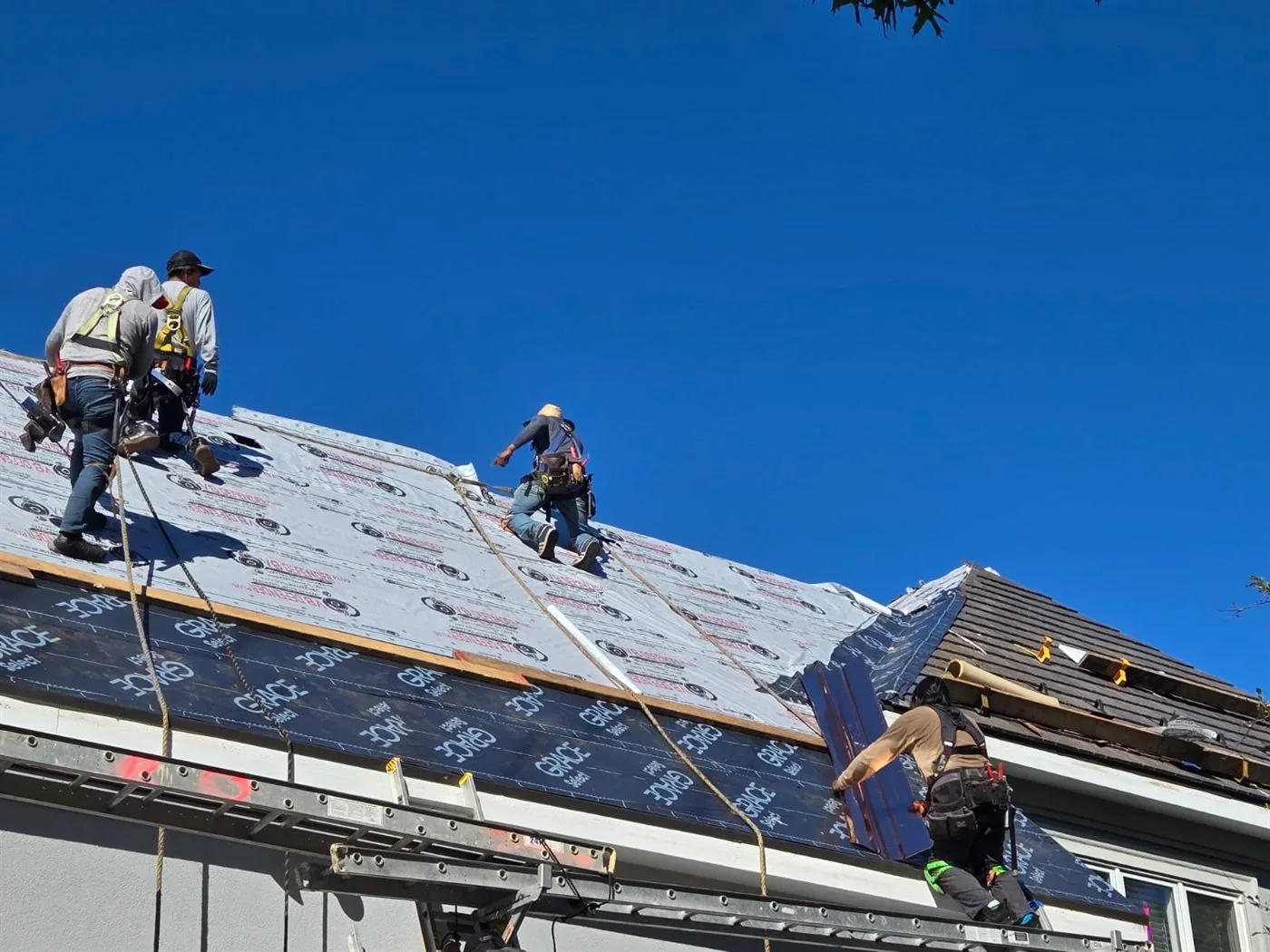
A repair is appropriate when sound material surrounds a defined defect and the underlying layers can remain. A broader scope becomes relevant when moisture, loss of attachment or recurring openings extend across the roof. We examine insulation, cover board and deck where accessible, then compare a patch, selective removal or commercial roof replacement. A recover is considered only when the existing assembly can support another layer and drains, curbs and wall transitions can be brought to the right heights.
The choice also depends on the building schedule and how the roof can be divided into work zones. We identify material lead time, access constraints, interior safeguards and the order of closures without promising a schedule before the scope is confirmed. If the evidence supports repair now and monitoring later, that path should be explicit. If the assembly needs removal, the record should explain why continued patching would leave wet or unsecured layers behind. A clear comparison helps the owner set a capital decision against actual roof condition.
Keep a follow-up record
After repair, we note which roof section was opened, what materials were found and how the completed tie-in looks. Photographs show the original failure and the finished detail. Any location that still needs monitoring is marked separately from work that is complete. The preventive roof maintenance can revisit drains before wetter months, inspect repaired seams and check penetrations after equipment service. That comparison gives staff a specific list to review instead of asking them to remember where a patch was made. Our local coverage also includes Santa Ana's business districts, where each roof receives its own inspection.
Our crews can respond overnight, including weekends and holidays, when a roof opening is exposing the building. Describe the affected room or equipment area, what changed and whether roof access has any restrictions. We will inspect the assembly and explain whether immediate water control, a targeted repair or a larger scope fits what is present. The work record will be clear enough for ownership and maintenance staff to use after the visit, including where access or concealed layers limited the assessment.
Questions About Tustin
When should a commercial roof in Tustin be checked?
A pre-rain review is useful after a dry period if drains, seams or roof access have not been checked recently. We inspect the outlets and nearby membrane, then note any repair or monitoring that the roof condition supports. The right interval also depends on roof age, prior repairs and access.
How do you plan roof access for a Tustin medical or bioscience property?
We confirm the property access route, occupied rooms, rooftop equipment and operating hours with its facility contact. The inspection method and roof condition determine where the crew can work and what areas below need protection. We include access limits and temporary controls in the work plan before scheduling.
What if the roof leak appears far from the opening?
Water can move through insulation or along a deck before showing inside. We compare the stain with seams, penetrations, walls and drains above it. Where the path remains uncertain, we explain what additional test would narrow the repair boundary.
Can maintenance prevent water entry?
Maintenance can identify blocked drains, open seams, loose metal and deteriorating flashing before those conditions worsen. It cannot prevent every future leak. We record what was observed and corrected so future visits can detect changes and prioritize remaining work.
Related Roofing Work

Request a Tustin roof inspection
Share the building use, interior symptom and access limits. We will inspect the relevant roof section, identify confirmed defects and outline the next practical step. Call 555-555-5555 or request a roof assessment.