About Commercial Roofers Orange
A roof recommendation is useful when it ties the observed condition to the work being proposed. Commercial Roofers Orange inspects, repairs, restores, maintains and replaces commercial roof systems for owners, property managers, facilities teams and general contractors. We begin with the roof and the report from inside: check the membrane or metal, follow seams and transitions, look at drains and penetrations, and identify the area that needs attention. The visit should establish what failed, how far the condition extends and what needs protection below. We record those findings in practical terms, then compare repair or project options the assembly can support. For an owner deciding whether to act now or plan a larger scope, our commercial roof inspection gives the decision a physical starting point. The goal is a clear work boundary and a useful next step, not a recommendation detached from the building.
Start with the roof detail
A ceiling stain can mark where water became visible, not where it entered. We compare the interior location with roof slope, deck direction, seams, curbs, wall transitions and drainage. A split flashing corner, loose membrane lap and blocked outlet need separate findings because they call for different work. We use photographs to show what is visible and test a seam or open a measured area when the surface does not answer whether layers below are wet. If an active leak needs immediate attention, our emergency roof response can protect the affected space while a lasting repair is planned. The closeout identifies the opening, the repair limit and anything left outside the scope. That gives a facilities contact enough detail to coordinate the work without turning a small defect into an undefined roof project.
After an inspection, an owner may need to authorize a repair, request a test opening or begin broader planning. We show the evidence behind each step: defect location, layer condition, water path and the proposed tie-in to stable material. If the visit cannot distinguish surface wear from moisture below, we explain what method would resolve that question before quoting added work. This keeps a tentative condition separate from a confirmed repair need. When older roof records are available, we compare them with what is visible today and identify which conditions have changed.
Explain each workable option
A bounded defect in otherwise stable material may support a localized repair. If seams keep separating, wet insulation extends beyond the opening or attachment has failed, the repair boundary may need to expand. We identify what will be removed, what stays and how new material will tie into the existing roof. A recover or coating is considered only after checking moisture, adhesion, drainage and the condition of the substrate. If the layers cannot support another covering, we explain why removal may be needed. Replacement planning includes transitions, curbs, edge metal and water movement as well as the field membrane. For owners weighing a shorter repair against a capital project, a written comparison puts the immediate protection and remaining conditions side by side.
Work with the assembly on the building
Commercial roofs use different membranes, metal panels, insulation and coating systems. We identify what is installed before selecting material. TPO and PVC seams are welded; EPDM repairs depend on suitable preparation and compatible flashing. Modified bitumen and built-up assemblies require attention to their layers and terminations. Standing-seam panels, retrofit metal and spray foam each have distinct edges, penetrations and drainage details. We inspect those connections instead of assuming a product name describes the whole roof. Our TPO roofing work and standing-seam metal work follow the assembly present and the owner's objective. Where material history is incomplete, a test or review of roof records can help settle what can be confirmed before scope is finalized.
Plan for Orange properties
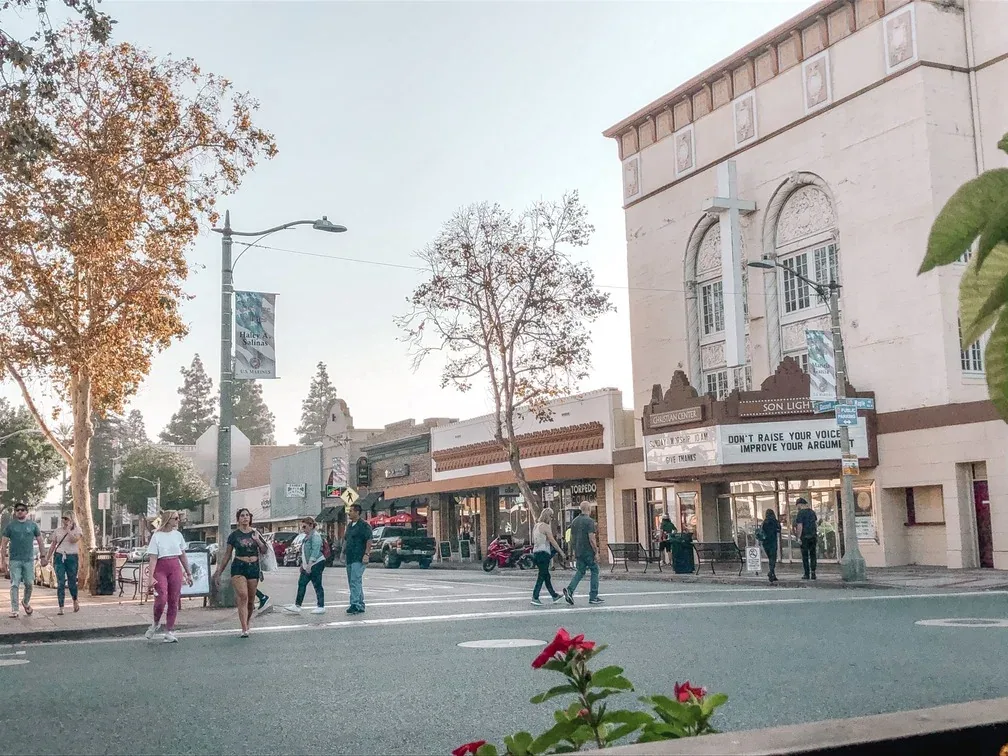
Orange contains light-industrial M1 and manufacturing M2 districts, along with a commercial corridor near Katella Avenue and Main Street that includes warehouse, general-industrial, restaurant and mixed-use activity. Old Towne Orange covers roughly one square mile around the original plaza, with dining and retail businesses among historic structures. These settings call for different conversations about access, staging and protection below the roof, while the physical inspection remains specific to each property. Long-term readings at NOAA's Anaheim station show an annual 47.2 days at 90 degrees or above and an 88.8-degree average daily high in August. The nearby Anaheim station provides a useful climate reference when planning exposed-detail and drainage checks in Orange. The seasonal heat makes exposed sealants and edges worth inspecting; cooler-season precipitation makes clear drainage paths important. We use local context to guide attention, then rely on what the roof shows.
Keep occupied buildings operating
A roof repair can affect rooms, entrances, deliveries and equipment below. We coordinate the work area with the person responsible for the building, then identify staging, access routes, temporary protection and any short interruption the repair needs. At a retail or food operation, customer and receiving paths may matter. At a school or medical building, sensitive rooms and active schedules can shape when an opening is made. The occupied-building sequence describes how work can move through zones when a larger project requires several days. We do not promise that every roof can be repaired without disruption. We explain the sequence and protection needed for the specific assembly and operation so the owner can arrange staff and tenants before the crew arrives.
Leave a roof history the owner can use
Our record identifies the roof area, condition found, approved work, completed repair and any item that remains open. Before-and-after photographs show the tie-in; a marked zone helps the next manager find it. If testing uncovered wet insulation or a stable substrate, we include the result and how it affected the scope. A roof condition report can separate active water entry from planned maintenance. For an owner with multiple buildings, multi-site roof planning can group work by urgency and access while keeping each property's findings distinct. For permitted work, Orange uses a locally amended edition of the 2025 California Building Code, based on the 2024 International Building Code. Permit applications dated January 1, 2026 or later fall under California's 2025 Building Energy Efficiency Standards. When a project requires a permit, we coordinate the roof scope with the applicable project requirements and the owner's design team.
Questions About Working With Us
What happens during a commercial roof inspection?
We walk the roof and related interior area, check seams, flashing, penetrations and drainage, and connect visible defects to reported water entry. The findings guide a repair scope.
Can you handle an active leak before planning permanent work?
We respond around the clock and can protect an affected area while arranging the lasting correction. We explain the limits of temporary protection and the follow-up needed.
How do you choose between repair and replacement?
We check whether damage is isolated, whether surrounding material can hold a tie-in and whether moisture extends into lower layers. The report compares the work each option includes.
What should we prepare before a roof visit?
Share roof access, the reported issue, operating limits and any available plans or repair history. We confirm the schedule and inspect the actual assembly before making a recommendation.
Talk through the roof decision
Describe the property, the roof concern and the operating limits below. We will inspect the relevant details and explain the practical next step. Call 555-555-5555 or request a roof assessment.