
Hands-On Commercial Roof Inspection in Orange, CA
A dirt line around a drain bowl shows where water has stood. We check the outlet, membrane connection and surrounding elevation to establish what needs attention. A commercial roof inspection in Orange, CA should turn visible findings into specific choices: clear an obstruction, repair a connection, investigate concealed layers or assess a drainage change. Commercial Roofers Orange examines the physical detail first. Measurements and condition photographs then help the owner understand the finding and choose the next piece of work.
Along Katella Avenue and Main Street, warehouse and general-industrial properties sit near restaurants and mixed-use development. On an industrial property, an inspection needs to consider service traffic, equipment supports and drainage around rooftop obstructions. Dining and retail in the historic structures of Old Towne Orange bring occupied customer areas beneath roof-edge inspection work. There, inspection of an exposed edge can inform both water entry repair and protection for people below. We examine the building itself and connect each recommendation to the condition encountered, not merely the property's location.
Connections receive physical checks
A membrane seam that looks closed may have an unbonded edge. We examine suitable seams with a probe, look for changes around earlier repairs and check the sheet beside penetrations. Surface wear, punctures and detached areas are distinguished rather than grouped under a broad condition rating. Each finding needs an explanation of its effect on water resistance or support. Where access is limited, we identify the area needing another method or a later physical check.
At a curb, we examine the flashing corners, termination and relationship to the equipment support. At a wall, we inspect the turn and adjacent material for movement or separation. A failed flashing detail may call for a local reconstruction even while the field roof remains useful. We check the visible connection and assess whether a test opening would answer a concealed question that changes the repair scope.
Drain findings need a water path
Debris near a drain can explain slow discharge, but removing it may leave a depressed roof area that still holds water. We examine both conditions. Outlet damage, raised drain connections, blocked scuppers and local slope receive separate attention. We also consider the intended overflow arrangement where it can be examined. The owner should know whether a proposed task restores an obstructed path or changes the roof geometry to address a different drainage problem.
At the nearby Anaheim weather station, the 1991 to 2020 normal precipitation totals 13.52 inches annually, with 3.16 inches in January and 0.01 inches in August. Those Anaheim figures provide regional seasonal context for checking drainage before wetter periods. We inspect the Orange property for outlet restrictions and shallow depressions that need attention before rain. Drain and scupper maintenance or repair follows the outlet condition we find and the way water crosses that particular roof.
Interior observations guide investigation
A wet ceiling beside a pipe gives us a location to compare with roof penetrations and the interior water route. We ask about rain timing, equipment use and changes to the affected room. The inspection considers whether the likely origin is a roof detail or another building component requiring a different trade. Investigating recurring water entry may need closer testing than a general condition inspection alone.
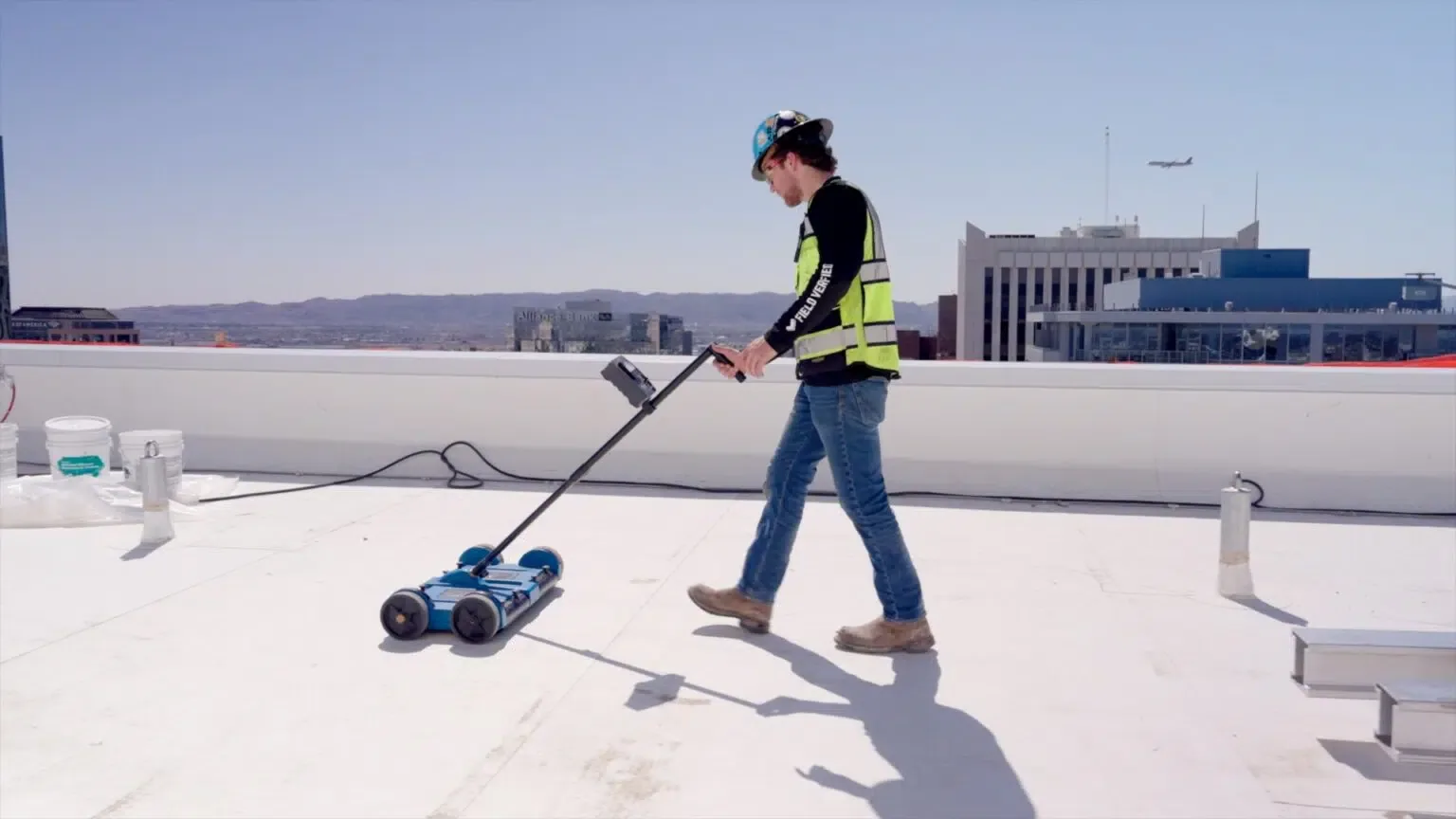
A soft area or recurring leak can justify examination of concealed layers. Selected openings reveal the materials at that location and help assess whether the assembly is dry and supported. Where suitable, a moisture survey can guide additional checks. We explain why the extra investigation is needed and which decision it will answer, such as the boundary of wet insulation removal or the suitability of retaining layers during a recover.
Priorities follow the consequence
A loose metal component over an occupied route deserves a different response from cosmetic surface discoloration. We distinguish immediate hazards, active water entry, developing repair needs and items suitable for routine maintenance. The recommendation names the component and explains the consequence of leaving it unchanged. A priority is useful when it helps the owner choose an action, not when it reduces several unrelated roof conditions to a single reassuring label.
The comparison includes access and repair dependencies. A curb correction may need equipment work before flashing can be rebuilt. A deck concern may need evaluation before removal proceeds. For a shopping-center roof, customer routes and tenant operations can influence the repair sequence. We separate those work requirements from the condition itself, giving the owner a way to arrange a practical scope without losing sight of the failed roof connection.
Findings stay tied to locations
A close photograph of a split needs enough location information to find the split again. We relate individual findings to recognizable roof features and show the adjacent assembly where it matters. Measurements support decisions such as repair boundaries, available flashing height or a drain transition. For a property in Old Towne Orange, that location information can help coordinate an edge repair with protection below the exact affected area.
The condition report describes what was examined, what needs repair and where further investigation is useful. It distinguishes a confirmed physical defect from a concealed question still awaiting a test opening. The owner can use the findings to approve targeted repairs or compare a wider capital project. After work is completed, a follow-up inspection can check the repaired connection and update the condition record, preserving the relationship between the original finding and the physical correction.
Questions About Hands-On Commercial Roof Inspection
Can an inspection distinguish a failed seam from an old surface mark?
Close examination and appropriate probing help identify an actual opening or incomplete connection. We also inspect nearby material for damage and prior repairs that could affect the result. A surface mark alone may not require a repair. We explain the physical finding and show where the connection needs correction so the owner can distinguish cosmetic change from a path for water entry.
Do you need to open the roof during every inspection?
Test openings are chosen when concealed information would change a decision. A visible repair may be defined without opening an otherwise sound area. Soft layers, recurring leaks or a proposed recover can justify further checks. We explain the question each opening is intended to answer, obtain the necessary access and close the investigated area appropriately after examining the materials.
What makes a finding urgent rather than routine?
Loose components, active water entry and damaged support can require prompt action because of their consequences for people or the building. An isolated maintenance item may be scheduled differently where the surrounding assembly remains serviceable. We identify the condition, affected area and proposed action. Timing advice follows those observations and the operating risks rather than a blanket schedule applied to unrelated defects. We also consider where the damaged component sits. An exposed edge over an occupied walkway may need protection below it while repair is arranged. A small opening above water-sensitive equipment can deserve faster attention than a similar defect above an area with fewer immediate consequences. The location helps establish the practical repair sequence.
Can the inspection help compare repairs with a larger reroof?
The observed extent of deterioration helps establish whether targeted work leaves a useful assembly in service. We describe localized defects separately from widespread layer or attachment problems. Where concealed condition is uncertain, additional checks can improve the comparison before the owner chooses removal. A practical recommendation identifies the work needed now and the unresolved conditions that a limited repair would retain.
Related Roofing Work


Arrange a close roof examination
Describe the Orange building, visible changes, leak history and access limits. We can inspect the roof connections and explain the findings that affect your next decision. Call 555-555-5555 or request a roof assessment.