EPDM Commercial Roof Repair and Installation in Orange, CA
A hard residue from an earlier repair can prevent fresh EPDM tape from contacting serviceable rubber along a damaged lap. We inspect that material and define the cleaning or removal needed before choosing another repair. EPDM roofing in Orange, CA requires compatible joining components and a suitable surface beneath them. Commercial Roofers Orange explains whether preparation can expose a workable boundary or whether affected sheet needs replacement. The owner can compare those choices through the existing treatment, surrounding membrane condition and physical connection proposed, avoiding another layer over material that interrupts the bond.
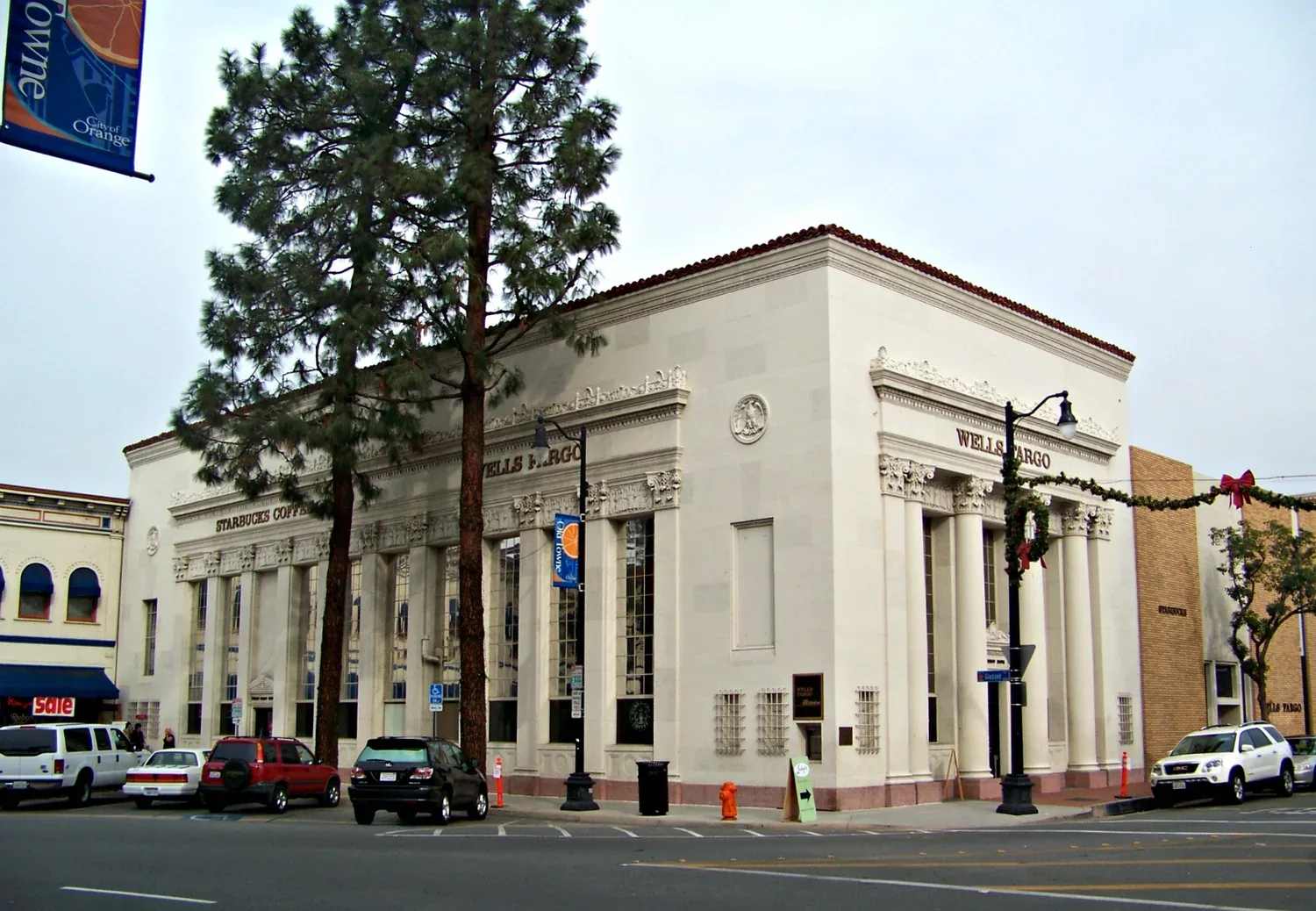
Old Towne Orange combines historic buildings with dining and retail activity. Roof alterations in that setting can require careful access and attention to adjoining building details. Orange also includes Chapman University and Santiago Canyon College, with educational operations that bring occupied-space considerations to building work. We discuss the actual property's use and inspect its roof assembly before proposing EPDM work, connecting the physical repair to the access and closure sequence the owner can accommodate.
Relieve the strained connection
A membrane pulled tight across a curb corner needs examination of its attachment and shape. We inspect the termination, backing and available material, including whether equipment or a changed roof height affects the turn. A suitable correction can involve rebuilding the flashing with compatible components after the support is prepared. Curb and penetration flashing work addresses those component relationships before the exposed rubber receives its finished connection.
Loose fasteners or unsupported backing can let the detail move even after the visible opening is covered. We identify that movement and include the support repair in the comparison. The retained sheet needs suitable condition for the selected joining method. Removing an old patch may reveal a larger area needing preparation, which is explained before the new repair boundary is finalized. The completed corner should fit the component rather than remain stretched over a conflict.
Seam preparation follows the system
EPDM connections commonly use specified primers, tapes or adhesives rather than the hot-air weld used for thermoplastic membranes. We identify the installed components and select preparation suited to them. Dirt, unsuitable coating or detached patch material can interrupt the required contact. The work reaches clean, serviceable material and follows the system's installation conditions. We then inspect the finished edge and the transition into adjoining details.
Owners comparing replacement choices can examine TPO membrane construction and PVC roof assemblies alongside EPDM. Those choices involve different connections and compatible components, as well as attachment and support requirements. We explain the relevant differences for the inspected building. An existing repair history also matters where retained material receives a new detail, because prior treatments can change the preparation or removal needed at the stopping line.
Punctures need sound material beneath
A cut beside a service route may extend through the sheet into damaged insulation. We check the support beneath the opening and look for displaced or wet layers around it. Insulation and protective-board corrections can accompany the membrane repair where the underlying material needs replacement. A new patch needs a suitable base; compressed or detached layers can leave it vulnerable to repeated contact in the same location.
The equipment service route is considered with that repair. We discuss suitable traffic protection and access with the owner so maintenance can reach the unit without continually loading a vulnerable detail. An added walkway or protective arrangement must fit the installed assembly and preserve drainage. Where water has entered, selected layer checks help establish the affected extent. The recommendation identifies the material removed and the support retained beneath the corrected EPDM connection.
Ballast and attachment affect access
A ballasted assembly can conceal portions of the membrane that need examination. Suitable access and handling of the ballast are planned before repair, with attention to roof loading and material movement. We assess the installed arrangement and coordinate any required design review. On adhered or mechanically attached systems, the relevant bond or fastener condition receives examination. The repair comparison follows the attachment actually present rather than treating every EPDM roof as the same construction.
A broader installation needs suitable deck condition, insulation and attachment chosen for the project. Roof edges and penetrations are considered alongside the field assembly. Regional Santa Ana winds in Southern California can damage property, so an observed displaced edge deserves attention to its attachment and connection. We assess the actual damaged component and its support. Appropriate correction can require metal or backing work in addition to restoring the rubber membrane nearby.
Drainage stays open during repair
Water trapped beside a patch can point to a low area, blocked outlet or damaged drain connection. We examine those components and define the correction that accompanies the membrane work. A properly attached EPDM patch does not change a depression elsewhere in the assembly. A tapered adjustment or reconstructed outlet detail may be considered where inspection identifies the need, with the finished elevations and available flashing height assessed together.
On an educational building roof, access near occupied rooms and equipment can influence where preparation begins. We agree the affected routes and closure areas with the owner. A property in Orange receives the same component-specific planning whether it is an older commercial building or an educational facility. Materials are staged with suitable load distribution, drains remain usable, and opened details receive appropriate protection until the permanent connection can be completed.
Repair boundaries guide the choice
A limited opening surrounded by serviceable sheet can support a different scope from widespread seam deterioration or wet layers. We explain the observed extent and the components that a local repair leaves in service. Replacement becomes part of the comparison where repeated failures or unsuitable retained layers make a broader correction useful. Each option identifies how corners, outlets and attachment will be handled, so the owner can compare work that addresses the same physical condition.
Completion views locate the repaired details and show important findings before concealed layers are closed. We inspect the finished connections with methods appropriate to the installed system. Any remaining investigation is identified by component and location. Later maintenance can use those views to find the changed detail and examine its condition, while a returning water complaint is assessed through its actual route rather than automatically assigned to the last repair.
Questions About EPDM Commercial Roof Repair and Installation
Why does a corner patch need an attachment repair too?
A moving or poorly supported termination can continue stressing the rubber after a patch is placed. We inspect the backing, fasteners and sheet turn before selecting the correction. Rebuilding that support may be necessary for the new flashing to fit and remain serviceable. The scope shows both tasks and identifies the retained material receiving the finished connection.
Can heat welding close an open EPDM lap?
EPDM uses its specified joining materials and preparation rather than a thermoplastic weld. We identify the assembly and inspect the seam before choosing suitable repair components. Previous coatings or patches may need removal to expose serviceable sheet. The recommendation explains the preparation and finished boundary, with the completed connection checked according to the system being repaired.
Should ballast move before a damaged area is assessed?
The assembly needs a planned access method that accounts for ballast handling and roof loads. We assess the location and identify how the membrane can be exposed for inspection and repair. Material movement is coordinated with the building's requirements. Once reached, the affected sheet and supporting layers are examined so the scope addresses the actual opening and any concealed damage.
What makes repeated punctures a wider maintenance concern?
Recurring cuts can indicate an unprotected service path or a support arrangement concentrating contact on the roof. We examine the pattern and the materials beneath the damage. The repair can include suitable traffic protection or coordinated support changes as well as membrane work. The owner receives practical maintenance guidance tied to that route, so future equipment access respects the repaired connection.
Related Roofing Work
Check the stressed EPDM detail
Describe the Orange roof's open seams, corner damage and service routes. We can inspect the connections and explain repair limits or a suitable replacement assembly. Call 555-555-5555 or request a roof assessment.