
Modified Bitumen Commercial Roofing in Orange, CA
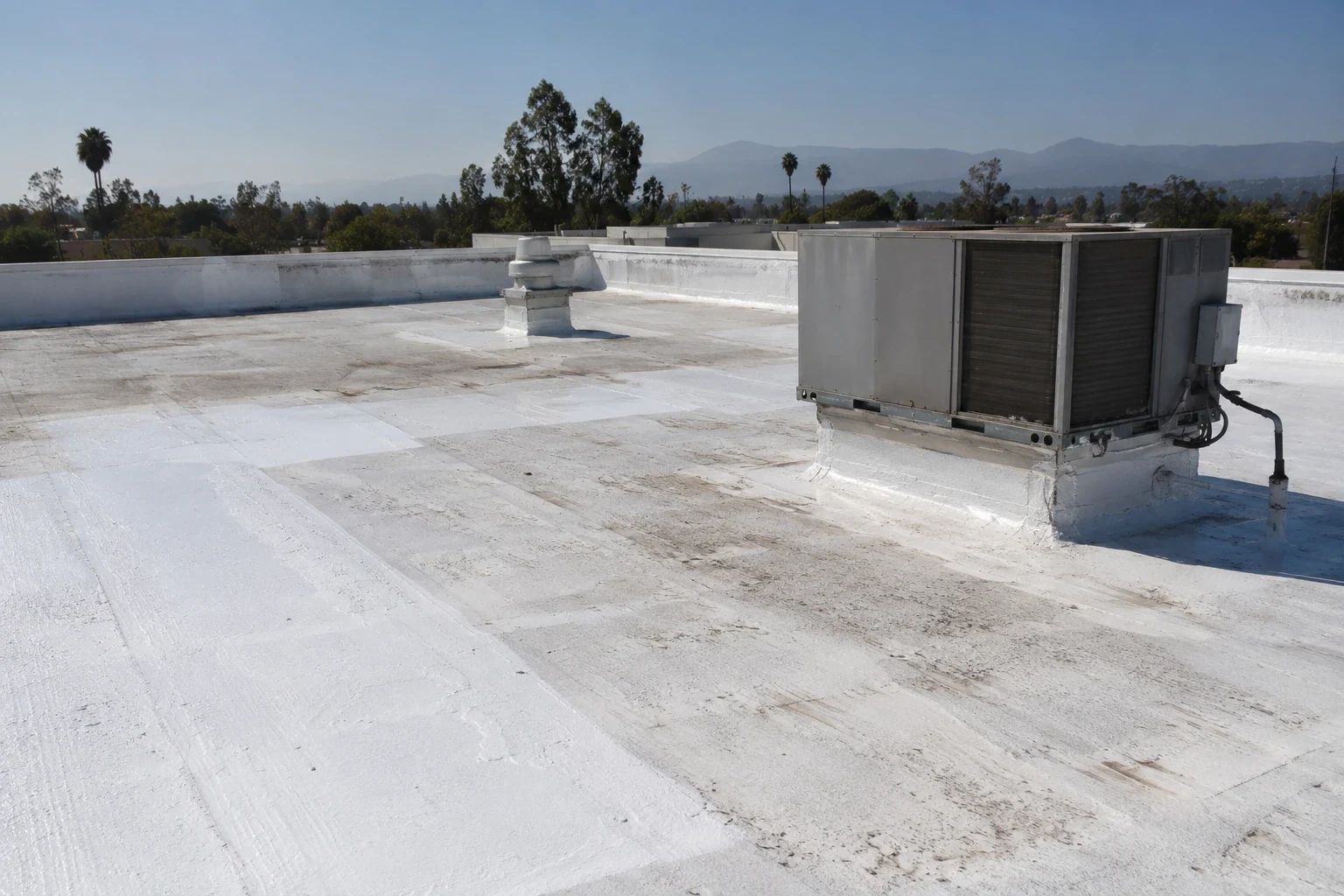
A worn cap sheet exposing reinforcement can need a different correction from an otherwise sound sheet with a locally opened lap. We examine the exposed area and surrounding surfacing before recommending coating, membrane repair or removal. Modified bitumen roofing in Orange, CA requires that distinction to keep the chosen work aligned with the damaged layer. Commercial Roofers Orange explains which protection can be restored and which material has deteriorated beyond a surface treatment. The owner can compare the repair extent through the visible wear, layer condition and connections retained around it.
Near Katella and Main, warehouse and general-industrial uses sit alongside restaurants and mixed-use development. Roof work at an operating property along that corridor needs its actual access and equipment arrangements considered. Anaheim Canyon is an industrial and business district, providing another nearby setting where owner operations can influence the repair sequence. We inspect the particular assembly and discuss the use below it before choosing modified bitumen work or a replacement approach.
Surfacing wear and sheet failure differ
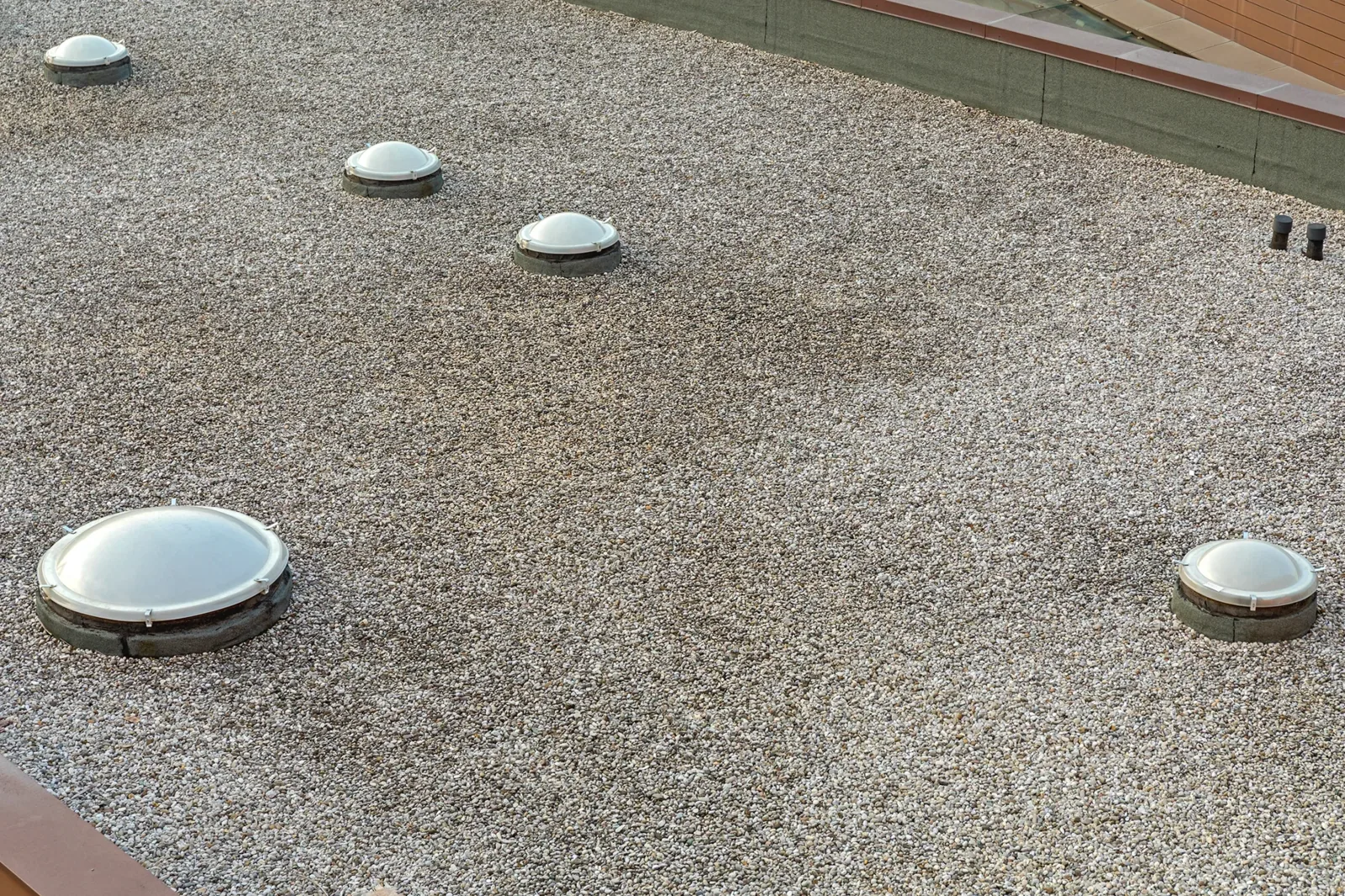
A granulated surface protects the underlying cap sheet, while worn areas can expose material needing closer examination. We check the sheet's condition, attachment and adjoining laps before choosing a restoration method. A suitable surface treatment is considered only with preparation and compatibility appropriate to the assembly. Split or detached membrane needs its own correction. The scope separates that material work from protection restored over sound retained areas.
Blisters and ridges also receive examination for attachment and underlying condition. We assess whether an affected area can be repaired locally and what its opening reveals about layers beneath it. Coating restoration planning can follow suitable repairs where the retained assembly supports that choice. The owner sees which defects are corrected first and which surface condition the coating is intended to address, rather than treating every visible roof change as the same maintenance task.
SBS and APP follow their requirements
Modified bitumen products include SBS and APP formulations, with installation methods specified for the selected materials. An assembly may use appropriate adhesive, self-adhering components or heat-applied methods according to its requirements. We identify the existing system and repair history before selecting compatible work. The building's detail arrangement and operating restrictions also influence method selection. The proposed installation explains preparation and closure without assuming every modified sheet can receive the same application.
Owners comparing layered systems can review Built-up roof construction alongside modified bitumen. A thermoplastic alternative such as PVC membrane installation has different connections and component requirements. We relate those choices to the inspected deck, insulation, drainage and service needs. The meaningful comparison is between suitable complete assemblies, including the altered details and removal necessary to install each option on the actual property.
A lap repair reaches supported material
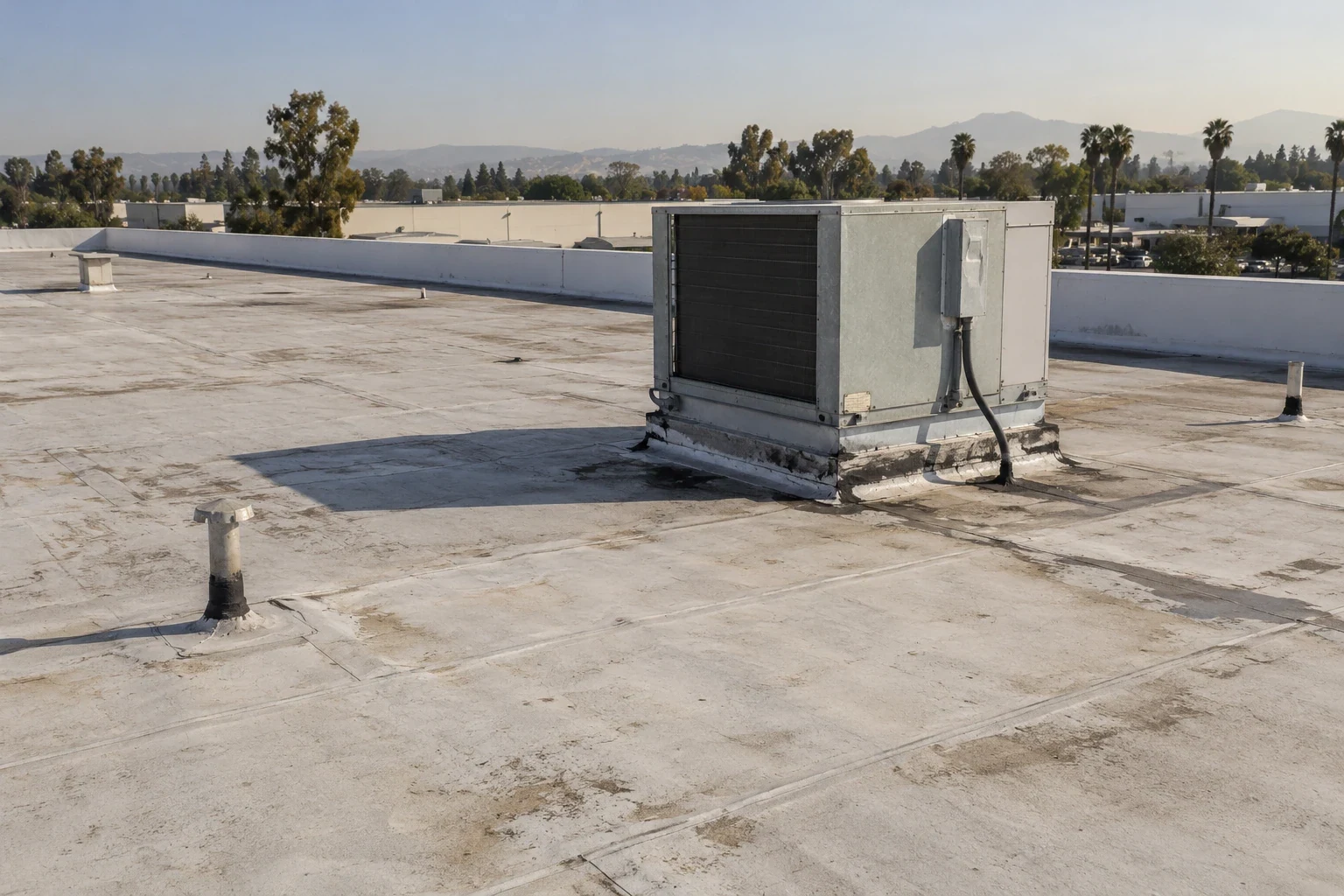
An open lap can admit water beyond its visible edge. We inspect the surrounding bond and selected underlying layers before establishing the repair perimeter. Damaged or wet material may need removal so the new connection rests on suitable support. The patch method follows the installed system, including required preparation and treatment of the cap surface. A broader removal boundary can be needed where adjoining sheet has also lost attachment.
Repeated patches at the same connection prompt examination of the component geometry and movement. We inspect nearby curbs, terminations and drainage rather than keep adding material at the apparent opening. Investigation of recurring water entry helps connect the interior complaint to the relevant detail. The owner receives the physical finding and correction proposed, with membrane work separated from any support or flashing change needed to prevent continued movement at the repair.
Water routes influence the assembly
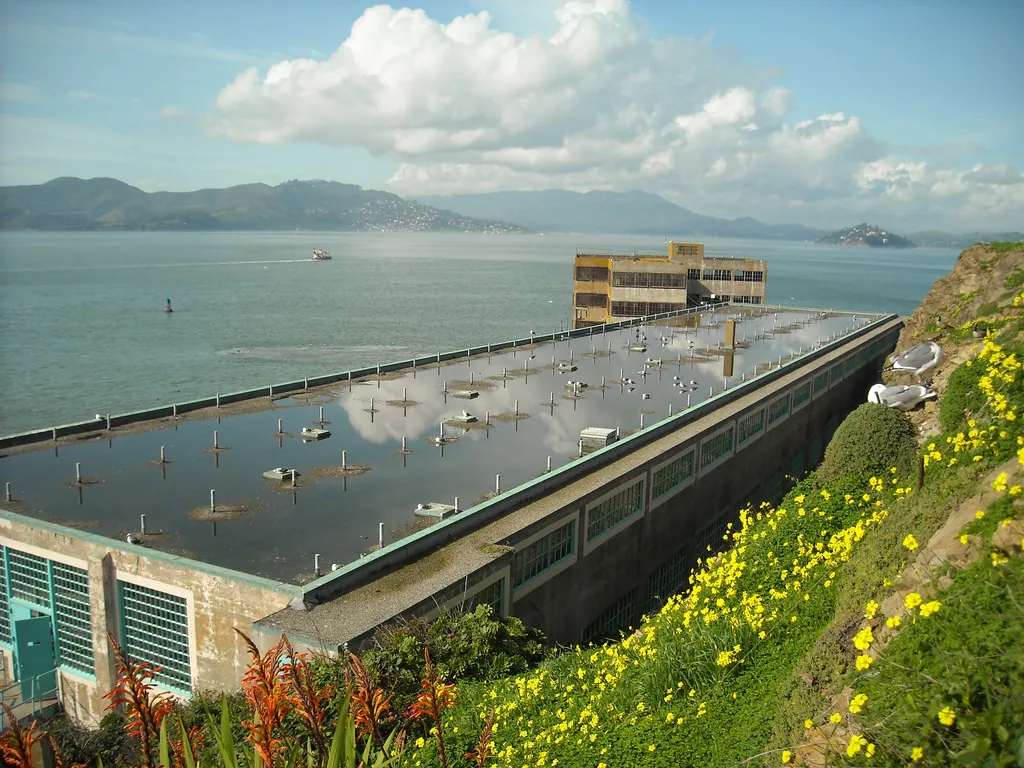
A thickened patch can affect flow near an outlet, while a depression can keep water against an otherwise intact connection. We inspect those elevations and the drain or scupper detail before defining the repair. A tapered adjustment or outlet reconstruction may belong with broader membrane work. Drainage component corrections identify those tasks where the actual condition warrants them. The selected cap sheet then connects to a suitable, accessible discharge detail.
The nearby Anaheim station's 1991 to 2020 normals show 13.52 inches of annual precipitation. We use that nearby setting with the property's observed water route and current work conditions when discussing drainage attention. The inspection examines where water remains, whether the receiving outlet is usable and which layers have been affected. New membrane should follow the corrected assembly geometry, including curb heights and transitions changed by removal or added insulation.
Application method fits occupied work
A heat-applied operation needs appropriate project controls and evaluation of combustible surroundings. Other specified application methods also need suitable preparation, conditions and coordination around occupied areas. We review the chosen assembly and discuss air intakes, equipment and access with the owner before starting. Material movement and daily closure are planned for the roof's actual arrangement. Temporary protection addresses opened areas until permanent work can proceed under suitable conditions.
On a warehouse roof, operations beneath the work can influence removal areas and staging. A property in Anaheim Canyon may have equipment or delivery routes the owner needs available. We establish those particular requirements and coordinate the roofing sequence accordingly. The method comparison identifies the tasks needed for preparation and connection, including responsible-trade work where a curb or support must change before the membrane is completed.
A finished repair leaves clear limits
A replacement cap-sheet area needs suitable laps, terminations and tie-ins to retained roof sections. We examine those connections and address incomplete work while the detail remains accessible. Important concealed findings are photographed before closure, and completion views locate the repaired area against recognizable roof features. The owner receives attention points for drains, exposed edges and service paths relevant to the actual assembly. Later maintenance can assess those components rather than search for a repair location without context.
Where wear extends across much of the roof, we compare restoration with removal using the inspected layer and attachment condition. The recommendation describes the material remaining in service and the components rebuilt under each scope. A limited repair can be useful for a bounded defect; wider deterioration can warrant replacement. The owner's choice is grounded in those findings and the work needed to leave a suitable completed connection.
Questions About Modified Bitumen Commercial Roofing
Does exposed reinforcement always call for a new roof?
The extent and condition of the worn sheet need examination. A bounded area may support a compatible membrane repair, while wider deterioration can require broader removal. We inspect adjoining material, attachment and affected layers before defining that boundary. The recommendation distinguishes renewed surface protection from replacement of damaged sheet, allowing the owner to compare work appropriate to the actual wear.
Can an SBS repair use the same method as APP?
The selected products and installed system determine compatible preparation and application. We identify the membrane and review its requirements before choosing repair components. Different products may call for different methods or details. The scope explains the chosen connection and the building conditions affecting installation, so material selection and work sequence are considered together.
Why inspect drainage when the visible problem is a lap?
Water retained near a connection can influence the repair and point to an outlet or elevation problem. We inspect the surrounding route and the membrane detail to identify both conditions. A patch can close an opening while a separate drainage correction remains necessary. The owner receives those tasks together where the inspection shows that each contributes to a suitable finished roof area.
What changes when work takes place above an operating business?
Occupied areas, air intakes, equipment and access routes affect preparation and the application sequence. We establish those limits before selecting work areas and temporary closure. The chosen method needs conditions suitable for its materials and the building. The scope identifies coordination tasks so dependent equipment or support work can be completed before the permanent membrane connection is installed.
Related Roofing Work


Compare the cap-sheet correction
Describe the Orange roof's worn surfacing, opened laps and operating constraints. We can examine the layers and explain modified bitumen repair or replacement work. Call 555-555-5555 or request a roof assessment.