
Commercial Roof Condition Reports in Orange, CA
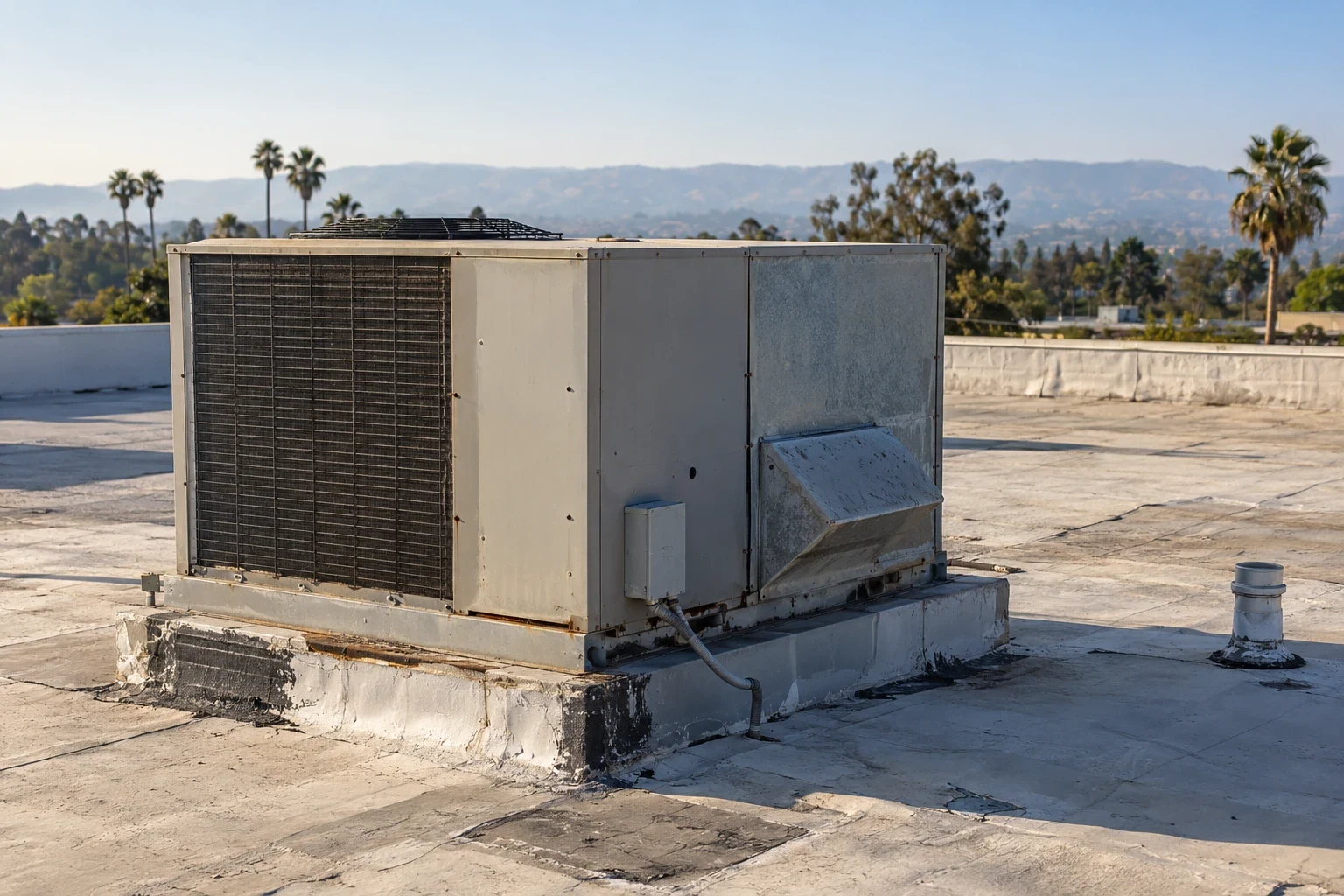
A roof hatch cover seal separated beside its hinge needs examination above the membrane turn around the curb. The cover, frame and lower roof connection can require different tasks. Commercial roof condition reports in Orange, CA begin with those physical findings before the owner selects correction. Commercial Roofers Orange inspects the accessible interfaces and identifies suitable receiving material around any roofing required. We connect useful condition views to the component preparation and repair depth, giving the owner a specific construction choice and a way to find the changed detail later.
Chapman University was among Orange's employers in 2023. In 2018, Cypress College and Siemens were employers in Cypress. Villa Park also has civic space beside its small shopping center. At the property being assessed, the owner establishes actual operation, roof entry and affected occupied spaces before examination. We inspect installed construction and locate its damaged components. The recommendation follows the weather interface and layers receiving correction, with access and protection arranged around the particular portion requiring preparation rather than assign one roof-wide action to several different findings.
The hatch finding is separated into actual component tasks
We examine the accessible seal and frame beside the hinge, then inspect the curb roofing below it. The responsible component participant assesses cover or frame preparation suited to the hatch. Examining roof opening weather interfaces identifies membrane, backing and compatible joining material around its receiver. A serviceable lower turn may remain while upper component work proceeds. Damaged curb roofing can instead need its own removal boundary, which is described separately.
Close views locate the separated seal and its relationship to the frame. Wider views show the hatch and adjoining roof components so the owner can find the affected area. The repair description connects those findings to preparation and closure, including responsible component work before roofing is finished. Suitable support assessment is identified where required. That gives the owner the actual physical scope: which interface is corrected, what material remains and how the occupied area beneath the opening is protected during preparation.
Concealed layers belong in the removal explanation
Water near a damaged opening can affect insulation beside the visible component. We arrange selected physical checks where concealed extent changes roofing scope. Inspecting receiving layers for a defined roof correction locates the material and attachment condition involved. Wet insulation or deficient backing is included where present, with appropriate professional evaluation for deck concerns. The owner receives corrected depth and suitable retained material beneath the new weather connection before choosing the removal boundary.
The description explains further examination by location and purpose where it remains necessary. A bounded curb repair differs from wider reconstruction through the layers changed. Important exposed views help identify that difference without disconnecting a photograph from its component. We describe the permanent joining area and occupied-access tasks required at each option. The owner can compare construction completed through those findings, with preparation and temporary protection included while backing or related component correction remains unfinished.
The report connects dimensions to a specific roof choice
An altered frame can change available curb height or access to the membrane turn. We measure the receiving relationship before permanent closure is proposed. Assessing supports and compatible roof details distinguishes component support from weather preparation. Responsible participants prepare those interfaces for the selected construction. The owner receives material kept and reconstructed beside the altered component, with appropriate design assessment where the installed relationship or proposed change requires it.
At a larger roof choice, Comparing roof construction through inspected findings identifies insulation and fastening beneath the proposed field. We connect the hatch's finished height to that assembly before retention is chosen. A roof layer kept beneath new construction needs its moisture, attachment and suitability assessed with applicable requirements. The removal option describes newly exposed backing needing correction. The owner sees the frame preparation and roofing boundary under both choices, allowing the report to support selection of the actual receiving assembly completed beside the hatch.
Occupied access is related to the identified opening
The owner establishes entrances, affected spaces and service routes before the hatch or damaged layers are opened. We locate handling and protection against that work portion. Staging requires appropriate roof loading and accessible discharge. Intakes or equipment influencing preparation are examined with responsible participants. A suitable daily portion includes an accessible temporary or permanent closing detail. Installation follows current conditions and specified material requirements, with dependent component tasks prepared before roofing finishes the weather perimeter.
At a property in Cypress, those arrangements follow its actual hatch position and occupied operation. The compatible joining boundary can extend beyond the visible seal damage. We inspect that area before removal limits are fixed. The owner receives preparation, protection and closing tasks with their actual locations, allowing the report to help arrange construction rather than treat roof access as a separate general note. Each work portion is connected to the interface and receiving material that must be ready for its permanent correction.
Follow-up uses the locations of construction changed
An exposed backing view is tied to the hatch corner before the finished curb turn covers it. We examine the new roof perimeter using methods suited to the installed system. The upper component participant assesses the seal and hinge relationship through appropriate checks. Final location views show the component receiver and membrane changed. Tracking changed roof components and retained layers keeps those positions useful for later maintenance. Protection around service contact is considered where it could damage the corrected turn, with access to the prepared frame preserved for its next examination.
A later water complaint needs the current hatch seal, frame, curb turn and adjoining layers examined. Earlier views help find the correction, while present physical findings determine the next task. Another cover or equipment change is reviewed before it restricts joining space or conceals the weather turn. The owner receives appropriate receiving preparation and occupied-access requirements for that location. The useful report therefore remains connected to hands-on repair: the opening involved, material suitable for retention, layers needing correction and the compatible boundary completed under the selected work.
Questions About Commercial Roof Condition Reports
What should a condition report show at a failed hatch cover seal?
Locate the separated seal, receiving frame and lower curb roofing as distinct interfaces. We inspect accessible condition and identify responsible component preparation alongside any membrane correction. Close and wider views help find the actual task. The owner receives the weather connection rebuilt and material retained, making the report useful for choosing and arranging a specific repair rather than treat the hatch as one undivided defect.
Can photographs explain the depth of a roofing correction?
Exposed views can locate backing, insulation or attachment condition found during suitable examination. We relate those findings to removal and the new connection rather than present an isolated layer image. The description shows material corrected and retained under each option. Additional investigation is identified where needed before a broader choice is made, with occupied protection arranged around the actual construction opened.
Why include receiving dimensions when comparing larger roof options?
Added height or changed equipment can affect flashing space and joining access. We inspect those relationships before selecting field construction. The owner receives component preparation alongside insulation and attachment tasks, with appropriate assessment where support changes require it. That makes the condition description useful for comparing the actual assembly completed through retention or removal, including suitable perimeter closure.
How does a condition report help investigate a later complaint?
Location views identify the components and layers changed during previous work. They help find those details for current examination. Present roof condition determines suitable next correction, with adjoining retained material receiving its own assessment. The owner receives physical preparation and access tasks for the affected area, keeping follow-up information connected to the actual weather interface and repair boundary now needed.
Related Roofing Work
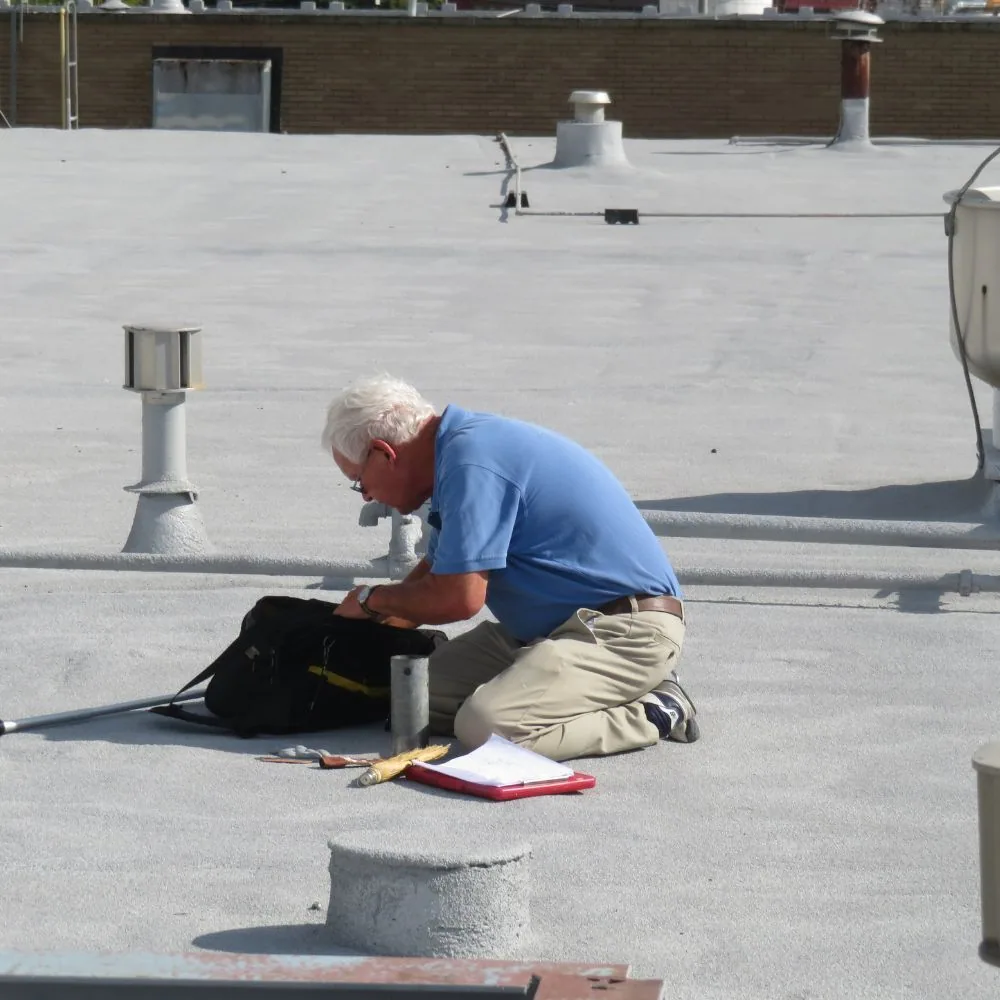
Inspect the components before defining the report's repair scope
Describe the Orange property's damaged roof opening, available access and affected occupied spaces. We can examine condition and explain the specific preparation each correction needs. Call 555-555-5555 or request a roof assessment.