Built-Up Commercial Roof Repair in Orange, CA
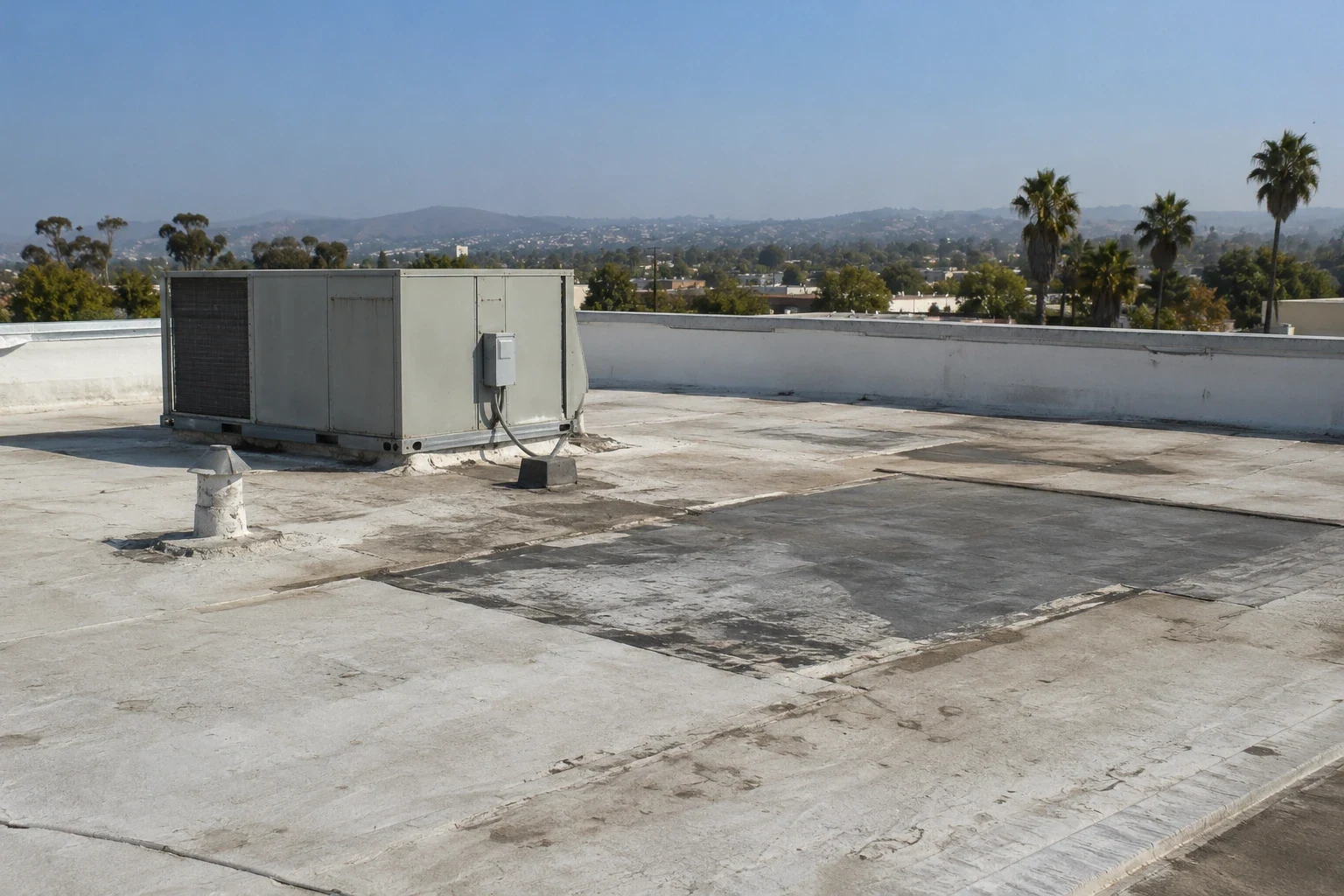
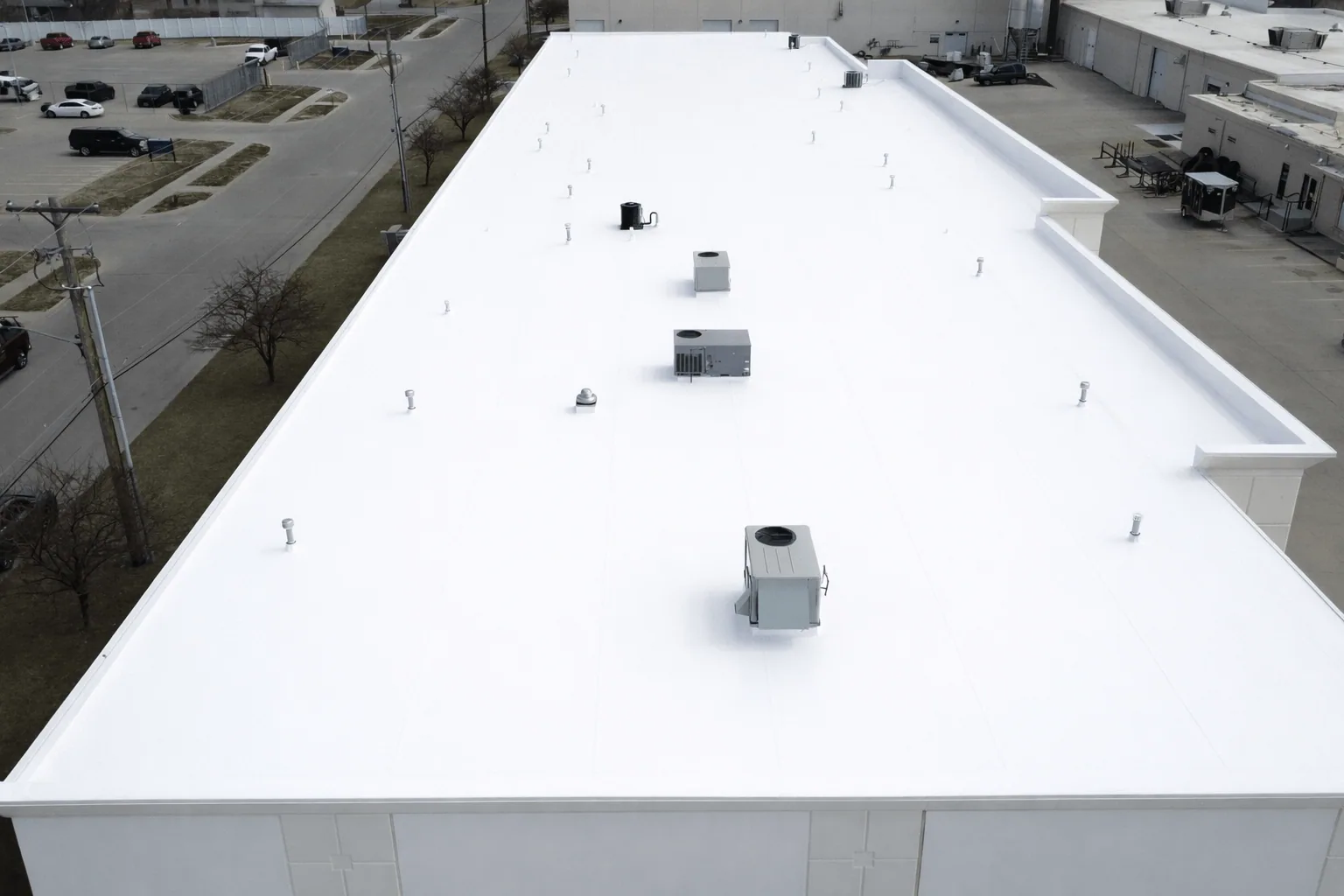
A raised ridge across a built-up roof can interrupt the water route and concentrate damage where earlier repairs stop against it. We examine the ridge, adjacent bond and outlet elevations before proposing another surface patch. Built-up roofing in Orange, CA requires a repair that addresses the affected layered assembly. Commercial Roofers Orange explains whether the raised area can be reconstructed locally or needs wider removal. The owner can compare the exposed condition, retained plies and drainage changes needed to leave a supported connection instead of carrying the obstruction into another repair.
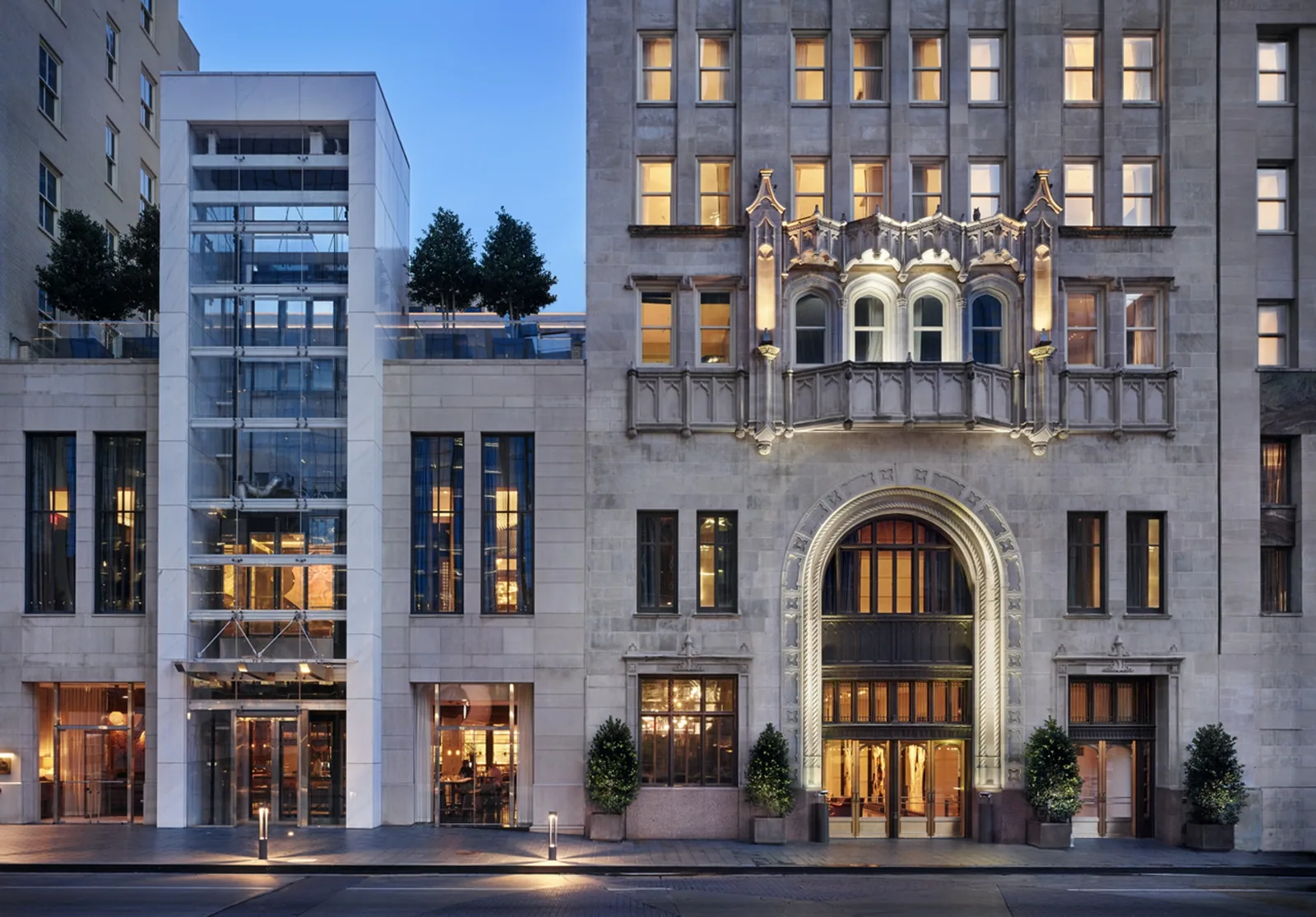
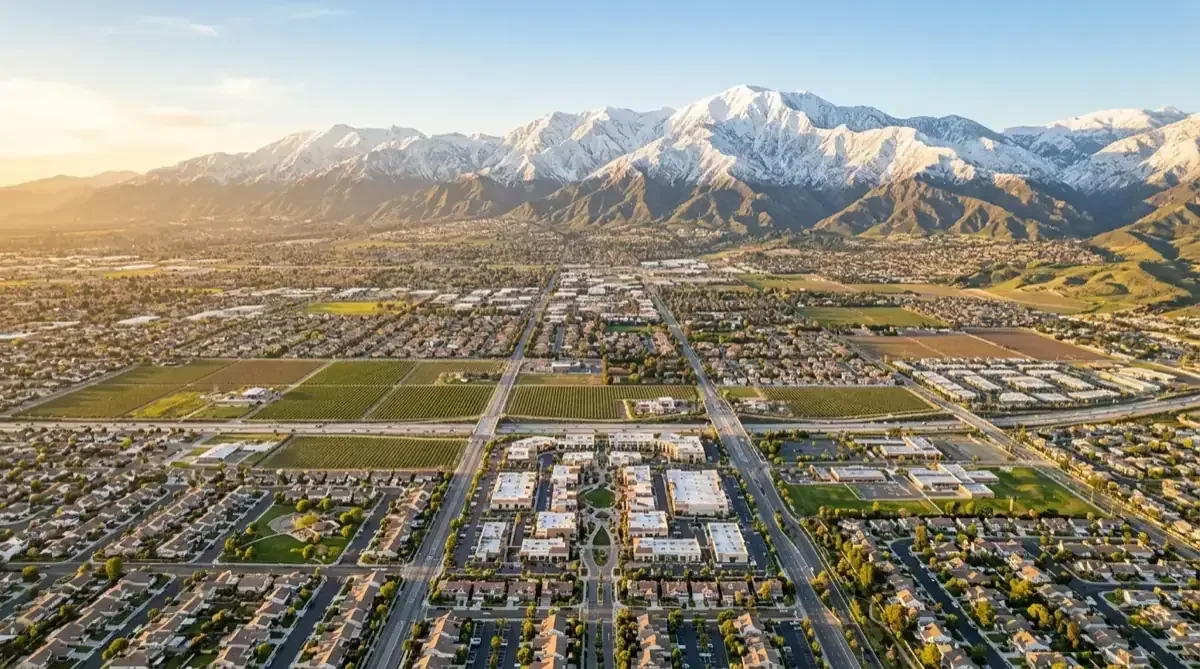
Savi Ranch is shared by Anaheim and Yorba Linda, with retail, dining, office and hotel uses. Work on a layered roof in that setting needs consideration of equipment and occupied operations at the actual property. Old Towne Orange has historic structures accommodating commercial businesses, including restaurants and shops. We inspect the roof's present details and discuss access before selecting BUR work, so the repair sequence follows both the assembly condition and the owner's building use.
The ridge needs a repair boundary
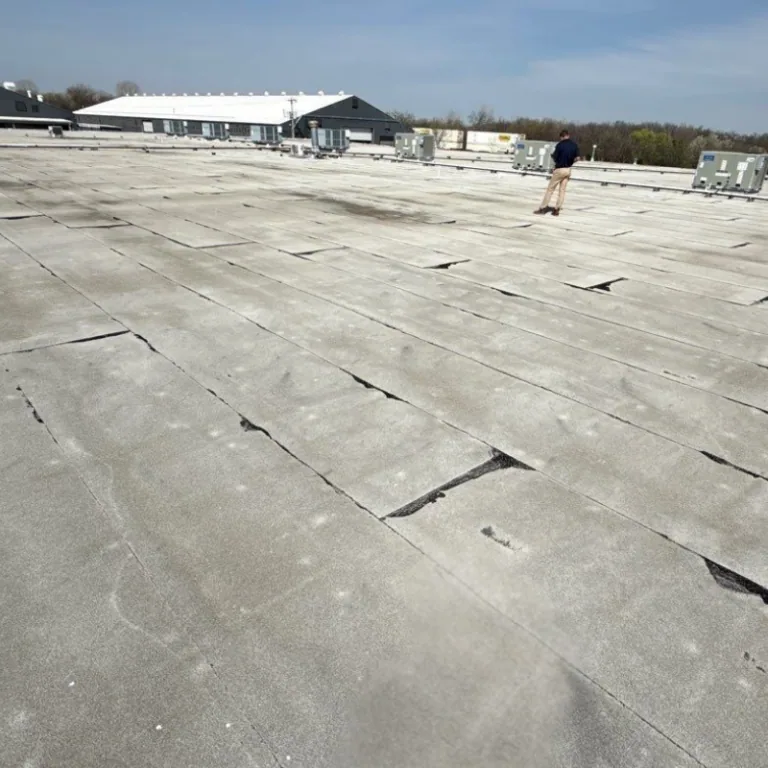
A raised portion may involve separated layers, movement or an altered substrate. We examine its extent and surrounding attachment, with selected opening where concealed condition affects the decision. The repair boundary needs sound material capable of receiving the replacement plies. Rebuilding the raised area may also require underlying board work. Its connection to the retained roof is planned as a layered detail, with the water route checked after the obstruction is corrected.
Surface treatments over a ridge can leave its underlying cause unresolved. We explain what inspection reveals and which material the proposed work removes. Component-specific roof repairs include appropriate preparation and tie-ins rather than an isolated covering over the visible rise. The owner sees the retained assembly beside that boundary and any adjoining area needing broader attention. That makes a local repair comparison useful even where several older patches surround the defect.
Surfacing influences access to the plies
Built-up assemblies use multiple reinforcement plies and bituminous material, with surfacing appropriate to the selected system. Aggregate or a protective surface can conceal portions needing examination. We plan suitable access to the affected area and inspect the membrane beneath it. Surfacing removal and handling need consideration of the roof's loads and working space. Loose material should be managed so it does not interfere with preparation, outlets or adjacent operations during the repair.
Different bituminous assemblies and previous treatments require their own compatible methods. Modified bitumen cap-sheet systems are another layered option an owner may compare. We identify the existing BUR construction and selected repair materials before defining the connection. A sound surface alone does not settle the condition of every ply beneath it; physical layer examination is used where needed to assess retention and make the repair boundary suitable for the installed assembly.
Wet layers can extend beyond damage
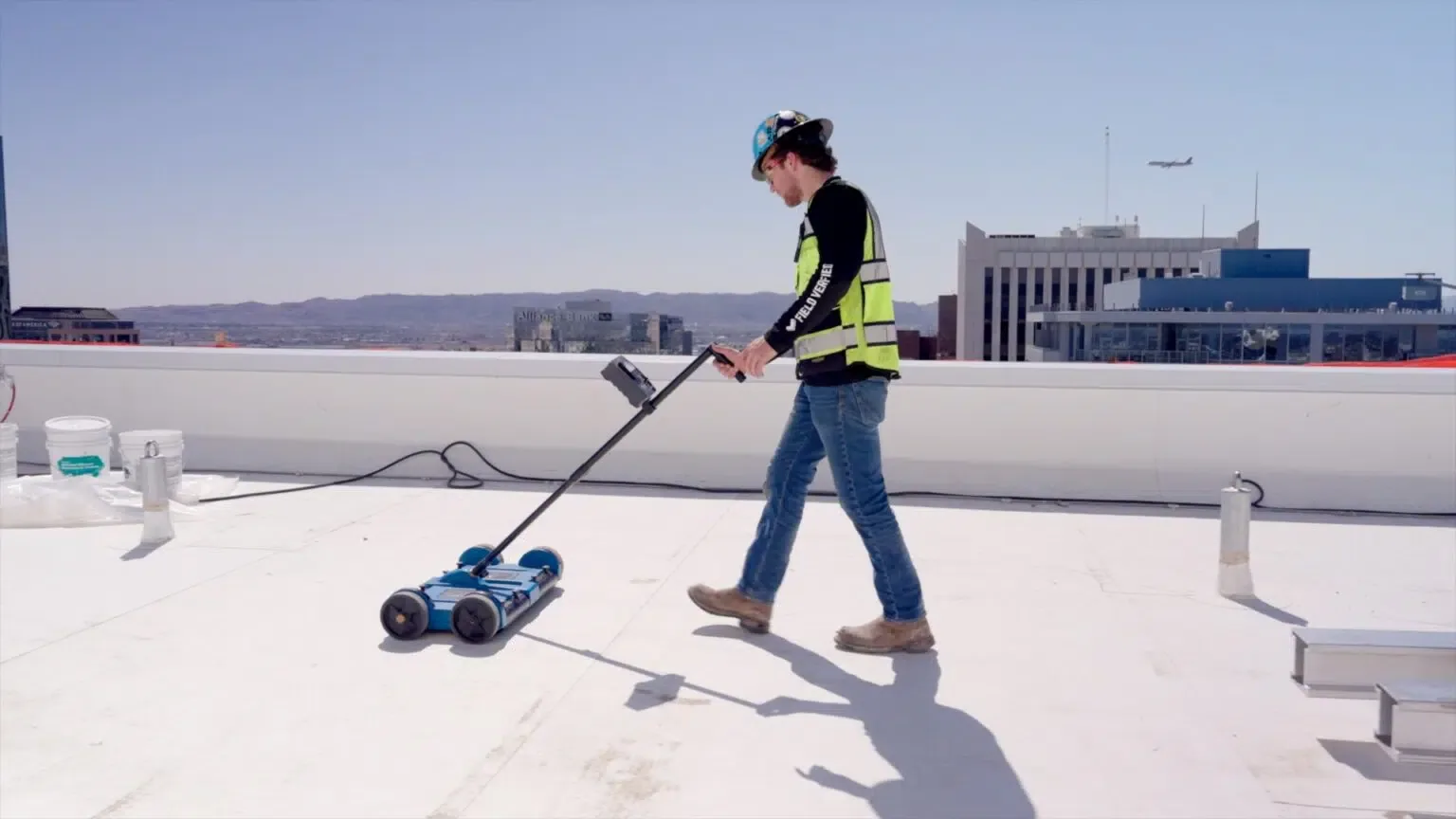
A small opening at the surface can admit water into insulation or between layers. We assess the affected area through the leak pattern and suitable material checks. Moisture mapping with physical layer checks can guide investigation when conditions and construction support it. The exposed material condition determines what needs removal. New plies require appropriate support and adjoining connections, so wet or detached layers cannot simply be treated as a suitable foundation.
Where damage is bounded, localized removal may reach dry, serviceable assembly. Widespread moisture or poor attachment can call for a different scope. The owner receives the layer findings and a comparison showing the roof left in service under each option. A proposed recover also needs review of existing layers, attachment and applicable requirements. We identify those retention decisions before new material is selected, including detail changes that the additional assembly height would require.
Flashing follows the component geometry
A curb or wall transition needs a suitable turn, attachment and connection to the roof field. We examine backing, termination and movement before rebuilding the bituminous flashing. A rigid or poorly supported change in direction can continue stressing repaired material. The correction may include support work or a different detail arrangement. Those tasks are defined with the membrane repair so the finished turn can be prepared, connected and inspected appropriately.
At a drain, the hardware and surrounding elevation affect the finished connection. We check the receiving path and any obstruction that could keep water against the repaired area. TPO roof replacement presents a different membrane approach if broader reconstruction is warranted, but either choice needs suitable outlets and flashing heights. The owner can compare complete assemblies with those physical changes included rather than select a new surface while retaining an unresolved drainage conflict.
Occupied work needs a suitable method
Bituminous repair and installation methods need conditions and controls appropriate to the selected products. We evaluate the building's arrangement, combustible surroundings where relevant, air intakes and access before the work proceeds. Heated materials or specified adhesives bring different preparation and operating considerations. The proposal identifies the method and needed coordination for the actual assembly. Daily removal areas and temporary protection are planned so opened connections can be closed appropriately.
For a hotel roof, room use and equipment service can influence material movement and working areas. In Savi Ranch, those limits are established with the owner of the particular property. Staging also needs appropriate load distribution and usable drainage routes. Equipment or support changes are coordinated before permanent flashing is finished, avoiding an unnecessary reopening of a newly completed layered connection.
Restoration depends on the retained assembly
A serviceable BUR roof may support suitable restoration after damaged details are corrected. We assess surfacing, bond, moisture and the compatibility of any proposed coating. Restoring a suitable roof surface does not replace the ply or support work required at damaged areas. The recommendation explains that sequence and identifies which defects are repaired before surface protection is renewed. Preparation and the selected system's application requirements remain part of the scope.
Broader deterioration can make removal a more useful comparison. We explain the assemblies considered, the layer condition retained under each choice and the correction of ridges or outlet geometry. Completion checks focus on repaired tie-ins, rebuilt flashing and discharge paths. Photographs locate the work and useful concealed findings. The owner receives maintenance tasks tied to the completed assembly, including surfacing, exposed details and equipment routes that need continued attention after the repair.
Questions About Built-Up Commercial Roof Repair
Why repair a ridge instead of coating over it?
The raised area may involve separated layers or a substrate change that coating alone cannot correct. We examine attachment, concealed condition and the adjoining water route. Suitable reconstruction can remove the affected material and restore support beneath the replacement plies. The owner receives that work boundary and can compare it with a broader scope where deterioration extends beyond the ridge.
Can gravel remain in place while a BUR patch is installed?
The repair needs suitable access and preparation at its connection. We identify the surfacing handling necessary to expose and work on the affected membrane. Material movement also needs attention to roof loading, drains and surrounding operations. After the underlying condition is assessed, the repair and appropriate surfacing are completed for the selected system, with the finished boundary examined before the area returns to service.
When does a localized leak lead to wider ply removal?
Wet insulation, separated layers or deterioration around the opening can require a wider repair boundary. We inspect those conditions and identify serviceable material capable of receiving the new connection. The visible opening is considered with that concealed extent. The scope explains what is removed beneath and around it, allowing the owner to compare a supported local repair with broader reconstruction where necessary.
What should an owner retain after layered roof work?
Keep location views of repaired connections and important layer findings before closure, along with the defined work boundary and maintenance attention points. Those details help identify the changed area during later inspections. If water entry returns, the relevant components can be assessed in relation to the actual repair. The owner can also coordinate future equipment work around the completed flashing and retained assembly.
Related Roofing Work
Examine the raised BUR area
Describe the Orange roof's ridges, leak locations and previous repairs. We can check the layered assembly and explain supported repair, restoration or replacement choices. Call 555-555-5555 or request a roof assessment.