
Commercial Roofing for Real Estate Investors and REITs in Orange, CA
A newer parapet cover can hide the end of an older roof beneath it. Before an owner retains that assembly through a purchase or improvement project, we examine the concealed termination and material receiving the next connection. Commercial roofing for real estate investors and REITs in Orange, CA starts with those physical dependencies. Commercial Roofers Orange compares correction at the altered edge with more extensive roof work. The useful distinction is the construction each option leaves in service, including attachment, moisture condition and space for a compatible flashing.
Orange's Old Towne district surrounds the original plaza and includes dining and retail among historic buildings. Costa Mesa has retail and service activity around South Coast Plaza, with industrial uses in its southwestern quarter. Investment-property roofing across those settings needs the individual assembly examined and occupied operation arranged with the owner. We locate actual access, equipment and receiving details before proposing removal. The recommendation identifies roof components corrected and retained, allowing the investment decision to include the construction needed at that particular property.
The concealed edge belongs in the comparison
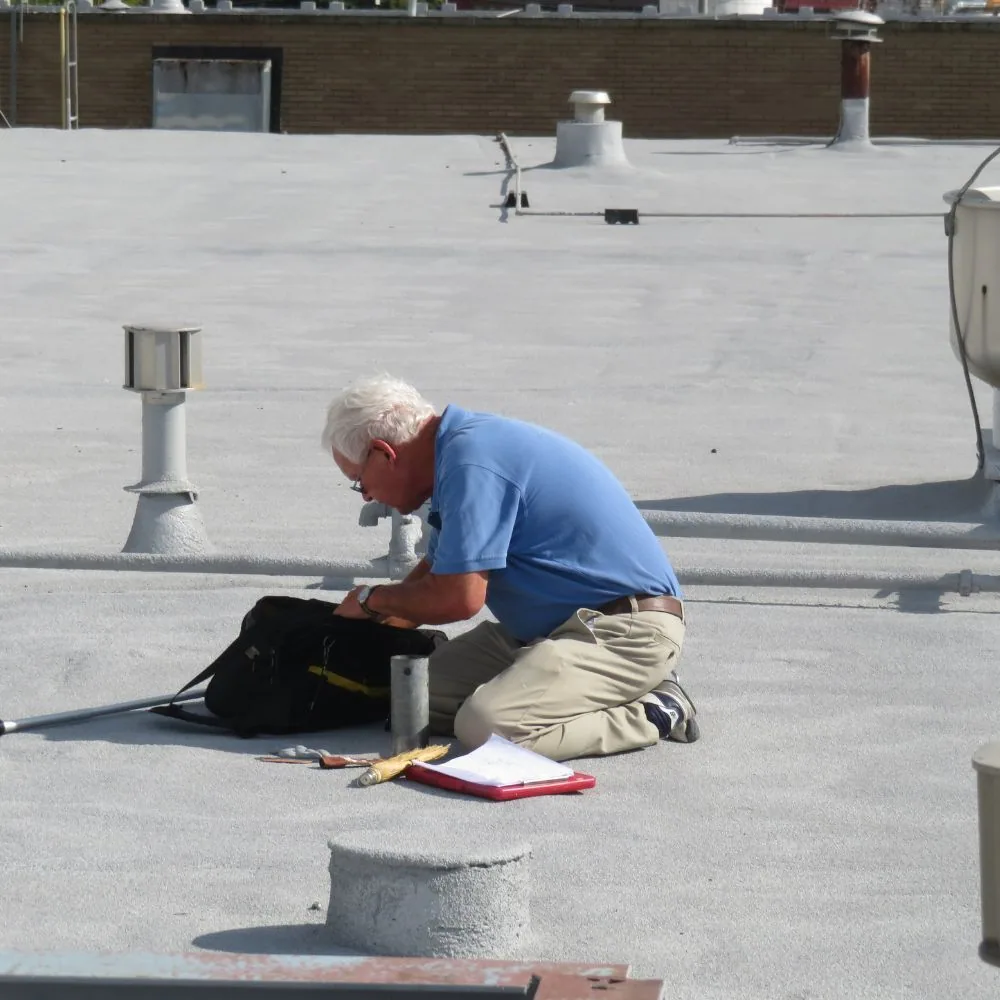
Metal covering an old termination can prevent useful examination from the roof surface alone. We identify appropriate access and selected opening before deciding whether the underlying connection can remain. Examining roofs during property due diligence includes the particular concealed question affecting the purchase or improvement scope. Deteriorated backing, detached membrane or inadequate receiving space can require reconstruction beyond an exposed joint repair. The owner receives that boundary with the adjoining material expected to remain.
The new cover must work with the underlying weather connection rather than conceal unfinished preparation. Responsible component work is identified where metal removal or backing correction precedes roofing. We describe interim protection and the suitable permanent return to retained construction. Relevant design assessment is included where structural or support changes require it. A condition photograph helps locate the exposed relationship and compare proposed corrections, keeping the acquisition discussion tied to an actual component rather than a general surface impression.
Concealed layers change the retained-roof decision
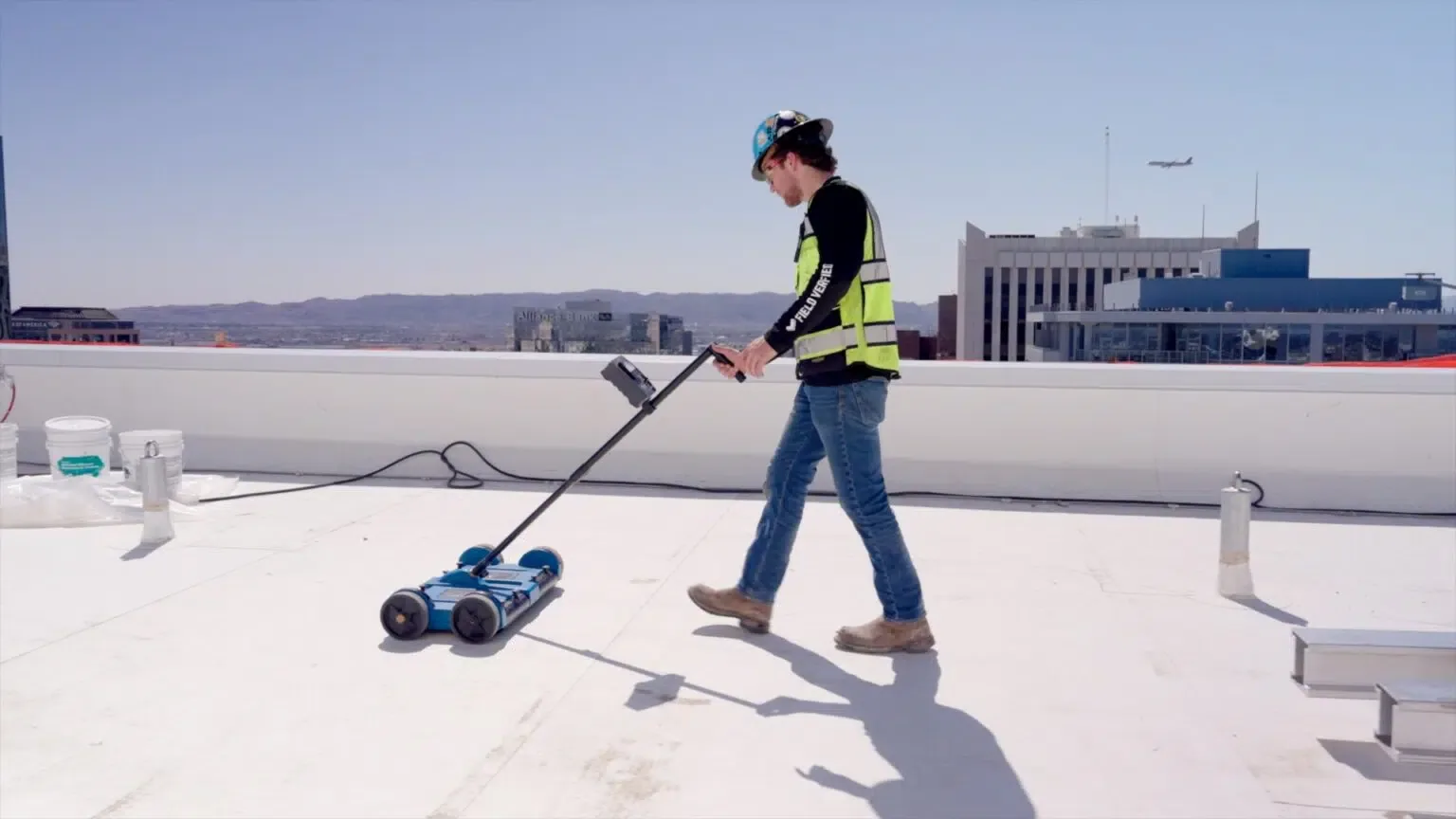
Roof retention depends on more than a field membrane that looks serviceable. We examine attachment and investigate moisture where condition or damage makes the concealed layers important to scope. Locating roof areas for moisture investigation can assist selected physical checks when the assembly and conditions are suitable. Wet insulation, damaged board or deficient support is located before deciding how much of the roof can remain beneath new construction.
The owner receives each option's removal depth. A bounded correction may address a localized defect while broader removal reaches damaged layers across a larger area. We explain further examination where necessary before committing to retention. Deck concerns requiring professional assessment are separated from surface repair. Those distinctions help compare the completed assemblies: the amount removed, material retained, attachment established and details rebuilt around the new field. They also identify occupied areas needing access or protection during investigation and construction.
Added roof height changes the perimeter work
Recover can alter flashing height, outlet geometry and equipment relationships. We measure those receiving details before comparing another layer with removal. Applicable project requirements and the suitability of existing construction are considered together. Comparing larger roof construction choices includes the actual component preparation needed under each option. The owner can distinguish a surface installation from an assembly correction that also reconstructs edges, drainage or equipment connections.
A retained curb may need work to provide enough space for the specified weather turn. An outlet may require a different interface to the finished roof profile. Those are construction tasks included in the comparison before field material is chosen. The responsible participants establish their component work and sequence with roofing. We locate suitable daily stopping lines and temporary closure where preparations cross trades. The resulting boundary describes the completed connection rather than leave an altered detail for another decision after installation begins.
Property groups still need individual findings
Two buildings with similar uses may have different support, layer condition and repair history. We inspect each affected assembly and describe the component-level reason for its proposed action. Managed-property roof coordination connects that correction with the occupied-access arrangements required at the building. The comparison identifies actual damage and suitable retained material, helping the owner consider practical priorities across properties through the construction each roof needs.
For a larger group, Roof asset condition and repair tracking can keep findings located against the actual roof portions. Earlier views help identify repaired details during future assessment. Present condition still determines the next repair. We explain when a serviceable field permits limited correction and when deficient receiving layers change the scope. Component dependencies and operating limits are included so a future project can be arranged around its physical preparation, rather than assign every building the same work sequence.
Occupied access follows the selected removal area
At an investment property in Costa Mesa, the owner establishes the actual tenant access and roof entry affected by work. For owners with hotel properties, Hospitality roof operations also involve the actual guest and service routes affected. We connect material movement and protection to the defined removal portion. Staging requires appropriate loading and usable discharge paths. Equipment or intake relationships are examined before the installation method and daily limits are set. Each opening has a suitable closure arrangement while dependent support or component corrections remain incomplete.
A phase ending at a wall needs enough compatible material and access to complete that termination. Another portion ending in an older field may need a different preparation width. We inspect those limits before the work area is selected. The owner receives the component tasks determining the start and end of each portion. That arrangement helps coordinate occupation through the actual construction, including access below roof work where needed and protection around the weather connection being rebuilt.
Completion views explain what remains beside the work
Important concealed corrections are shown before the new surface covers them. We inspect finished connections with appropriate system methods and identify retained components beside the repaired area. The owner receives locations useful for future examination, including the backing or insulation changed and adjoining construction left in place. Follow-up attention can then reach the actual edge, outlet or service route, with appropriate traffic protection considered where equipment access threatens a finished connection.
The nearby Anaheim station recorded a 1991 to 2020 normal of 47.2 days annually with temperatures of 90 degrees Fahrenheit or higher. Exposed materials and retained repairs receive attention within that Anaheim climate setting. Current installation conditions and specified material requirements determine how the selected correction is performed. A later complaint needs current examination of the affected detail and connected layers. Prior views help find the earlier correction, while the new finding determines whether maintenance, local reconstruction or broader work is appropriate at the property.
Questions About Real Estate Investors and REITs
Why open a concealed termination during an investment-property assessment?
Covering metal can hide the material that must receive the next roof connection. Selected access allows that backing, attachment and weather turn to be examined before retention is chosen. We identify the opening's purpose and protection with the owner. The result helps compare bounded correction with broader reconstruction through the actual condition left beneath the finished perimeter.
Can a serviceable roof surface still need deeper construction?
Receiving layers may be wet, detached or damaged beneath a field that appears usable. We investigate those conditions where they affect scope and describe the removal needed. A new surface requires suitable support and joining details. The owner receives the retained material and corrected depth under each option, making the construction comparison specific to the installed assembly.
What should investors compare when reviewing recover and replacement choices?
Compare the layers remaining, attachment established and details reconstructed alongside the field roof. Added height can affect outlets and curb transitions, while removal can expose backing needing correction. We include those tasks and applicable requirements before a larger choice is made. Occupied access and dependent component preparation follow the proposed assembly and its suitable stopping boundaries.
How can completed-work views assist a later ownership decision?
Location references show where support, insulation or weather connections were changed. They help find those details during a later assessment and distinguish them from adjoining retained work. Present-condition investigation still establishes the next action. The owner can relate a new physical finding to the earlier construction, including the preparation and access needed for another appropriate correction.
Related Roofing Work
Examine the retained assembly before choosing the scope
Describe the Orange investment property's altered roof details, damaged areas and occupied-use limits. We can inspect the construction and compare suitable next work. Call 555-555-5555 or request a roof assessment.