Commercial Roof Coating Restoration in Orange, CA
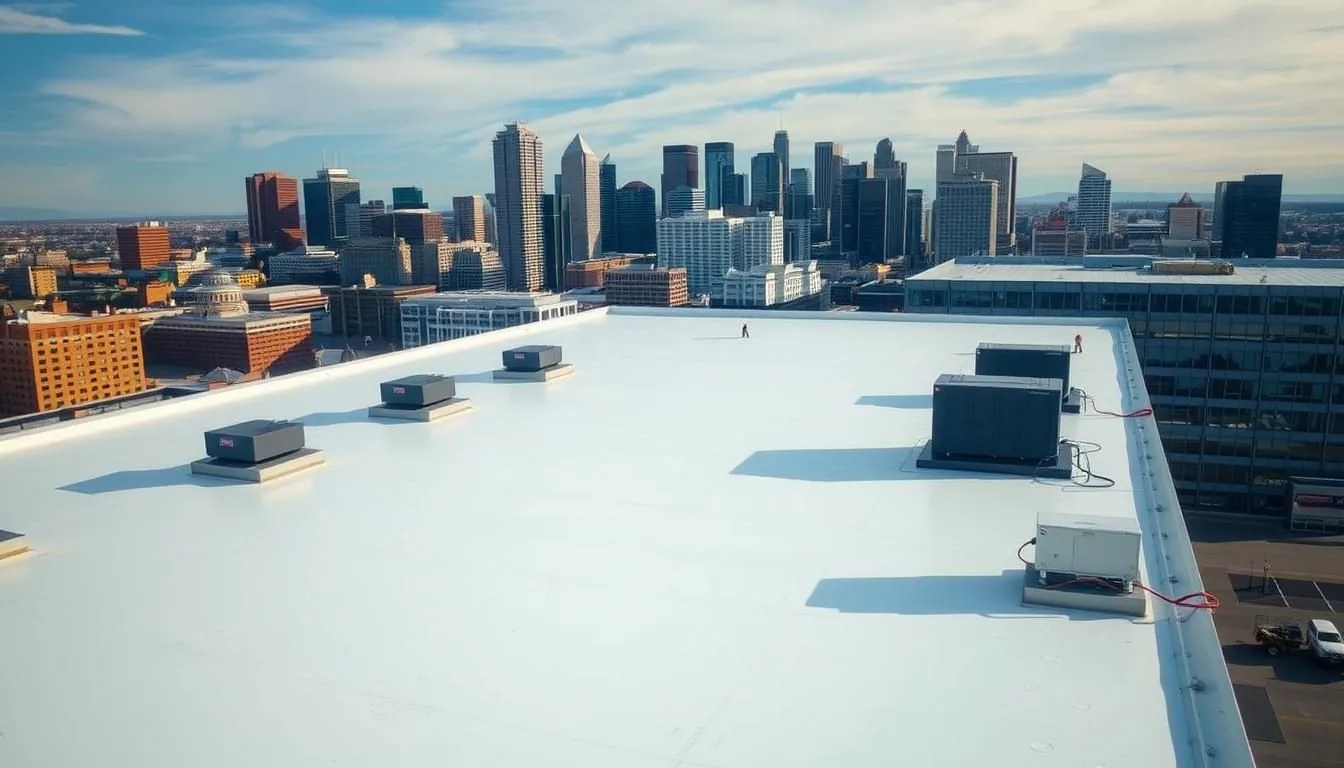
Chalky residue that transfers from a roof surface to a glove needs attention before a coating is applied. We examine the existing material, clean a suitable test area and assess how the proposed system will bond. Roof coating restoration in Orange, CA depends on a serviceable assembly beneath the new surface. Commercial Roofers Orange checks moisture, seams, flashing and drainage before recommending application. A coating can renew a suitable surface, while the preparation and detail repairs establish what it will adhere to and how water will leave the roof.
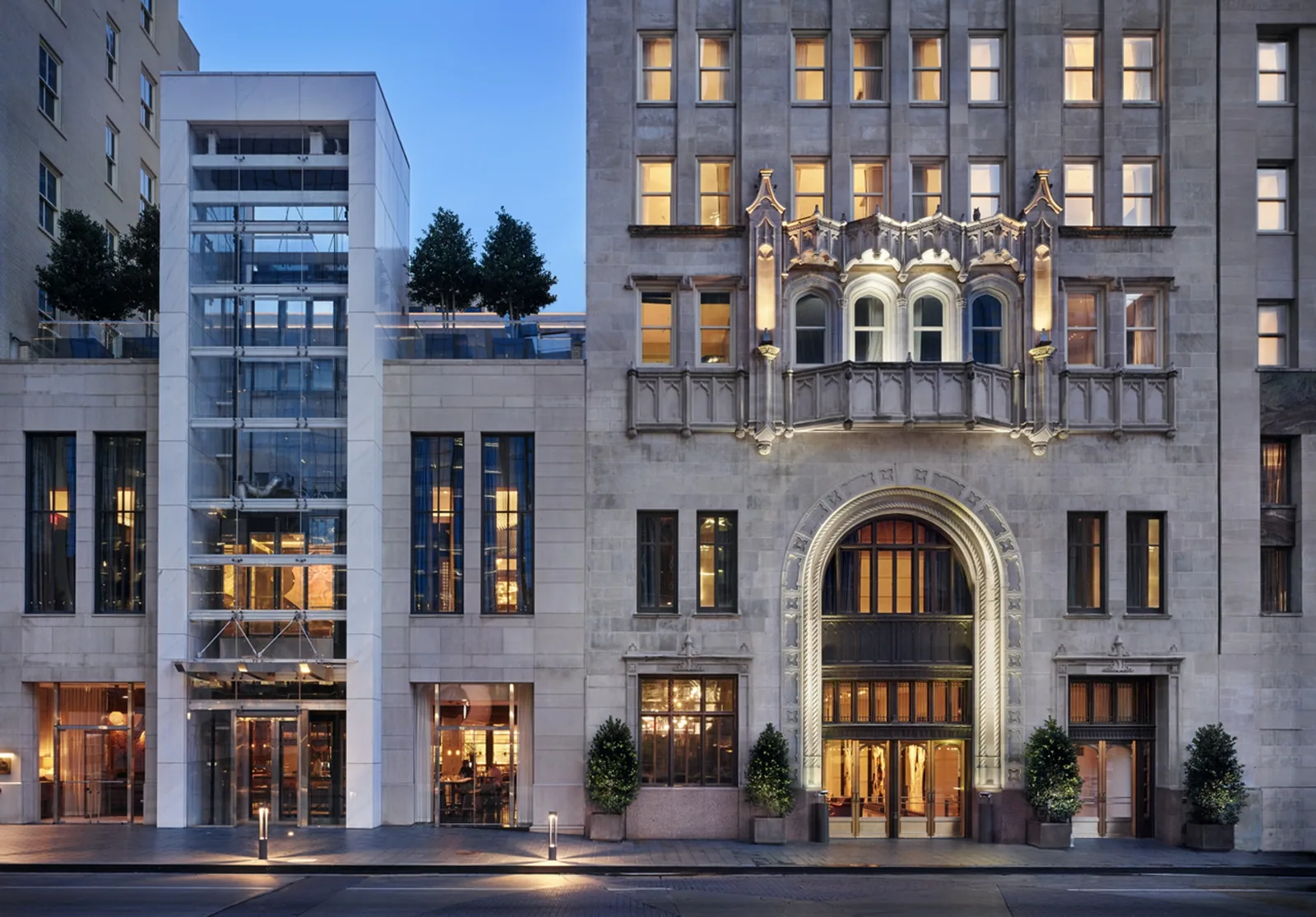
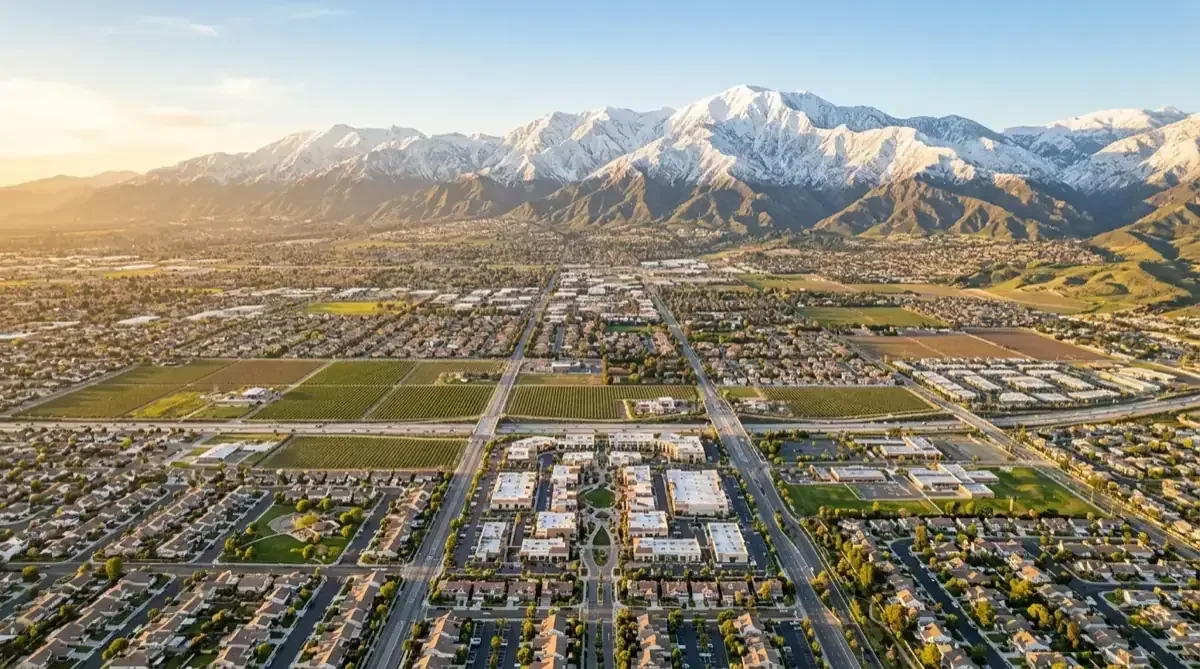
Savi Ranch contains hotels, offices, restaurants and retail in a district spanning Yorba Linda and Anaheim. Restoration on an occupied commercial property there needs consideration of air intakes, service access and the work below rooftop equipment. Orange's industrial districts bring different production and material-handling needs. We examine the installed roof and operating conditions together, then explain whether its layer condition and connection details support restoration or need a different form of roof work.
Bond starts with the retained surface
A dirty, oxidized or contaminated surface can prevent the intended coating connection. We inspect previous coatings, exposed membrane and accumulated deposits, then select preparation suited to the materials. Appropriate adhesion checks help assess the proposed system on the prepared substrate. The owner needs to know which areas require cleaning, primer, removal or another treatment. Applying more material over a detached coating can leave the same weak layer underneath the finished surface.
A physical condition inspection identifies whether the roof still has sound support and suitable connections. Soft layers, widespread separation or unresolved water entry need investigation before restoration is chosen. Where wet insulation is suspected, selected openings can establish its extent. The coating recommendation follows those findings and identifies retained material explicitly. That lets the owner compare renewal of a suitable roof with replacement where underlying layers have failed.
Open seams are corrected first
A split around a curb or an unsealed seam needs a compatible repair before field application. We examine the opening and adjacent material, remove unsuitable previous work and rebuild the connection. Reinforcement or a particular flashing treatment may be needed for the selected coating system. A detail that continues to move beyond the system's capacity requires attention to the component causing that movement. The coating film should be supported by a corrected connection rather than carry an unresolved opening alone.
At metal laps and fasteners, corrosion or loose attachment can affect preparation and repair. We inspect those points and distinguish surface treatment from component replacement. On membrane roofs, damaged sheet material may need a local patch using the appropriate method before the coating detail is installed. Flashing repairs at penetrations are included where the physical condition requires them, with enough access to prepare and complete the entire affected turn.
An abandoned pipe opening needs a suitable closure beneath the coating, with support that fits the roof assembly. We check whether the old penetration can be removed and the opening rebuilt, or whether a functioning service must remain. That decision changes the repair material and flashing arrangement. The owner can review the physical closure before it receives the coating, while the detail and its supporting layers are still visible.
Drainage affects system selection
A roof depression retaining water needs review of slope and outlets before coating selection. Silicone and acrylic systems have different requirements and suitability considerations, including their response to exposure and application conditions. We compare those characteristics with the actual roof rather than use color alone to choose a system. A silicone coating assembly still requires appropriate preparation, details and maintenance for the substrate on which it is applied.
The nearby Anaheim station has a 1991 to 2020 normal annual precipitation of 13.52 inches. We consider the Orange property's actual drainage and expected application conditions when planning work. An outlet restriction may need clearing; a persistent depression may need a physical correction. Coating the same low area leaves its geometry in place. We identify that condition in the repair comparison so the owner can choose the drainage work needed alongside surface restoration.
Application conditions need control
A damp surface can interfere with the intended coating cure or bond. We assess surface dryness, weather and the product's application requirements before proceeding. Rain, wind and temperature affect the useful working window. Overspray and nearby intakes also influence the application method and protection required. On an occupied hotel roof, guest areas and equipment operation can require staged work or another method of placing material.
The specified thickness and coverage must be achieved on the prepared surface, including difficult transitions. We check application as the work proceeds rather than rely on appearance after the film dries. Thin areas, missed details or contamination need correction using the system's requirements. The owner receives an explanation of the selected assembly and the installation checks relevant to it. A reflective appearance is only one characteristic of the completed roof treatment.
The finished film needs inspection
A newly coated curb connection deserves a close check for continuity, bonding and the treatment of corners. Field areas need review for defects that could expose the substrate. We inspect the completed surface and identify service routes that need protection. Equipment work performed afterward must preserve the coating and its flashing connections. Where a support or new penetration is changed, the repair method needs to fit the installed coating assembly.
A property in Savi Ranch may have different access needs around restaurant exhaust equipment and office mechanical units. We explain the maintenance points found on that particular roof. Follow-up views show prepared defects and finished repairs at recognizable locations. The owner can use them to check developing damage and arrange a compatible correction. Restoration stays useful when cleaning, outlet attention and service-traffic protection continue after application rather than stop at the completed surface.
Questions About Commercial Roof Coating Restoration
Can a coating be applied over peeling material?
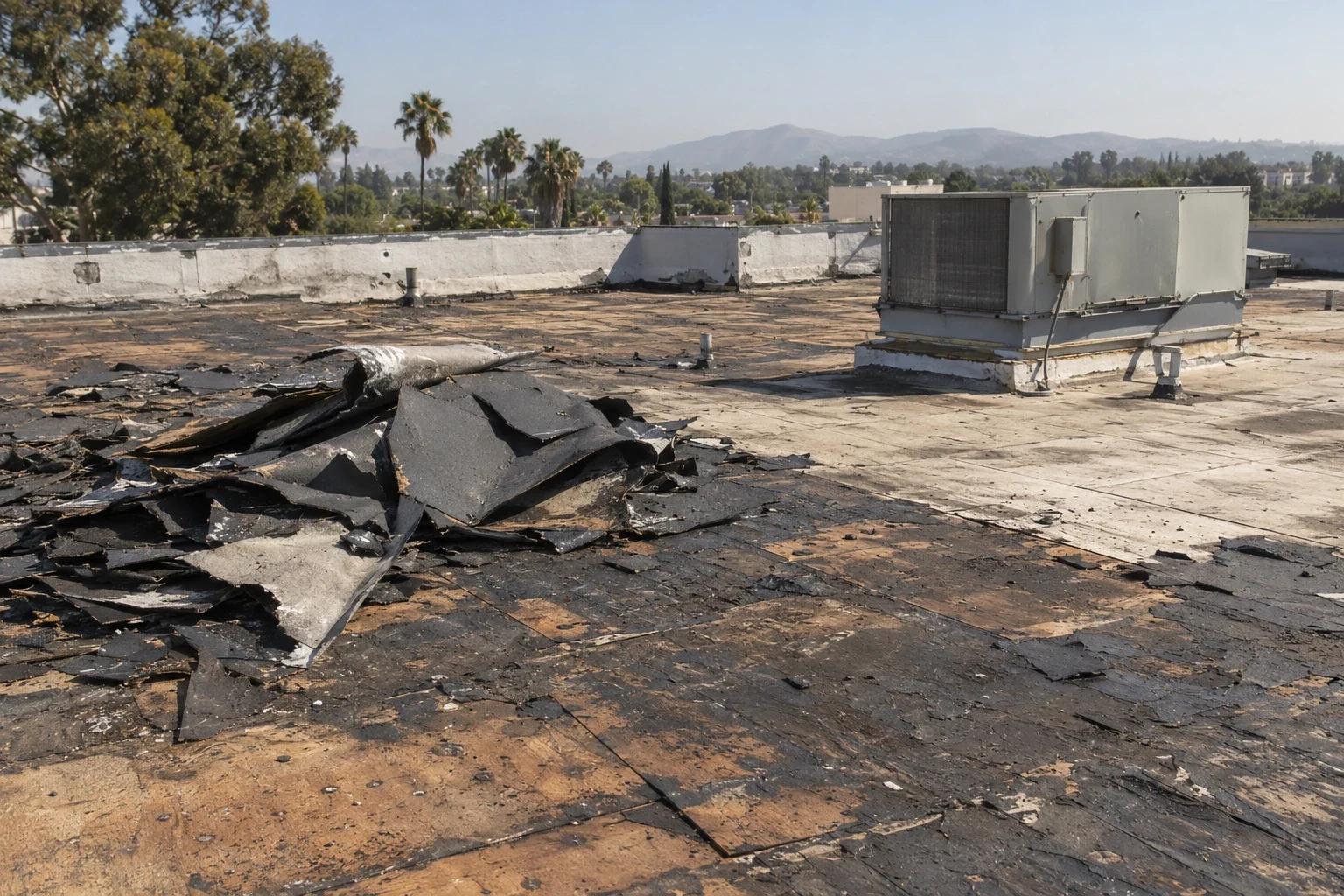
Peeling areas need examination of the layer that has detached and the surface beneath it. We remove unsuitable material and assess preparation and bonding before a new system is placed. Widespread separation can make extensive removal necessary before the prepared substrate will support the new coating system. The recommendation identifies that extent and compares it with another roof approach where the retained assembly cannot support the coating.
Should the coating choice change near a restaurant exhaust fan?
Deposits around exhaust equipment can affect cleaning, bonding and material suitability. We inspect the affected surface and discuss the equipment's operation before selecting a treatment. The appropriate system needs compatibility with the exposure and a workable maintenance approach. A wider field coating can require a different detail treatment near contamination, depending on the findings and the selected assembly.
Will a reflective coating fix insulation problems?
Surface reflectance and insulation condition address different parts of the roof's thermal behavior. We examine wet or damaged layers before recommending retention, because coating them does not restore their support or insulating function. The assembly review considers applicable energy requirements and the physical roof. Where insulation needs replacement, that work is defined before the restoration material is placed.
How can we assess the work beyond the finished color?
Preparation, repaired details and application checks give the owner useful ways to review restoration. We describe the retained substrate, corrections completed and the selected system's installation requirements. Close views of repaired seams and curbs help locate those changes later. Surface appearance is reviewed alongside continuity and suitable application thickness, with maintenance instructions directed at the roof details actually present.
Related Roofing Work
Examine the surface before coating
Tell us the Orange property's roof material, visible peeling or leaks and equipment restrictions. We can check restoration suitability and explain the preparation required. Call 555-555-5555 or request a roof assessment.