Commercial Roofing in Savi Ranch, Yorba Linda, CA
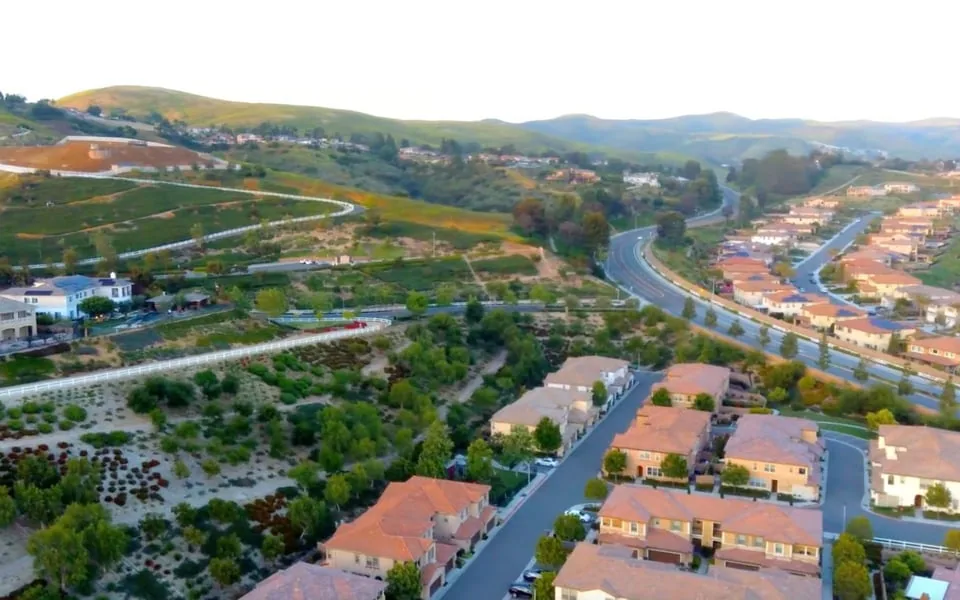
A roof repair in a shared commercial district starts with the building, not the boundary line. Savi Ranch is a business area spanning Yorba Linda and Anaheim, with offices, hotels, automobile dealers, restaurants and retail buildings. The larger eastern portion lies in Yorba Linda and the western portion in Anaheim. We inspect each property directly, tracing leaks through seams, curbs and drainage details before setting the repair limit. That variety of uses means access, deliveries and interior protection can differ from one address to the next, even within the same district. Nearby Anaheim Canyon is a separate industrial area, while Yorba Linda Town Center is another commercial setting. Our work record identifies the property and roof zone, documents what failed and explains whether repair, restoration or replacement fits the observed condition.
Locate the failed detail first
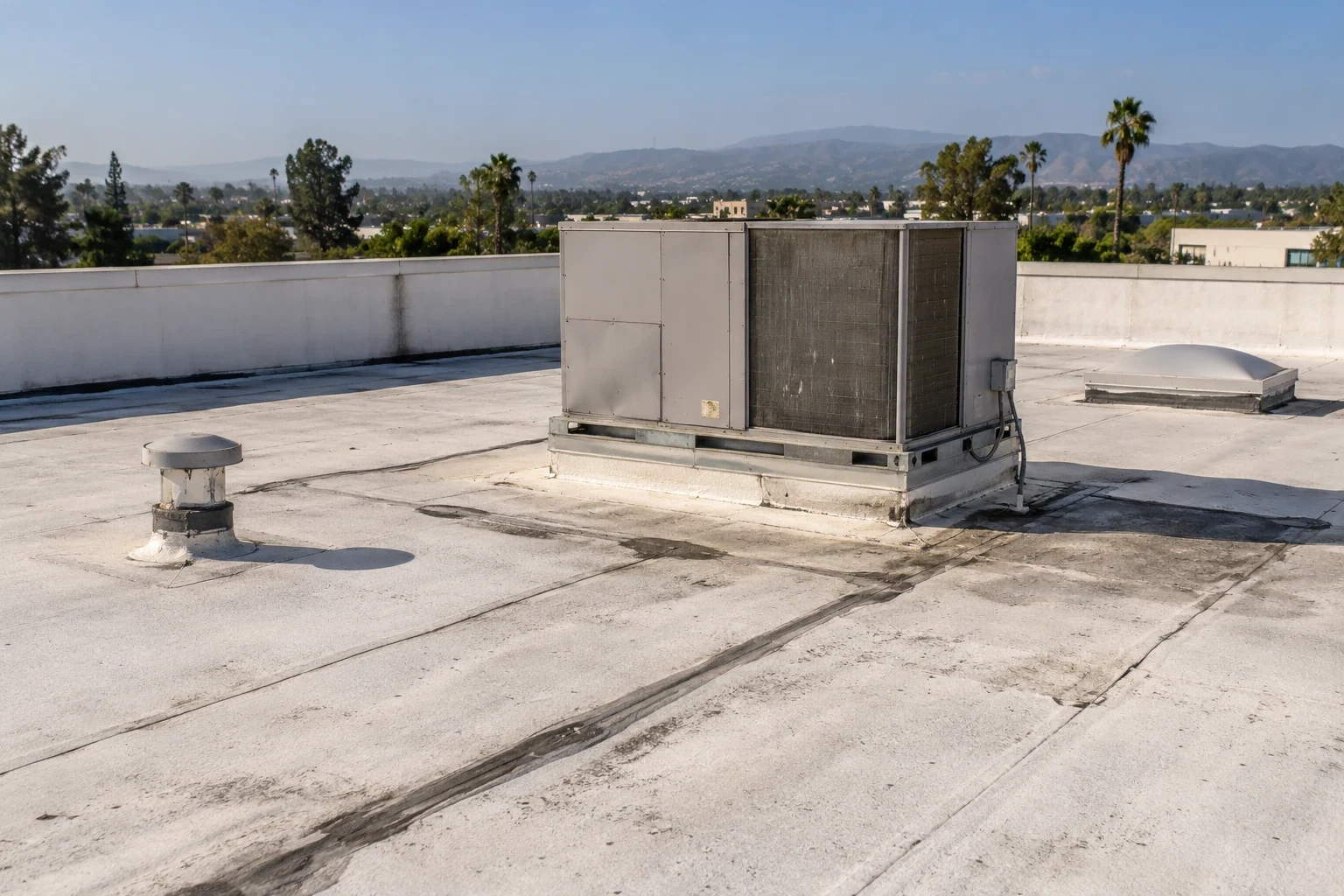
A water mark inside a hotel, office or dealership can appear away from the opening above it. We compare the reported area with the roof slope and look at the details that collect water: seams, pipe penetrations, curbs, wall transitions and drains. We photograph suspected openings and check whether the membrane remains attached around them. When the visible surface does not show the full condition, a seam probe or measured opening can help decide whether layers below need testing.
Because Savi Ranch is shared by Anaheim and Yorba Linda, we confirm the property's city and access contact before scheduling work. We record the building name or management identifier supplied by the owner, the roof section inspected and the condition observed. A commercial roof inspection can map issues beyond the immediate leak, while a leak repair visit can focus on the opening supported by the evidence. If several tenants share a roof, the work scope should also state which areas below need access or protection.
Plan around different operating hours
Retail, restaurants and automobile sales bring different access patterns. A receiving door may need to stay clear, a dining area may have service periods, and a hotel has occupied rooms to protect. We confirm those limits with the property contact before staging materials or opening the roof. The roof condition determines the work sequence; the operating schedule helps place it. If temporary dry-in is needed before permanent materials arrive, we describe that step and the area it protects.
For office sections, the owner may prefer work grouped by roof zone. At a customer-facing entrance, the priority could be safe access and keeping debris away from the public. We identify whether a repair can be isolated or needs a broader barrier. The occupied-building sequence can organize work in phases, with the affected area, access route and expected disruption written down. Owners with properties in Yorba Linda or Anaheim Canyon can compare the records while keeping each property’s hours and conditions distinct.
Check drainage at the whole roof section
A drain restriction may add water pressure near a seam or flashing, but clearing the outlet alone will not repair a membrane opening. We inspect drain bowls, strainers, scuppers and the surrounding surface, then check how water reaches them. A depression, loose edge or damaged curb can change the route. We describe those findings separately so the property owner knows which correction addresses the outlet and which addresses the roof field.
The Anaheim station's NOAA climate normals show annual precipitation of 13.52 inches, with much more in January than August. The nearby station's rainfall normals highlight why the actual roof's drainage path should be checked before wetter months. They are useful context for checking drainage before the cooler, wetter months and reviewing sealants after a hot summer. If the roof retains water away from an outlet, we map the extent rather than assuming a drain repair will solve it. The drain and scupper work can address the discharge detail, while standing-water roof repair examines the broader surface and membrane condition.
Compare the limits of each option
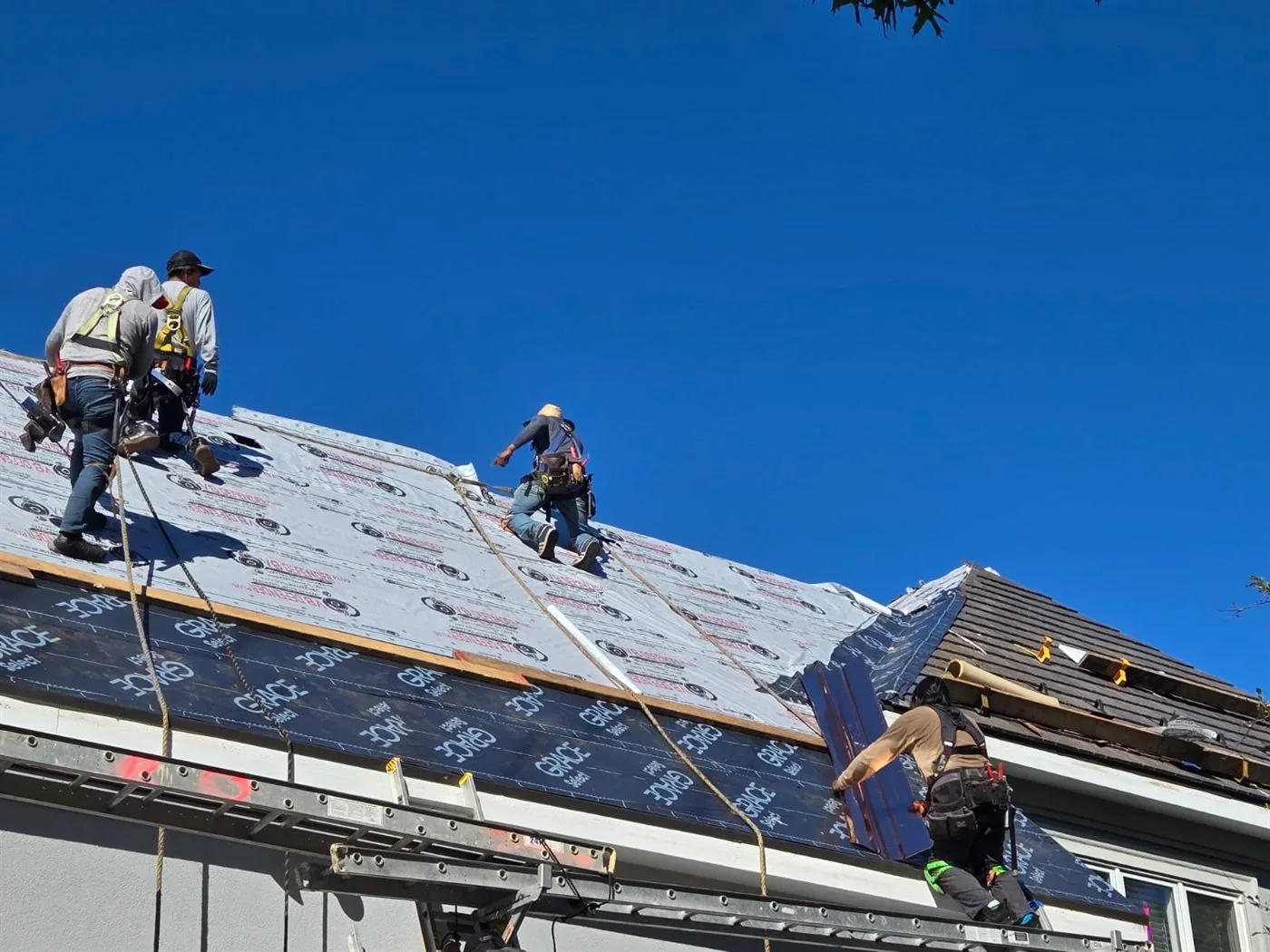
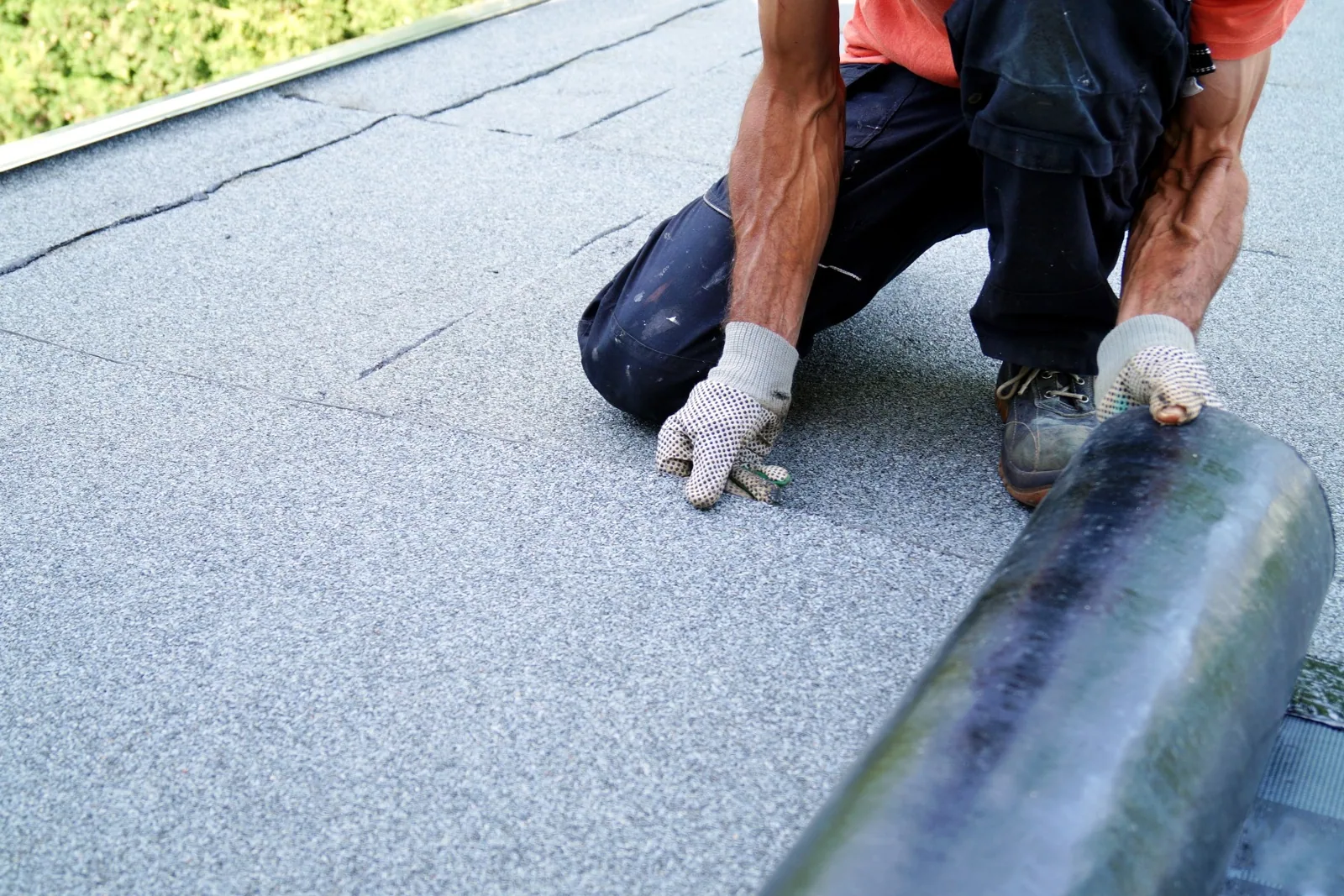
A bounded patch works when the damage is isolated and the surrounding material can support a sound tie-in. A recurring leak, separated seams or wet insulation may require a larger opening or a different project scope. We state what the repair removes and replaces, how it ties into the existing surface and which nearby conditions remain outside the approved area. If a test opening finds additional damage, we pause to document the change and discuss the revised boundary.
Restoration and replacement have different prerequisites. Coating requires a compatible and stable substrate; a recover should not conceal moisture that needs removal. Full replacement provides access to the existing layers, but it also requires decisions about penetrations, edge metal and drainage. We explain which evidence points toward each route. A TPO membrane system has welded seams and penetration details to check; a standing seam roof calls for inspection of panel attachment and transitions. The building use and existing assembly, rather than its location in the district, guide that comparison.
Keep a work record tied to the property
The closeout should identify the roof area and explain what changed. We include photographs of the initial condition, the repair boundary and the finished tie-in. When material is removed, the record describes what the exposed layer showed and whether the scope changed. We also record nearby concerns that remain unresolved or were not part of the approved work. This prevents a small repair from being confused with a complete roof renewal.
For a property manager responsible for locations on both sides of Savi Ranch, clear building identifiers matter. We keep each roof's photos and findings with its own record, while using consistent terms for urgency and work status. Our roof condition report can group immediate water-entry repairs separately from maintenance. A preventive roof visit can return attention to drains, edges and earlier repairs before another interior report. If the owner is considering a capital project, a roof survey can describe remaining serviceable areas and information still needed to price the work. The goal is a usable decision file for the person who will manage the roof next.
When a roof has more than one tenant or operating group below it, we can label work zones with the owner’s building names and access points. That makes it easier to route a follow-up to the correct contact and avoid confusing two repairs in the same commercial district. The record stays focused on the property and the work performed, so a future review can identify the condition without relying on neighborhood shorthand.
Questions About Savi Ranch, Yorba Linda
Does Savi Ranch being shared by two cities change how you handle a roof repair?
It does not change the inspection. We identify the property and roof section, then coordinate with its owner or manager. We keep the service record tied to that building, regardless of which portion of the district contains it.
Can work be scheduled around hotel guests or retail traffic?
We plan with the property contact around occupied areas, deliveries and customer access. The roof assembly and repair method set the work steps; operating hours help set the sequence. We identify any temporary closure or interior protection before the crew arrives.
Will clearing a drain stop water from entering indoors?
Only if the restriction is the relevant cause and there is no separate opening in the roof. We inspect the outlet, nearby membrane and leak path. The scope shows whether drainage correction, flashing repair or both are needed.
How do we compare a patch with a larger roof project?
We document the area of damage, the condition around it and whether lower layers are wet. A bounded defect can support a patch. Repeated seam separation, unstable material or moisture may require a wider repair or system review. We explain the boundaries and remaining risks for each option.
Related Roofing Work
Start with the property and roof zone
Share the Savi Ranch building location, the reported leak and any operating limits. We will inspect the roof detail, coordinate access and explain the repair or planning options. Call 555-555-5555 or request a roof assessment.