Commercial Roofing in Cypress, CA
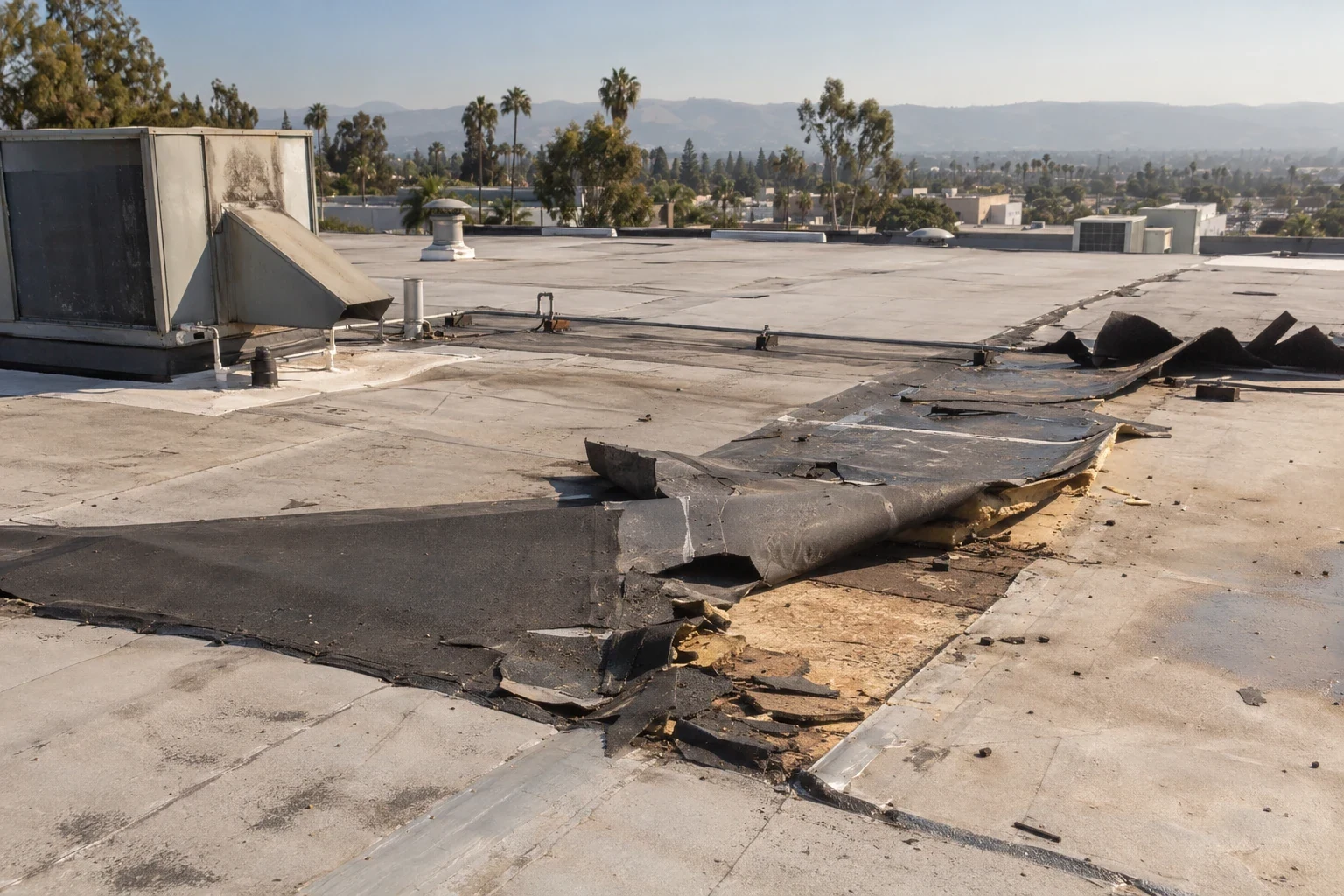
A soft patch of roof membrane beside a vent can conceal a seam failure or wet insulation beneath it. In Cypress, CA, we inspect the vent flashing, adjacent field, and likely water path before deciding how far to open the roof. Cypress employers in 2018 included UnitedHealth Group and Siemens, while Cypress College and Trident University were also part of the local mix. Los Alamitos Race Course is located in Cypress, despite carrying the neighboring city's name. The city brings together corporate, education, and event-related activity. Each roof still requires an assembly check, and the building owner supplies the access and operating requirements for the inspection. A roof inspection records the observed condition and identifies which questions need direct testing.
Check flashing at every change
Where a vent or pipe passes through the roof, water protection depends on the flashing and its connection to the surrounding membrane. We inspect the flashing collar, seam at the base, and nearby surface for cracks, lifted edges, or service wear. At a wall or parapet, we follow the termination and metal joints. The inspection also checks roof drains and nearby low areas, since water held against a failed detail can make a small opening more consequential. A repair limit should reach material that can accept a compatible tie-in. We check the fastening and termination beneath the flashing, because a new seal over a loose base can release again. A photograph from above and a close view of the seam help set a repair line the property manager can review.
Cypress includes education and office technology employers, as well as Los Alamitos Race Course. A campus, office, or public venue has its own roof access and operating schedule. The property contact tells us which areas below need protection and what equipment must stay active. We set the work zone and timing from those site requirements. If water is entering, commercial leak repair can protect the interior while we confirm the roof opening and permanent repair method.
Confirm whether layers are wet
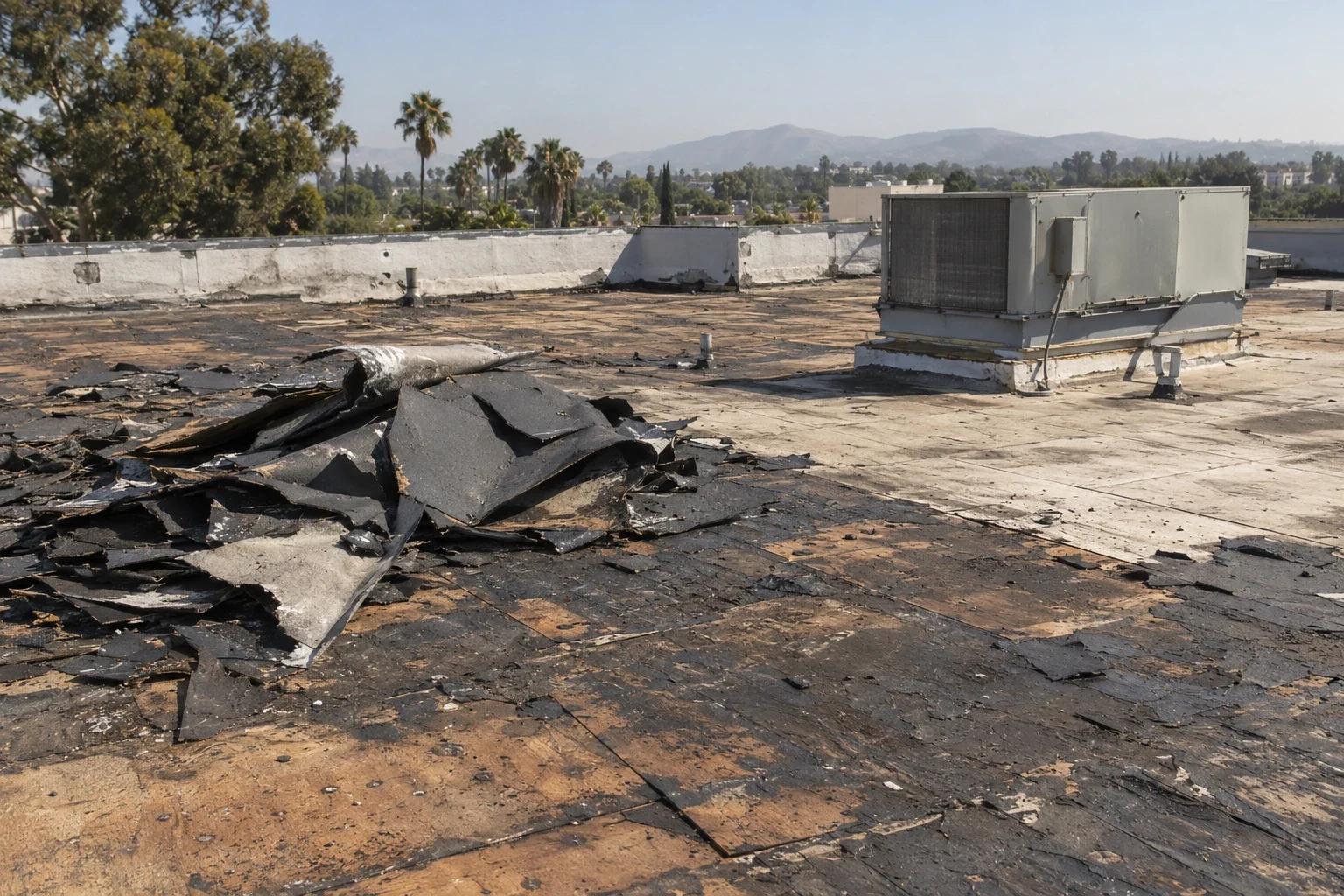
A test opening is useful when the surface does not reveal whether moisture has reached insulation or deck. We choose a location based on the reported entry and nearby roof details, then measure and photograph the cut. The exposed layers show whether a local tie-in is appropriate or removal should extend farther. We record the materials present and close the area using components suited to the existing assembly. The owner receives a clear distinction between the condition seen at the opening and any surrounding area that remains untested. We also check how the new repair can meet the existing membrane. Material compatibility, clean preparation, and a sound weld or adhesive bond affect whether the tie-in can be executed as scoped. A cut that exposes a different layer may require a revised detail before the roof is closed.
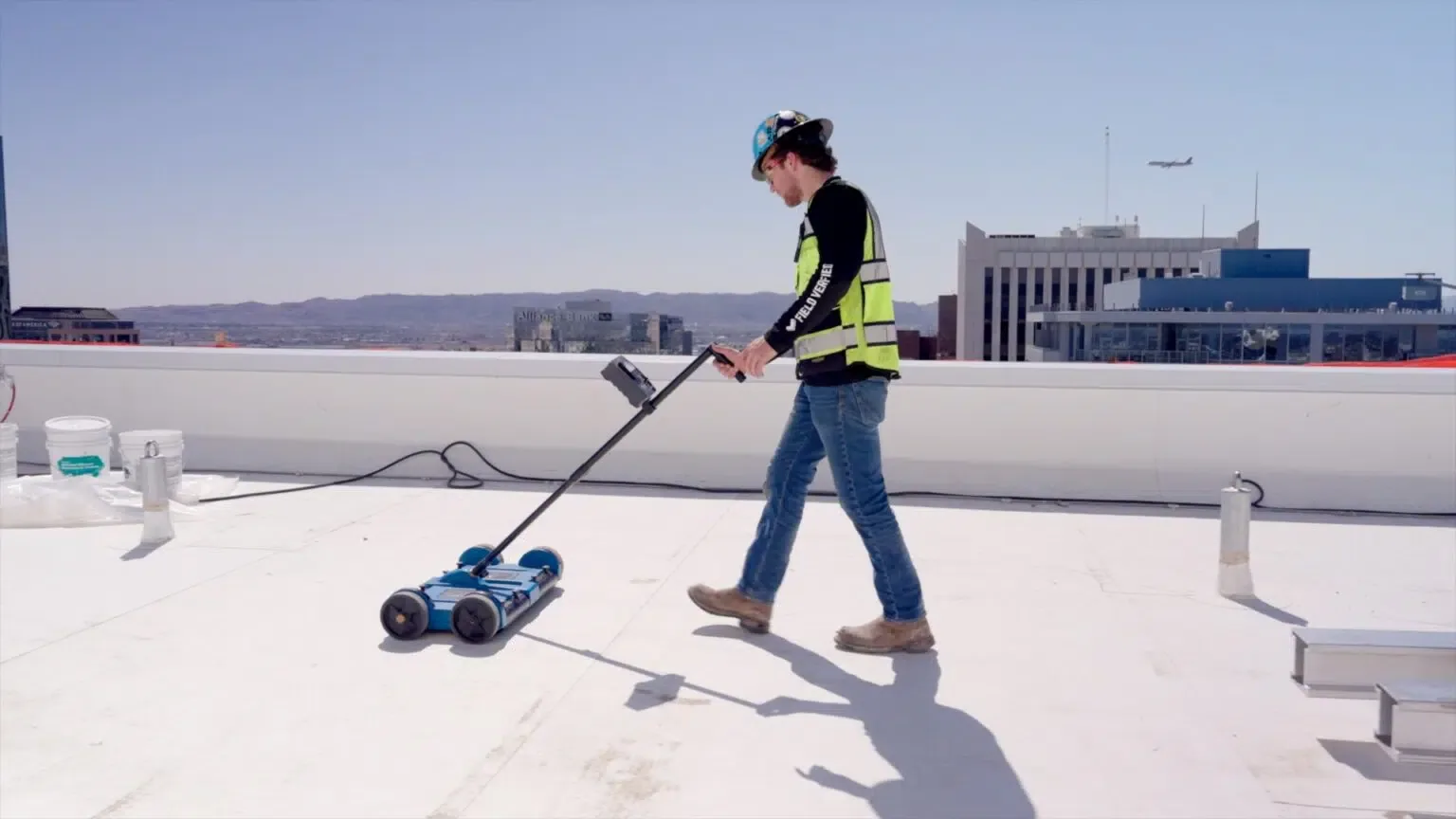
For a larger roof, an infrared survey can point to sections that warrant direct checking. Readings can shift with surface conditions and roof construction, so a scan alone does not define removal. We compare the pattern with the leak history, visible seams, and roof plans, then verify locations where the answer would alter the scope. Infrared moisture screening can focus the next inspection when the report shows which readings were confirmed and which remain leads for further examination.
Set a boundary before work begins
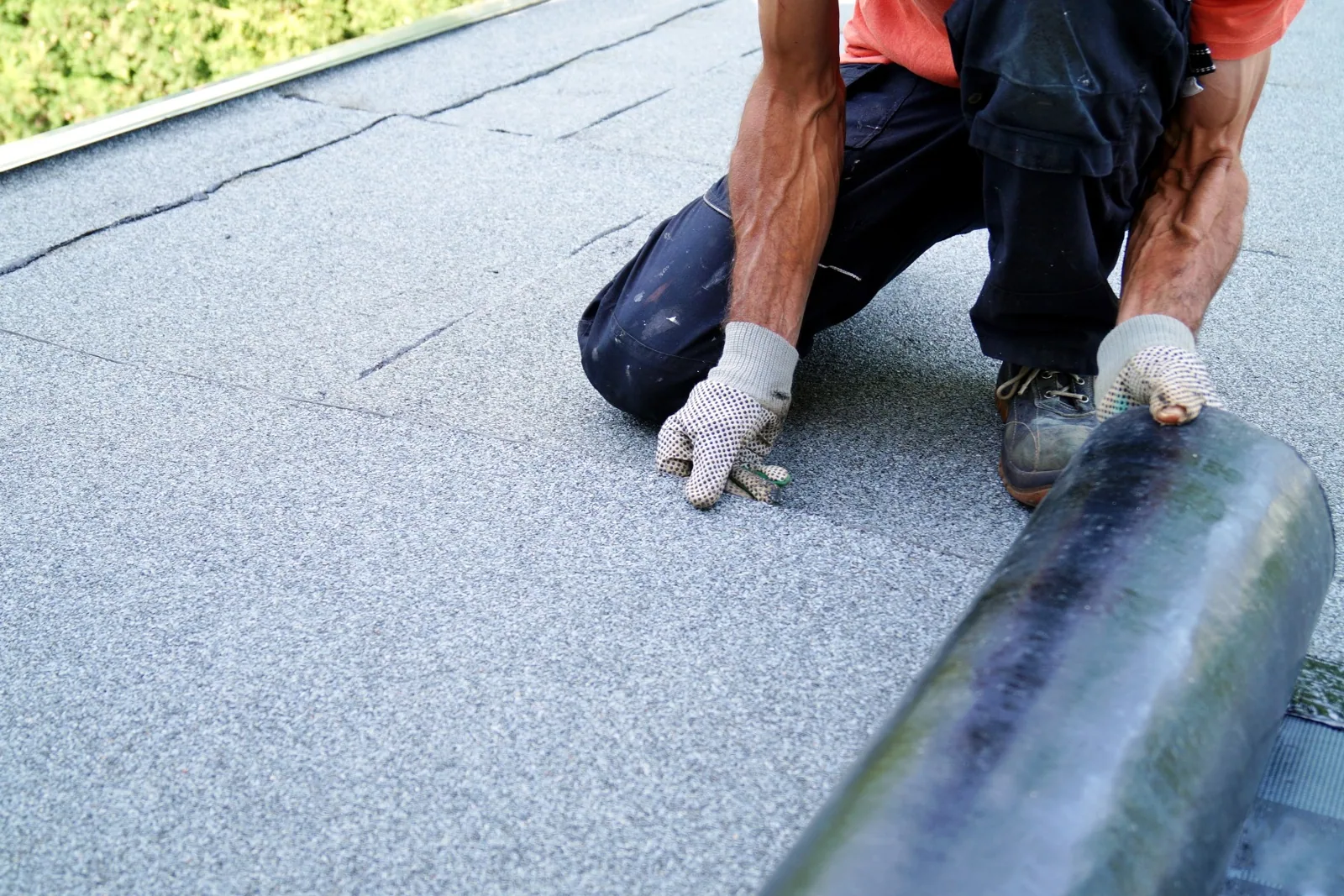
The work plan should identify the failed component, preparation area, compatible repair material, and surrounding detail that must be tied in. If a test confirms dry insulation and a sound deck, a repair may remain local. If moisture extends under several seams or the roof has recurring failures in different zones, we compare a broader removal or replacement. The scope explains which observations support each option, so the owner can evaluate the repair against the roof condition rather than a general rule.
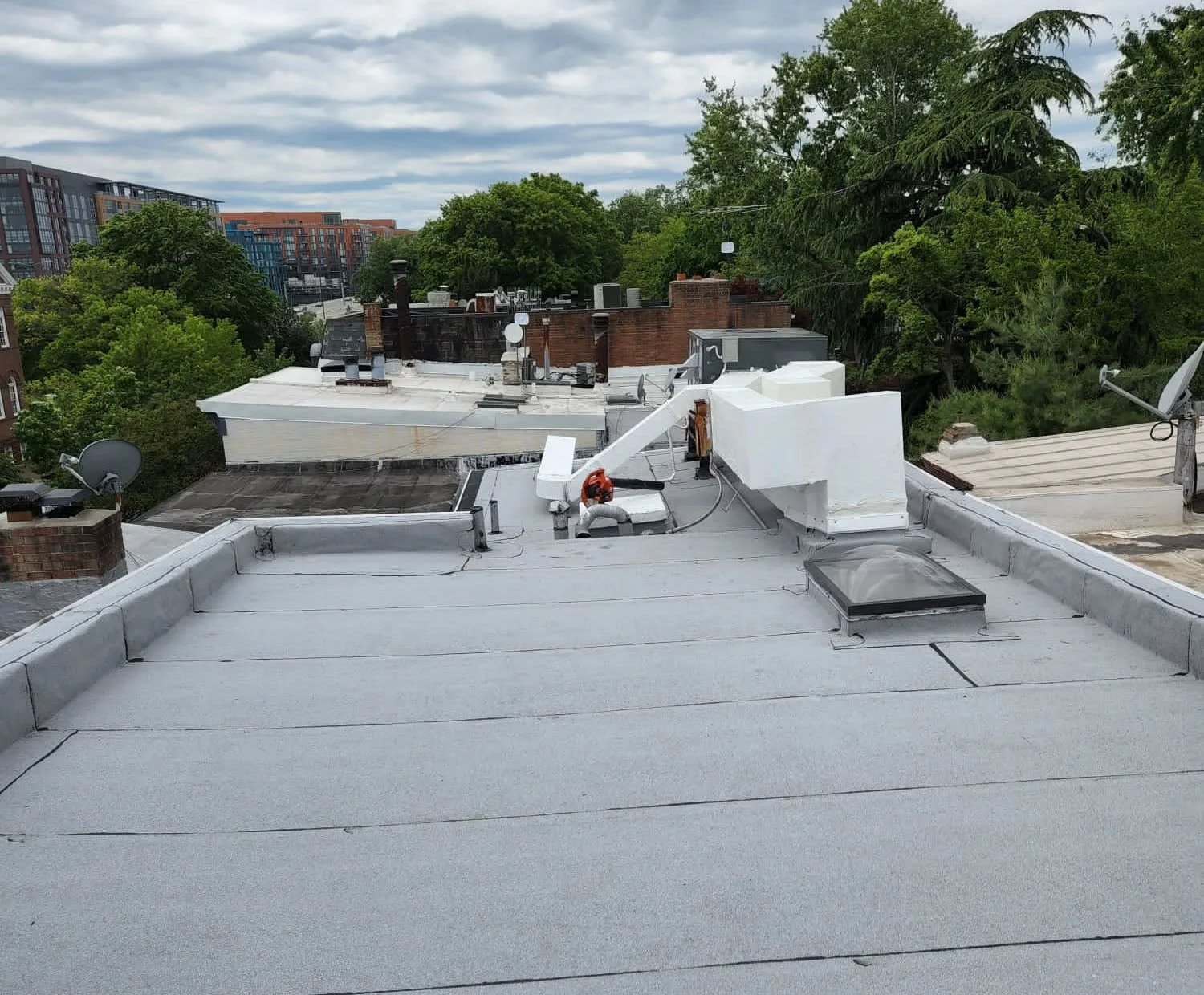
Replacement planning includes existing layers, attachment, drainage, penetrations, perimeter metal, access, and protection below. A recover is possible only when moisture, loading, drainage, attachment, and applicable requirements support another layer. We inspect each property against those conditions before recommending another layer. A replacement comparison can include tear-off assumptions, staging, and phasing. A condition report can preserve the photos and findings that informed the owner's decision.
Coordinate roof access with the site
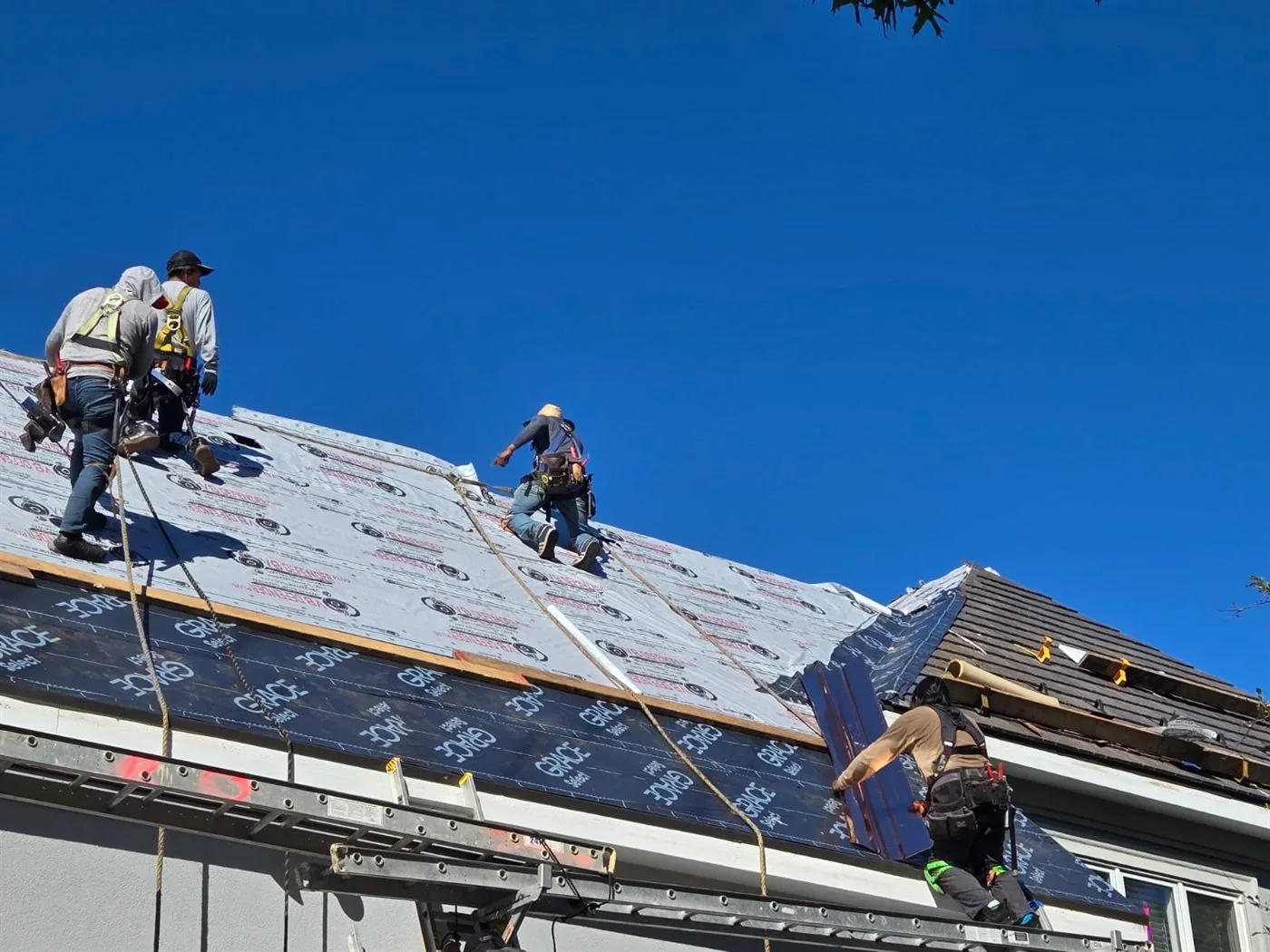
Roofing materials and tools need a safe route from the access point to the repair. We confirm that path, identify spaces below the work, and coordinate any equipment interruption with the building contact. At an educational or office property, the work window may depend on the actual room use or internal schedule. At a venue, public routes may require separate protection. Because the race course is within Cypress, event-related facilities form part of the city's varied operating context. Its operator would set any venue-specific access or event restrictions for work at that property.
After a wind event, trace roof movement from the perimeter edge through adjacent seams and flashings before setting the repair area. After a wind report, we check edge metal, coping, rooftop screens, and membrane attachment, then inspect whether movement has opened a seam or flashing joint. A visible loose piece may not be the only affected detail. Wind-related roof repair should address the connection and restore the water path. Emergency response is available around the clock when active water entry requires prompt protection; a permanent repair follows once safe access and the damage sequence are established.
Keep repair notes tied to the roof
We record the roof section, failed detail, materials used, and any layers found during the work. Photographs show the original condition and completed connection. If the test opening revealed wet insulation or damage beyond the authorized scope, the owner receives a separate description of that condition and its location. This prevents an open recommendation from being mistaken for completed work and helps the next inspection return to the same place.
A later visit can check the repaired vent, seam, or edge and note whether its condition changed. Preventive roof maintenance can review those points and other visible details. Property managers working in nearby Stanton or La Palma can use a common record format without treating the buildings as identical. Each report should follow the assembly inspected, the access limits encountered, and the evidence found at that site.
Questions About Cypress
The leak is near a vent in Cypress. How do you know whether the flashing or membrane failed?
We inspect the collar, flashing seam, membrane bond, and nearby transitions, then check the surface for wear from service access. If the connection is sound but moisture may be below it, a measured opening can help find the actual boundary. The repair scope names the failed component and material used for the tie-in.
How do you coordinate roof work above an educational or public venue?
We confirm roof access, occupied areas below, material staging, and any event or class schedule with the property contact. The roof layout determines whether the work can be divided into zones. We identify protection and access limits in the scope so the site team can plan around them.
What does an infrared result tell a Cypress property manager?
It can direct attention to sections that need verification, but it does not prove moisture by itself. We compare the reading with the roof build-up and leak history, then test locations if the result changes the repair boundary. The report distinguishes a screening pattern from a condition confirmed by opening the roof.
Can the crew work above classes or office activity?
We coordinate roof access, rooms below, and any noisy or equipment-related steps with the site contact. The sequence depends on the repair and the actual operating calendar. We identify protection and access controls in advance, then report a concealed condition if it requires a change to the work area.
Related Roofing Work
Review a Cypress roof condition
Tell us where water appears, what roof records are available, and which areas or operations need protection. We will inspect the assembly and explain the next step. Call 555-555-5555 or request a roof assessment.