
Commercial Roof Membrane Puncture Repair in Orange, CA
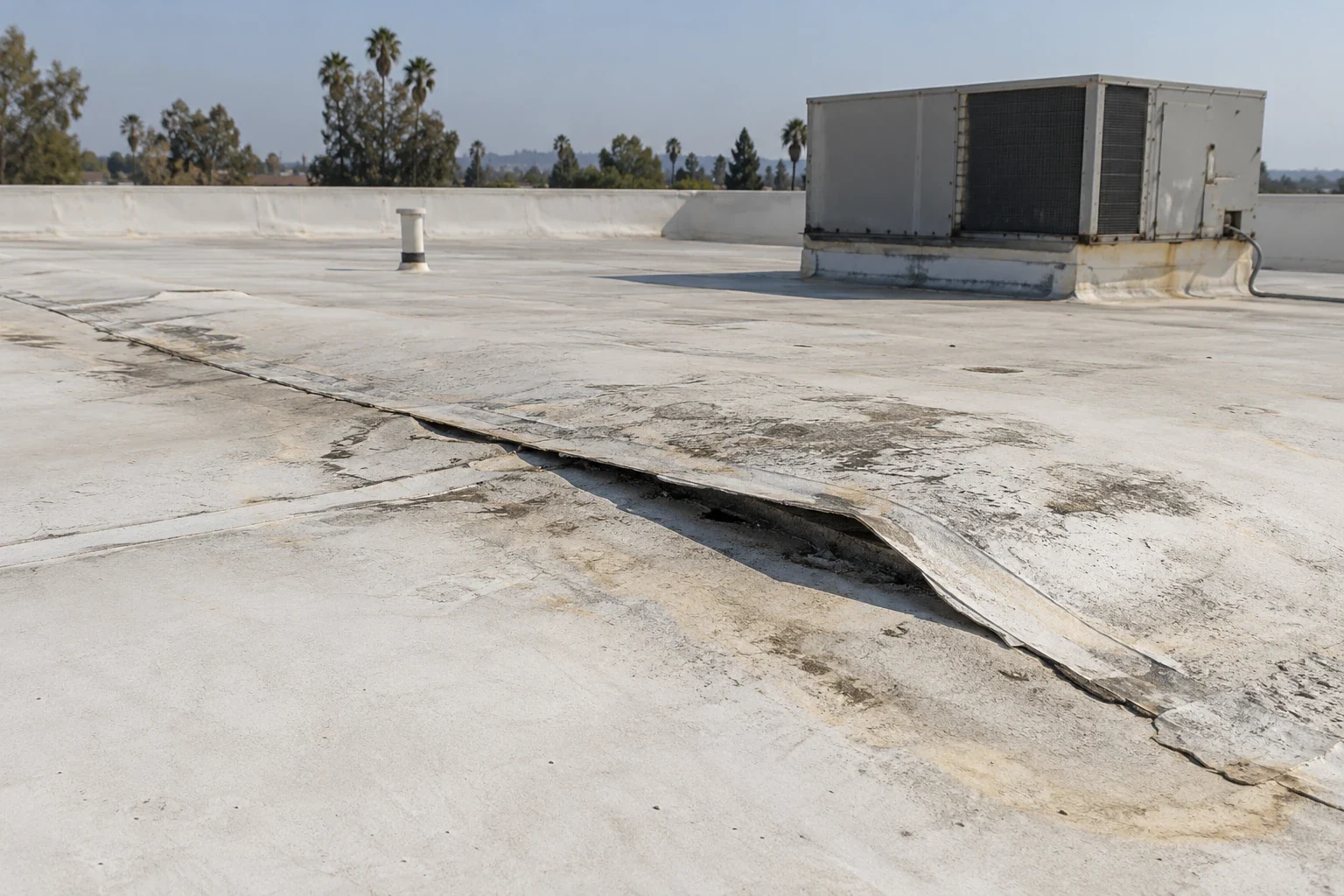
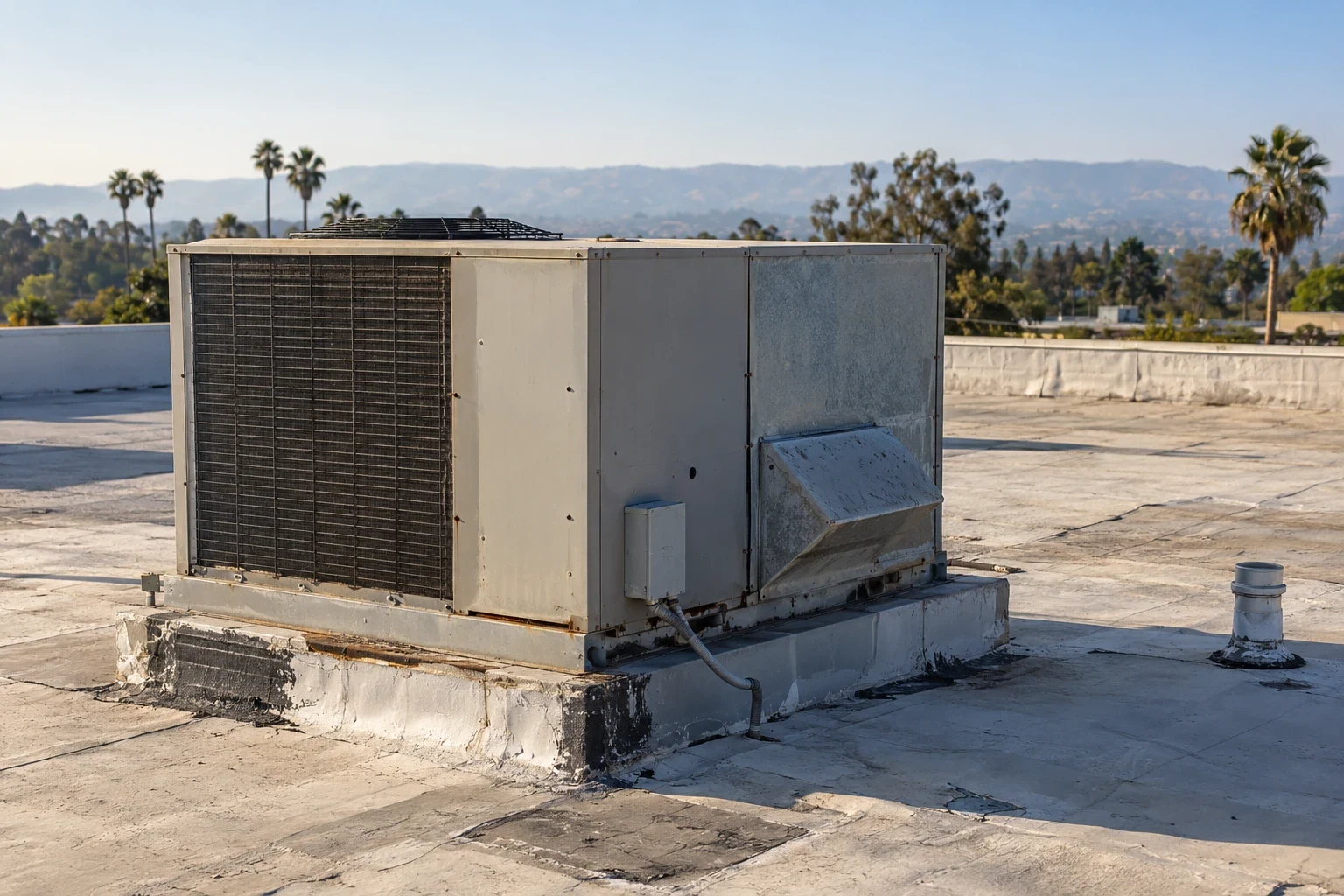
A membrane cut with an exposed service conduit beneath it changes how the receiving area can be examined and rebuilt. The opening needs weather correction, while the service component requires assessment by its responsible participant before layer removal proceeds around it. Commercial roof membrane puncture repair in Orange, CA begins with that installed relationship. Commercial Roofers Orange locates the damaged sheet and suitable joining material without treating the service interface as ordinary backing. We explain roof preparation, component dependencies and protection needed before the owner selects permanent closure.
In 2023, Air Industries and Safran Cabin were Garden Grove employers, alongside GKN Aerospace Transparency Systems. Brea's employers that year included Bristol Industries and Beckman Coulter. At the property being assessed, the owner establishes actual service components, equipment operation and occupied spaces. We inspect the roof construction and arrange appropriate access with responsible participants. The recommendation follows the damaged membrane and material receiving its repair, including the component assessment and protection required at the particular opening.
The exposed service relationship needs responsible assessment
We locate the visible conduit and roof opening before selecting further removal. The owner and responsible service participant establish the condition and work arrangements appropriate to that component. Inspecting punctures beside roof service components identifies membrane damage and receiving layers within the prepared work area. Service assessment and roofing correction remain separate tasks. The scope describes compatible closure after suitable component and support preparation, with appropriate protection while the opening is unfinished.
A visible conduit can affect the access and methods suitable for examination around it. We identify that dependency before deeper layers are opened, with the responsible participant establishing the relevant service arrangements. The roofing boundary reaches suitable membrane and backing without concealing an unresolved component task. Useful location views show the relationship between the cut and installed service. They explain the preparation needed for the actual repair, helping the owner arrange participants and occupied access around a defined physical correction.
The puncture perimeter must reach suitable joining material
We examine sheet condition, adjoining seams and earlier treatments around the opening. The new connection requires compatible material and enough accessible area for the specified joining method. Assessing seams beside the puncture boundary identifies related preparation where the repair reaches an existing lap. A cut crossing several layers can need a different detail from one confined to a suitable flat field, so removal is defined through the construction actually present.
Detached sheet or unsuitable old treatment can change the perimeter. We inspect attachment and explain the material prepared under a bounded correction. Examining adjoining flashing at punctured areas includes receiving backing and component preparation where the repair reaches a curb or wall. The owner receives construction retained beside the new connection, with responsible support assessment identified where necessary. The scope describes the complete physical boundary rather than choose a patch only from the visible slit length.
Wet backing can require a different removal depth
Water through the cut can affect insulation outside its visible perimeter. Selected physical checks establish concealed condition within the appropriately prepared work area. Correcting layers beneath punctured roof membrane identifies deficient board or wet insulation included before new material covers it. The service relationship remains coordinated with its responsible participant during examination and preparation. Deck concerns receive appropriate professional review where their condition changes the supporting work required.
A serviceable adjoining assembly can allow localized sheet and layer correction. Wider deficient material may require broader reconstruction. We explain further investigation by purpose and location before the owner selects that larger boundary. Each option identifies construction removed and retained beneath the new connection. Occupied-area protection follows the actual depth opened, with service preparation and access requirements included. Those findings make the repair comparison specific to the membrane, supporting layers and installed components involved rather than treat every small opening as the same surface patch.
A broader roof choice includes the service interface
Field renewal requires the conduit or other installed service relationship understood before layers are removed or new material is placed around it. We compare deck condition, insulation and attachment with the owner. Recover depends on suitable retained construction and applicable requirements considered alongside changed height. Removal can provide access to deficient backing but still needs responsible component preparation. Each option locates the roof material kept and reconstructed with the physical interfaces the completed assembly must accommodate.
Assessing related supports and weather connections distinguishes component support from the membrane perimeter where equipment work is involved. Suitable receiving dimensions and joining access are established before permanent closure. Relevant design or support assessment is included where changes require it. The owner receives component dependencies and practical temporary boundaries through each option. That comparison connects a larger roof project to the actual service arrangement rather than let field selection conceal an unfinished task beneath the new surface.
Occupied access follows the prepared opening
The owner establishes affected spaces, roof entry and material routes with responsible participants before removal. We relate protection and handling to the defined work area and its service dependencies. Staging needs appropriate loading and usable discharge paths. Equipment and intake relationships influencing preparation are reviewed before the installation method is selected. The daily portion includes a suitable protected stopping detail while receiving-layer or component work remains unfinished, with current conditions considered alongside specified material requirements.
At a property in Garden Grove, those arrangements follow its actual roof and occupied operation. A compatible patch perimeter may need access beyond the opening's footprint. We inspect that space before phases are chosen. The scope shows removal, preparation and suitable closure together, allowing the owner to arrange service participation around the physical correction. The membrane is finished after the responsible component work and receiving material are prepared for the specified joining relationship.
Completed views locate the closed puncture and retained services
We inspect finished roofing through the methods appropriate to its system and show important supporting-layer correction before closure. Service participants complete the assessment appropriate to their component work. Finished views locate the puncture repaired and adjoining construction retained, with useful references to the service relationship involved. The owner can find that boundary during later examination or equipment alteration. Future work is reviewed before it cuts the new membrane or changes access to the prepared weather connection.
Service contact can create another risk at the repaired area if its route changes. We identify suitable traffic protection where repeated access threatens the membrane connection. A returning complaint needs present sheet, backing and component condition examined through appropriate work arrangements. Earlier views help locate the construction changed, while new findings determine suitable next correction. The owner receives the actual preparation and protection tasks for that portion, keeping follow-up information tied to a physical repair decision and responsible service coordination.
Questions About Commercial Roof Membrane Puncture Repair
Why identify an exposed conduit before deeper puncture examination?
The service component can change appropriate access and preparation around the roof opening. Its responsible participant assesses condition and establishes relevant work arrangements before layers are removed beside it. We locate membrane damage and suitable receiving material within that prepared area. The scope identifies roof correction and service dependencies separately, allowing permanent closure to follow appropriate component and backing preparation.
Can a small membrane cut need a larger compatible joining perimeter?
Existing seams, older treatments or detached sheet can affect material available around the opening. We examine those conditions and define removal that reaches a suitable connection. The owner receives retained construction and the layers corrected under the patch. A repair boundary follows the installed assembly and specified joining detail, rather than only the visible slit dimensions.
What changes when wet insulation is found beneath a puncture?
Receiving-layer correction becomes part of the work before new membrane is installed. Selected checks establish its extent through suitable access and coordinated service arrangements. We identify insulation, board or backing removed and retained under each option. The owner can compare a bounded correction with wider reconstruction, with occupied protection related to the actual roof depth and portion opened.
How can future equipment work account for a closed puncture area?
Location views identify the repaired membrane and supporting material changed beside the service component. They help find the weather connection before another alteration proceeds. We examine current receiving condition and responsible component tasks affecting the proposed work. The owner receives suitable preparation and traffic protection requirements, allowing the next physical change to account for the roof assembly present at that location.
Related Roofing Work
Inspect the puncture and its service relationship
Describe the Orange property's roof cut, visible components and occupied-access requirements. We can examine the receiving detail with responsible participants and explain suitable closure. Call 555-555-5555 or request a roof assessment.