
Infrared Roof Moisture Survey in Orange, CA
A soft depression beyond an old drain patch raises a question about the insulation beneath it. We examine the surface and layer arrangement, then assess whether infrared imaging can help locate additional areas needing physical checks. A roof moisture survey in Orange, CA is useful when it changes a removal boundary or the choice to retain existing layers. Commercial Roofers Orange combines suitable imaging with selected core or test openings so the recommendation follows the material found beneath the membrane.
Orange's industrial-manufacturing districts can include roofs above operations that need protection during an investigation. Savi Ranch, shared by Yorba Linda and Anaheim, includes offices, hotels, retail and restaurants with different occupied-building needs. We discuss the roof question and operating limits before opening any area. The investigation might support a localized repair, a recover assessment or a broader replacement decision. Its scope should identify which concealed condition matters to that choice and how the roof will be closed after the check.
Heat patterns guide the checks
Infrared imaging records surface temperature differences. Under suitable conditions, moisture in an assembly can affect how an area gains and releases heat, creating a pattern worth investigating. Surface materials, shadows, equipment and changes in insulation can also affect the pattern. We review the roof construction and survey conditions before choosing this method. A thermal difference becomes a location for closer examination, with the physical check used to establish the actual layer condition.
At the nearby Anaheim station, the 1991 to 2020 normals record an August average daily high of 88.8 degrees Fahrenheit. We consider actual weather and roof conditions when planning the survey, including recent rain, surface wetness and the heating and cooling sequence. The timing needs to produce a useful thermal contrast for the assembly under investigation. A visit that cannot provide that contrast calls for revised timing or another investigation method, rather than a removal recommendation from an indistinct image.
An opening establishes the material
A selected core or test opening reveals the layers at a particular location. We examine the membrane, insulation and adjoining materials for moisture, deterioration and separation. The opening can also establish layer thickness and arrangement for a proposed roof recover. Its location is chosen to answer a question raised by the roof condition or thermal pattern, not simply to obtain a sample from the easiest point to reach.
Comparison openings in apparently unaffected areas can help interpret the findings. We assess the difference between those locations and the suspect area, then decide whether more investigation is needed to establish a usable boundary. Each opening is closed appropriately after the examination. The owner receives the relationship between the image location and the material encountered, so the proposed work rests on a physically checked condition rather than color differences alone.
Extent and entry are different questions
A moisture pattern can help locate wet layers without identifying the original entry point. We examine nearby seams, penetrations, drains and transitions to investigate how water reached them. A leak investigation at the affected details may be needed alongside the survey. Correcting the entry and removing damaged materials are related tasks, but each needs its own physical finding and repair scope.
Water can spread within layers and follow changes in the assembly. We compare the pattern with the roof layout and selected openings, then identify where additional checks would refine the removal limit. A depression retaining water deserves attention to slope and drainage as well as concealed moisture. Leaving the drainage problem unchanged can continue to expose a repaired detail to water, so the survey recommendation connects the layer work with the surface condition above it.
Removal ends on suitable layers
A confirmed wet area needs a repair boundary that can be checked during removal. We identify the initial limit, then inspect the exposed material as work proceeds and adjust the limit where necessary. Dry surrounding insulation still needs suitable support and attachment for the intended assembly. The choice is not only wet material versus dry material; deterioration, compatibility and deck condition can also affect what remains.
For a commercial roof replacement, the survey may help explain concealed damage and prepare the removal sequence. For a smaller repair, it can distinguish the surface defect from wet layers extending beyond it. Replacement insulation and cover board must fit the selected assembly and adjacent elevations. We explain that relationship where it changes a drain transition, curb height or the connection to retained roof areas.
Investigate without exposing operations
A test opening above sensitive equipment needs a safe, controlled approach to the work and closure. We discuss access, room use and the weather before opening the assembly. Materials removed for examination are handled so the roof and occupied space remain protected. On a property in Savi Ranch, an owner's operating restrictions may affect which roof area can be examined first and how tools and materials reach it.
The survey findings show check locations, observed layer condition and the proposed action. We identify areas that need further examination rather than assign them the condition of a distant core. During the resulting repair, exposed materials provide another opportunity to refine the scope. A follow-up view records the completed removal boundary and new connection. The owner can then track both the investigated wet area and the physical correction, with useful information for later equipment changes or roof repairs.
Questions About Infrared Roof Moisture Survey
Can a bright thermal area be treated as wet insulation immediately?
A temperature difference needs interpretation in relation to the assembly and survey conditions. We select physical checks to establish whether moisture or another material difference caused the pattern. The removal recommendation follows the opened layers and surrounding findings. That sequence helps avoid removing sound material because of a surface effect or retaining damaged material because the image was difficult to interpret.
Will the survey locate the hole responsible for a leak?
Finding moisture beneath the surface and locating its entry point require different checks. We examine seams, flashings and drains near the affected area and compare them with the interior complaint. The survey can help establish where water has spread, while a targeted leak investigation addresses how it entered. The final scope identifies both the entry repair and any wet-layer removal needed.
How do core openings affect a roof we intend to keep?
Investigation openings are limited to the checks needed for the decision and are closed with a suitable roof connection. We discuss their locations and the work conditions beforehand. The examination can establish whether retaining layers is practical or whether selected areas need replacement. Material compatibility and weather protection remain part of the closure, even though the opening was made for investigation rather than removal work. We check the finished closure and identify it in the findings so it can be located again. If later removal reaches that area, the crew can compare the exposed layers with the investigation result and adjust the repair boundary using the condition now visible.
Can one dry core settle whether the entire roof can be recovered?
One opening describes its own location. We compare it with suspect patterns, visible damage and other checks before recommending retention across a wider area. Differences in roof layers or conditions may require additional openings. The recover assessment also examines attachment, structural support and flashing heights, because dry insulation alone does not resolve every requirement for adding a new assembly. We identify which remaining checks affect that decision.
Related Roofing Work
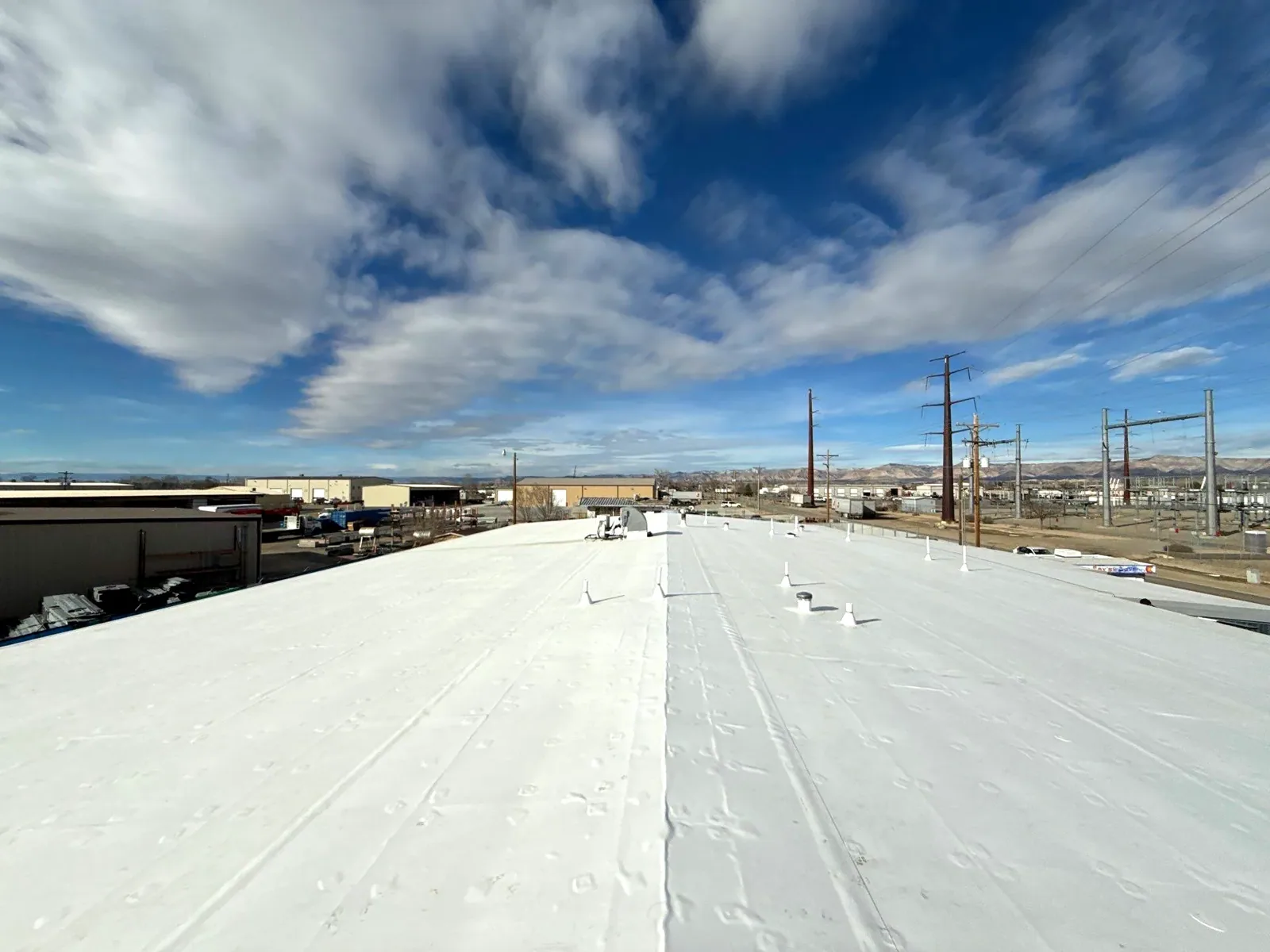
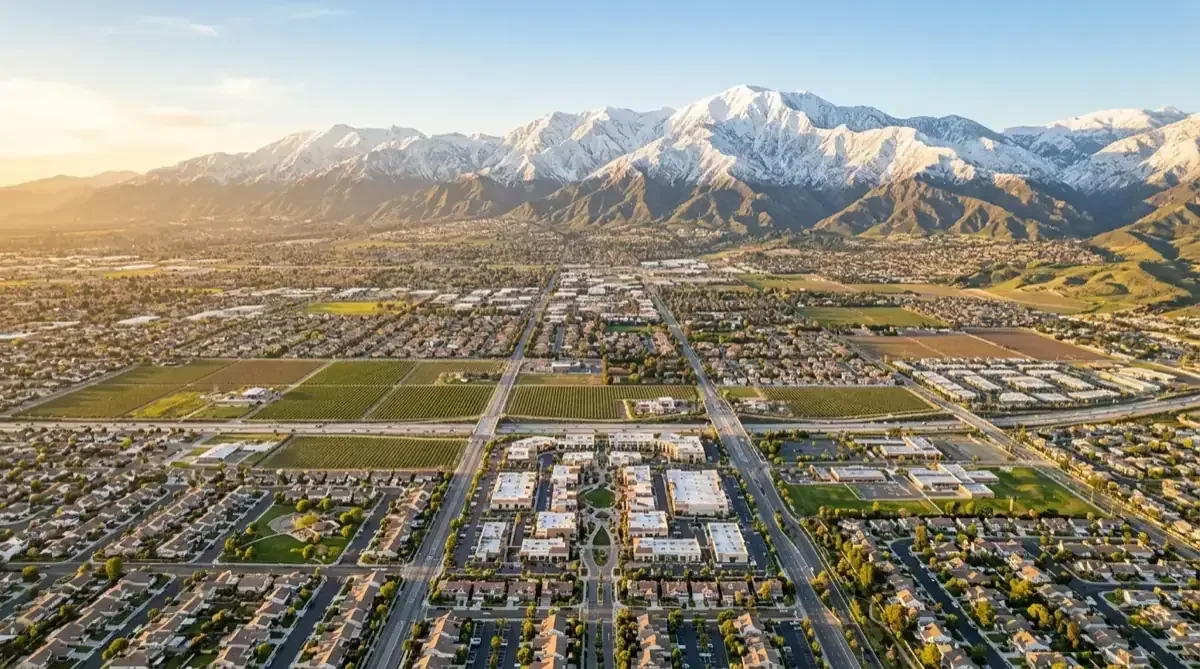
Define the concealed question
Tell us the Orange roof's soft areas, leak history and proposed repair or recover. We can assess a suitable moisture investigation and explain the layer findings. Call 555-555-5555 or request a roof assessment.