
College and University Roofing in Orange, CA
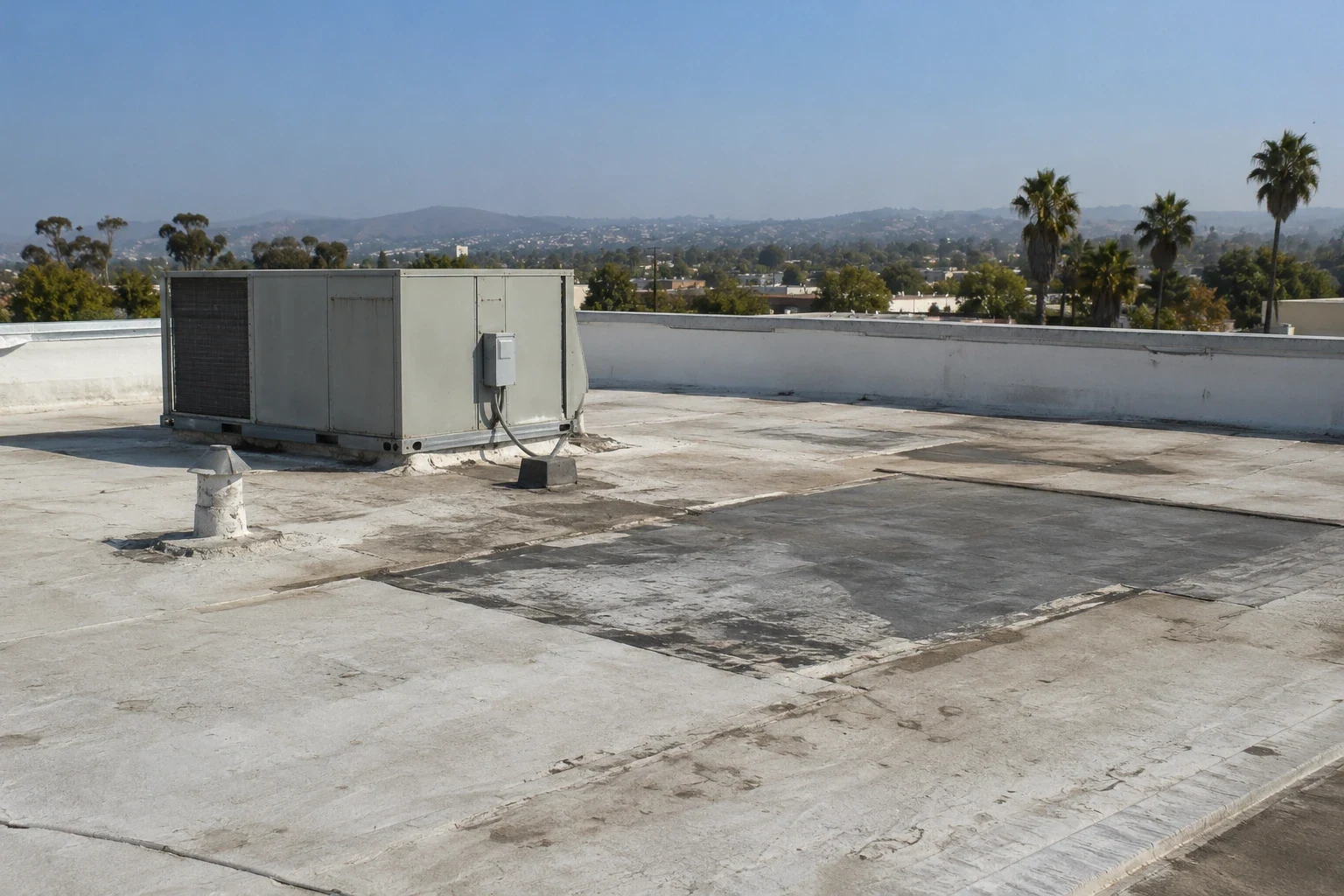
A rubber repair strip spanning a thermoplastic roof seam needs its connection assessed before another patch is selected. We identify the adjoining materials and examine how the previous repair meets each surface. College and university roofing in Orange, CA requires compatible work on the actual assembly left by earlier projects. Commercial Roofers Orange explains the unsuitable treatment removed and the serviceable material reached for a new connection. The owner can compare local reconstruction with wider replacement through those findings, with the affected campus area and access requirements identified before work begins.
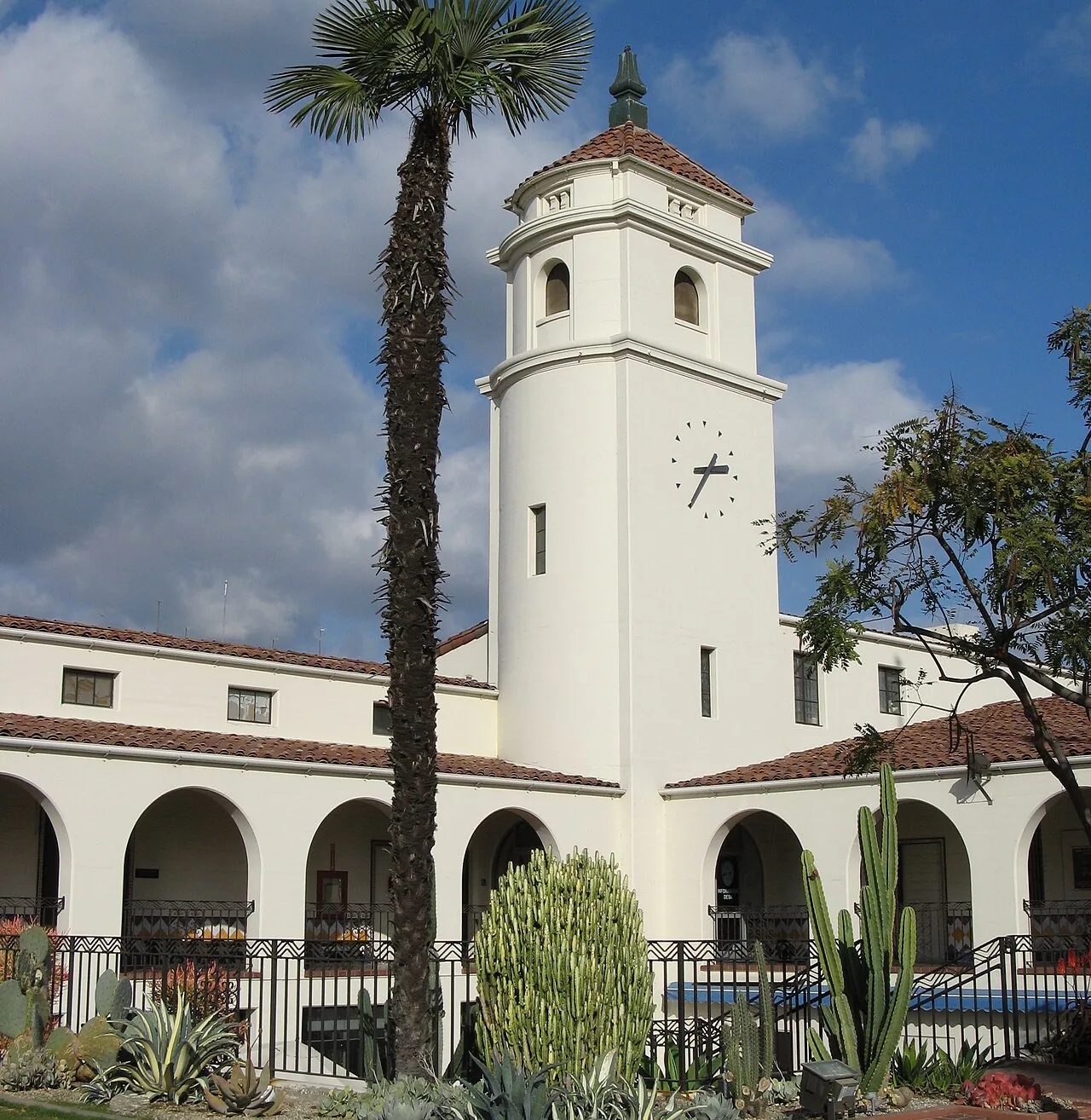
Orange includes both Chapman University and Santiago Canyon College, bringing different educational operations to building work. In Fullerton, California State University, Fullerton and Fullerton College were educational employers in 2024. Santa Ana College was also among Santa Ana's employers in 2024. Those higher-education settings bring teaching, administrative and equipment needs to building decisions. We establish the actual property's occupied uses and inspect its roof before defining repair or replacement work. The recommendation follows the installed layers and details, while preparation and closure are coordinated with the particular campus operation below the affected area.
The repair boundary follows material compatibility
A previous patch can interrupt preparation even where adjoining membrane remains serviceable. We examine its material, attachment and perimeter, then identify what needs removal for the selected joining method. Correcting incompatible roof repairs reaches suitable sheet and support before a new detail is completed. The scope explains that preparation and the retained assembly on either side, helping the owner compare a bounded correction with broader removal where the surrounding roof has also deteriorated.
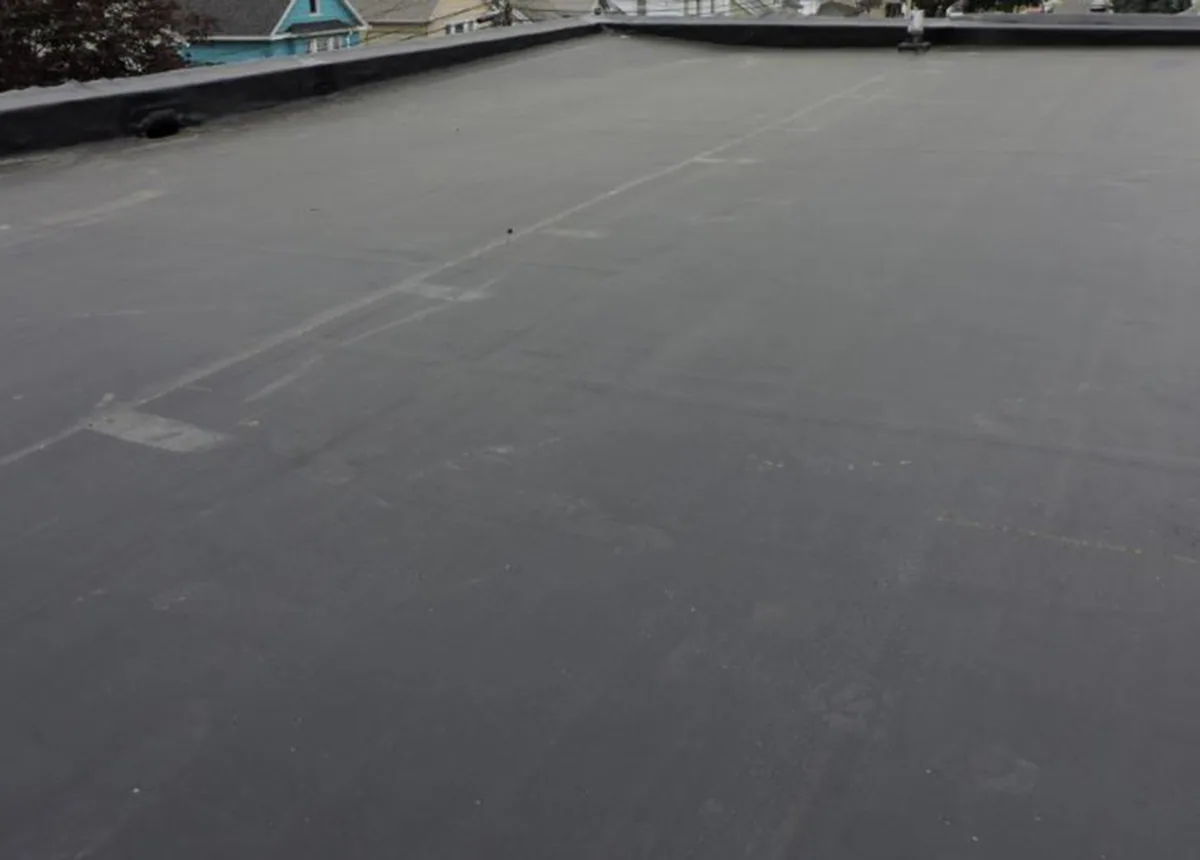
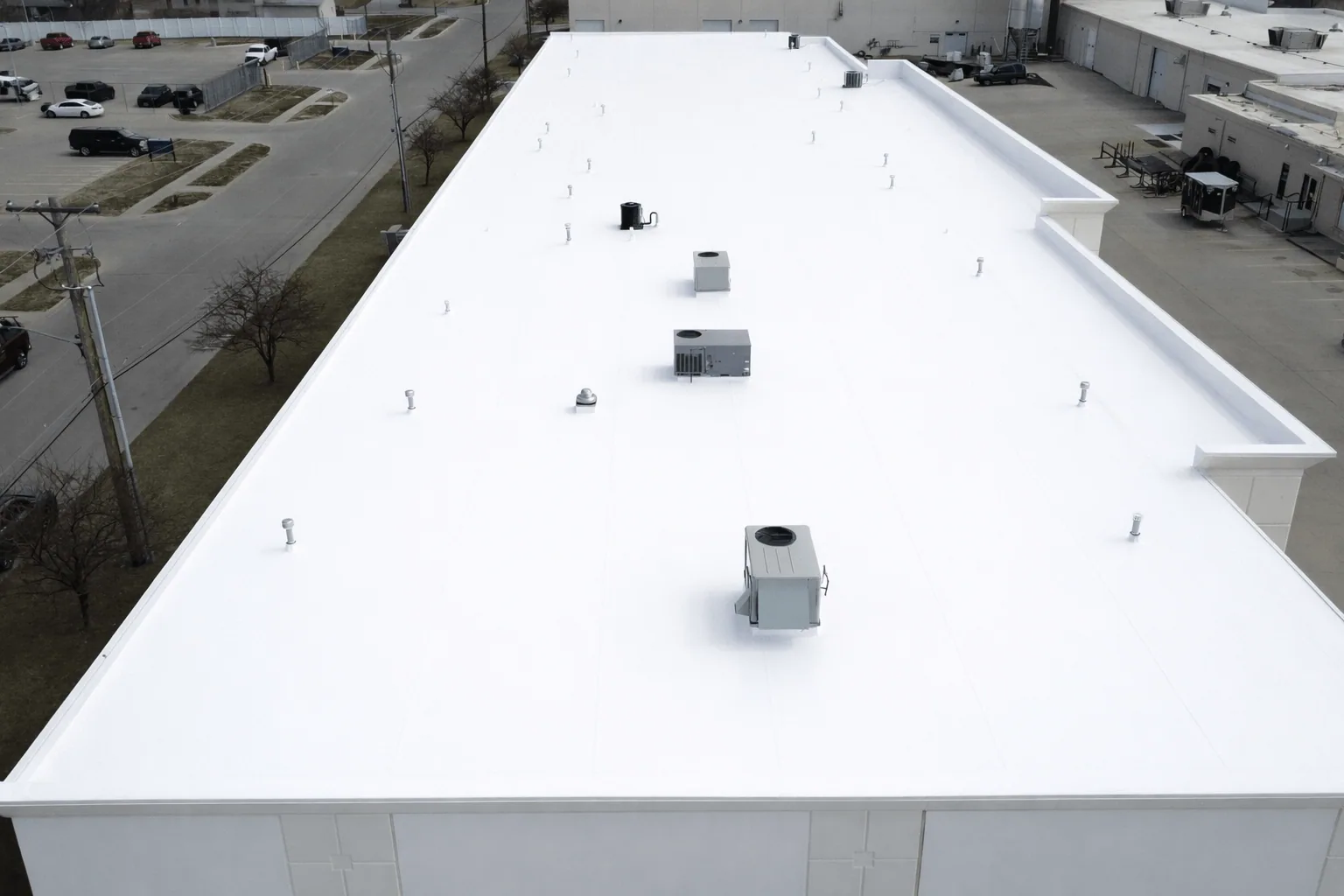
EPDM repair connections use their specified primers, tapes or adhesives, while TPO membrane work uses compatible thermoplastic components and welding requirements. We identify the installed system before selecting material. A transition between distinct roof portions may need reconstruction suited to both assemblies. The owner receives the actual component arrangement and joining choice, including appropriate checks at completion and any adjoining detail that must change before the new connection can be formed.
Altered details receive their own assessment
A curb or wall changed during a building project can leave short flashing or unsuitable backing beside otherwise intact roof material. We measure the available turn and inspect support before defining correction. A compatible membrane alone does not resolve a geometric conflict at that component. The repair may need curb extension, backing reconstruction or another suitable detail change. Those tasks are included with the material work rather than left outside the comparison because the visible opening is small.
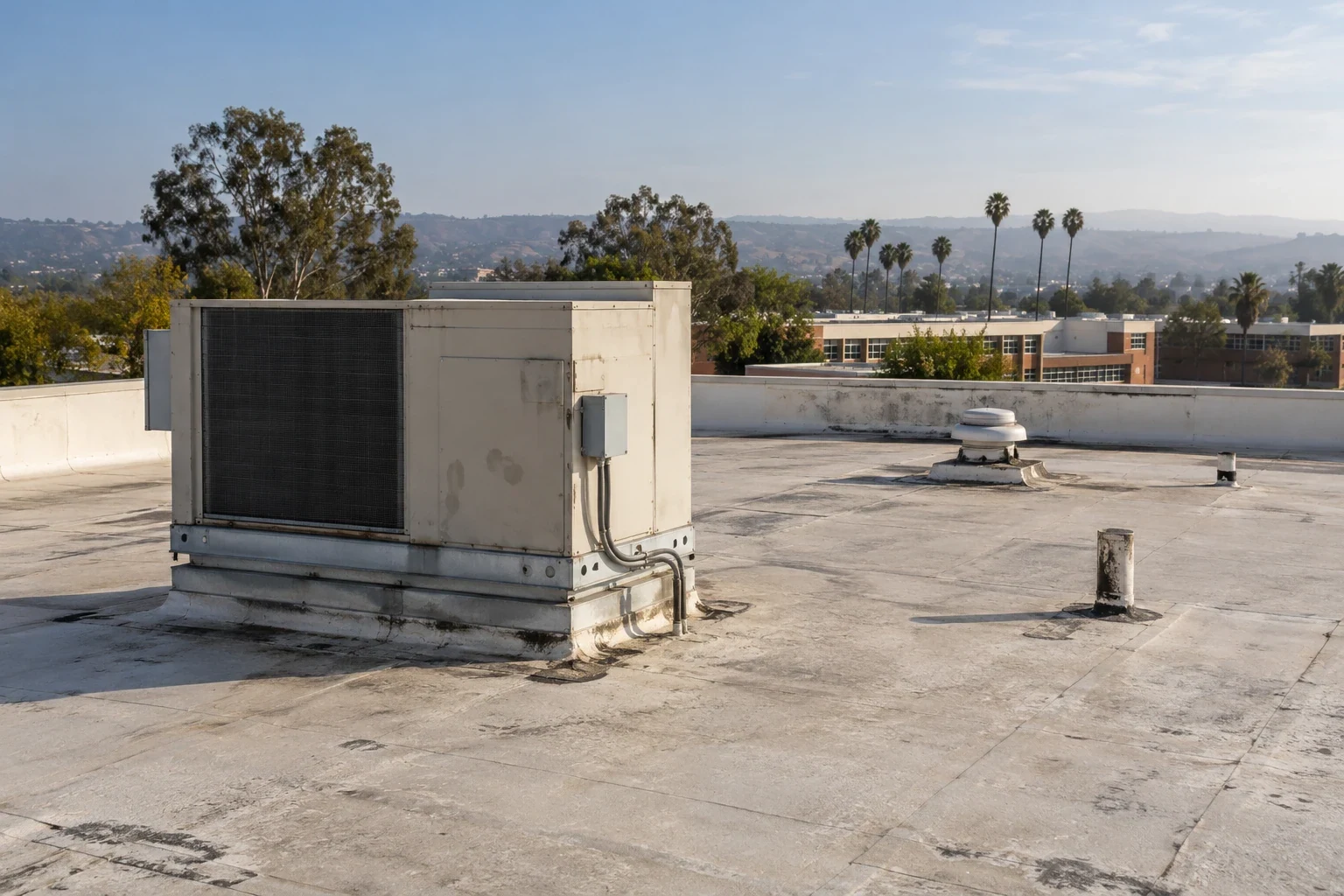
Hands-on assessment of campus roof details identifies the component condition and any selected layer examination needed beneath it. We assess old repairs and the water route around the altered area. The owner receives the removal boundary and retained material, with photographs locating the conflict against recognizable equipment or building features. The useful decision is whether a local reconstruction reaches suitable support or wider work is needed to correct the affected assembly.
Concealed extent changes the repair choice
A recurring water complaint can involve insulation wet beyond a visible seam opening. We examine relevant layers and distinguish the exposed defect from the material affected beneath it. Appropriate survey methods can guide selected investigation, with physical findings used to establish retention or removal. A new patch needs serviceable backing and a compatible surrounding connection. The owner receives the material extent and any further examination needed before choosing a larger roof project.
Widespread deterioration or poor attachment can make replacement a more useful comparison. A bounded opening surrounded by sound material can support another choice. We explain what each scope corrects and leaves in service. Important concealed findings are shown before closure, helping later maintenance locate the actual layer work. The recommendation stays tied to the roof assembly and water path, including adjoining walls or equipment details that may need another responsible participant's correction.
Campus uses affect removal and closure
A roof area above teaching rooms can have different access requirements from one above administrative or service space. We establish the actual use and equipment arrangement with the owner before defining work areas. Material handling, intakes and the protection below removal are considered together. The selected method needs suitable application conditions and project controls. Each opened portion receives appropriate temporary protection until the permanent connection can be completed at a suitable stopping line.
In Fullerton, the plan follows the particular educational building and operating limits. Related school roof projects can involve different occupancy and access dependencies where those building uses are present. We identify the tasks for each affected area instead of assigning a universal calendar window to all roof work. Staging needs appropriate load distribution and usable drainage. The finished boundary accounts for equipment and altered details as well as the membrane field.
Broader construction includes supporting layers
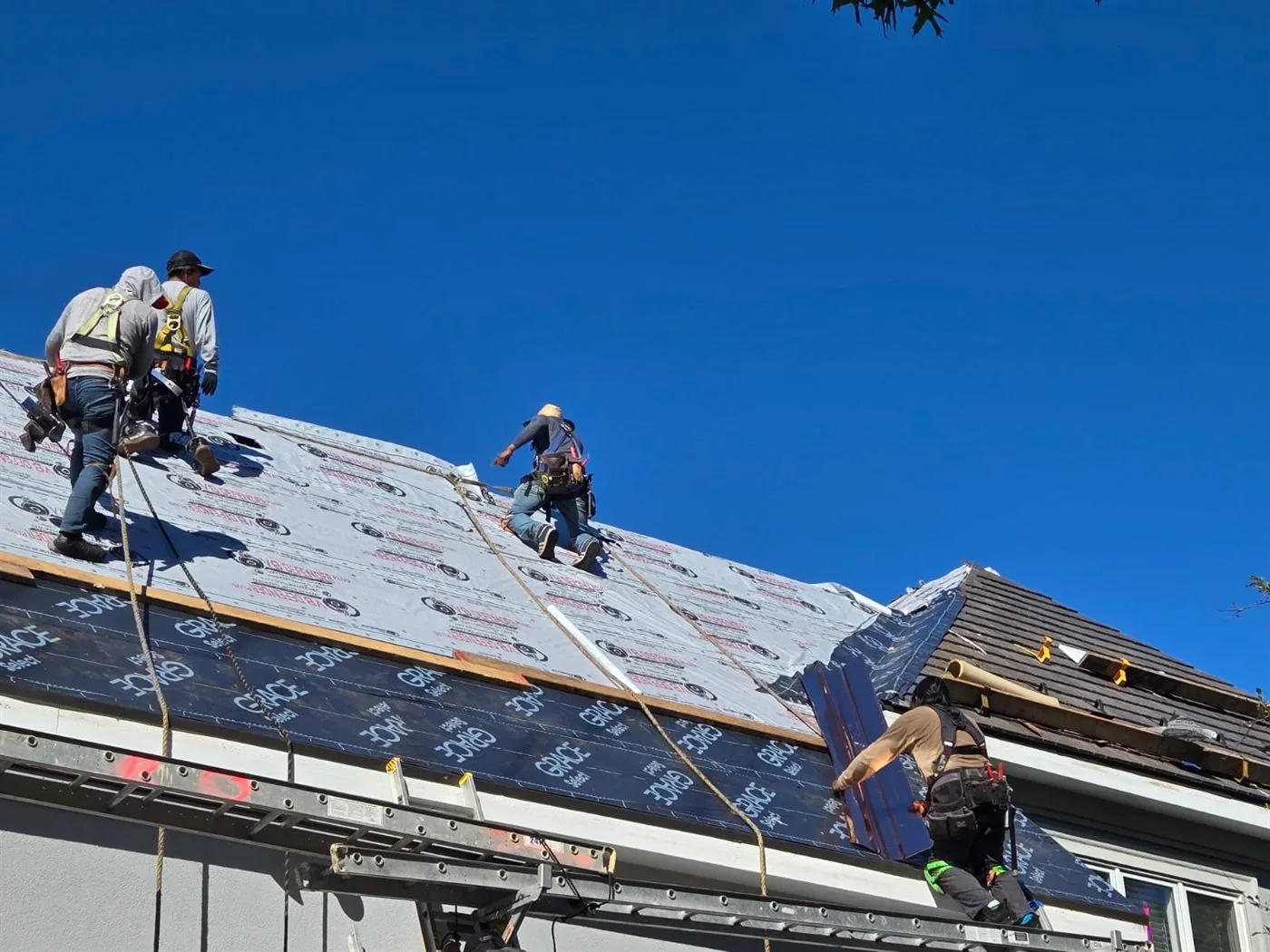
A replacement assembly needs suitable deck condition, insulation and attachment. We assess those materials and coordinate appropriate design review where loading or structural decisions require it. Added height affects curb flashing, wall turns and outlets. The dimensions are measured before the new construction is selected. The owner receives the complete assembly comparison, with removal or retention and the component reconstruction needed to finish each option on the actual building.
A campus recover comparison identifies the older layers left beneath the new construction and the details affected by its added height. We examine moisture and attachment before assessing retention under the applicable project requirements. Where educational space shares office building roof functions, access and equipment dependencies are located within the actual assembly. The owner receives the support corrected and the transitions rebuilt under each option, allowing local repair and removal to be compared with retention through concrete component work.
Completion identifies the changed assembly
A reconstructed transition, new patch and altered curb need checks suited to the materials installed. We inspect connections and locate important concealed findings before closure. Completion views relate the work to recognizable campus roof features. The owner receives the repair boundary and remaining attention points for retained components. Those details help future equipment projects identify where compatible weather protection and support must be preserved or reconstructed when a component changes.
Maintenance attention follows the building's actual outlets, service paths and exposed terminations. A returning water complaint is investigated through its current route and component condition. Earlier views help find the relevant work, while adjoining retained material receives its own assessment. The next recommendation explains the correction supported by those findings and the access needed to perform it, keeping the roof decision connected to the particular area rather than repeating an unsuitable patch over the previous repair.
Questions About College and University Roofing
Why remove an old strip before making a campus seam repair?
The strip may interfere with compatible preparation and joining at the actual membrane. We inspect its material, attachment and adjoining sheet before selecting the boundary. Suitable removal exposes a connection capable of receiving the new work. The owner receives the preparation tasks and retained layers, allowing the correction to be compared with broader reconstruction where the surrounding assembly is also unsuitable.
Can two different roof systems meet during phased replacement?
A suitable transition may be practical after both assemblies, their condition and the available detail space are assessed. We define the connection and supporting work needed at the stopping line. Damaged or incompatible retained material can require a changed boundary. The owner receives that detail before phases are selected so each completed area ends at an appropriate weather connection.
What changes the scope around an altered laboratory or service curb?
Support, movement, flashing height and access are examined with the responsible building participants. A curb adjustment or equipment task may need completion before roofing is finalized. We inspect adjoining layers and identify the removal required for a suitable connection. The scope describes those dependencies and appropriate temporary protection, tying the roof work to the actual changed component.
How should educational roof options be compared across different uses?
Compare the material findings and component correction with the occupied-space dependencies for each actual building area. We identify retained layers, removal depth and suitable closure boundaries. Teaching, administrative and equipment needs are established with the owner rather than assumed from the property name. The resulting scopes explain complete assembly work and the access needed to perform it.
Related Roofing Work
Review the mixed-material repair
Describe the Orange campus roof's old patches, altered details and operating limits. We can inspect the assembly and explain compatible repair or replacement choices. Call 555-555-5555 or request a roof assessment.