
Commercial Roofing in Fullerton, CA
A loose corner at a roof curb can admit water long before a ceiling shows a stain. In Fullerton, CA, the useful first step is to trace the condition at the roof surface, then connect it to the room and operation below. Fullerton employers in 2024 included California State University, Fullerton, Fullerton College, St. Jude Medical Center, Raytheon and RPM Transportation. For education, healthcare, manufacturing and logistics properties, we plan access and interior protection around the activity below the roof. We inspect the actual assembly, mark where the defect begins and ends, and explain whether a targeted repair can restore the detail or whether concealed material needs testing. For active water entry, commercial leak repair starts with a water path, not an assumption based on the interior mark.
Map the path through the roof
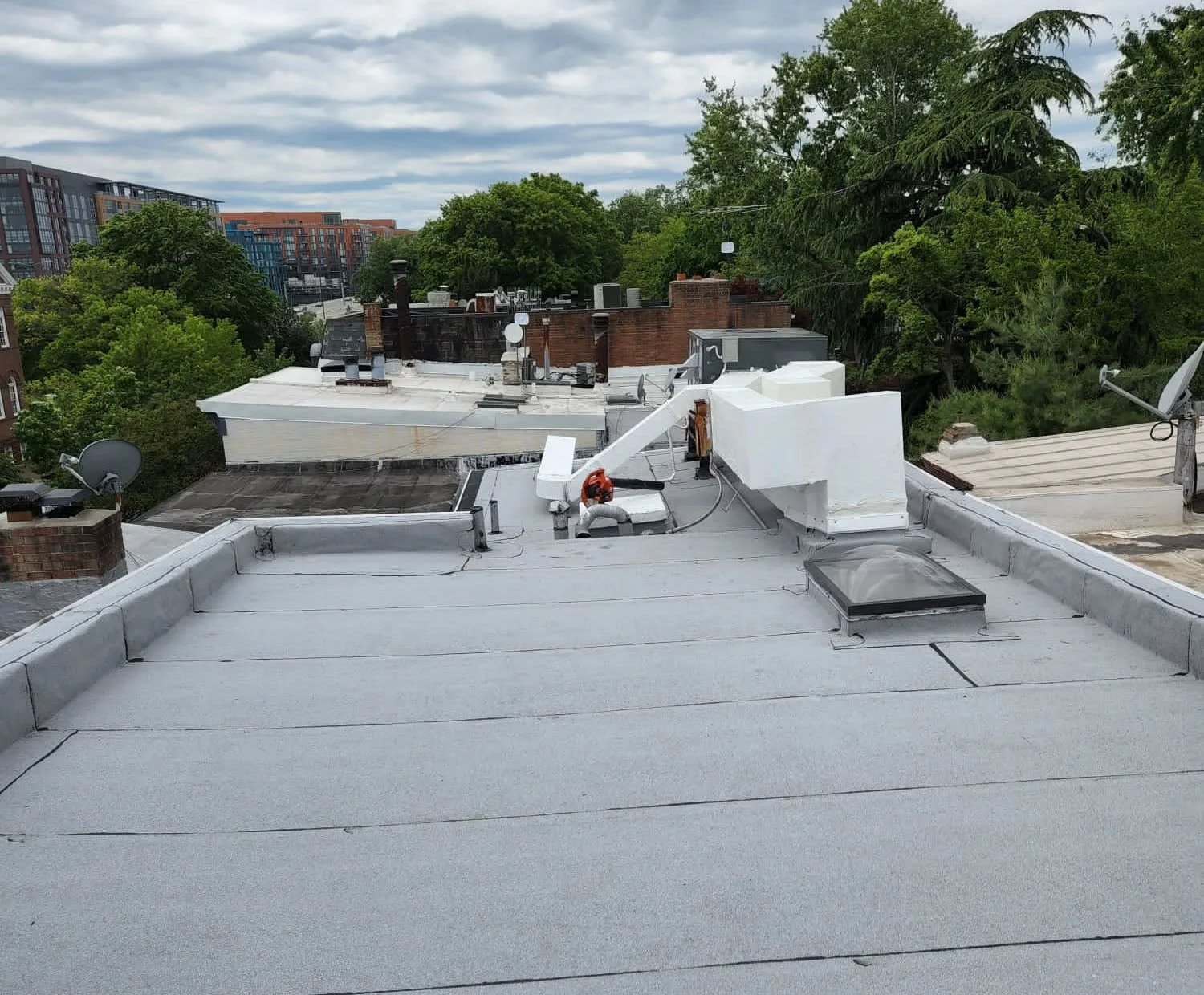
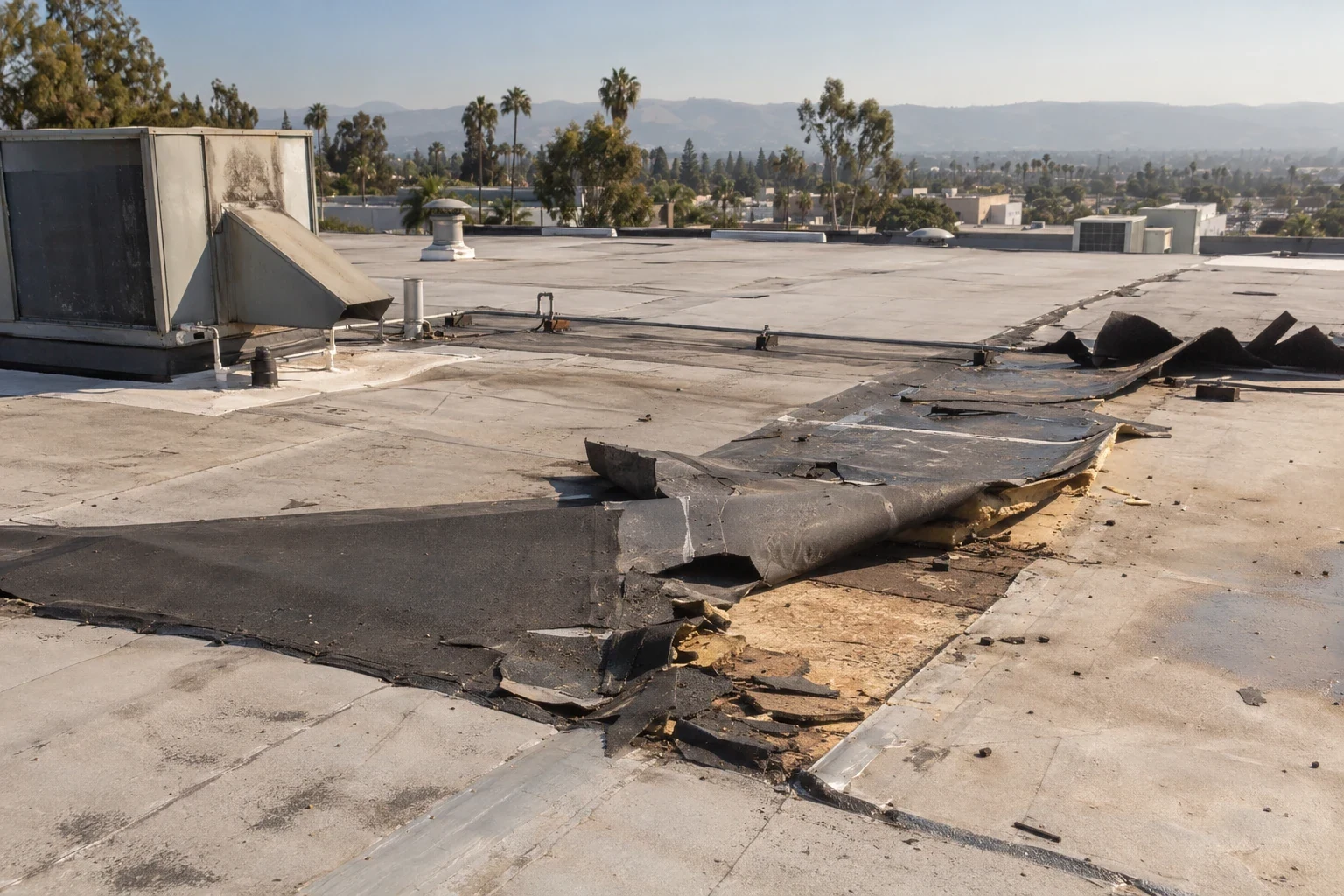
Water can cross a seam, travel along a deck flute, and appear far from the opening that admitted it. We check the roof above the affected room, following laps, penetrations, drains, and changes in elevation. At a metal curb, we look for separated corners or a failed termination. On single-ply membrane, a seam probe can reveal a lap that has released while the field remains attached. The condition photograph records the opening; measurements and adjacent detail views show where the repair should stop.
A university, college, medical property, transportation business, or industrial tenant may have different roof access and interior protection limits. We confirm those limits with the property contact before placing equipment or opening the assembly. For occupied areas, the sequence may include protecting sensitive rooms, working in smaller zones, or coordinating a short equipment shutdown. The building use matters because it changes the work plan, not because it tells us what roof assembly is installed. Our commercial roof inspection checks the accessible roof and records questions that need follow-up.
Choose the right repair boundary
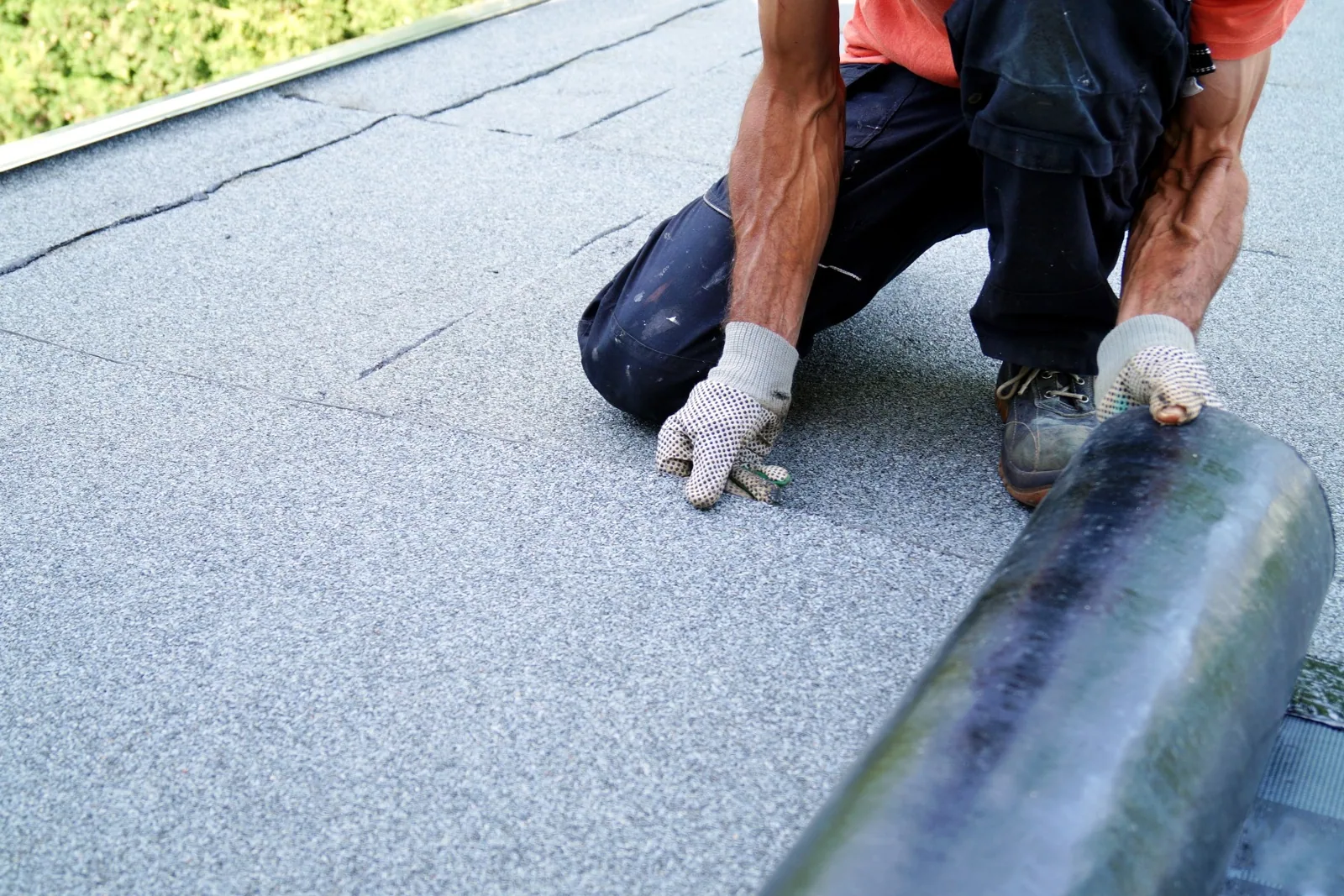
A patch needs clean, sound material beyond the damaged point. We expose enough of the detail to find that boundary and check whether the layers below are dry and stable. If a puncture reaches only the membrane, a localized repair may be appropriate. If insulation is wet or the deck is deteriorated, the repair must address more than the surface. We describe that distinction before expanding the work, using a measured opening and photographs to show the evidence.
A property manager may therefore oversee buildings with classrooms, care spaces, offices, or transport operations. We confirm each property's access rules with its building manager before staging the work. We ask which areas can be entered, what must remain protected, and when rooftop work can occur. That information helps determine staging and temporary protection. When several observed conditions need ranking, a roof condition report can separate active leaks, maintenance items, and longer-range capital concerns so the owner can assign work in a useful order.
Look beneath the visible surface
Blistering, splits, and surface wrinkles have different causes. A blister may reflect trapped moisture or air; a split can follow movement or aging at a transition; a wrinkle may be part of installation or a sign that the assembly has shifted. We do not treat the appearance alone as a diagnosis. We inspect nearby seams and edges, check attachment, and decide whether a test cut will change the repair decision. If we open the roof, the work record shows the opening location, materials observed, and how the area was closed.
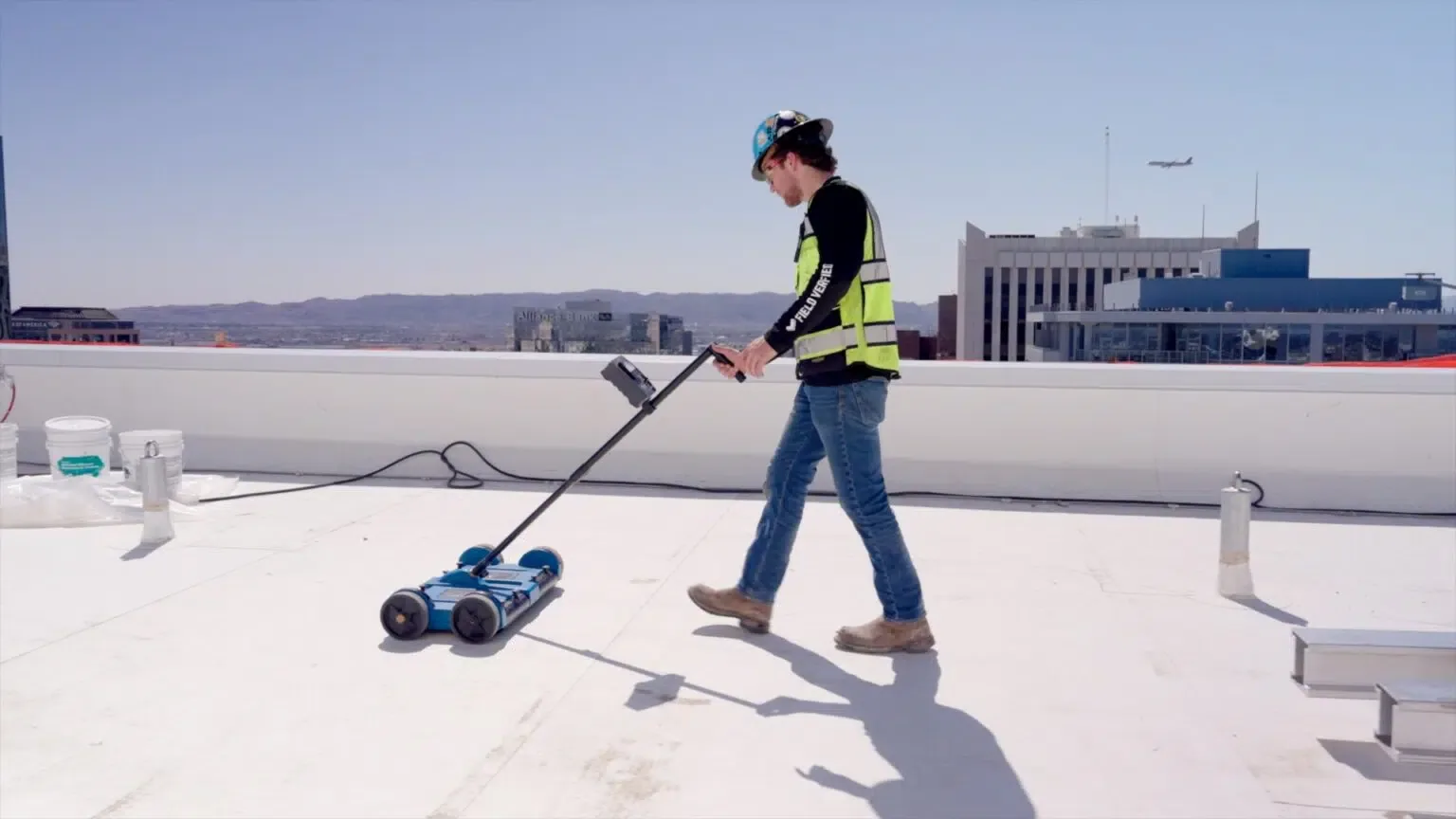
Moisture surveys can help focus that investigation across a larger roof, especially when the leak history does not point to one entry. An infrared reading is a screening clue, not proof by itself. We compare it with the roof assembly, surface conditions, and direct observations, then verify selected areas where the result could change the scope. A moisture survey can support a repair plan when its findings are tied to physical checks rather than presented as a map without explanation.
Plan around building operations
Work over a classroom, care space, or active production area needs an agreed path for people and materials. We confirm roof access, identify interior locations below the work, and coordinate noise, debris control, and any necessary equipment interruption. When the roof can be divided into zones, completing and closing one area before opening another limits exposure. If a storm or a concealed wet layer changes the sequence, we explain the revised boundary and protection steps before proceeding.
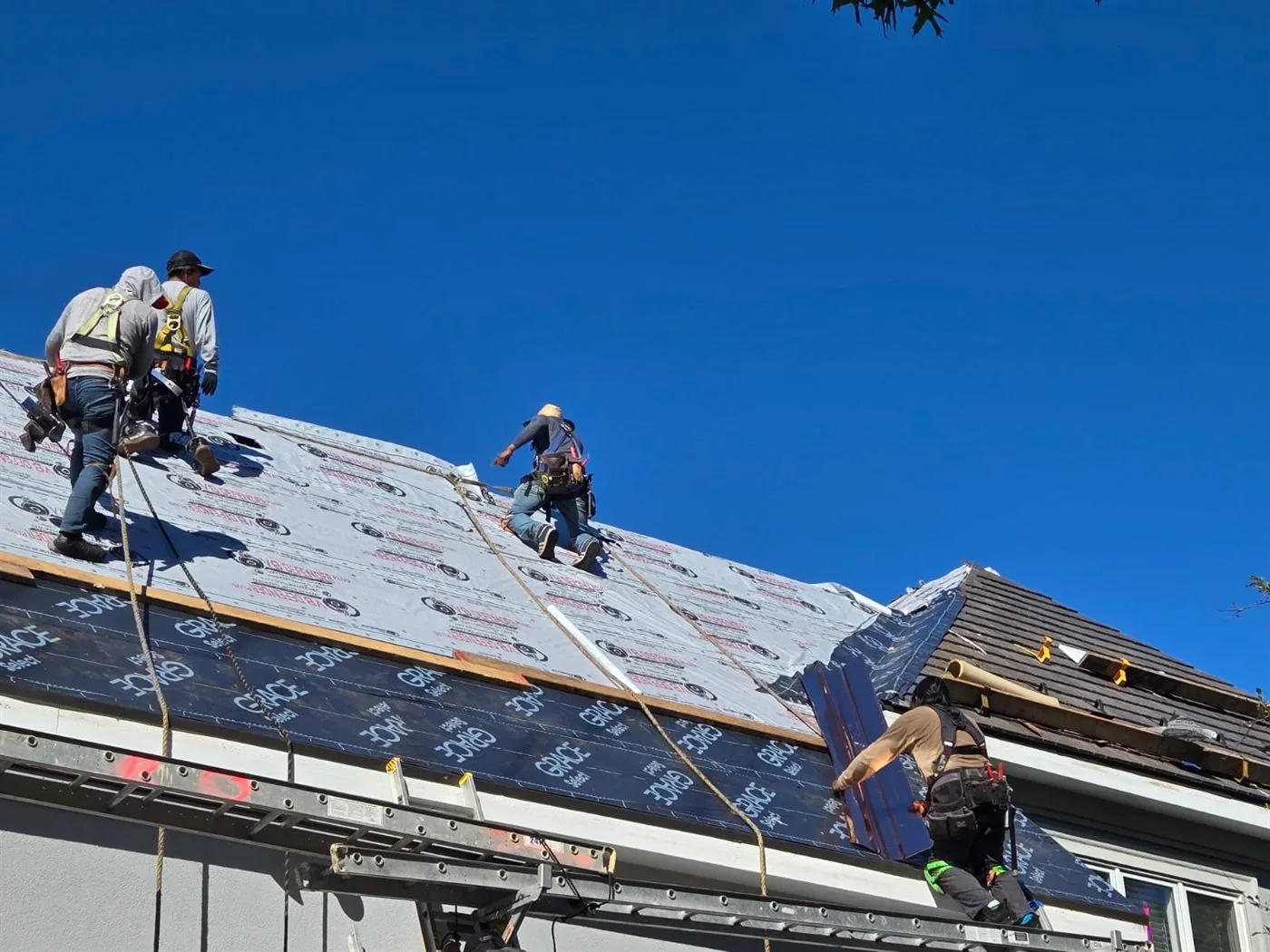
Southern California Santa Ana winds can damage property, so a report of lifted edge metal or displaced membrane deserves a physical inspection. The wind event is regional context; the roof still determines the scope. We examine corners, perimeters, rooftop screens, and flashing connections for movement, then distinguish fresh displacement from older surface wear where the evidence permits. Wind damage repair should include the attachment and transition that failed, not just the piece that moved. Emergency response is available at any hour when water is actively entering a building.
Keep the closeout useful
After repair, we photograph the completed detail and identify the materials and locations addressed. If the crew found wet insulation, deck damage, or an adjoining weak seam outside the agreed scope, the record says so plainly. That lets a facilities manager distinguish completed work from a follow-up item. A note that merely says “roof repaired” gives little help at the next inspection; the work record should identify what changed and where.
For property teams managing more than one building, a comparison across roof sections can support budgeting without turning a single observation into a blanket replacement recommendation. We record recurring conditions, drainage concerns, and vulnerable transitions, then identify the items that need action first. Preventive maintenance can revisit those details and check whether prior repairs remain sound. Owners coordinating work in nearby Placentia or across the Orange service area can use consistent photographs and repair boundaries to compare conditions while keeping each building's findings distinct.
Questions About Fullerton
A roof leak keeps returning after patching. What changes in the next inspection?
We compare the prior repair location with the current water path and inspect the tie-in, nearby seams, penetrations, and drainage. The repeated leak may point to a failed patch edge, a second entry, or moisture moving through the assembly. We document what is confirmed and, if needed, propose a measured opening to test below the surface before repeating a repair.
Can roofing work be staged around a college or medical operation?
We build the sequence from the actual access and protection limits supplied by the property team. That can mean working in smaller roof zones, protecting rooms below, or coordinating equipment access at a specific time. We explain any noisy steps and identify when the area will be closed back in. A schedule depends on the assembly and scope found during inspection.
When is infrared useful on a Fullerton roof?
Infrared can help prioritize areas for verification when moisture is suspected across a broad roof or leak locations are unclear. We compare its readings with roof construction and surface conditions, then confirm selected locations directly. We do not use a heat pattern alone to define removal. The value is in reducing uncertainty about where to inspect next.
What should we expect in the repair closeout?
You should receive the repair location, photographs before and after, materials addressed, and any condition left outside the agreed scope. If the opening exposed wet layers or a wider failure, we explain what was found and what decision remains. That record helps the next maintenance visit compare the same roof detail instead of starting without context.
Related Roofing Work
Set a roof inspection in Fullerton
Share the leak location, building use, access limits, and any earlier repair notes. We will inspect the assembly and explain a supported repair boundary. Call 555-555-5555 or request a roof assessment.