
School Building Commercial Roofing in Orange, CA
A raised repair area can divert runoff toward a classroom wall even while its membrane perimeter remains attached. We examine that changed water path and the wall transition before selecting another patch. School roofing in Orange, CA needs the correction to fit the finished roof profile. Commercial Roofers Orange explains whether a local shape change, outlet repair or broader reconstruction addresses the finding. The owner receives the removal boundary and retained-layer condition, with photographs locating the affected detail so the actual roof work can be compared before the next occupied-school phase is planned.
Brea Olinda Unified School District operates elementary, junior-high, high-school and continuation-school facilities serving Brea. Laguna Hills also has elementary schools and Laguna Hills High School within Saddleback Valley Unified School District. Those educational settings bring different building uses and operating calendars to roof decisions. We discuss the actual property's rooms, equipment and access with the owner, then inspect the installed assembly. School use influences the preparation window; the physical roof condition establishes which materials and details require correction.
The new water path needs a clear outlet
A patch or added roof layer can create a ridge that redirects runoff into an adjoining detail. We examine elevations, outlet access and the receiving route before defining removal. The cause may require reshaping suitable insulation or reconstructing the affected area rather than another surface treatment. Correcting school roof discharge details addresses the membrane, hardware and accessible receiving components where the inspection identifies a defect. The scope describes which physical changes restore the intended route.
A wall connection receiving diverted water also needs examination of its termination and support. We inspect the exposed turn and adjoining material before choosing a compatible repair. The owner sees the connection rebuilt and the geometry corrected beside it. If damage extends beneath the wall transition, selected layer checks establish the removal needed. A bounded correction can be compared with broader reconstruction using those actual elevations and material findings as the basis.
Layer findings establish the repair extent
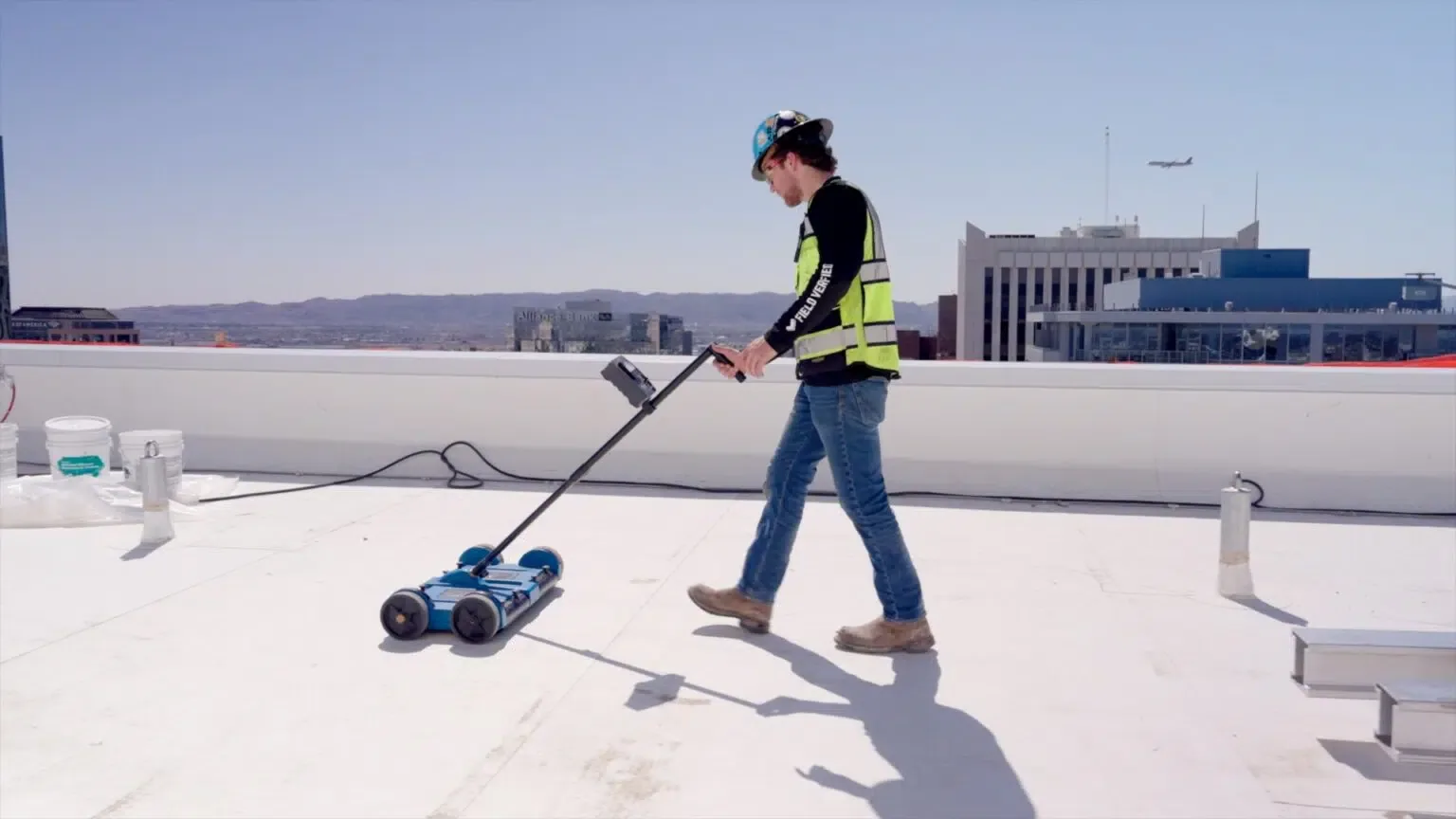
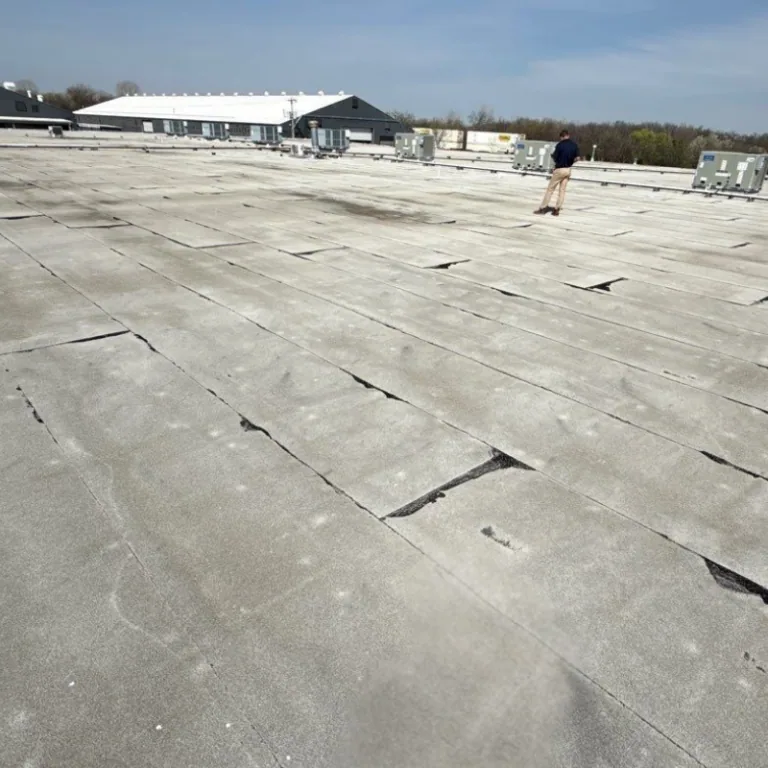
Water beneath a membrane can affect insulation farther from the visible opening. We assess the complaint and examine selected materials where concealed extent changes the recommendation. Moisture examination with layer confirmation can support the investigation when the construction and survey conditions are suitable. Wet or detached material needs its own correction. The new roof connection requires serviceable support and compatible surrounding sheet, so the removal boundary follows the inspected layers as well as the surface defect.
Older patches are assessed individually for bond and their effect on preparation. We identify unsuitable material that interferes with the new connection and explain what can remain in service. The owner receives the local repair choice and any wider investigation needed before a replacement area is selected. Interior access and protection are coordinated for the actual rooms below, connecting the roof opening to its affected school space rather than assuming one arrangement applies to every building portion.
Occupied areas determine working access
A removal route near an entrance or equipment intake needs planning before material handling begins. We establish the school's actual occupied areas, pedestrian routes and service restrictions with the owner. The selected method also requires suitable conditions and project controls. Daily work areas include temporary protection and a permanent closure boundary capable of joining retained material. The recommendation identifies the preparation, component work and sequence needed for the particular affected assembly.
A property in Brea receives a plan tied to its actual schedule and building arrangement. Related college building roof work can involve different occupancy and equipment dependencies where those functions are present. We identify the relevant areas before dividing work into phases. Staging needs appropriate load distribution and usable outlets. A suitable closure detail is included at each stopping line so the phase ends on a physically supported connection.
Assembly options include the classroom transitions
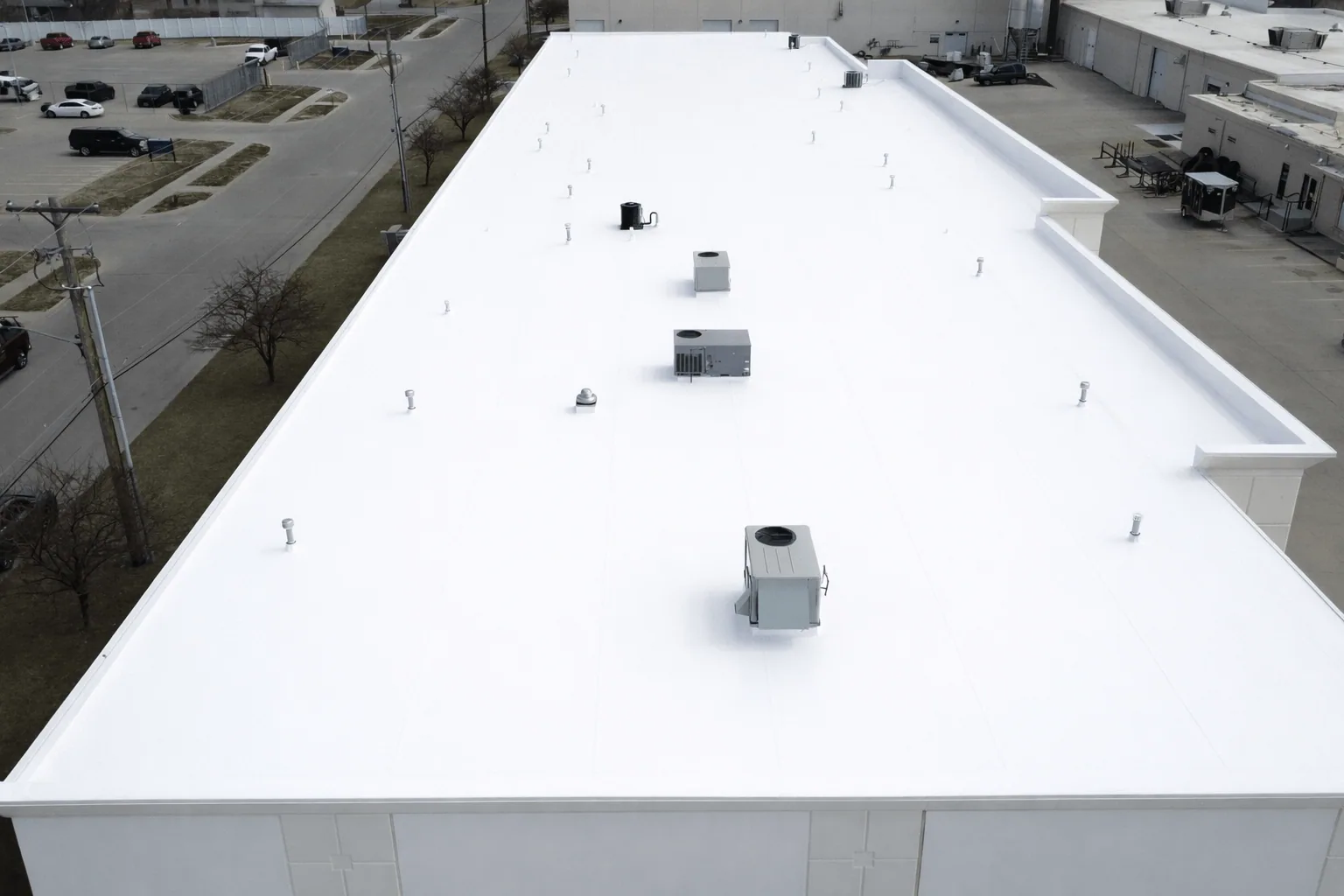
A broader school roof project needs deck condition, insulation and attachment reviewed for its selected construction. TPO school roof assemblies and modified bitumen roof construction have different compatible components and joining requirements. We compare complete assemblies through the actual support, water path and service needs. Wall turns, outlets and equipment curbs affected by new height are measured before the field system is chosen, with their reconstruction included in the scope.
Recover requires suitable existing layers and review of applicable requirements. Moisture, poor attachment or insufficient detail space can change the choice. Removal can allow a different correction of insulation and geometry. The owner receives what each option leaves in service and which defects it addresses. Where structural support or loading decisions require review, the responsible professionals assess those needs. The comparison includes their dependencies alongside the roofing work needed to finish the selected assembly.
Equipment details follow prepared components
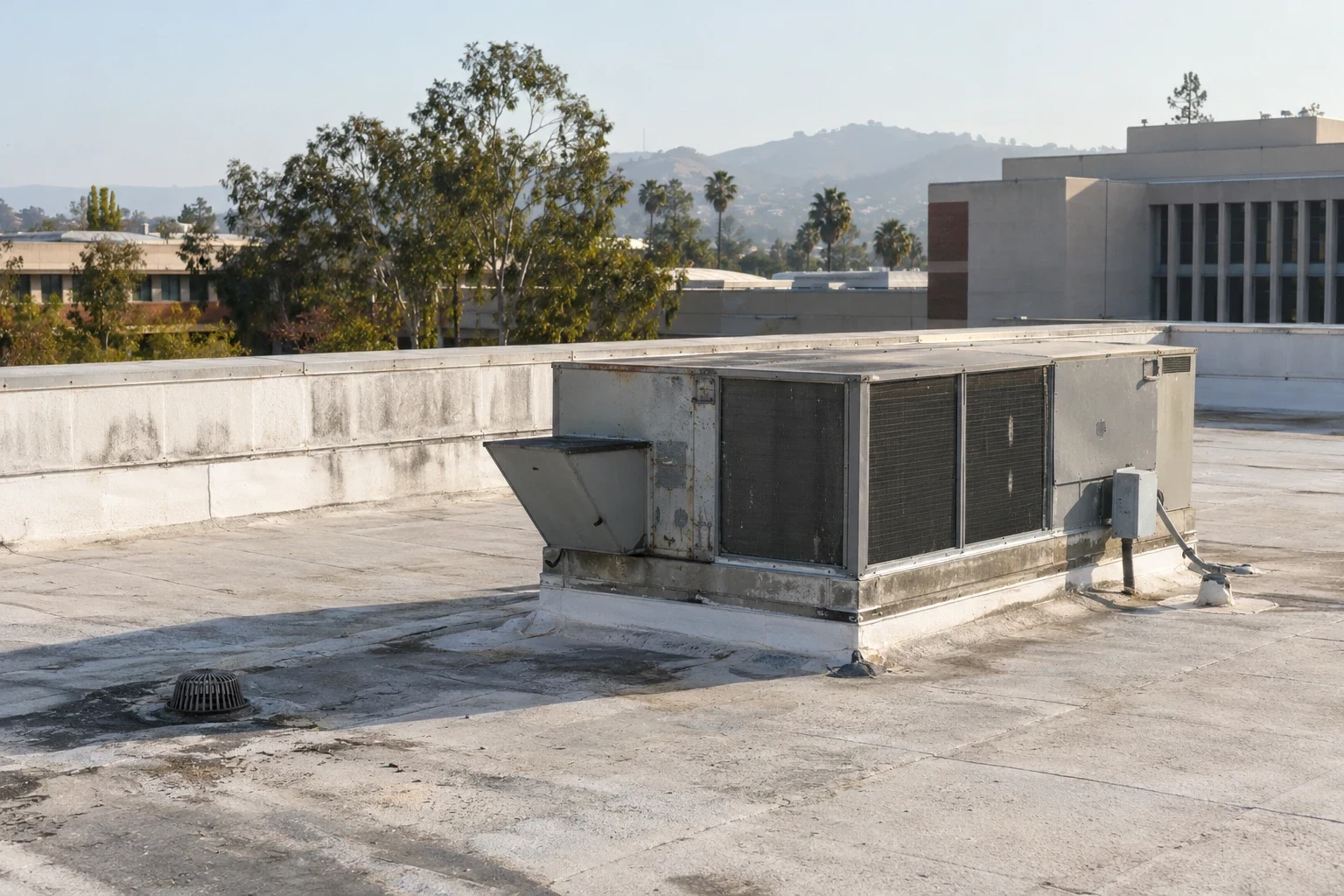
A loose curb or changed support can strain a membrane turn even where the roof field is intact. We examine support and weather protection separately before rebuilding the flashing. Appropriate equipment or structural work is coordinated with the responsible participants. The roofing connection follows the corrected component and selected material requirements. Available height, movement and access are considered before permanent closure, including suitable protection while dependent tasks remain unfinished.
School properties with adjoining public building roof areas may share access or equipment that influences the repair sequence. We establish those actual relationships with the owner. Later equipment alterations should be planned before the membrane is cut. Service traffic may need compatible protection along vulnerable routes, and outlets remain accessible for cleaning. Maintenance attention is assigned to the components present on the finished roof and the details changed under the completed scope.
Completion shows the corrected route
A rebuilt low area, wall flashing and repaired outlet each need checks suited to their construction. We inspect the finished connections and the discharge route through the corrected area. Important concealed findings are shown before closure, with location views relating the work to recognizable school roof features. The owner receives the repair boundary and any retained condition needing further attention. Those views make a later inspection useful by identifying the actual altered detail and the material still in service beside it.
A returning interior complaint is investigated through its present pattern and relevant roof connections. We use completion information to locate the earlier work, then assess adjoining material independently. The next correction follows the current finding. Future maintenance and equipment projects account for the finished water route, including the detail height and traffic protection needed to preserve its access. The owner can connect that attention to the specific components rather than repeat a surface patch without examining why water remains at the wall.
Questions About School Building Commercial Roofing
Why inspect roof elevations when a school patch still looks bonded?
The added material may redirect runoff into a wall or another vulnerable connection. We assess the surrounding profile and outlet before selecting the correction. A suitable repair can include a shape change or reconstructed drainage detail alongside membrane work. The owner receives the corrected water route and retained material boundary, allowing local work to be compared with broader reconstruction where needed.
Can the school calendar alone determine the removal sequence?
Operating dates are considered with actual roof condition, access and suitable closure boundaries. We inspect the retained assembly and identify which areas can be prepared and completed appropriately. Concealed damage or equipment dependencies may change the sequence. The scope explains those tasks and temporary protection so the owner can coordinate roofing activity with the specific occupied areas affected.
What should be included in a phased school roof comparison?
Compare removal depth, retained layers, equipment tasks and the detail completed at each stopping line. We identify those boundaries through inspection and measure the space needed for suitable connections. Drainage must remain usable during staging and closure. The owner receives the physical work included under each phase, making its correction and operating dependencies understandable before the project is divided.
How should later rooftop equipment work preserve the repair?
Plan the support and weather connection before cutting the installed assembly. We assess available flashing height, compatibility and the service route with the responsible project participants. Equipment tasks may need completion before roofing is finalized. The changed detail is located for future inspection, with suitable access protection considered where maintenance traffic crosses the finished connection.
Related Roofing Work
Check the school roof water path
Describe the Orange school property's altered areas, water entry and operating limits. We can examine the assembly and explain suitable repair and replacement choices. Call 555-555-5555 or request a roof assessment.