
Flex and Light-Industrial Roofing in Orange, CA
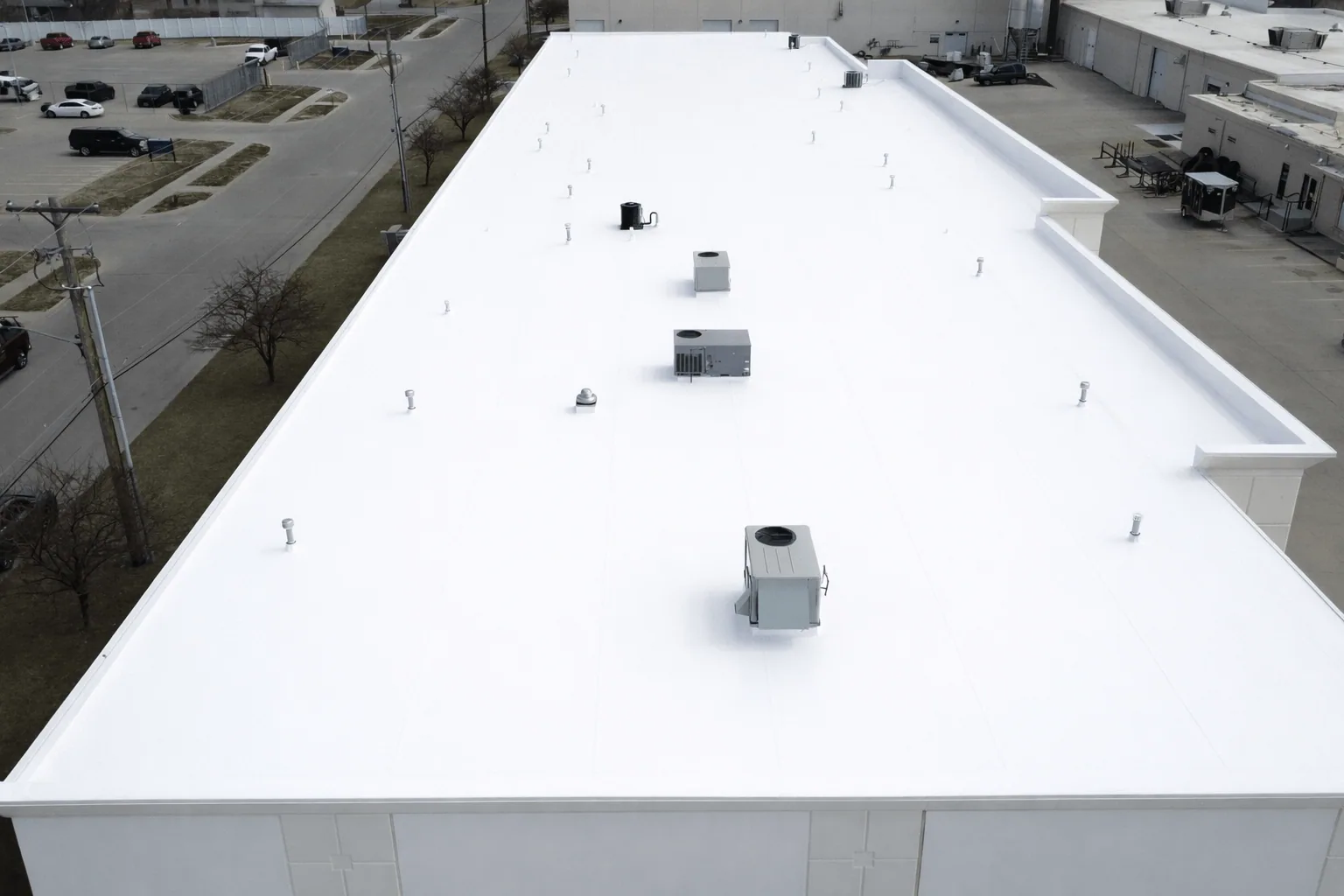
A roof divider added during a building alteration can interrupt an existing slope and leave water collecting against its new weather connection. We inspect the divided roof's discharge arrangement before extending another patch along the wall. Flex industrial roofing in Orange, CA needs that changed geometry accounted for in the repair choice. Commercial Roofers Orange explains the wall turn, receiving layers and outlet correction indicated by the findings. The owner can compare a bounded detail reconstruction with wider assembly work through the actual trapped water route and construction retained beside it.
Orange has light-industrial and industrial-manufacturing zoning districts. Fountain Valley's Southpark area near the Santa Ana River includes commercial offices and limited light-industrial activity. Flex roof work in this broader Orange market needs the actual building's tenant operations and installed details assessed. We establish equipment, access and occupied-space requirements with the owner before selecting preparation areas. The recommendation follows roof condition, with the handling arrangement and responsible building tasks attached to the components requiring correction.
The new wall needs a complete water-path review
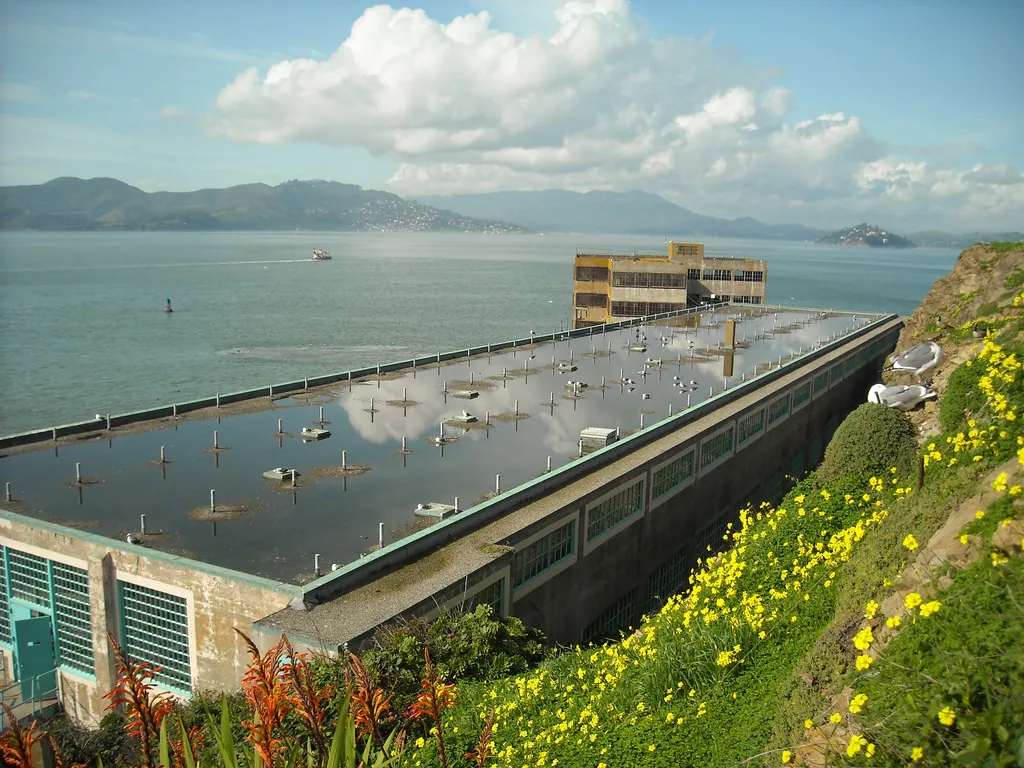
A divided roof portion must discharge through an appropriate route for its actual profile. We examine the wall's location, adjoining elevations and accessible outlets. Correcting drainage around altered roof divisions identifies hardware, membrane or suitable trade tasks needed at the affected area. A geometry change can require design assessment alongside the roofing. The scope distinguishes those dependencies from rebuilding the wall flashing, so the owner sees the work needed to correct both collection and closure.
A local patch can leave the same water concentrated at an unsuitable turn. We identify whether the profile can be corrected within a bounded area or whether wider insulation and outlet work should be compared. Temporary protection and staging preserve usable discharge while the connection is open. The owner receives the material removed, retained roof heights and finished water route under each choice. Appropriate component preparation is completed before the permanent membrane connection is formed against the altered wall.
The roof boundary may cross tenant spaces
The physical assembly and drainage route can continue beyond a lease division below the roof. We inspect those relationships before selecting repair stopping lines. Inspecting shared flex building roof components locates seams, wall turns and outlets affecting the scope. The owner arranges property responsibilities with the relevant parties, using the actual component boundary. Our recommendation explains what each repair reconstructs and the adjoining material left in service, including common details that need coordinated access.
Different tenants may have different equipment or occupied-space restrictions within the same building. We establish those actual needs with the owner before investigation or removal. A leak complaint is related to relevant roof connections and concealed water travel. Selected checks identify wet or detached layers where they affect the work. Interior protection follows the particular area beneath the opening. The scope connects those tasks to the actual roof correction rather than assume one use or handling arrangement covers every tenant portion.
Existing repairs influence the receiving material
Older patches, coatings and equipment alterations can create different preparation conditions across a flex roof. We examine treatments at the planned connection and identify compatible receiving material. Detached or unsuitable areas may require removal. A wider perimeter can reach a wall or outlet that needs its own reconstruction. The proposal explains those changes before new sheet is installed, with the owner shown the retained construction and the detail that closes the repair into it.
TPO flex roof installation and PVC membrane repair comparisons require their specified components and joining procedures. We identify the actual system before choosing repair material. Broader choices are compared through substrate condition, drainage and service needs. Equipment exposure is assessed where it affects suitability under the chosen product's requirements. Preparation and component correction remain part of the scope so a material selection includes the work needed to form appropriate finished connections.
Deeper damage changes the retention decision
Water collecting near a wall can enter through damaged flashing and affect material beyond the visible defect. We examine selected layers to establish the removal needed beneath the new connection. Wet insulation or deteriorated backing requires its own correction. Where deck or structural condition needs further professional assessment, that dependency is identified before closure. A serviceable surrounding field may support local repair, while broader moisture or attachment problems can require another project boundary.
For recover, the existing layer stack and attachment must suit the proposed assembly and applicable requirements. Added height can change wall flashing and outlet geometry at the very area needing correction. We measure those dimensions before retention is selected. Removal can permit different insulation or support reconstruction. The owner receives the material retained under each option and the components rebuilt above it, allowing repair, suitable recover and replacement to be compared through the physical correction actually completed.
Tenant service tasks precede affected roof closure
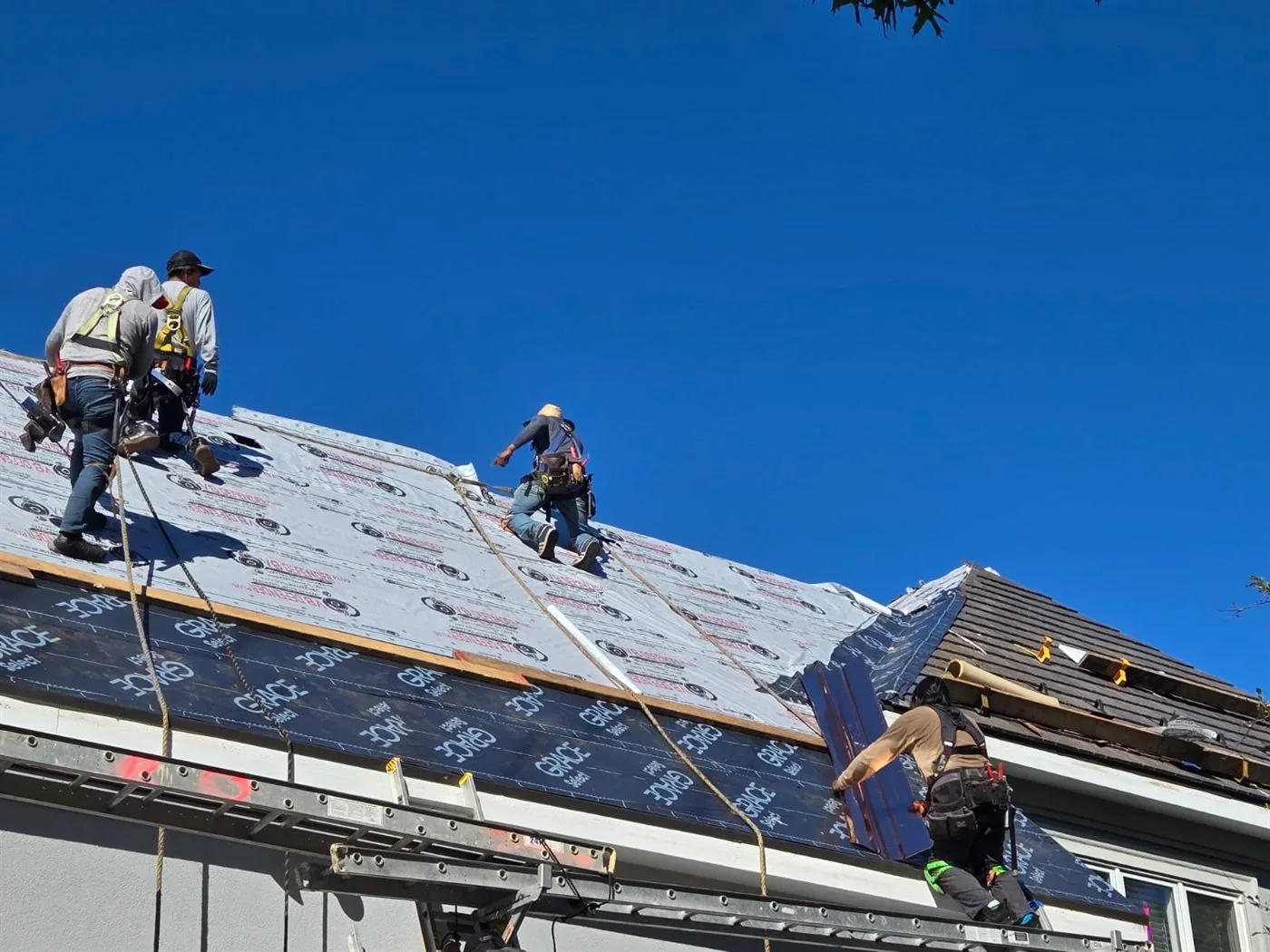
Changed equipment and supports can alter the roof opening or available detail space. We inspect support and weather protection separately, then coordinate responsible component preparation before roofing is finished. Temporary closure is planned while dependent tasks proceed. Material delivery and removal routes are established with the owner around actual occupied access. Roof storage needs appropriate loading, with outlets kept usable. Each daily portion has a suitable stopping line and the protection required below its affected opening.
A property in Fountain Valley receives a sequence tied to its actual tenant operation. Connected manufacturing roof areas can introduce process or equipment dependencies where those uses are present. Adjoining warehouse roofing portions may have different stock access. We identify those relationships through the installed assembly and discuss the practical work area with the owner. The plan assigns component tasks and closure boundaries before the surrounding field membrane is completed.
Maintenance follows the altered geometry
The nearby Anaheim station's 1991 to 2020 normals record 47.2 days per year reaching at least 90 degrees Fahrenheit. That Anaheim setting informs attention to exposed surface and detail condition. Current weather and product requirements guide installation. We inspect the actual material before choosing restoration or repair, with maintenance attention directed to outlets, altered wall turns and service routes. Those tasks follow the installed roof and the water path changed by the building alteration.
At completion, we examine reconstructed transitions and new membrane connections using appropriate checks for the assembly. Useful views show important concealed correction before closure and locate the changed boundary. The owner receives retained-condition attention points and the physical work completed. If water entry returns, investigation considers the present discharge route and component finding. Earlier views help locate repaired areas; adjoining details receive their own assessment. Future tenant alterations should account for those connections before adding a divider, opening or support that changes the roof arrangement.
Questions About Flex and Light-Industrial Roofing
Why inspect drainage after a divider is added to a flex roof?
The wall can interrupt the route through which water previously left the roof portion. We examine elevations and outlets with the new weather turn. Suitable correction may require geometry or discharge work in addition to flashing reconstruction. The owner receives those tasks and any responsible design assessment needed before selecting a bounded repair or broader assembly change.
Can the roof repair area differ from a tenant's leased footprint?
Shared layers, drainage and compatible joining material can require a boundary outside the interior division. We inspect the actual roof and identify affected components. The owner can arrange property responsibilities around that physical scope. The proposal explains retained construction and the correction completed, with occupied-space access coordinated for the areas actually affected below the work.
What should be established when several tenants use rooftop equipment?
Identify the actual components, service restrictions and responsible preparation tasks before roof closure. We inspect their relationship to the damaged membrane and available flashing space. Temporary protection is included while dependent work proceeds. The owner receives a sequence attached to each affected detail, allowing equipment changes and permanent compatible roofing to be arranged together.
How does added assembly height affect the altered wall repair?
It can reduce flashing space or change the outlet profile beside the wall. We measure the available geometry with retained layer condition before proposing recover. Removal can allow another insulation or detail arrangement. Each option explains the supporting construction and finished connection, keeping the height change included in the actual roof correction rather than deferred until installation.
Related Roofing Work

Review the divided roof water route
Describe the Orange flex roof's altered walls, retained layers and tenant access limits. We can inspect the geometry and explain suitable repair boundaries. Call 555-555-5555 or request a roof assessment.