
Commercial Roofing in Fountain Valley, CA
A roof drain with a clean strainer can still leave water standing if the bowl, clamp, or adjoining membrane has failed. In Fountain Valley, CA, we inspect the entire outlet and nearby surface before deciding whether the repair is at the drain or farther along the water path. Southpark, beside the Santa Ana River, has a business mix that combines offices with a modest light-industrial component. Fountain Valley is home to Hyundai Motor America and Kingston Technology; 2023 employers also included Orange Coast Memorial Medical Center and UCI Health - Fountain Valley. For an office or healthcare property, we plan protection below the repair and keep necessary service routes clear. We verify the actual building and its assembly. Drain and scupper inspection can isolate an outlet problem from membrane damage nearby.
Trace water to its outlet
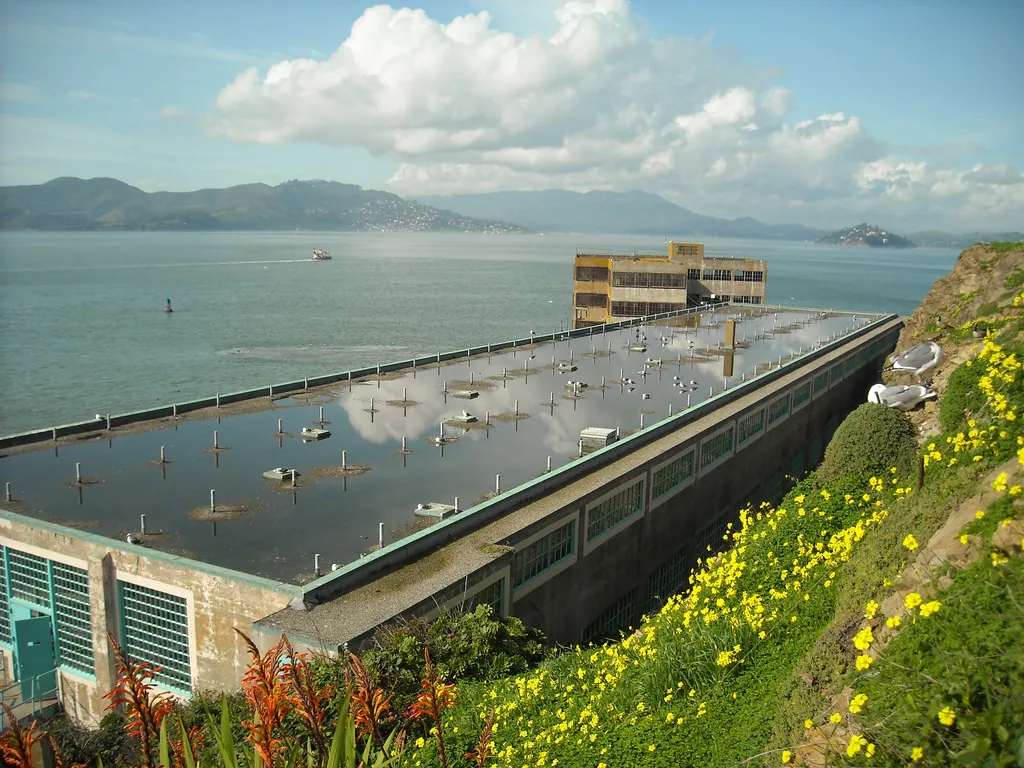
Water should move from the roof field toward a drain, scupper, or designed edge. We check the strainer, sump, clamping ring, and membrane around the drain, then follow the surface slope toward it. A blocked strainer can be cleared; a split at the clamp needs a compatible membrane repair; a low area may require a different correction. We photograph the drain detail and any staining below the outlet so the owner can distinguish a restriction from a leak at a nearby penetration.
Southpark's office and light-industrial context creates different access questions from work above healthcare rooms. We confirm the space below, equipment in the work zone and route to the repair with the site contact. We confirm those details with the manager and plan any access around occupied rooms, production periods, and roof equipment. At an active leak, commercial leak repair can limit water entry while the crew traces the failed connection and prepares a permanent detail.
Inspect around equipment and walls
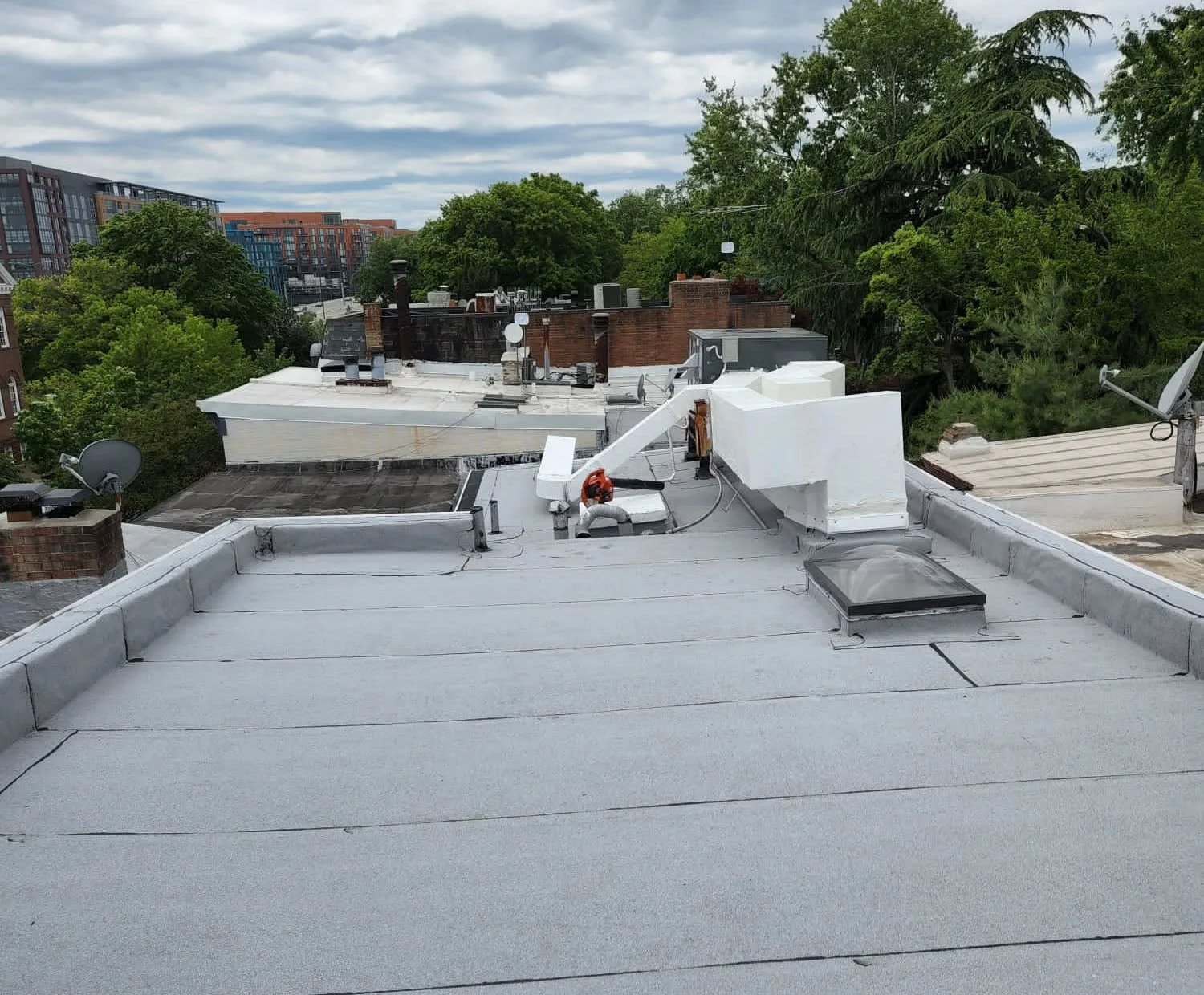
Rooftop units interrupt the membrane and create corners where water can enter if flashing separates. We check each side of the curb, the membrane termination, nearby conduit supports, and service paths that may have scuffed the roof. Along a parapet, we inspect the metal cap and wall flashing for open joints or loose attachment. On a metal roof, the walk instead follows panel laps, fastener lines, and penetrations. The assembly determines the inspection method, so we identify it before writing the scope.
Fountain Valley's headquarters and healthcare employers point to office, technology, and medical uses in the local economy. A property may have equipment or spaces that need uninterrupted operation, but we rely on the site contact for those details. Before opening any roof area, we identify what sits below and what needs temporary protection. A hands-on roof inspection can record accessible details, mark areas for testing, and give the owner a clear list of decisions instead of treating every roof surface as one condition. We also note where dissimilar materials meet, because sealant applied across an incompatible surface can release again. The attachment method matters at a curb or edge, and so does the condition of the material beneath it. That information helps select a repair detail that fits the assembly.
Confirm concealed moisture
Soft insulation, a bubble, or a persistent interior leak can justify checking beneath the surface. We select a test location where the result could alter repair limits, measure the opening, and record the layers and moisture condition. Dry, stable material may support a localized tie-in; wet insulation or a compromised deck may require removal beyond the visible opening. After the inspection, we close the cut using components compatible with the installed system.
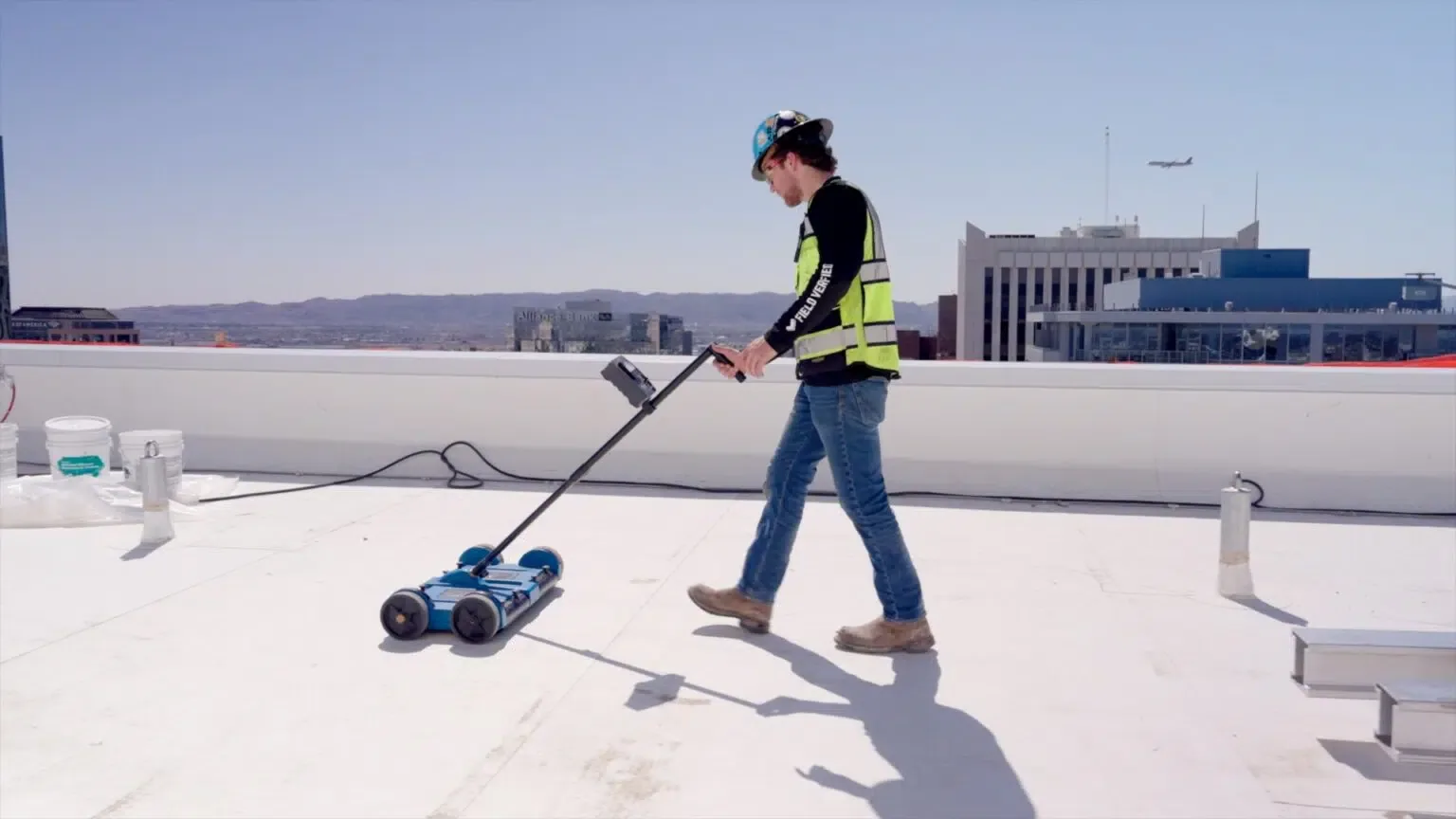
Infrared screening can help direct attention when leak reports cover multiple roof sections. Readings depend on construction and conditions during the scan, so we compare them with roof plans, visible details, and the reported water path. We verify selected spots directly if the finding would change the work. An infrared moisture survey can support a removal plan when the written findings show which areas remain screening candidates and which conditions were confirmed through physical inspection.
Set a useful project boundary
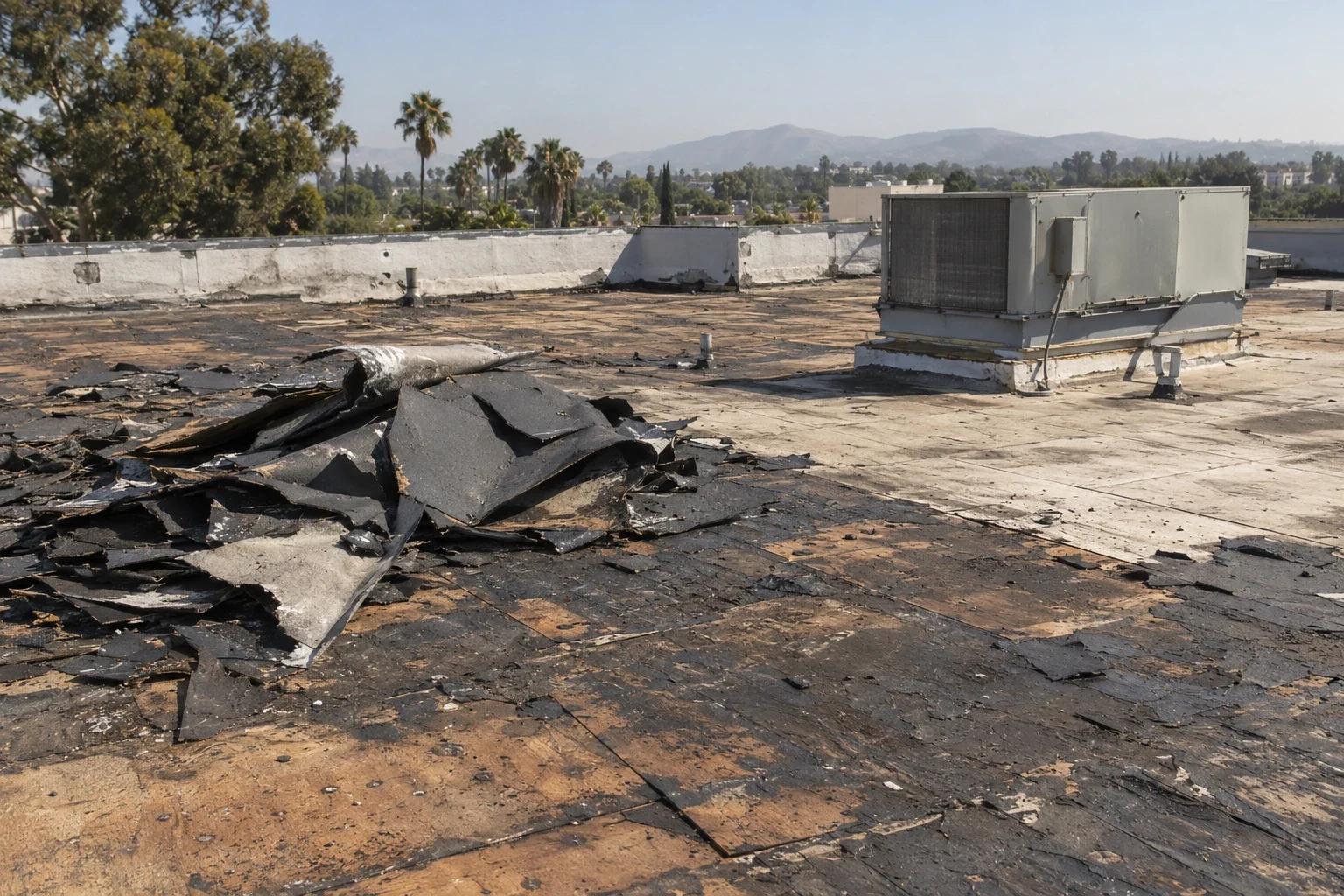
The repair boundary follows the material failure. We specify the area of removal, how the tie-in will be prepared, and whether nearby drains, curbs, or edge metal are part of the work. If the roof has repeated openings or moisture across separated areas, we compare repair with replacement using the inspected layer condition. A patch should not conceal a wet area or substitute for correcting a drain detail that continues to hold water.
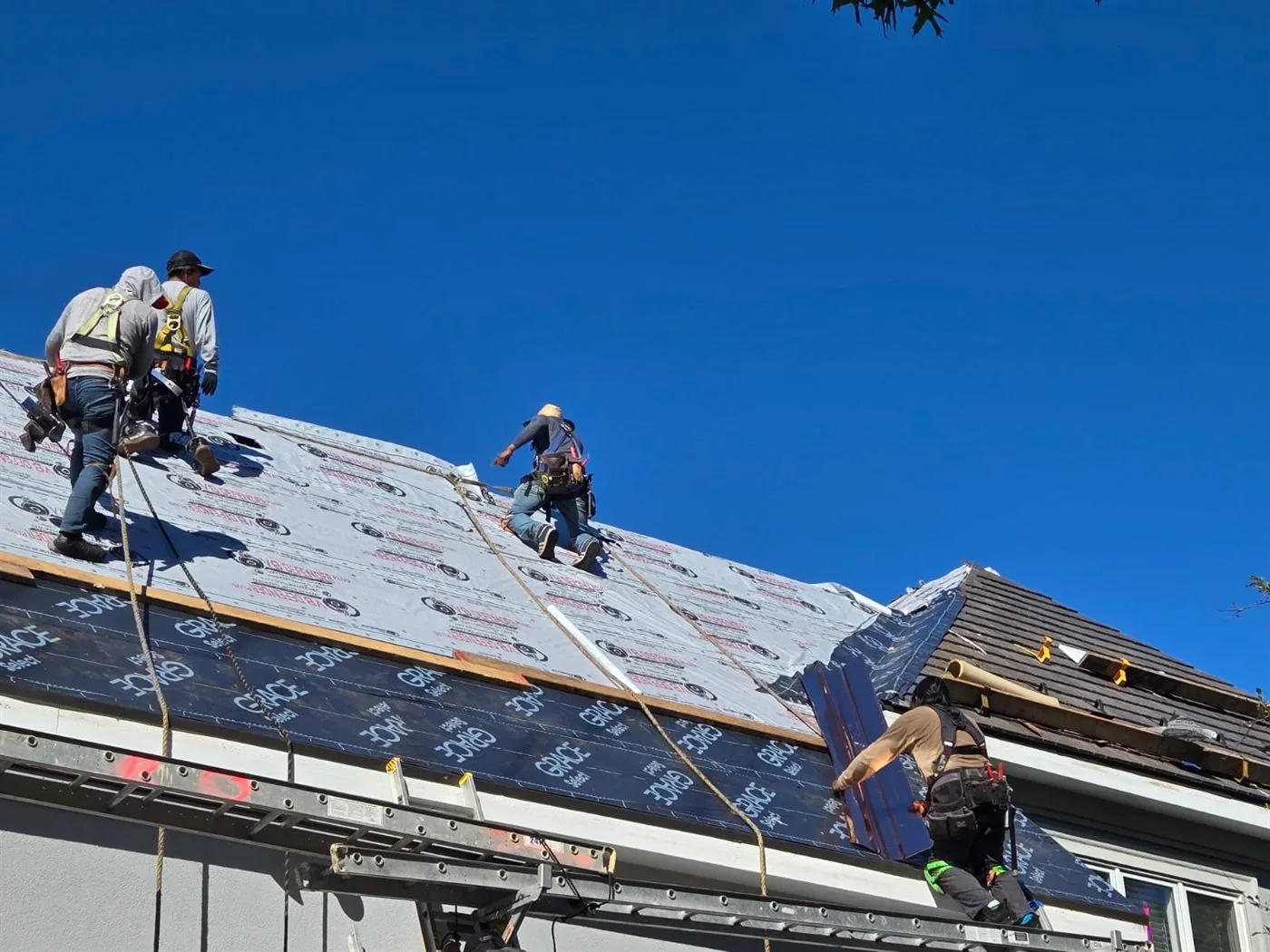
Replacement plans account for tear-off, disposal, drainage improvements, equipment curbs, perimeter metals, access, and protection below. A recover may be considered when existing material is dry, attached, and able to support another layer under applicable requirements. Southpark's offices and limited light-industrial businesses bring distinct access patterns to roof work. Replacement planning can show a phased approach where the building must remain active. A roof condition report can separate immediate leaks from work that can be budgeted for a later phase.
Keep records tied to each roof
After work, we identify the exact roof zone and the detail repaired, then provide photographs of the original condition and finished tie-in. The notes include materials observed, any test opening, and whether insulation or deck damage was present. A separate item that remains outside the authorized scope is marked as open so the owner can decide whether to proceed. The closeout should be understandable to the person who schedules the next inspection.
When a portfolio includes more than one building, clear records help avoid mixing findings. A preventive maintenance visit can check the repaired drain, curb, or seam and compare it with prior photographs. A manager responsible for facilities in nearby Costa Mesa or Garden Grove can use the same report format while keeping each property's assembly and access plan distinct. A future recommendation should follow new observations, not assume that a prior repair has failed simply because another roof has a similar detail.
Questions About Fountain Valley
The roof drain looks clear in Fountain Valley, but water remains. What do you check next?
We inspect the bowl, clamping ring, surrounding membrane, and slope that feeds the drain. A clear strainer does not rule out a restriction below it or a low area holding runoff. We document the standing-water pattern and check the roof layers if moisture has reached the interior. The recommended correction follows the cause found.
Will you work on a roof above an active office or medical operation?
We plan access and protection with the property contact, including any room or equipment that cannot be interrupted. The repair may be sequenced by roof zone if the assembly allows the area to be closed before moving on. We confirm noisy work, material handling, and any equipment coordination before the crew starts.
When does a moisture scan lead to a test opening?
A scan leads to direct verification when its result could change how much material must be removed. We compare the pattern with the roof construction and leak history, then choose a measured opening at a useful location. If the readings do not affect the repair decision, we explain why further testing is unnecessary.
What should a repair comparison include for a Southpark-area property?
It should describe the roof assembly, failed details, verified layer condition, and building access needs. We compare a defined repair with a broader project only when the observations support both options. The proposal should state which drains, curbs, edges, and protection steps are included, as well as any condition that remains open.
Related Roofing Work

Arrange a Fountain Valley roof review
Share the roof section, current leak or drainage concern, and any operating limits. We will inspect the assembly and explain a practical repair boundary. Call 555-555-5555 or request a roof assessment.