
Commercial Roofing in Anaheim Canyon, Anaheim, CA
A loose roof edge can become a larger issue when a service route or delivery schedule limits access to the repair. Anaheim Canyon is an industrial business district within Anaheim, CA, near State Routes 90, 57 and 91. BNSF and Metrolink rail serve the area. At each industrial property, we verify the installed assembly, operating schedule and material route before setting the work plan. We begin at the property: examine the membrane, seams, penetrations and drainage, then determine what needs to be isolated before repair. At an industrial property, we identify the installed membrane, edge details and drainage path before defining the repair. A roof inspection for Anaheim Canyon should make its work boundary clear, show the condition that supports it and account for access without assuming every industrial property operates alike.
Trace defects at seams and transitions
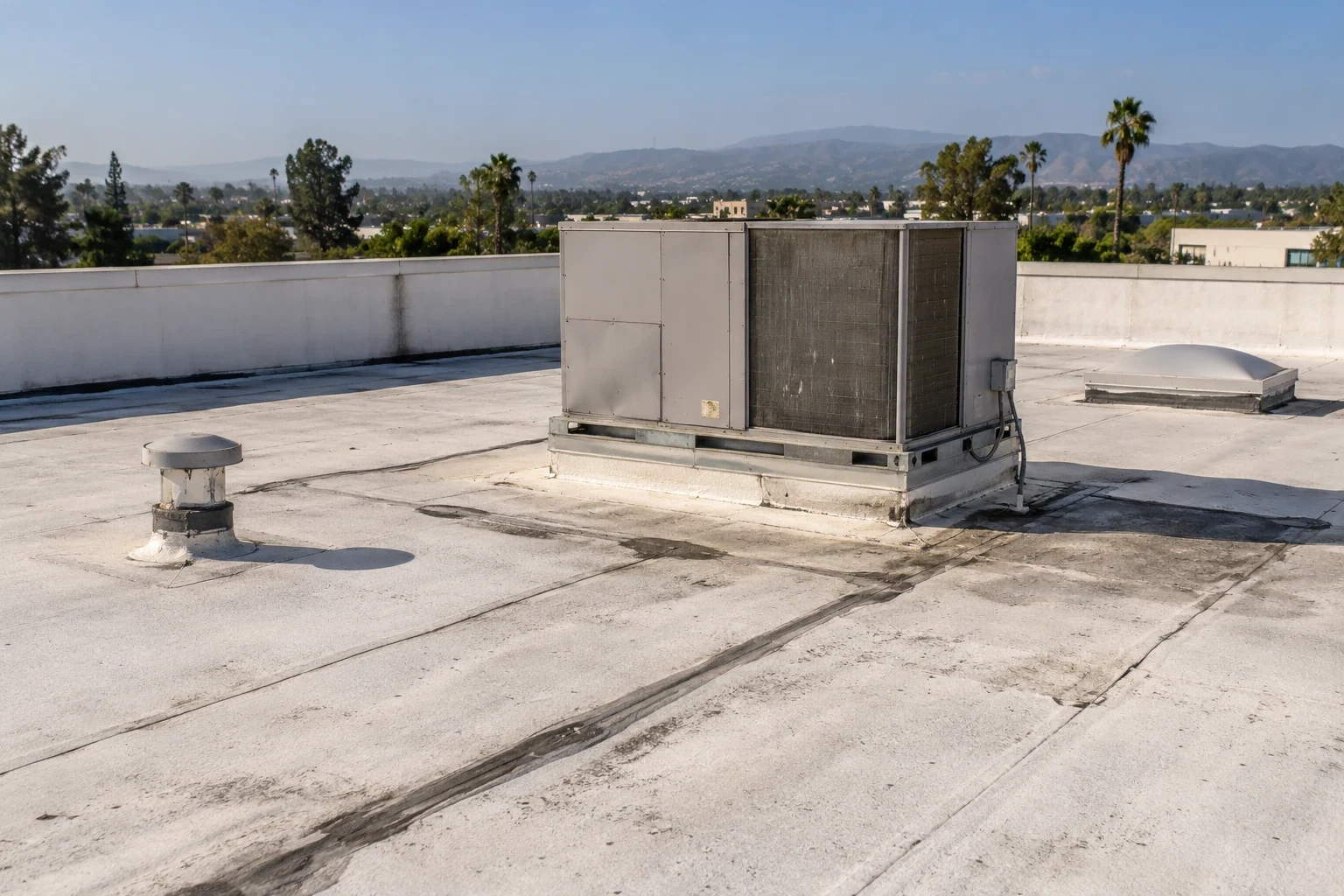
When water appears inside an industrial building, the likely path may cross more than one roof detail. We compare the stain with the roof plan, slope, drains and penetrations, then inspect seams, curbs, edge metal and transitions above the affected area. A visible surface split may be the entry point; an intact-looking area can still conceal a failed lap or wet insulation. We use photographs to locate the observation and a probe or measured opening when the surface alone cannot establish the failure.
For a building with active deliveries, we confirm the staging area and keep material movement clear of receiving operations. For a property manager coordinating trades or incoming goods, though, access timing can affect how we stage materials and protect a receiving area. We identify those constraints with the site contact after determining the actual roof work. The commercial roof inspection records defects by location, while a focused leak repair targets the opening and tie-in supported by the inspection. The recommendation should explain whether the repair is contained or whether adjacent layers need examination.
Map where water can collect
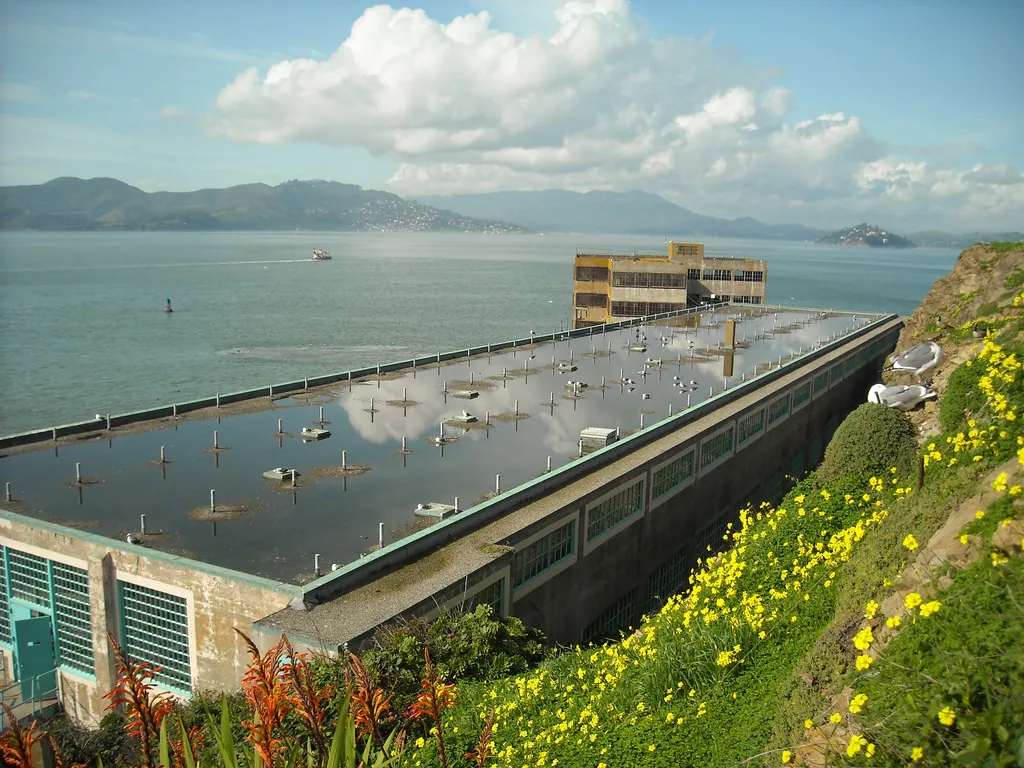
Industrial service areas can have roof penetrations, equipment curbs and multiple drainage paths, but we verify each one on site instead of treating the district as a standard roof type. We check outlet bowls and strainers for debris, inspect scuppers for restricted flow and look for wear where water meets seams or wall transitions. If water marks suggest a low area, we map its extent and compare it with drainage points. A blocked drain and a roof depression are different findings, with different correction options.
The nearby Anaheim NOAA station records an August average daily high of 88.8 degrees and 47.2 days per year reaching at least 90 degrees. The station also records most annual precipitation in the cooler season. The nearby Anaheim normals make exposed sealant and drainage useful inspection points before the wetter season. We inspect seals at curbs and wall terminations, then trace drainage from the affected section to its outlet. If the water path extends beyond a single outlet, the standing-water assessment can define the affected area. For routine outlet work, drain and scupper repair focuses on the component carrying water off the roof.
Coordinate access without guessing
A repair plan for an active industrial site should say where a crew will work and what needs to stay clear. We ask about loading periods, operating shifts, equipment access, roof ladders and interior areas below the repair. Before staging, we confirm the property's receiving hours, material route and active loading areas with its contact. That conversation helps avoid blocking an active route or bringing materials through a sensitive area.
For an occupied building, protection below may include a temporary barrier, covering equipment or restricting a room while an opening is made. We set those steps according to the repair method and what lies below. If weather requires a temporary dry-in, the proposal distinguishes that measure from the permanent correction. A phased roofing plan can reduce the number of areas affected at one time when a larger project is needed. Owners with properties elsewhere in Anaheim or Orange can use consistent work records, but site access and roof conditions remain property-specific.
Tie the material to the existing assembly
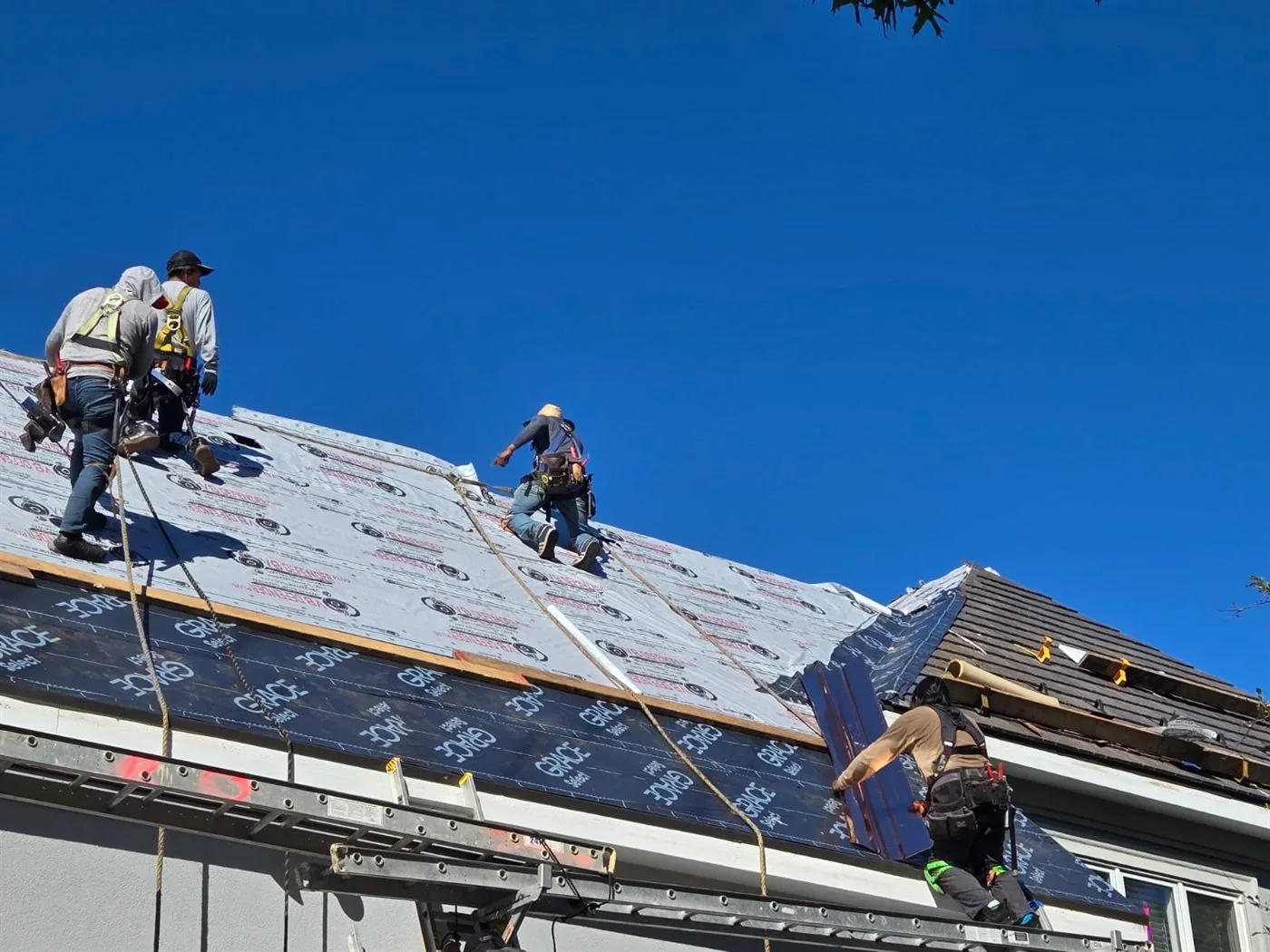
The correct repair depends on what is already installed and whether surrounding material can hold a reliable tie-in. We identify the membrane or metal where possible, check adhesion and attachment, and record prior repairs that have separated. If material is incompatible or the roof is wet below the surface, a patch may not address the condition. A coating or recover also requires a compatible and stable base. We describe those limits before recommending additional coverage.
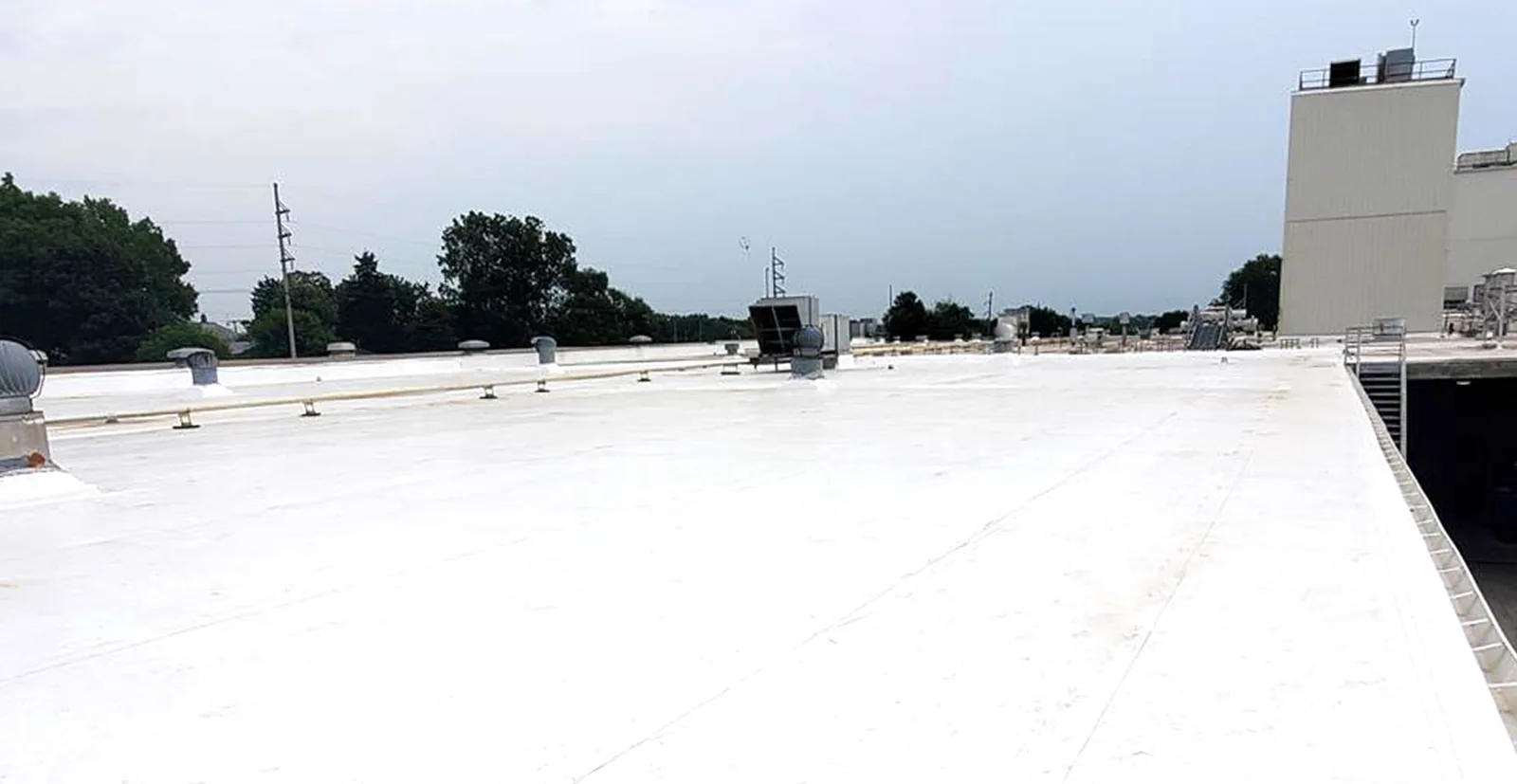
If layers need testing, we can use a controlled opening or moisture survey to see whether the affected area extends beyond the visible defect. A local patch may suit a bounded puncture; multiple seam failures or widespread deterioration can call for broader restoration or replacement. We lay out what each option includes and what it leaves in place. A TPO assembly requires attention to seam welds and penetrations, while a standing-seam metal roof brings different attachment and flashing details. The repair method follows the roof, not the district label.
Make each repair easy to find later
At closeout, we connect the initial finding to the repaired detail. The work record identifies the roof area, documents conditions before and after, describes materials when confirmed and lists any condition that remained beyond the approved limit. If a test opening showed wet insulation or a sound substrate, that result belongs beside the repair description. It helps the next manager see why the scope changed or stayed contained.
A manager responsible for buildings in Anaheim Canyon and other Anaheim districts can use the same record fields without treating the sites as copies. We record roof zone and access points in a way the maintenance team can locate during a later inspection. A condition report helps rank work by water entry and material condition. A maintenance visit can revisit drains, edges and earlier repairs before a problem reaches the interior. The closeout also identifies the next step if a condition remains under observation. That gives an owner a useful handoff, not just a dated invoice.
Questions About Anaheim Canyon, Anaheim
Does a stain near a loading area mean the roof above it has failed?
It points us toward the area to investigate, but water can travel along the deck or insulation before appearing indoors. We compare the stain with seams, penetrations and drainage paths above it. The report identifies the opening that is confirmed and separates it from anything still requiring a test.
Can rail or road access change how a roof repair is scheduled?
It can affect staging or delivery only after we confirm the property route and operating hours. We coordinate those details with the site contact and set the roof work around the actual access conditions. We set delivery timing with the property contact and keep the loading path clear during roof work.
How do you check whether standing water needs a roof repair?
We map the area, inspect nearby outlets and seams, then distinguish restricted drainage from a low roof surface or failed detail. If the water has reached a membrane opening, the repair must address that defect as well as the water route.
What if the roof system is not known before the visit?
We inspect visible layers and details, then identify what can be confirmed. If material selection depends on a hidden layer or bond, we recommend a test opening before finalizing the repair. We identify the installed assembly through inspection and available project records before recommending repair.
Related Roofing Work


Set the inspection around site access
Share the building location, reported leak area and any loading or access restrictions. We will inspect the roof detail, define the repair boundary and coordinate a workable sequence. Call 555-555-5555 or request a roof assessment.