Acrylic Commercial Roof Coatings in Orange, CA
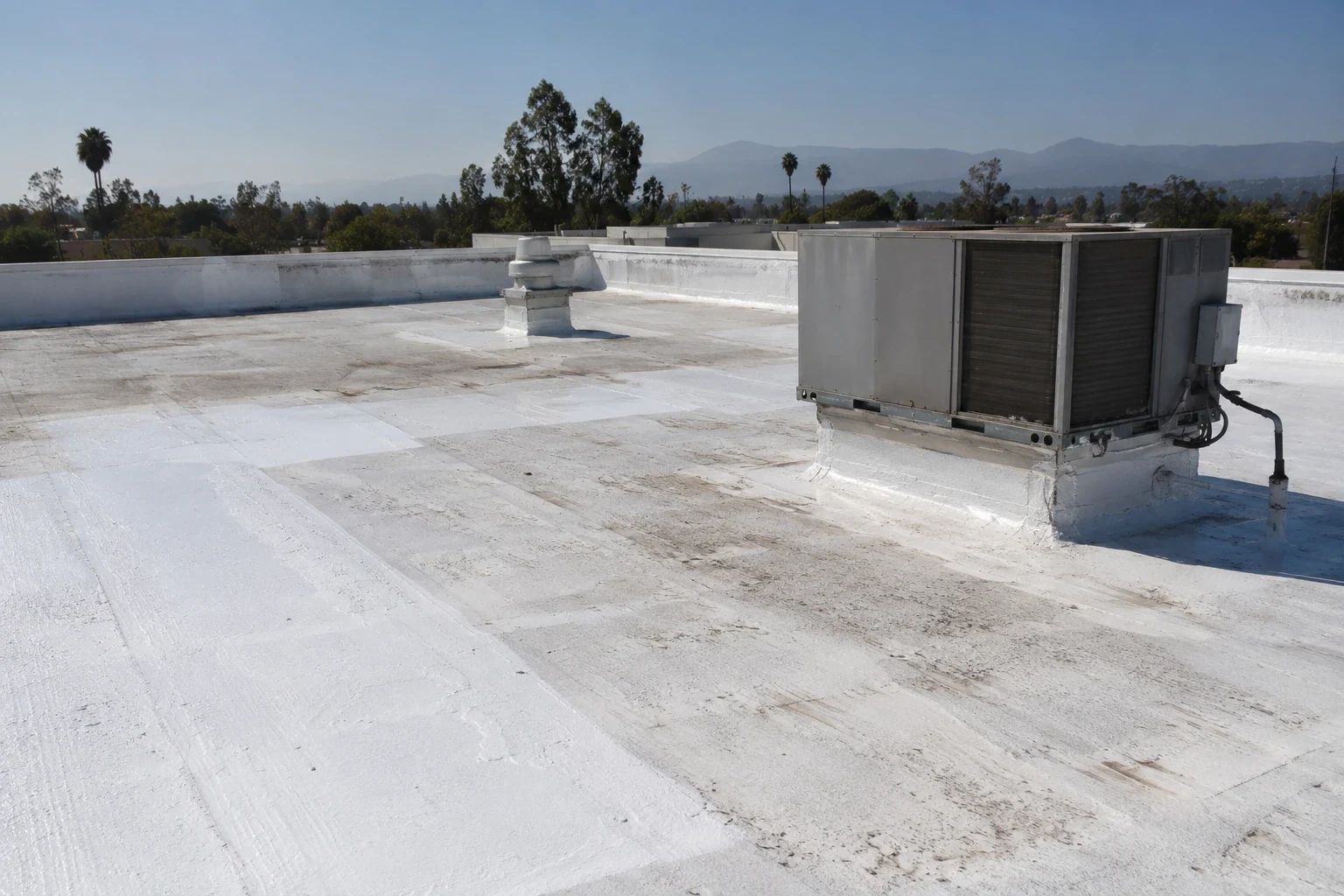
Soft film and water streaks after a coating application need examination before another acrylic pass is added. We assess cure, bond and the material beneath the affected area rather than immediately covering the visible marks. Acrylic roof coatings in Orange, CA require application conditions suited to the chosen product and a serviceable prepared roof. Commercial Roofers Orange explains whether affected coating needs removal, further preparation or another correction before restoration continues. The owner can compare those tasks through the actual film condition and the connection that the finished coating must form.
Anaheim's hotels accommodate resort and convention visitors, with occupied-space and equipment needs that can influence roof work. Restaurants, warehouses and general-industrial buildings share the area near Katella Avenue and Main Street. For a property in either setting, we establish its actual access and operating restrictions before planning restoration. The coating decision follows the inspected roof layers and details, while preparation and application windows are coordinated with the owner and suitable work conditions.
Cure and bond need separate checks
An affected acrylic film may need assessment of its application conditions and connection to the substrate. We inspect the surface, previous treatments and available work information, then follow the selected system's requirements for correction. Unsuitable or detached material may require removal. The next application needs a suitable base and conditions appropriate for curing. The owner receives the preparation boundary and any additional assessment needed before more material is installed over the affected area.
Acrylic products have their own requirements for temperature, moisture, application and exposure. We review those requirements for the selected system rather than assign a universal working window to every coating. Roof restoration assessment includes the layer and detail repairs needed before application. The recommendation relates that work to the observed condition, separating corrected substrate or membrane defects from the coating tasks required to leave a suitable protective surface.
Moving details need correction first
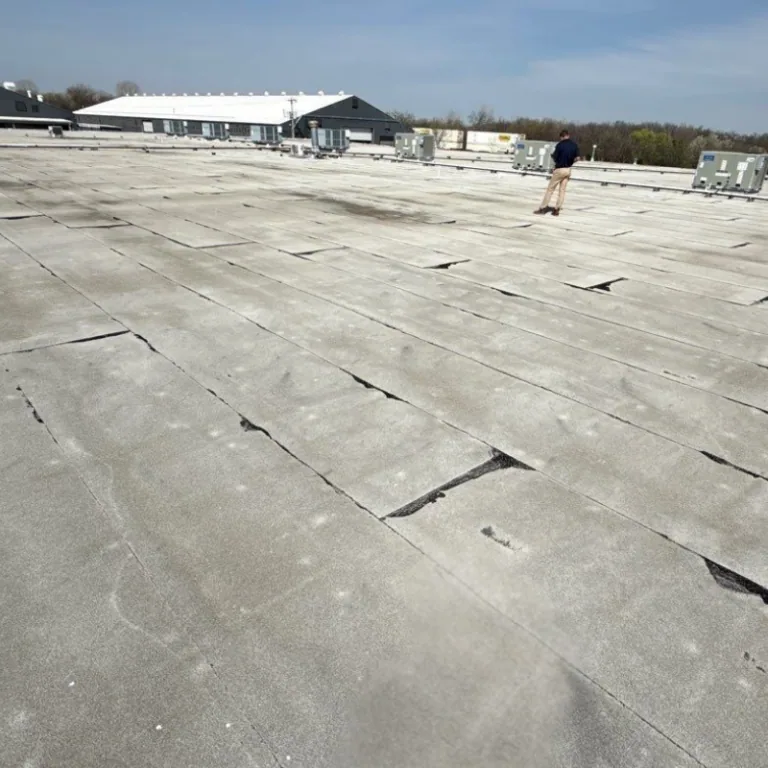
A crack along a seam can involve movement or an opening beneath the coating. We inspect the connection and adjoining support before selecting a repair. Suitable reinforcement or detail treatment follows the chosen coating system, while a damaged membrane lap or loose component may need its own reconstruction. Applying another surface layer over that opening can leave the physical connection unresolved. The scope identifies the detail corrected and the compatible coating installed after it is prepared.
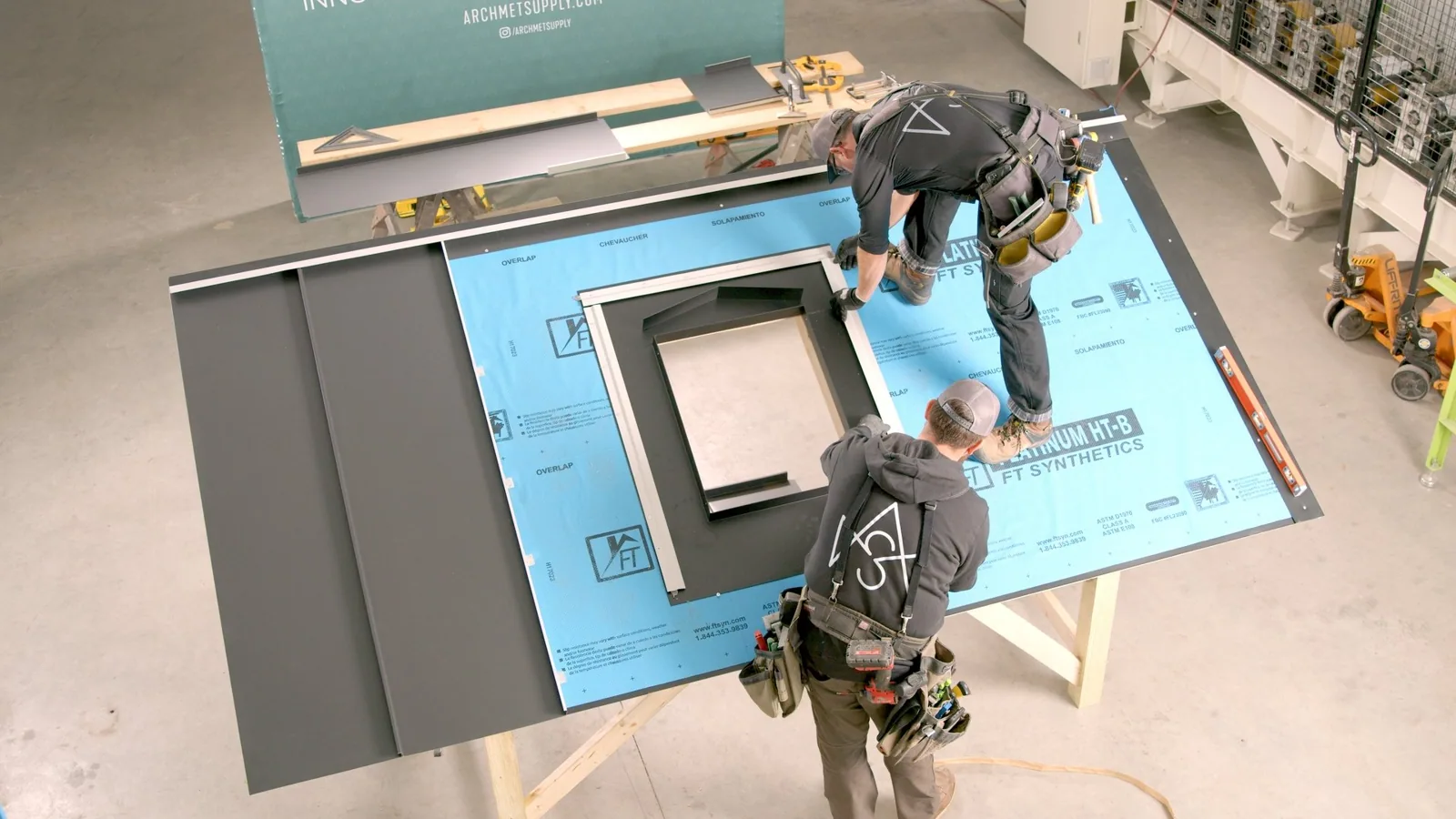
Curbs, terminations and penetrations also need suitable backing and available working space. Rebuilding damaged roof flashing can be part of preparation where the inspected detail requires it. We explain the component and membrane changes before coating begins. The finished application then follows a properly prepared transition, with coverage and reinforcement appropriate to the selected system at corners and changes in shape. The owner can compare those tasks with broader work if adjoining material is also deteriorated.
Drainage affects product suitability
A low area retaining water needs examination of its outlet and surrounding elevations. Acrylic coating suitability depends on the selected product and the actual exposure, so drainage conditions are reviewed before restoration is proposed. The owner receives the outlet or geometry correction needed with the coating scope. If a larger assembly change is necessary to address the water route, that construction is included in the comparison rather than left beneath a renewed surface.
Silicone restoration choices offer another product approach where the roof and selected system support it. A different coating does not remove the need to inspect the discharge path and retained layers. The nearby Anaheim station's 1991 to 2020 normals record January precipitation of 3.16 inches. We discuss that Anaheim seasonal setting alongside the property's actual drainage, with current weather and product requirements used to plan the work rather than a monthly normal substituted for application conditions.
Concealed condition determines the base
Water entry can affect layers beneath an apparently intact surface. We investigate selected areas and identify whether moisture or attachment problems require removal. Physical confirmation of concealed roof moisture can guide that assessment where imaging and construction are suitable. Observed wet or damaged material is considered in the repair boundary. A compatible acrylic surface needs a serviceable assembly beneath it, including appropriate support at patched or rebuilt locations.
Where retention is unsuitable, an owner can compare restoration with modified bitumen roof replacement or another appropriate assembly. We explain the layers retained and details corrected under each scope. A sound roof needing surface protection presents a different decision from one with widespread deterioration. The comparison follows those findings and the actual building requirements, keeping removal, drainage and flashing changes included where they are necessary for the selected construction.
Preparation supports specified coverage
Cleaning and any required primer follow the coating system and substrate condition. We inspect existing coatings and contaminants, then assess whether a suitable bond can be made after preparation. Adhesion checks may help define that choice. Incompatible or detached areas need correction before application. The work scope identifies those locations and the preparation method selected for the actual roof materials, with appropriate protection for equipment, adjoining property and occupied operations during the process.
Coverage and film thickness are checked according to the selected product's requirements. Application passes and detail treatments are planned so prepared corners and seams receive suitable material. A uniform-looking color is assessed alongside those required checks. We inspect completed transitions and address incomplete coverage where found. The owner receives the coating extent and component repairs included, with practical maintenance attention directed at the connections and service routes present on the roof.
The working window follows the roof
On a restaurant roof assembly, exhaust equipment and operating access can affect preparation and application. We discuss those actual constraints with the owner before selecting work areas. The chosen product needs suitable conditions for application and cure, and repaired openings require appropriate protection until permanent work is completed. Material movement and intake protection are coordinated for the property rather than assumed from its business category.
A building in the Katella Avenue corridor receives a plan tied to its occupied areas and roof arrangement. Completed views locate repaired details and useful layer findings before closure. Later equipment work should preserve the coating or receive a compatible correction at the altered component. Maintenance examines cracks, worn surface and drainage access, while a returning leak prompts investigation of the actual water route and connection condition before another coating scope is selected.
Questions About Acrylic Commercial Roof Coatings
Why assess soft coating before adding another acrylic pass?
The existing film and its bond may need correction before it can support more material. We examine the surface and review preparation and application conditions where relevant. The selected product's requirements guide removal, additional preparation or another appropriate task. The owner receives the affected boundary and the connection needed beneath the finished coating, so the new pass is part of a supported restoration.
Can acrylic coating close a moving membrane seam by itself?
The underlying connection needs examination and suitable repair before the protective surface is selected. Movement, detached material or an open lap can require reconstruction. We identify that component work and the compatible detail treatment used afterward. The scope distinguishes the repaired weather connection from the coating applied over prepared, serviceable material.
What should be reviewed where water remains after rainfall?
Inspect the outlet, receiving path and roof elevations, then review the selected coating's suitability for the actual exposure. We identify drainage repairs or broader geometry changes that may be needed. The owner can compare restoration with assembly work addressing those conditions. Product selection remains tied to its requirements and the inspected roof rather than an assumption that any surface treatment fits retained water.
How does an owner compare restoration with replacement?
Compare inspected layer condition, attachment, repair boundaries and the details left in service. We explain the preparation and component correction included in restoration, and the removal and reconstruction included in replacement. Occupied operations and equipment dependencies are considered with each scope. The choice can then follow suitable work for the building's actual condition, with the completed connections and maintenance access accounted for.
Related Roofing Work
Review the acrylic film condition
Describe the Orange roof's coating wear, drainage and previous application concerns. We can inspect the retained assembly and explain suitable acrylic restoration work. Call 555-555-5555 or request a roof assessment.