
Spray Polyurethane Foam Commercial Roofing in Orange, CA
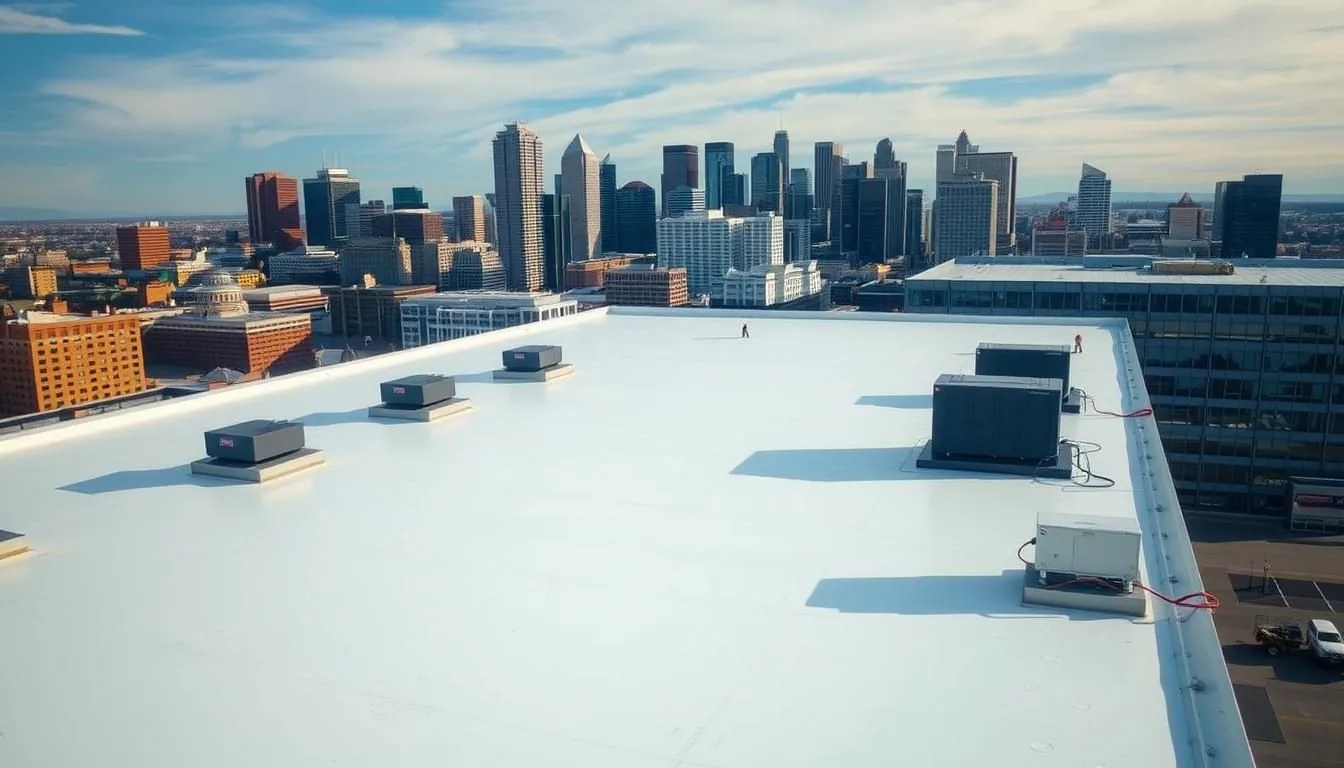
An exposed foam edge beside a cut equipment opening can deteriorate while the surrounding coated field still looks serviceable. We inspect the uncovered material and the unfinished transition before recommending a coating pass. Spray polyurethane foam roofing in Orange, CA needs the foam shape and protective surface corrected together at that opening. Commercial Roofers Orange explains the material removal, rebuilding and compatible coating needed. The owner can compare a bounded detail repair with wider work through the exposed foam condition and the support remaining beneath it.
Villa Park's small shopping center adjoins civic and library uses, creating an occupied-building setting where application access needs consideration. Anaheim's hotel economy serves resort and convention visitors, with different equipment and occupied-space requirements on operating properties. We examine the actual building and discuss those constraints before selecting SPF work. Preparation, spraying and closure are planned around the roof's details and nearby operations, with the physical defect established before the application method is chosen.
Exposed foam needs examination first
A cut edge or worn coating can leave foam vulnerable to exposure. We assess the affected material and establish where suitable foam and support remain. Deteriorated portions may need removal before the shape is rebuilt. The repair includes the compatible protective coating required by the selected system. Applying new surface material across damaged foam can leave an unsuitable base beneath the treatment, so the scope shows both the foam correction and protection restored over it.
Previous repairs and equipment alterations receive particular attention around the exposed edge. We inspect whether the opening has adequate support and a suitable termination. Penetration detail reconstruction can involve component or flashing work before foam and coating are completed. The owner receives a boundary showing the damaged material removed and the retained assembly connected beside it. That makes a local correction comparable with broader removal where exposure has affected a wider area.
Foam repairs consider water movement
SPF can be shaped as part of a suitable roof assembly, but the installed profile still needs a workable discharge path. We inspect depressions, outlets and altered equipment bases before defining repair. An isolated buildup can obstruct water even when its surface coating is intact. The proposed correction considers finished elevations and the membrane or flashing connections around receiving components. Drainage is assessed across the affected area rather than only at the visible foam defect.
Outlet and scupper repair planning helps identify the component work needed with the foam correction. A drain body, wall opening or receiving leader may require its own repair. We explain that division and coordinate the sequence before the assembly is closed. The finished coating follows an appropriately shaped and prepared surface, with the outlet detail accessible for inspection and later cleaning. Equipment routes are considered so service traffic does not repeatedly damage the corrected water path.
Moisture changes the removal choice
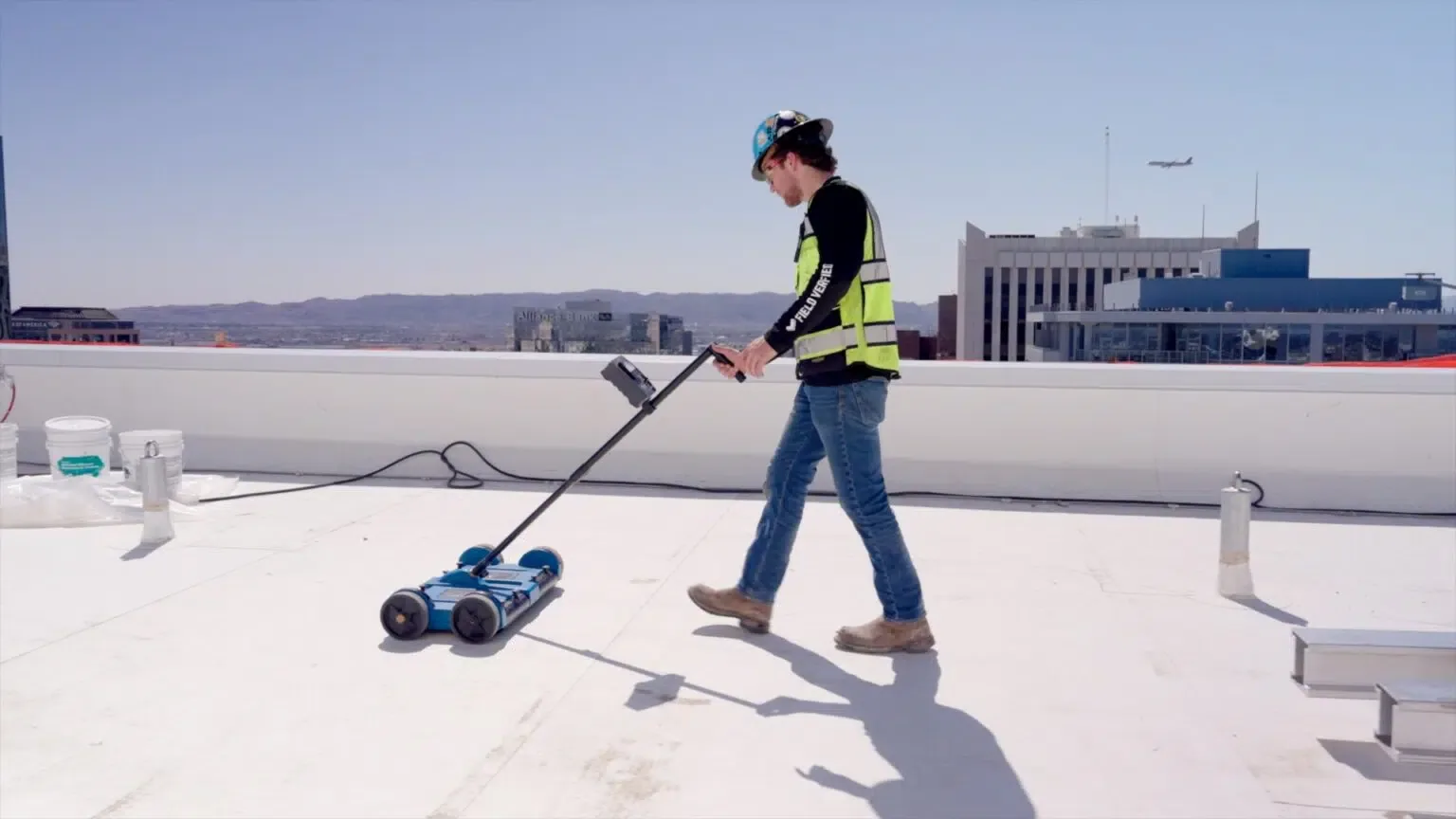
Wet material beneath the protective coating needs assessment before retention is proposed. We examine the damage pattern and selected layers, identifying whether moisture or poor adhesion extends beyond the visible opening. Surveying roof moisture with layer confirmation can support that investigation where suitable. The actual findings determine the foam and underlying material requiring removal. A new protective surface needs an appropriate base, including sound retained foam and support.
A wider installation also needs review of substrate suitability and the existing assembly. The owner can compare foam repair and recoating with removal or another system where attachment or layer condition warrants it. TPO roof replacement assemblies involve different construction and details. We explain each option's support, drainage and equipment changes, keeping the comparison focused on complete work that corrects the inspected condition rather than a surface choice alone.
The coating is part of the system
SPF roofing needs suitable protective coating maintained as part of the assembly. We inspect wear, cracks, adhesion and previous coating materials before selecting restoration. Silicone protective coating systems can be considered where compatible with the installed roof and exposure. The selected product's preparation, coverage and thickness requirements govern application. Damaged foam and details are corrected before the new protective surface is installed.
At a repaired penetration, the coating must connect appropriately to adjoining materials and terminations. We examine those boundaries and identify required reinforcement or detail reconstruction according to the chosen system. Suitable completion checks assess application and connection after the repair. The owner receives locations needing continued attention, including exposed edges and service paths, rather than only a general instruction to look for a change in roof color.
Spray work needs controlled conditions
Application conditions, surface moisture and preparation affect foam installation and the protective coating. We assess the project and follow the selected system's requirements before proceeding. Wind and nearby operations also influence the application plan. Overspray controls and appropriate protection for adjacent property, equipment and intakes are considered with the responsible project participants. The owner is told which access and operating coordination is needed for the particular work area.
In the nearby Anaheim station's 1991 to 2020 normals, the average daily August high is 88.8 degrees Fahrenheit. That nearby climate information helps frame seasonal planning, while the actual work weather and product requirements govern application. On an occupied office roof, equipment service and intake arrangements may affect the working window. We establish those specific limits with the owner and coordinate opened details and material handling before spraying or recoating begins.
The repaired edge gets a close check
A completed foam repair needs inspection of its shape, protective surface and adjoining termination. We examine the reconstructed detail and the water route around it, using checks suited to the selected assembly. Useful views show exposed material before removal and the corrected area after closure. The owner receives the repair boundary and the coating work included, helping later maintenance distinguish reconstructed foam from nearby material retained in service.
For a property in Villa Park, service access and occupied-space needs remain part of the finished arrangement. Equipment trades should coordinate new openings so support and weather protection can be planned before the roof is cut. Maintenance examines coating condition and damage along access routes. Where a new defect appears, we investigate the exposed foam and surrounding bond, then explain whether a detail repair or wider restoration fits that physical condition.
Questions About Spray Polyurethane Foam Commercial Roofing
Why rebuild foam before coating an exposed cut edge?
The exposed material may be deteriorated or lack a shape suitable for the required connection. We inspect that edge and determine where sound foam and support remain. The correction can include removal and rebuilding before compatible coating is applied. The owner receives both tasks in the scope, with the boundary defined by the actual material condition rather than the visible coating break alone.
Can an SPF repair correct a low area near a drain?
A suitable profile correction may be possible after the outlet, support and surrounding assembly are assessed. We examine the discharge route and identify whether the receiving component also needs work. The selected repair follows its system requirements and the finished geometry needed for drainage. The owner can compare that correction with broader assembly work where the retained material is unsuitable.
What determines whether recoating can retain the existing foam?
Condition, adhesion, moisture and compatibility need examination before retention is selected. Serviceable foam can present a different choice from wet or deteriorated material. We identify repair locations and the preparation required for the chosen protective coating. The recommendation explains the roof left in service, the defects corrected first and the detail attention needed after application.
How do operating constraints affect a spray application?
Equipment, intakes, neighboring areas and access routes influence protection and the working sequence. We establish those limits and assess suitable application conditions before proceeding. Material requirements and current weather govern the selected method. The owner receives specific coordination tasks for the work area, including any equipment or access changes needed before foam and coating can be installed appropriately.
Related Roofing Work

Review the exposed foam detail
Describe the Orange SPF roof's coating breaks, cut edges and operating limits. We can examine the foam and explain a suitable repair and protective-coating scope. Call 555-555-5555 or request a roof assessment.