Commercial Ponding Water Roof Repair in Orange, CA
A solid cover fitted over an outlet intended to receive roof runoff can restrict entry while the pipe and surrounding roof profile remain suitable. Reshaping the field would leave that component opening unchanged. Commercial ponding water roof repair in Orange, CA begins with the installed inlet and the function it must perform. Commercial Roofers Orange examines the cover, receiver and adjoining roofing with responsible participants. We explain suitable hardware preparation and any membrane correction indicated by actual condition, giving the owner a physical scope rather than choose deeper roof work before the inlet relationship is understood.
Fountain Valley's Southpark district near the Santa Ana River has commercial offices and limited light-industrial businesses. Costa Mesa's southwestern quarter includes industrial activity involving electronics, pharmaceuticals and plastics. At the property being assessed, the owner establishes actual equipment, occupied spaces and roof access. We locate the drainage arrangement and installed construction before defining removal. The recommendation follows component condition and suitable receiving material, with protection arranged around the roof portion opened for the selected correction.
The cover must fit the outlet's intended function
Inspecting the inlet and adjoining construction locates the cover clearance and receiving bowl. The owner and responsible drainage participant establish the outlet's intended function before its components are changed. Assessing restricted roof inlet hardware identifies unsuitable cover or strainer relationships alongside any damaged roof-side connection. Compatible component preparation is defined through the actual installed drain, with appropriate assessment where the arrangement requires it. The work addresses the restricted opening rather than assume field profile correction is necessary.
A mismatched cover can reduce useful entry even where the pipe accepts discharge and surrounding layers remain serviceable. We distinguish that hardware condition from debris requiring cleaning. The responsible participant establishes suitable preparation and the completed component arrangement. Roofing is assessed for retention or reconstruction separately. Useful close views locate the clearance and receiving interface, explaining why a component correction can differ from a wider membrane project. The owner receives the physical tasks, retained construction and protection needed while the outlet is prepared.
Retained water can affect the surrounding roof layers
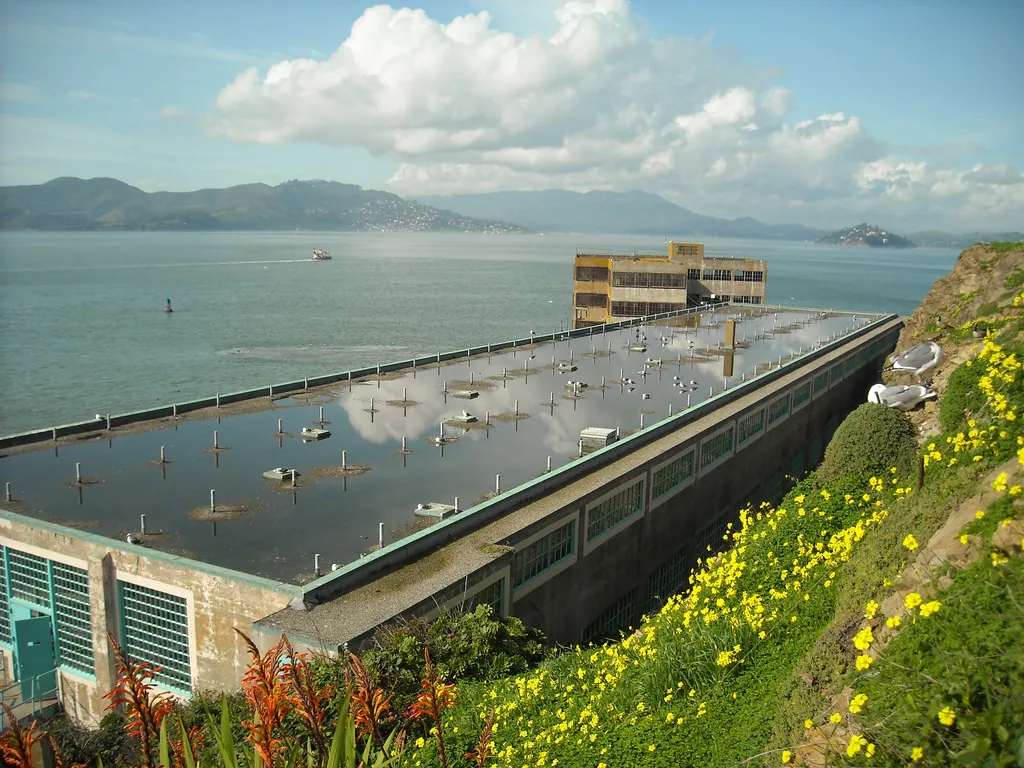
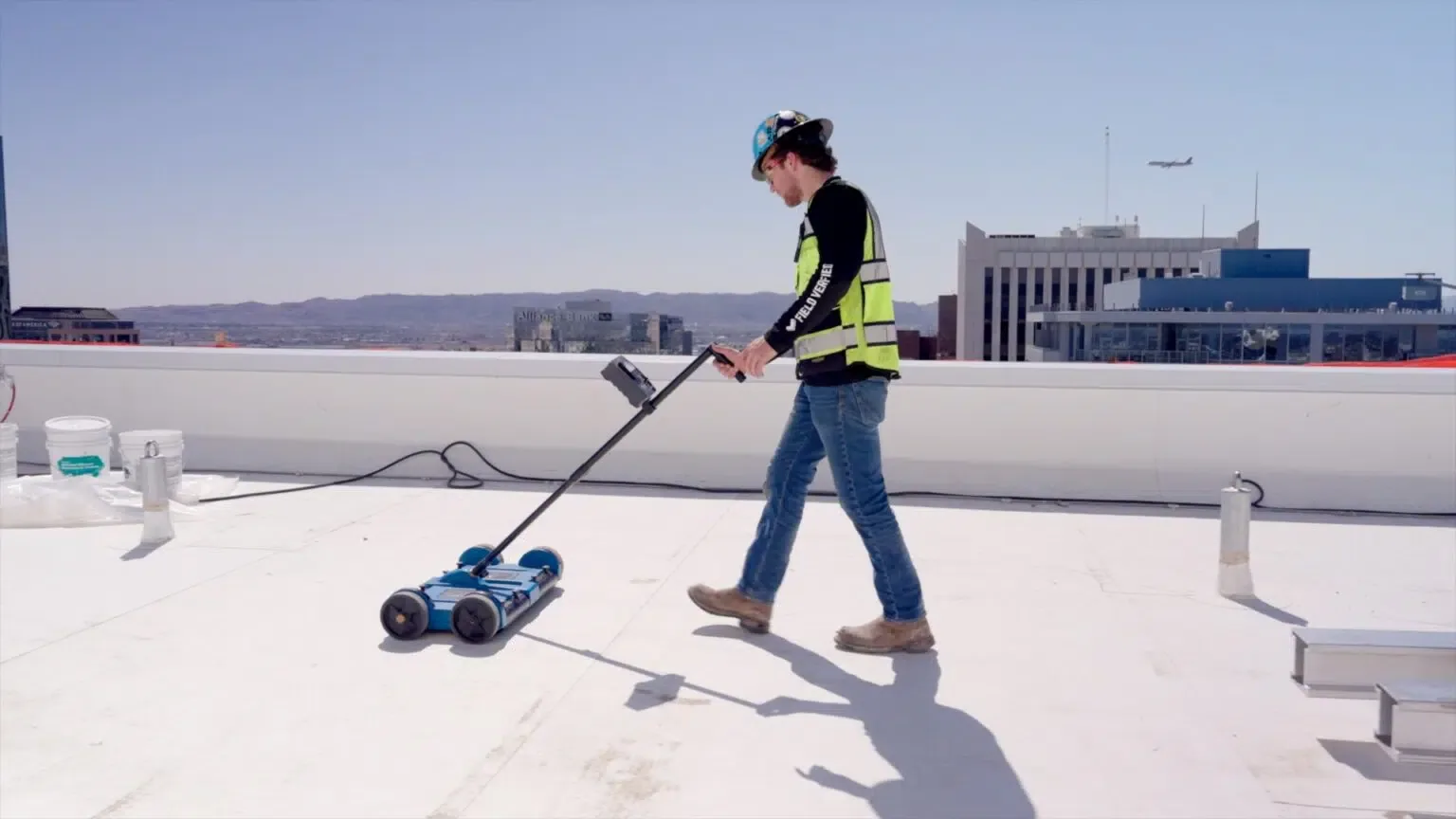
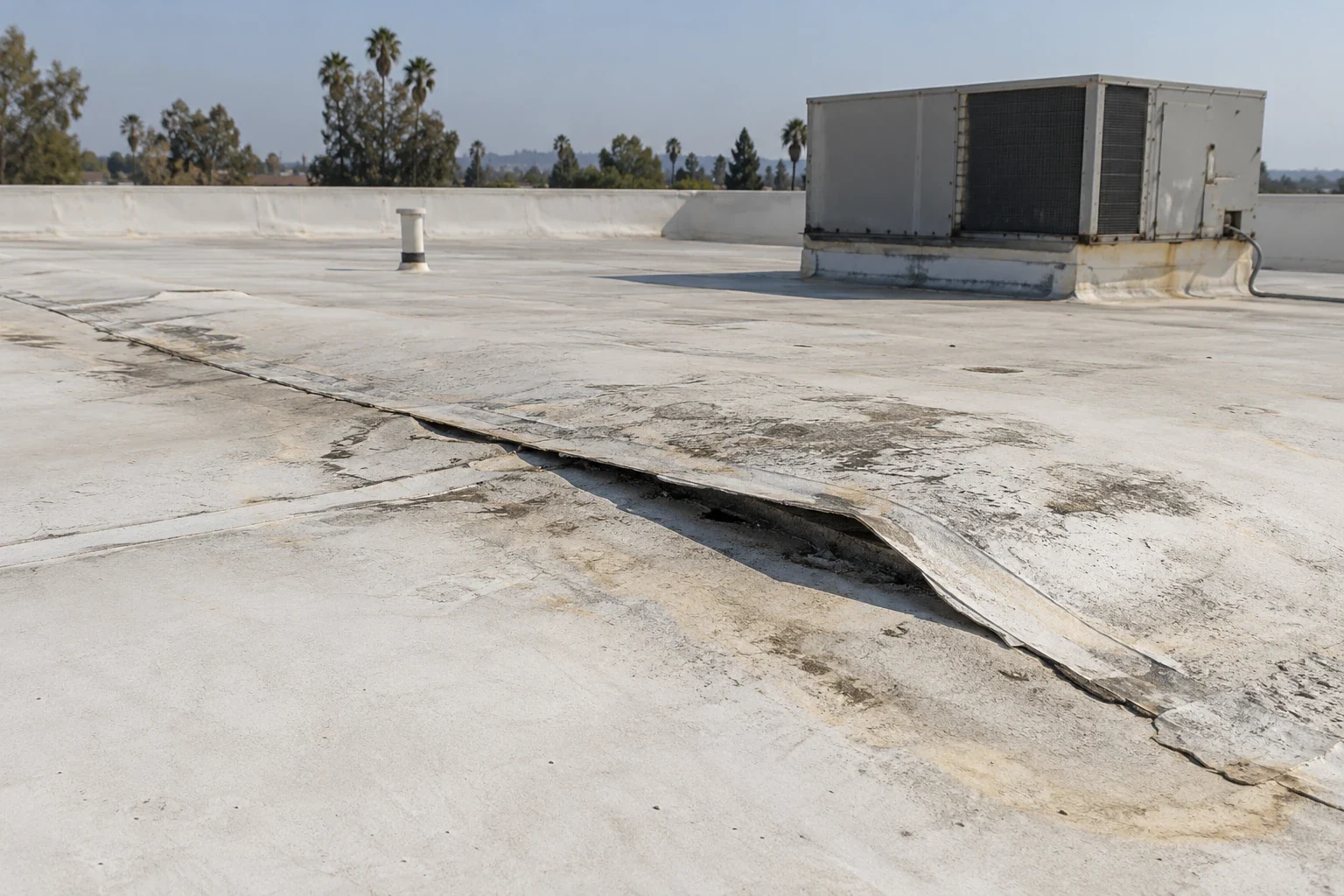
We examine sheet condition and adjoining seams in the area repeatedly exposed to water. Selected physical checks identify concealed moisture where retained material affects the repair boundary. Investigating layers beside restricted roof inlets can assist locating examination points when imaging suits the assembly and inspection conditions. Wet insulation, deficient board or damaged backing is included where assessment indicates correction before new membrane conceals the receiving material.
Serviceable surroundings can permit retention while suitable inlet hardware is prepared. Damaged layers may instead require a bounded roof correction or wider removal. We explain those differences through the actual depth and material involved. Support concerns receive appropriate professional evaluation where present. Additional examination is identified by location and purpose before broader construction is selected. The owner receives the receiving layers reconstructed and kept, allowing protection below work to follow the actual correction rather than only the visible retained-water outline.
The completed component needs a compatible roofing perimeter
Changed inlet hardware must suit the receiving bowl and leave the roof-side connection appropriately prepared. We inspect those dimensions before selecting membrane work around it. Assessing weather interfaces adjoining the inlet locates compatible joining material and backing tasks where needed. The responsible component participant prepares the receiver ahead of permanent roofing. Suitable temporary protection and usable discharge arrangements are included while related construction remains unfinished.
A retained perimeter needs its attachment and earlier treatments examined for appropriate closure. An altered bowl or fitting may require another preparation boundary to reach suitable material. We identify that condition before fixing the roof portion. Relevant design or drainage assessment is included where the component change requires it. The owner receives hardware preparation and membrane reconstruction separately, showing how each task contributes to the completed outlet rather than include deeper field removal simply because water accumulated around the opening.
Broader roof choices still depend on the inlet opening
A field project includes the outlet relationship alongside insulation, attachment and perimeter construction. Recover requires suitable retained layers and applicable requirements considered with the changed height. Removal can expose backing or wet material needing correction. We compare those receiving tasks before selecting a surface system. Examining seams affected by retained roof water identifies joining conditions that need appropriate preparation beside the finished inlet perimeter.
A broader assembly needs suitable component geometry as well as sound field construction. The restricted opening and any responsible hardware work remain part of its scope. We identify layers retained and reconstructed under each option, with appropriate assessment for support or loading changes where required. Temporary boundaries are prepared while dependent component tasks proceed. The owner can compare actual construction completed through local outlet correction and larger roof work, including the discharge route and accessible inlet left at the end of the selected project.
Occupied protection follows the outlet preparation area
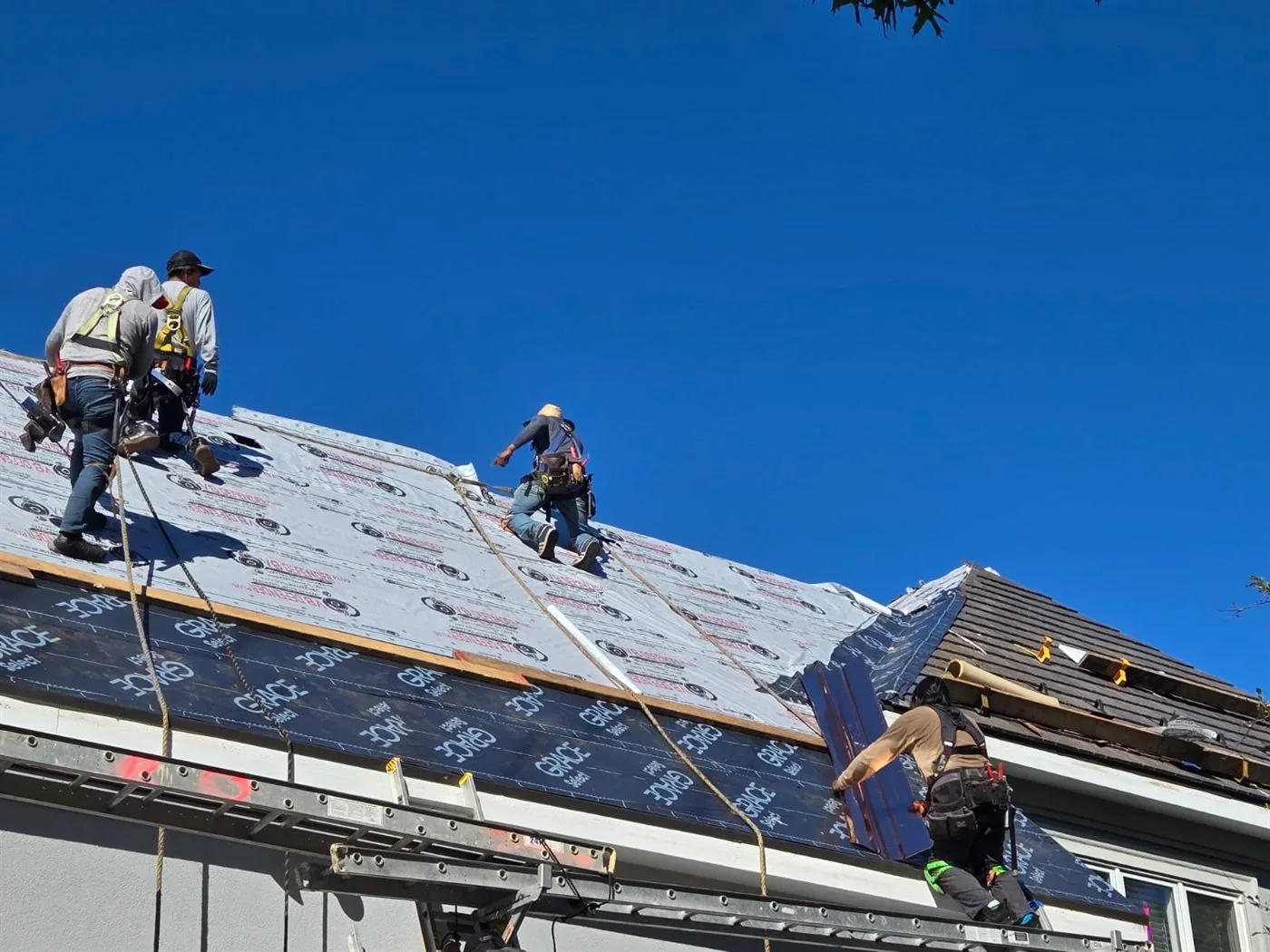
The owner establishes affected spaces and roof access before the inlet or surrounding layers are opened. We locate material movement and protection against the defined portion. Staging needs suitable roof loading and must preserve appropriate discharge. Equipment and intake relationships influencing preparation are reviewed with responsible participants. Current conditions and specified requirements determine the suitable installation method. A daily portion includes an accessible closing boundary while hardware or receiving-layer work remains unfinished.
At a property in Fountain Valley, the work sequence follows its actual outlet position and occupied use. A compatible joining perimeter may extend beyond the component's footprint. We inspect that space before daily limits are chosen. The owner receives preparation, removal and protection tasks with the responsible drainage relationship. Those physical dependencies determine how each portion is arranged, including suitable temporary weather closure until the prepared inlet and roof-side connection can be permanently completed.
Follow-up keeps the finished inlet appropriately accessible
We inspect finished roofing through suitable system methods and show important concealed layer correction before closure. Responsible participants complete the assessment appropriate to the prepared inlet hardware. Finished views locate that component and adjacent membrane changed, distinguishing them from retained field material. The owner can find the opening during future maintenance. Service or storage arrangements are reviewed where they could restrict entry or damage the weather perimeter, keeping the accessible discharge relationship connected to the completed correction.
For January, the nearby Anaheim station's 1991 to 2020 precipitation normal is 3.16 inches. That Anaheim context informs attention to observed discharge; specified materials and current installation conditions determine the roofing method. If water returns, we examine the inlet, receiving discharge and adjacent roof again. Earlier views locate the prepared component. New findings establish hardware or membrane tasks, with responsible preparation and a suitable physical closing boundary explained for the assembly now present.
Questions About Commercial Ponding Water Roof Repair
Why inspect inlet hardware when the roof pipe appears clear?
The cover or strainer relationship can restrict entry before water reaches that pipe. We examine clearance and the receiving bowl with the owner and responsible drainage participant. The outlet's intended function is established before component work. The scope distinguishes suitable hardware preparation from membrane correction, allowing the permanent repair to address the actual restricted opening rather than change an otherwise suitable field profile.
Can unsuitable drain covers be treated as a routine debris-clearing task?
Hardware compatibility requires its own examination and responsible component decision. Removing loose debris is different from changing an installed cover or strainer. We identify the receiver, intended function and suitable preparation before roofing closes its perimeter. The owner receives that task separately from damaged membrane or layer correction, with appropriate protection while the outlet arrangement is being prepared.
What can change the roof removal boundary beside a restricted inlet?
Wet insulation, deficient backing or incompatible perimeter material can require correction beyond the hardware footprint. Selected physical checks establish suitable receiving layers and joining space. We explain additional examination where needed before wider work is chosen. The owner receives removed and retained construction, relating occupied-area protection to the actual depth and portion opened for the repair.
How should retained water near the corrected outlet be assessed later?
Examine the current inlet opening, accessible discharge path and adjoining roof condition. Earlier views help locate the component prepared and membrane changed during the repair. Present findings determine whether hardware attention, maintenance or additional roofing is appropriate. We identify responsible tasks and suitable receiving boundaries, allowing follow-up protection and access to match the construction actually requiring correction.
Related Roofing Work
Inspect the inlet hardware and receiving roof connection
Describe the Orange property's restricted outlet, retained water and occupied-access arrangements. We can examine the component relationship and compare suitable drainage and roof correction. Call 555-555-5555 or request a roof assessment.