
Aircraft Hangar and Aviation Roofing in Orange, CA
A replacement daylight panel with a different profile from adjoining metal can leave a hangar roof joint closing unevenly across its ribs. We examine the receiving shapes and seal arrangement before adding another exterior treatment. Aircraft hangar roofing in Orange, CA needs the altered component fitted to a suitable weather connection. Commercial Roofers Orange explains panel coordination, support and compatible reconstruction indicated by the findings. The owner can compare replacing the mismatched piece with another appropriate repair through the actual joint geometry and the occupied aviation area beneath it.
Lake Forest is home to headquarters for Panasonic Avionics and Karem Aircraft, connecting nearby commercial activity to aviation equipment. At Joint Forces Training Base Los Alamitos, Army National Guard aviation units performed CH-47 maintenance and flight support in September 2024. Roof work in the broader Orange aviation market requires the actual property's aircraft operations and access assessed. We establish those requirements with the owner and inspect its installed roof. The recommendation follows its component condition, with preparation and closure coordinated around the particular operating area affected.
Panel shape determines the receiving joint
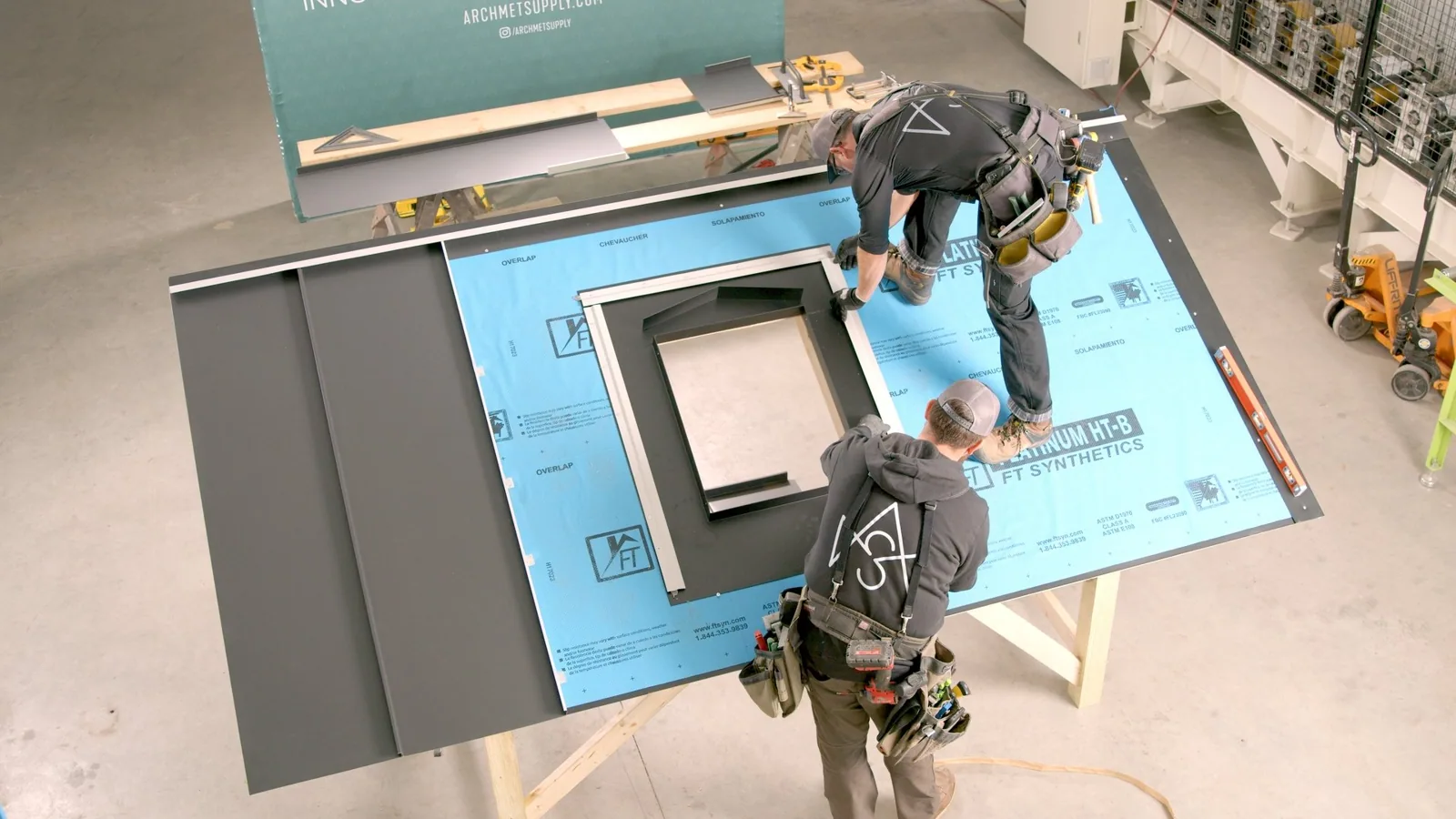
A weather connection between profiled components needs an appropriate fit and detail for the installed construction. We examine the replacement piece, adjoining panel and support before selecting correction. A different rib arrangement can affect available contact or the way the seal receives compression. Rebuilding aviation roof daylight connections identifies the compatible component and preparation needed at the actual opening. The owner receives that reconstruction boundary before another treatment is placed over the mismatched joint.
A changed panel also needs assessment of attachment and supporting construction under the selected system. We identify the responsible component or design task where required rather than assume the surrounding assembly can accept any replacement shape. Temporary protection is planned during removal and fitting. The roof connection follows the prepared component, with access for joining and completion checks. The scope explains the material retained beside it and the layers corrected below, making the component comparison specific to the exposed opening.
The area below affects investigation and removal
An aviation roof opening can affect aircraft, tools or occupied service space beneath it. We establish suitable access and protection with the owner before investigation proceeds. The reported interior complaint is considered alongside the relevant roof joint and adjoining connections. Selected layer examination may be needed where water has reached insulation or support. The recommendation identifies that affected extent, with appropriate responsible-professional assessment where structural condition changes the correction needed before permanent closure.
A leak appearing below a panel joint can involve nearby details or concealed travel through the assembly. We inspect those relationships rather than place the repair only above the reported interior mark. Investigating the aviation roof water route helps define the component work. The owner receives a bounded repair comparison and any additional examination needed before a larger project is selected. Protection below follows the actual work location and operating requirements, with the removal depth explained separately from the surface connection.
Metal repair and membrane retrofit retain different things
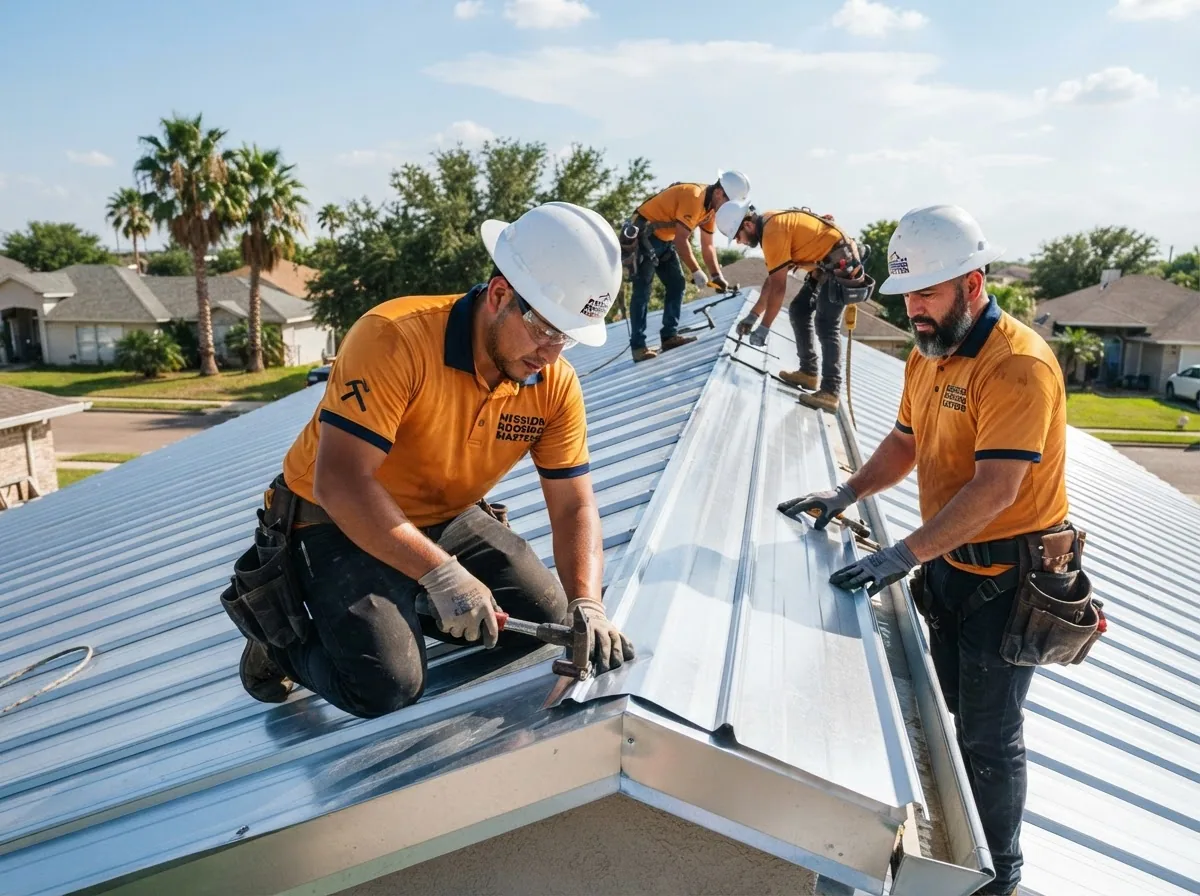
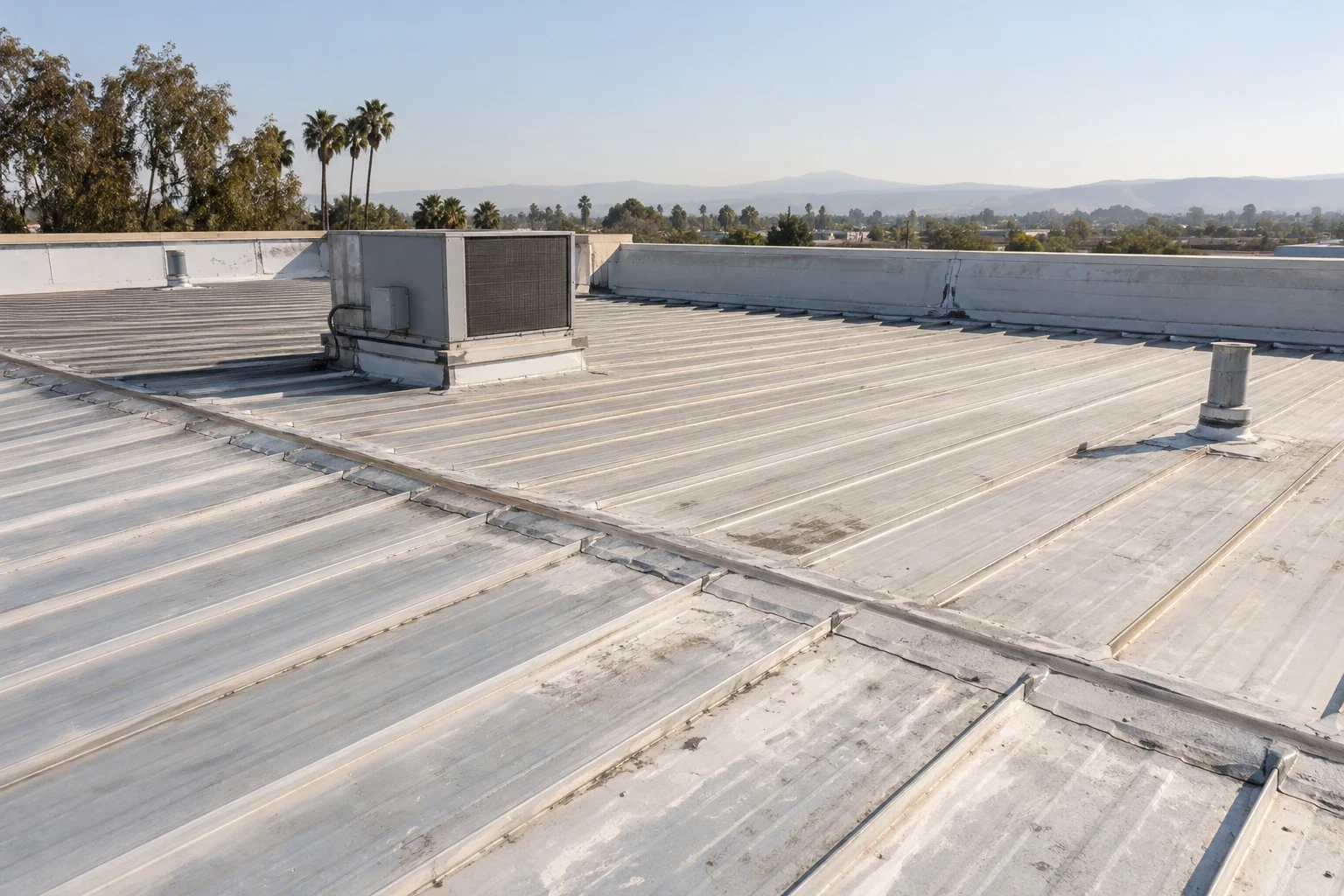
A serviceable metal roof may support panel or detail correction using appropriate components. Corrosion, damaged laps and attachment are examined before retention is proposed. Standing seam aviation roof construction has its own movement and connection requirements. Metal roof retrofit planning involves a different assembly and attachment assessment. We explain those options through the actual support and service needs, including what remains accessible after the selected work is installed.
A new assembly above retained metal needs suitable underlying condition, designed attachment and appropriate review of loads. Insulation and new surface height can change curbs, outlets and daylight details. Those changes are identified before the field roof is selected. Removal can offer a different correction of damaged support or moisture beneath the old construction. The owner receives the physical work completed under each option, making restoration, suitable retrofit and replacement comparable through the assembly and component boundaries rather than surface color.
Door and roof components need separate assessment
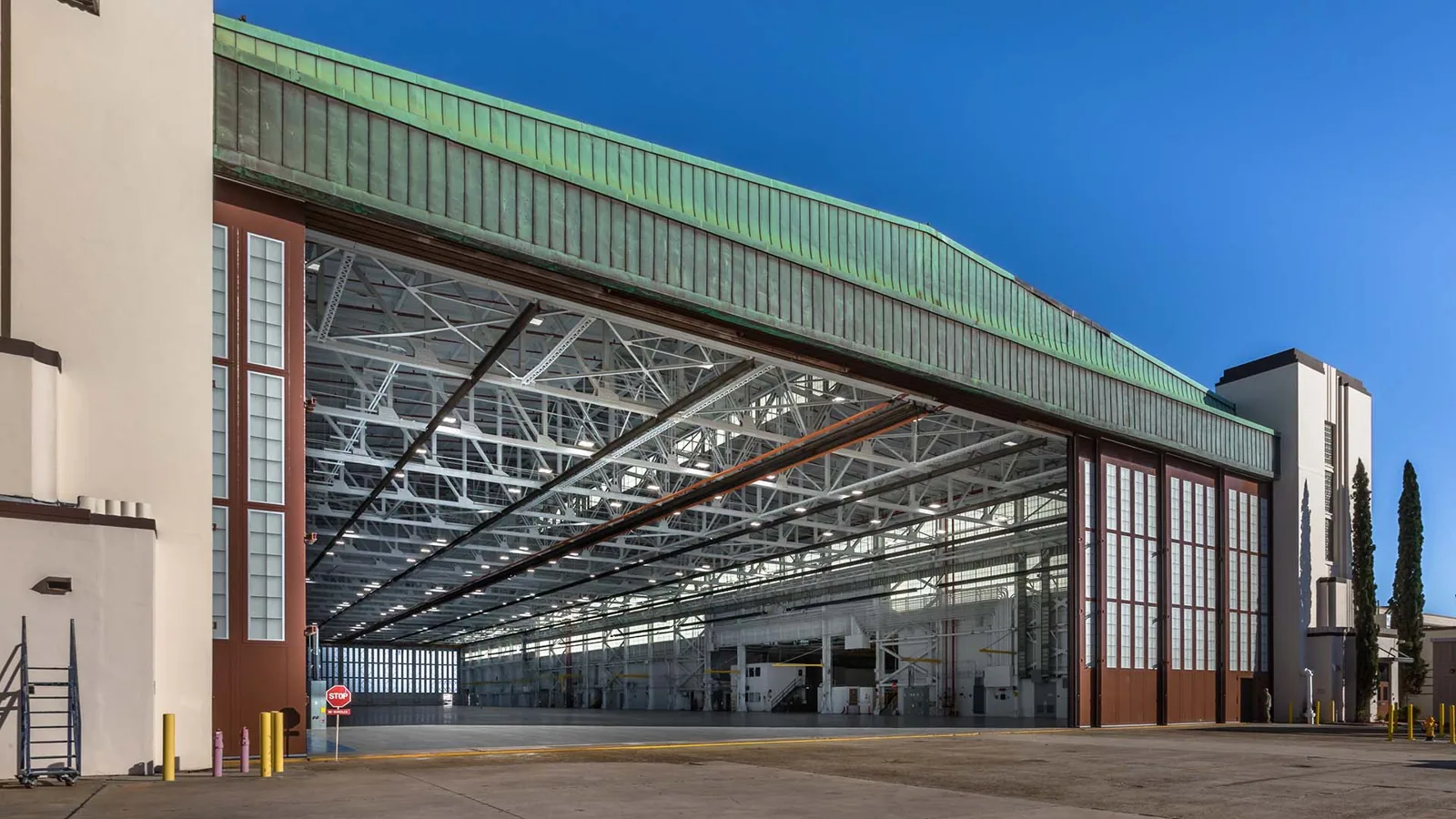
A hangar door or adjacent equipment arrangement can affect the roof connection where its components meet. We inspect the actual weather detail and identify responsible door, support or design work before roofing is completed. Movement and available working space are considered for the selected construction. A membrane or metal correction cannot substitute for the component preparation it requires. The scope explains temporary protection and permanent closure around those dependencies, with responsibilities assigned to the particular physical tasks.
Roof service routes also need access after work. Appropriate protection is considered where maintenance traffic contacts vulnerable sheet or flashing. Proposed equipment changes are reviewed before an opening is cut or a support placed on the assembly. The owner receives the roof details affected and the compatible weather work needed with the alteration. That approach connects later service decisions to the installed construction, including repaired daylight areas that require suitable access and material compatibility during future maintenance.
Aircraft movement influences handling locations
Material delivery, removal and staging need coordination with the actual aviation operation. We establish aircraft-area restrictions and affected service routes with the owner before defining roof work portions. Roof loading and suitable discharge remain part of the arrangement. Each removal area includes protection below and a planned temporary closure above. Installation proceeds under appropriate product and weather conditions, with the permanent detail formed after its receiving components are ready and accessible for the required checks.
For a property in Los Alamitos, the plan follows its actual access and operating limits. Related military aviation roof work requires coordination with responsible facility participants where those operations are present. An adjoining aviation storage roof portion may have another occupied-space arrangement. We identify those relationships through the building's installed details, then define compatible work boundaries rather than assume every aviation property shares one handling or closure sequence.
The perimeter and outlets need component-specific work
Southern California's Santa Ana winds can damage property. Following reported panel or edge displacement, we inspect support and attachment with the affected roof joint. Suitable component and design correction is identified where required before another weather covering is installed. The owner receives that extent and the material retained nearby. Drainage also needs the inlet, receiving route and surrounding profile examined, with restrictions or damaged hardware corrected through their appropriate tasks alongside the roof work.
Completion checks address panel joints, reconstructed daylight connections and altered outlets according to the selected construction. Concealed correction views identify important support or layer work before closure. Finished locations help the owner find those details during maintenance. Any returning complaint is investigated through present component condition, with adjoining retained construction assessed separately. The next repair choice follows that finding and the actual aviation operating limits, using earlier information to locate the work rather than automatically repeat the last surface correction.
Questions About Aircraft Hangar and Aviation Roofing
Why can a different daylight panel profile require reconstruction?
Its shape may not fit the adjoining panel or intended seal arrangement. We examine the actual ribs, support and connection before selecting a suitable component. The correction includes preparation and compatible weather closure. The owner receives the material retained and the replacement boundary, with responsible component assessment identified where the altered detail needs additional review.
Can aircraft-area protection influence a roof removal boundary?
The occupied operation beneath the opening needs appropriate access and protection arranged with the owner. Roof condition also determines suitable stopping lines. We relate those requirements to the component correction and temporary closure needed. The proposed sequence identifies the working portion and dependent tasks before permanent roofing is completed, fitting the actual aviation area affected.
What distinguishes panel repair from installing a roof above retained metal?
Panel work corrects the inspected metal component and its adjoining details. Retrofit introduces another assembly that needs suitable support, attachment and consideration of retained condition. We explain new height and component alterations alongside appropriate design tasks. The owner can compare both choices with removal through the actual material corrected, retained and concealed under each option.
How should a later rooftop alteration be planned near a daylight opening?
Assess its support, location and compatible roof closure before changing the assembly. We identify working space and responsible component tasks with the project participants. The existing daylight connection needs protection and suitable preparation where the alteration affects it. Completion views help locate the repaired details so later work can account for the actual materials and receiving geometry.
Related Roofing Work
Assess the mismatched daylight connection
Describe the Orange aviation roof's changed panels, water-entry areas and operating limits. We can inspect the receiving detail and compare suitable aviation roof repairs. Call 555-555-5555 or request a roof assessment.