
Commercial Metal Roof Retrofit in Orange, CA
Damp material beneath metal panels needs its water route investigated before a retrofit covers the old assembly. We examine exterior openings and the concealed construction, including whether condensation requires further assessment. Metal roof retrofit in Orange, CA should account for the moisture condition left beneath the new roof. Commercial Roofers Orange explains the observed layer damage and any additional investigation needed before retention is chosen. The owner can compare repair, suitable retrofit or removal through those findings, with the proposed assembly addressing the actual exterior connection and underlying condition rather than only changing the roof surface.
Orange's light-industrial and industrial-manufacturing districts include settings where roof equipment and operating access matter during alterations. Anaheim Canyon is another industrial and business district near the market. We discuss the actual building's operations and inspect its roof before defining retrofit work. Delivery routes, equipment service and the use below the roof can affect the installation sequence, while panel condition and structural support determine the assembly choices that deserve comparison.
The fastener needs material to grip
An exposed-fastener roof connection involves the screw, its weather seal, panel opening and support beneath it. We inspect those parts together where water entry or loosening is reported. A damaged washer can call for a different correction from a widened hole or deteriorated support. Suitable replacement fasteners and repair methods follow the actual assembly. Repeating the same tightening task can leave the underlying connection unresolved if it no longer provides adequate support.
Selected investigation beneath the panel may be necessary where attachment condition is uncertain. We identify the access required and coordinate appropriate structural assessment when support changes are considered. Inspection of the existing metal assembly establishes repair locations and the components needing correction. The owner receives those findings before retrofit attachment is selected, with the proposed new loads and connections assessed by the responsible design professionals for the building.
Restoration and retrofit change different things
A suitable coating can renew protection on serviceable metal after required detail repairs and preparation. It does not create a new structural fastening connection beneath a damaged panel opening. We inspect corrosion, coating bond and exposed fasteners before considering restoration. Silicone coating options may be compared where the selected product and assembly are appropriate. The scope identifies metal correction and preparation needed before a compatible coating is applied.
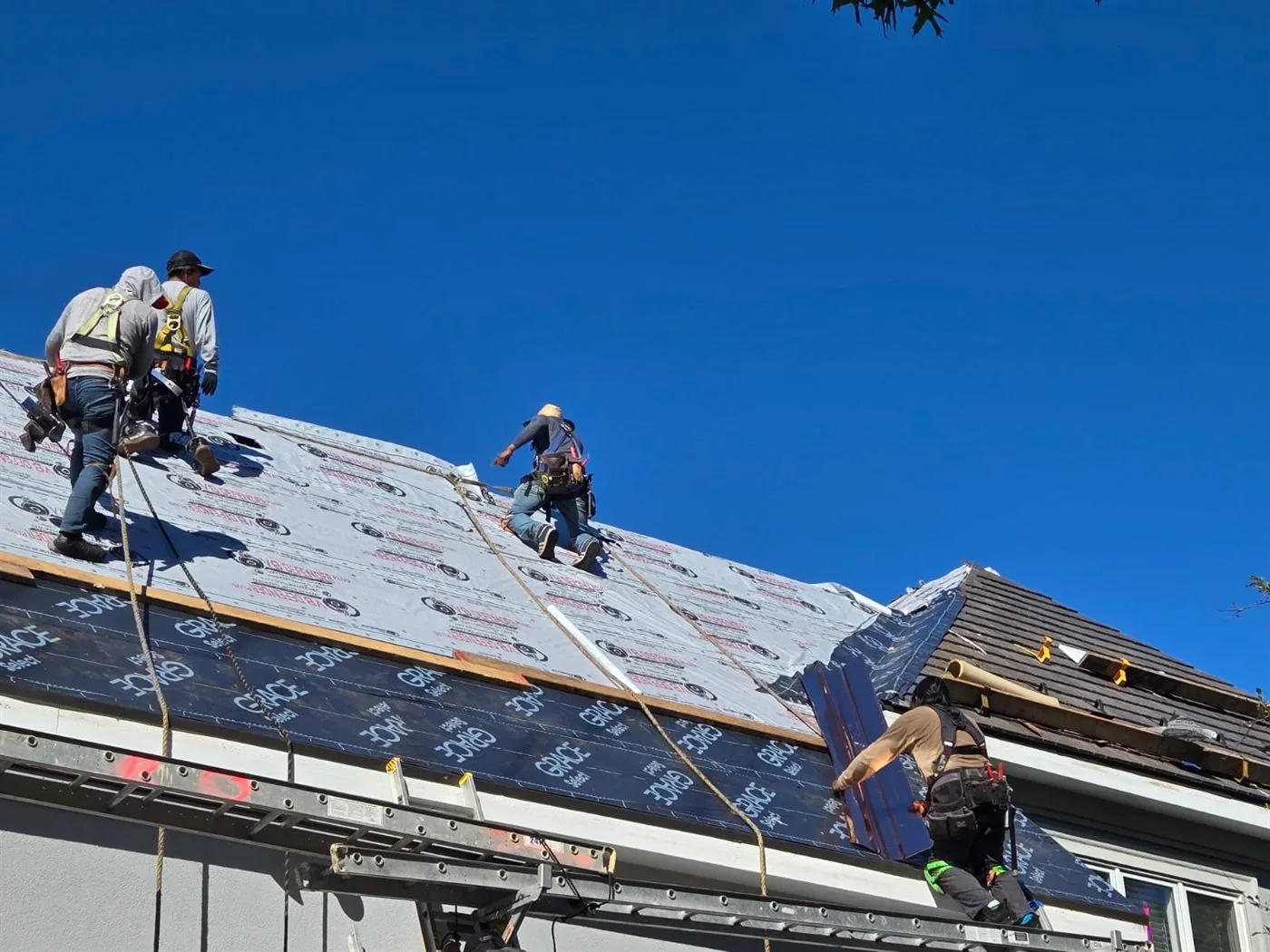
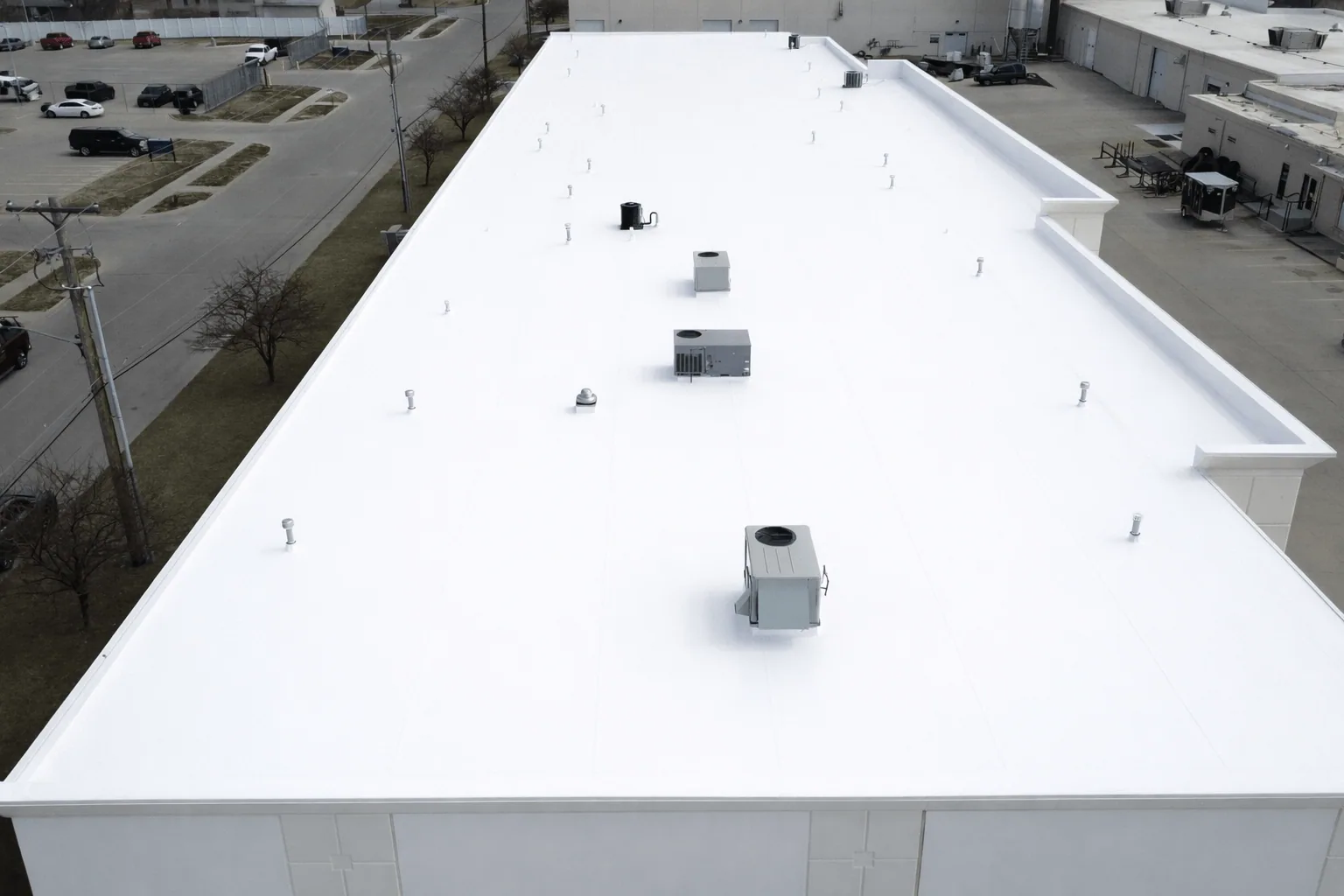
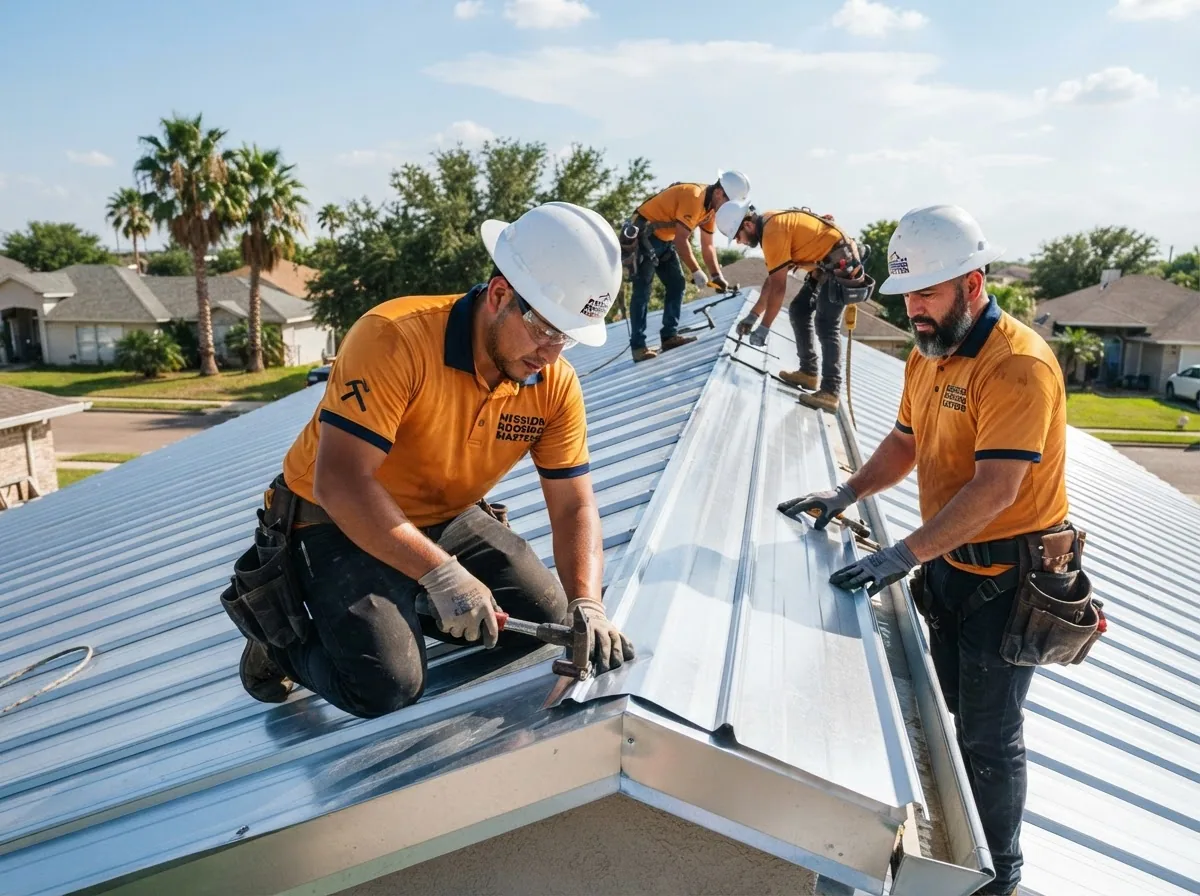
A new roof assembly installed above retained metal changes the attachment, insulation and waterproofing arrangement. A TPO membrane retrofit assembly needs suitable support and details chosen for that construction. Another owner may consider panel replacement or standing seam metal construction. We explain the physical work each choice includes, so restoration is compared with retrofit or removal using the actual corrosion, support and leak findings as a common basis.
Corrosion affects what can remain
A corroded lap or perforated panel needs examination of its extent and adjacent material. Cleaning and a protective surface may suit some serviceable areas, while significant material loss can require panel repair or replacement. The recommendation identifies the condition retained beneath any proposed assembly. A retrofit needs an appropriate foundation and attachment, not simply a surface that appears flat enough to cover. We assess affected supports and connections where the inspection indicates a wider problem.
Concealed moisture also matters. Damp insulation or a condensation issue beneath the metal can require additional layer or design work. We examine the relevant construction and water route before defining retention. Where removal reveals deteriorated material, its correction is included in the comparison. The owner receives the difference between repaired existing metal and material left beneath a new assembly, including any maintenance or investigation needed at adjoining roof areas.
Added height changes adjoining details
A membrane retrofit can need flute filling, suitable insulation and protective layers as part of its designed assembly. We consider those materials with attachment and the deck or structural support. Added height affects drains, curbs and perimeter connections. Insulation and board planning therefore includes the finished elevations and detail changes, with appropriate design review of the selected system's loads and connections before installation.
An existing curb may need extension or reconstruction to receive the new membrane. Roof-to-wall transitions and edge metal also need profiles suited to the finished height. We inspect the available dimensions and identify those changes before the field assembly is installed. The owner can compare the whole retrofit scope, including support and flashing work, with removal and replacement. That avoids selecting an assembly whose surrounding details have not yet been planned for its new geometry.
Water follows the corrected profile
A retrofit must preserve a suitable discharge path rather than bury an outlet beneath new materials. We inspect drains, gutters and receiving routes, then review the assembly's finished elevations. Existing low areas or obstructed discharge may need correction alongside the new surface. The membrane and metal interfaces are detailed for their actual positions. Equipment bases and penetrations also need access so their weather seals can be installed and inspected appropriately.
Regional Santa Ana winds can cause property damage in Southern California. If metal panels or edge components have moved, we examine the affected attachment rather than carry the damaged connection into a retrofit. Suitable perimeter work is defined with the new assembly. The owner receives the physical correction and any design coordination needed for wind resistance at the actual property, without assuming the same panel or attachment condition exists across the whole roof.
Retained metal influences occupied work
Installing above retained panels can change removal needs, but the actual access and closure tasks still require planning. On a manufacturing roof, equipment, intakes and operations beneath the work can influence material movement. We establish those limits with the owner before starting. Where panel or support removal is required, the working area and temporary protection are defined so the assembly can be corrected and closed in a suitable sequence.
A property in Anaheim Canyon receives a plan tied to its particular service and delivery routes. Staging needs suitable load distribution and usable drainage. Equipment alterations are coordinated before finished flashing is completed. The new roof should leave appropriate maintenance access and protection where traffic crosses its surface. Later work on retained metal or equipment must account for the new assembly and its connections, including areas no longer visible from above.
The comparison identifies retained condition
A completed retrofit needs checks of attachment, membrane connections and transitions suited to the selected system. We inspect those details and show important concealed work before closure. Location photographs identify changed curbs, outlets and perimeter components. The owner receives the installed assembly arrangement and retained-condition attention points, helping later maintenance distinguish new connections from adjoining older roof areas. Any unresolved investigation is identified by component and location.
Questions About Commercial Metal Roof Retrofit
Will bigger screws fix every leaking metal fastener?
The panel opening and underlying support need examination before a replacement is chosen. A larger fastener may not correct deteriorated material or an unsuitable connection. We inspect the affected parts and explain appropriate metal, support and weather-seal work. The recommendation identifies what the correction grips and which damaged material must be repaired or replaced around it.
Can coating substitute for a retrofit attachment plan?
Coating protects a suitable prepared surface after required repairs, while retrofit attachment involves the new assembly and its connection to appropriate support. We assess those tasks separately. The owner can compare restoration with broader construction using the inspected panel and support condition. Each scope explains the defects corrected and the material retained, so the choices address the actual building rather than the roof's color.
Why might a retrofit require curb alterations?
New insulation and membrane layers can raise the finished roof surface relative to an existing curb. We measure available flashing space and inspect the termination before selecting the detail. Extension or reconstruction may be needed for a suitable connection. The scope includes that work with the field assembly so the owner sees the complete installed geometry before committing to the retrofit.
What concealed information should remain available after work?
Useful findings include retained support condition, corrected panel areas and the attachment arrangement beneath the new roof. We document important details before they are covered and locate the finished transitions. Those views help later repairs and equipment alterations account for the installed assembly. The owner also receives maintenance attention points for outlets, penetrations and adjoining areas left in service.
Related Roofing Work
Review the metal roof connection
Describe the Orange roof's loose fasteners, corrosion and previous repairs. We can inspect the retained assembly and explain restoration, retrofit or replacement choices. Call 555-555-5555 or request a roof assessment.