
Commercial Roofing in Los Alamitos, CA
A split seal at a pipe penetration can channel water beneath the membrane without leaving an obvious opening in the roof field. In Los Alamitos, CA, we inspect the penetration, nearby laps, and water path before deciding how much material to remove. Los Alamitos employers in 2022 included UCI Health - Los Alamitos, Alamitos West Health & Rehabilitation, Arrowhead Products, Trend Offset Printing and Mittera California. Bar Bakers and Katella Delicatessen-Restaurant-Bakery were also among Los Alamitos employers that year. Healthcare, manufacturing, printing, and food businesses operate within the city. Each property has its own roof and access requirements, which we confirm with the owner before planning work. A commercial roof inspection documents the visible failure and the evidence needed to establish a useful repair limit.
Check the penetration and lap
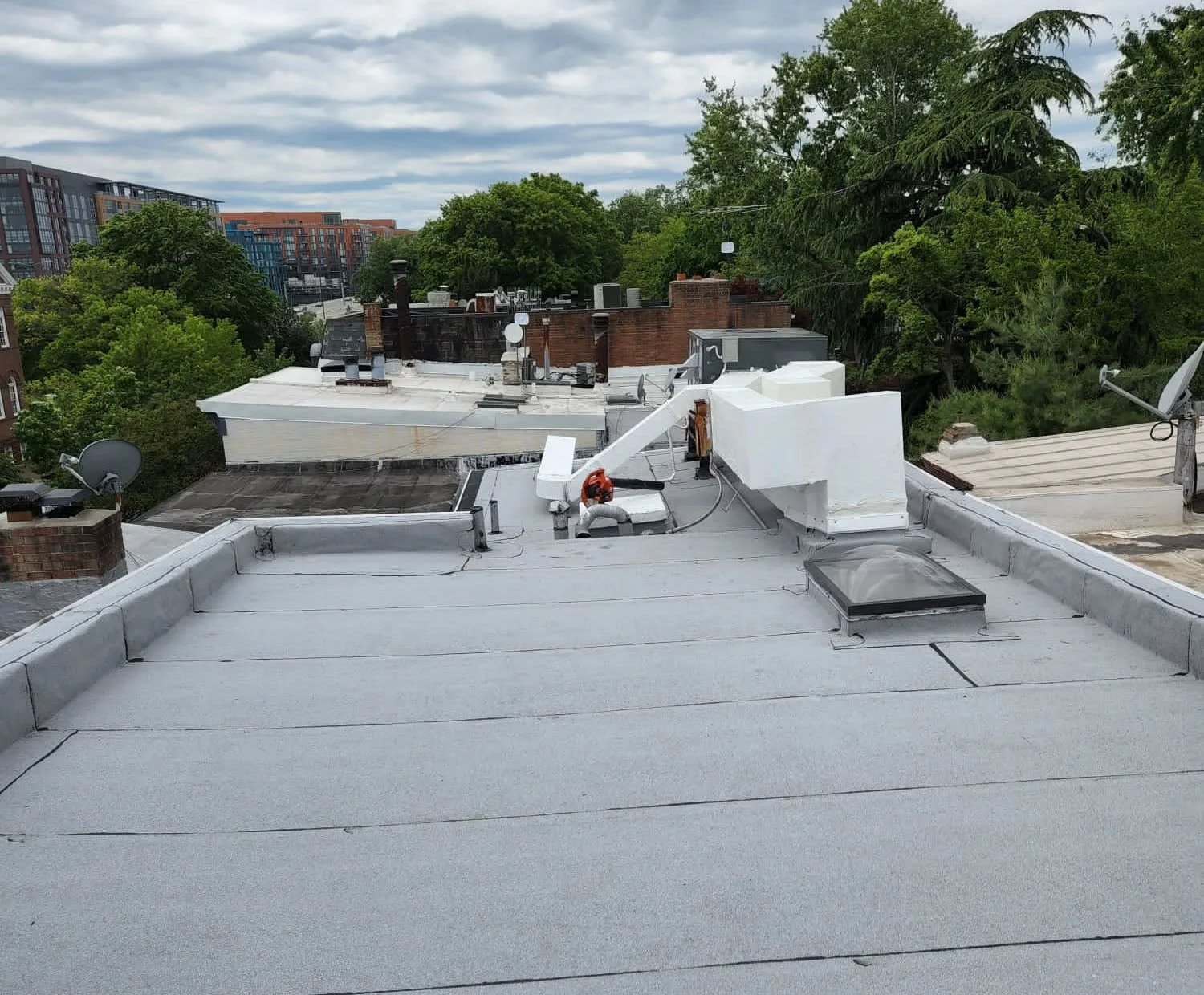
We inspect the pipe boot or flashing collar for splits, loose termination, and loss of bond where it meets the roof surface. The membrane seam around the penetration can fail separately, so we probe the lap and check the nearby field for scuffs or movement. If the penetration sits close to a drain, we trace the runoff route and look for standing water that may be stressing the detail. The inspection identifies whether the opening is confined to the boot or reaches the surrounding membrane.
Healthcare spaces and production areas can have operating limits that affect roof access and protection below. We confirm what the facility needs to keep running, identify equipment near the repair, and plan the work window with its site contact. A printing or food business may also have areas where dust, noise, or access must be controlled, as explained by its site contact. For active water entry, commercial leak repair can limit interior exposure while we inspect and correct the failed penetration.
Separate the opening from its effects
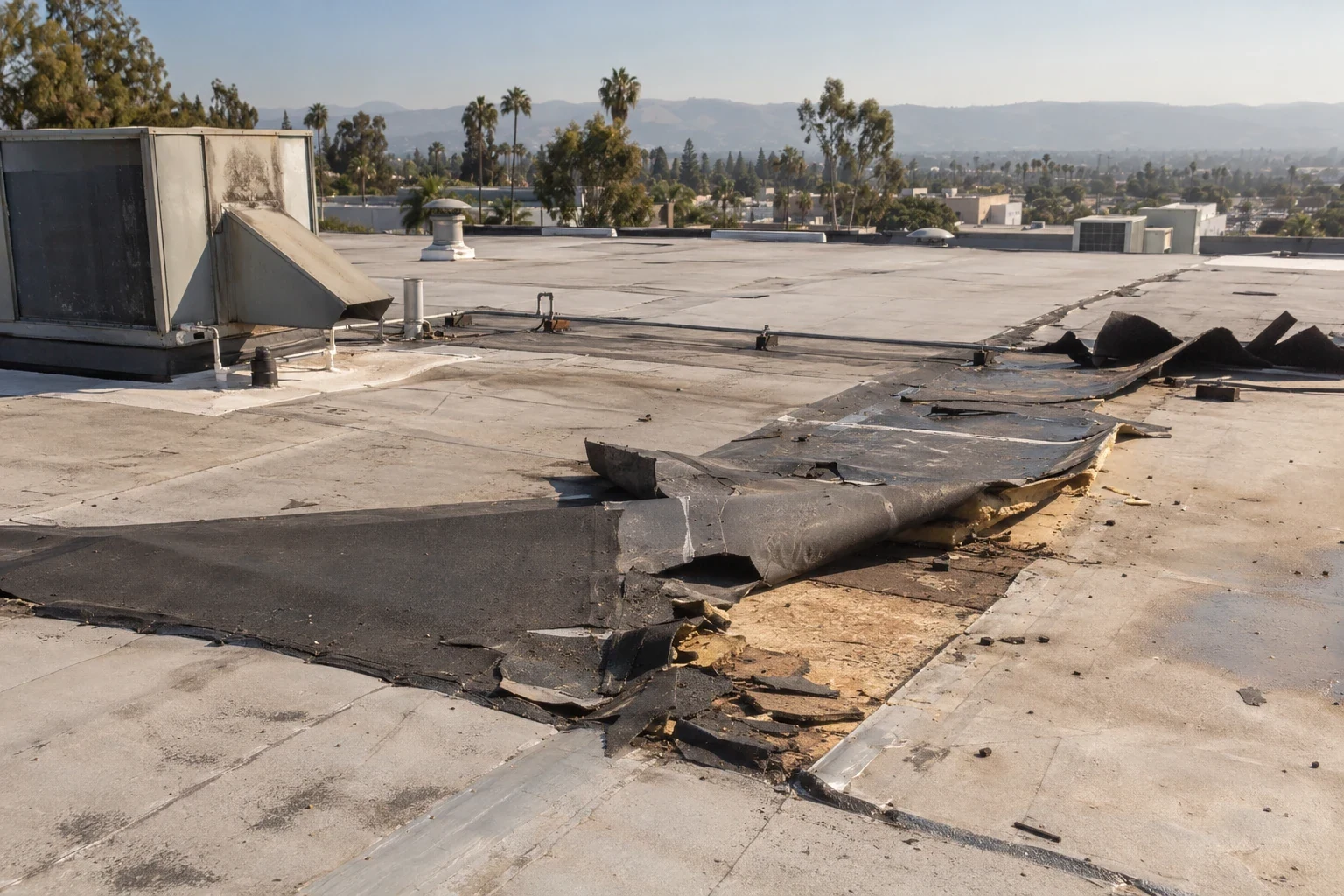
Water can move through insulation or along the deck before it appears in a room. We compare the interior mark with the roof above it, inspect nearby curbs and seams, and note the direction water could travel. If an earlier patch is present, we check its edges and whether the new leak is at the same detail. Photographs document the opening and nearby conditions; a measured opening can show whether the damage stops at the membrane or extends into concealed layers.
A property with several penetrations may show similar surface details but different repair causes. One boot can be cracked while another remains secure; the roof's condition, not the count of pipes, determines work. We label each tested area separately so findings do not become a blanket scope. When several roof sections need review, a condition report can connect photos, test locations, and repair priorities. The owner can then distinguish immediate water entry from items suitable for a later maintenance visit.
Verify layers before removal
A test opening is useful when concealed moisture could change whether the repair remains local. We select the point from the leak path and visible surface condition, measure the opening, and record insulation and deck findings. If layers are dry and stable, the patch may tie into nearby material. If moisture has spread or the deck has deteriorated, the boundary should expand to include that condition. The cut is closed with compatible materials, and the report states exactly what the test confirmed.
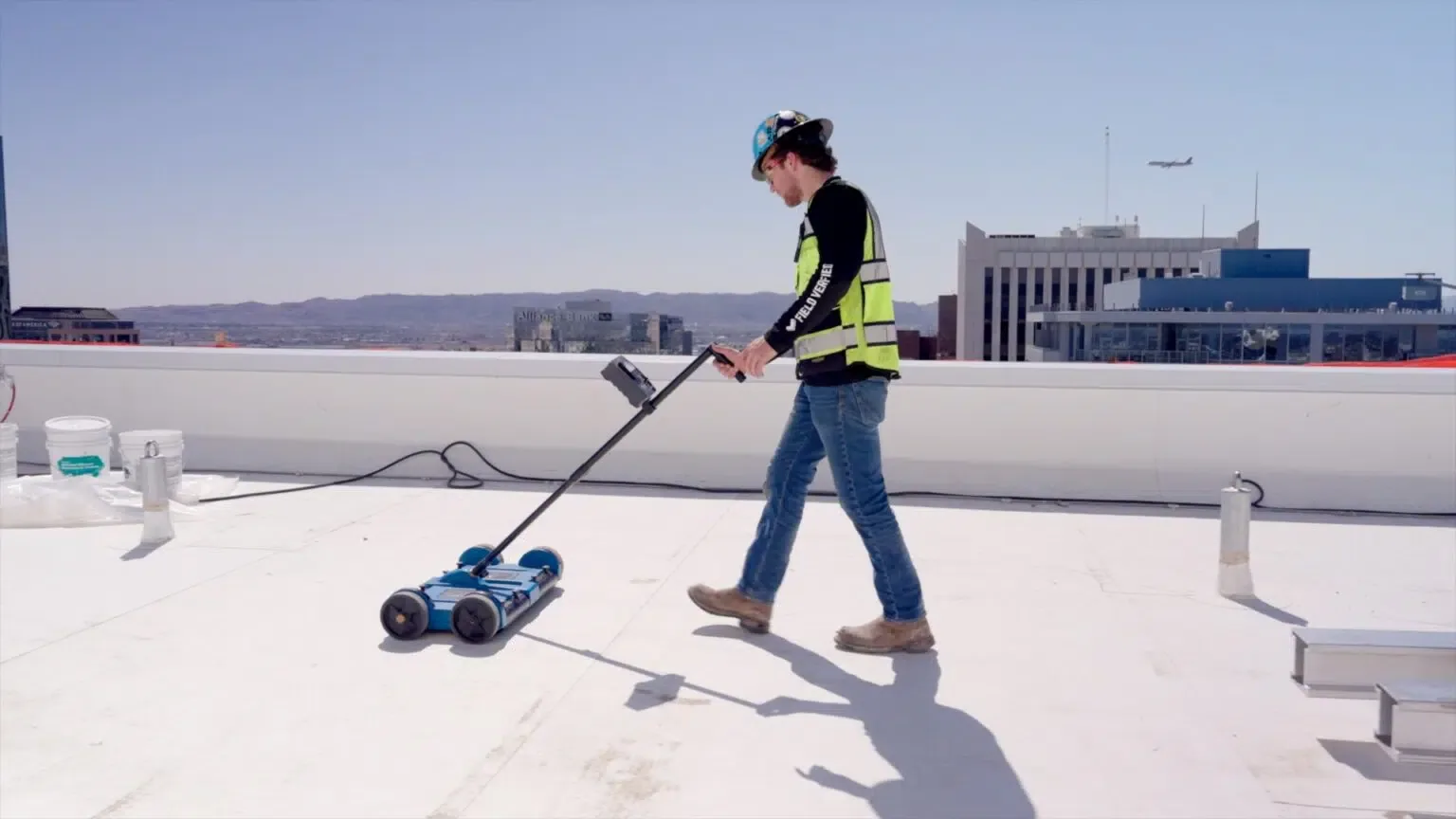
Infrared readings can help prioritize roof areas when leaks are reported in several locations. Roof construction and conditions during the scan affect what the instrument sees, so we use the result as a prompt for direct checks. A moisture survey can help identify test points, but the scope follows confirmed material condition. If the scan suggests moisture where the roof appears sound, we compare surface details and the leak history before recommending removal. The goal is a specific test that answers an owner decision, not a survey without a next step.
Write the repair around the failure
The scope should name the boot, seam, flashing, or drain detail that failed, along with preparation and compatible repair material. We define the tie-in and identify whether access or interior protection affects the sequence. A localized correction can fit an isolated split over dry layers. Repeated leaks, several failed penetrations, wet insulation, or a compromised deck may make a wider repair or replacement more practical to compare. We explain what evidence supports that broader option.
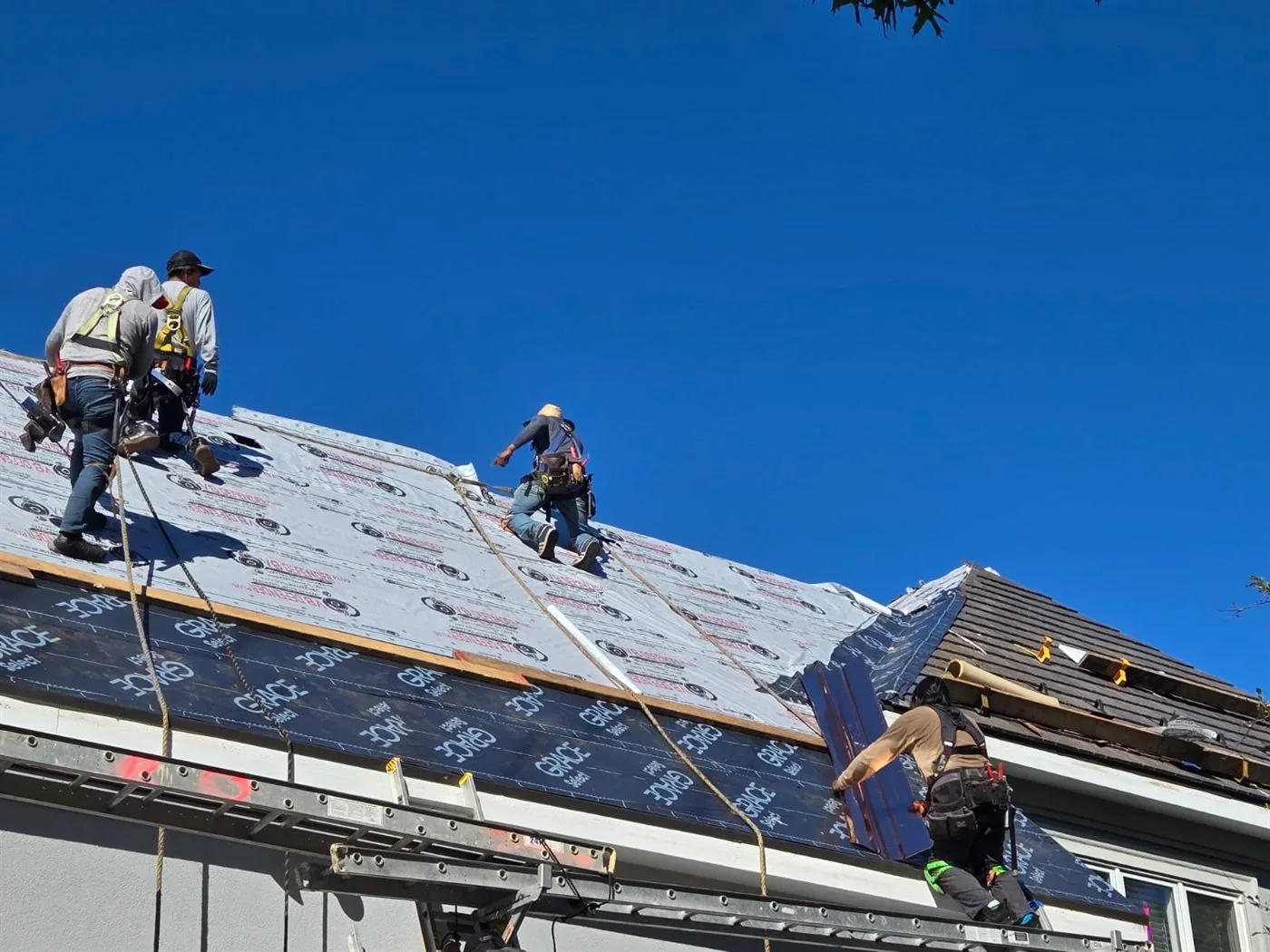
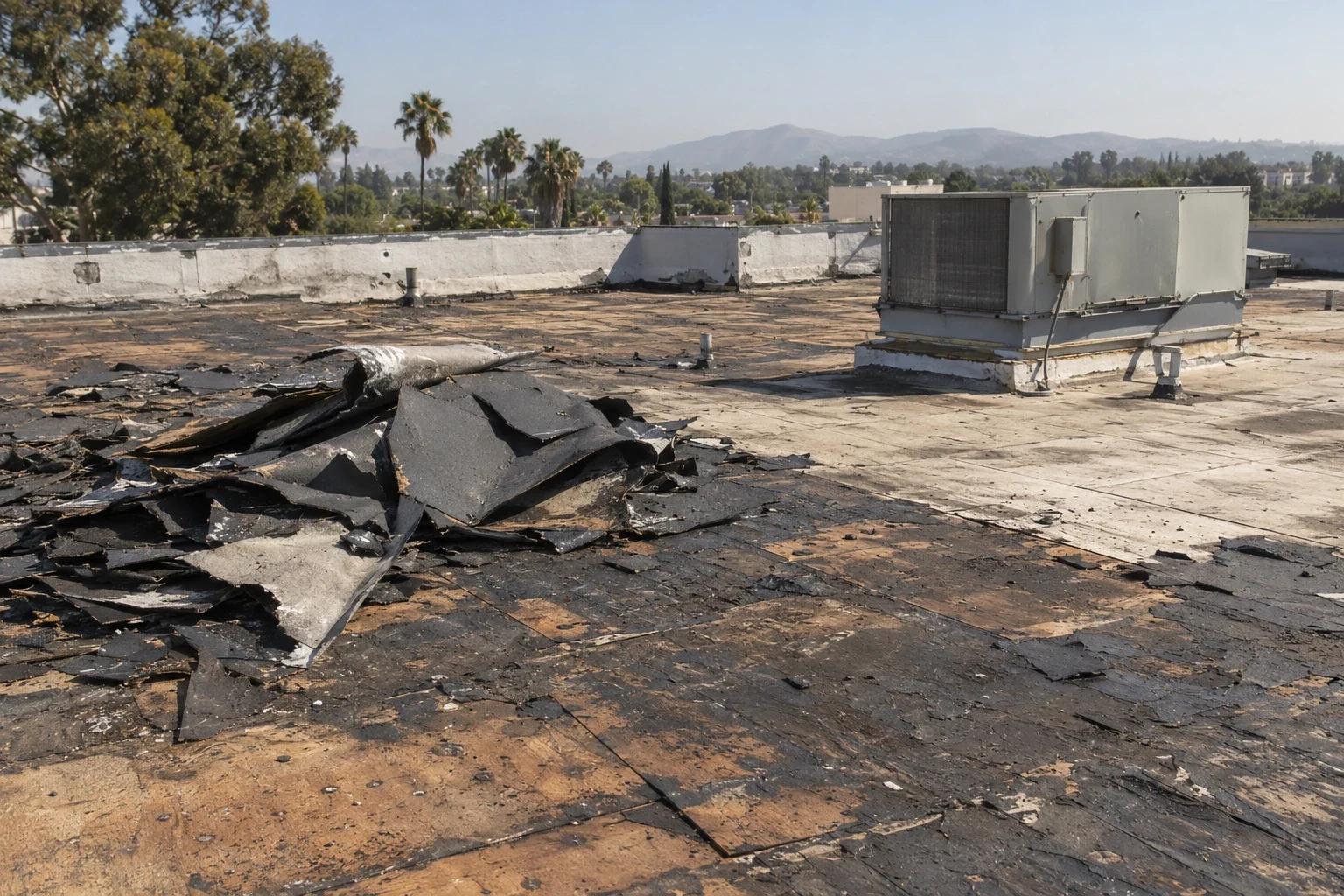
Replacement planning covers existing layers, attachment, drainage, perimeter details, equipment, staging, and the disruption below the roof. A recover is considered only when the moisture, structure, and applicable requirements support another layer. A commercial roof replacement comparison can set out removal assumptions and phasing alongside repair. Occupied-building reroofing can be sequenced to protect active areas when the roof and site conditions permit, but the plan must come from the actual property's access and use.
Coordinate work over active rooms
We identify the rooms below the repair, access routes, and equipment that must remain available. In healthcare settings, the building contact may specify rooms that need uninterrupted use. A manufacturing or printing operation may have equipment schedules or areas that cannot accept dust or debris. We confirm personnel entry, escorts, equipment routes and operating limits with the property contact before work begins. We mark the work area, confirm staging, and close each roof opening before the crew leaves or weather conditions require a pause.
Santa Ana winds can cause property damage in Southern California. Following a reported event, we check whether perimeter metal, coping, or rooftop components have moved, then examine the membrane and attachment beneath them. A displaced item may have pulled open a seam or exposed a fastener line. Wind damage repair should restore the connection that failed as well as the visible component. Emergency response is available around the clock for active leaks; we establish the permanent scope after safe access allows the damage sequence to be inspected.
Leave a clear repair record
We list the roof zone, failed penetration or seam, material repaired, and condition found below the surface. Photos show the original defect and completed tie-in. If wet insulation or deck damage was found, we state whether it was included in the work and identify any remaining area separately. That record gives a property manager a clear closeout and a location to revisit later.
Preventive roof maintenance can check the repaired boot, nearby seams, drains, and exposed edges on a later visit. A manager with facilities in La Palma or Stanton can compare report formats without assuming the roofs or operating requirements match. Consistent location labels help each property keep its own photographs, repairs, and open items together. The next work decision can then build on what the roof actually showed during the last inspection.
Questions About Los Alamitos
A leak is under a pipe boot in Los Alamitos. Does the full membrane section need replacement?
We inspect the boot, base seam, nearby field membrane, and layers below before deciding. A split at the collar may support a localized repair when surrounding material is sound. If moisture extends beneath it or several penetrations have failed, we document the wider condition and compare a larger scope.
Can you work over an active healthcare or printing operation?
We confirm the building's access and protection limits with the site contact, including rooms below the work and equipment or processes that must continue. The work can be phased when the roof layout allows. We identify any noisy step or temporary restriction in advance and report a concealed condition if it changes the sequence.
What does a roof opening verify that an infrared scan cannot?
A direct opening exposes the insulation, deck, and existing layers at one measured location. A scan can help choose where to check, but its pattern is affected by roof construction and survey conditions. We use both carefully, noting which evidence is screening and which is confirmed from the assembly itself.
How do you document several similar roof penetrations?
We label and photograph each location separately, record whether its flashing and seam are secure, and note any test result for that area. Similar-looking boots can have different conditions. Separate observations keep the repair scope tied to the failure instead of treating every penetration as defective.
Related Roofing Work

Inspect a Los Alamitos roof
Share the location of the leak, building use, and access or protection limits. We will inspect the penetration, trace the water path, and explain a repair scope tied to the assembly. Call 555-555-5555 or request a roof assessment.