Grocery Store Commercial Roofing in Orange, CA
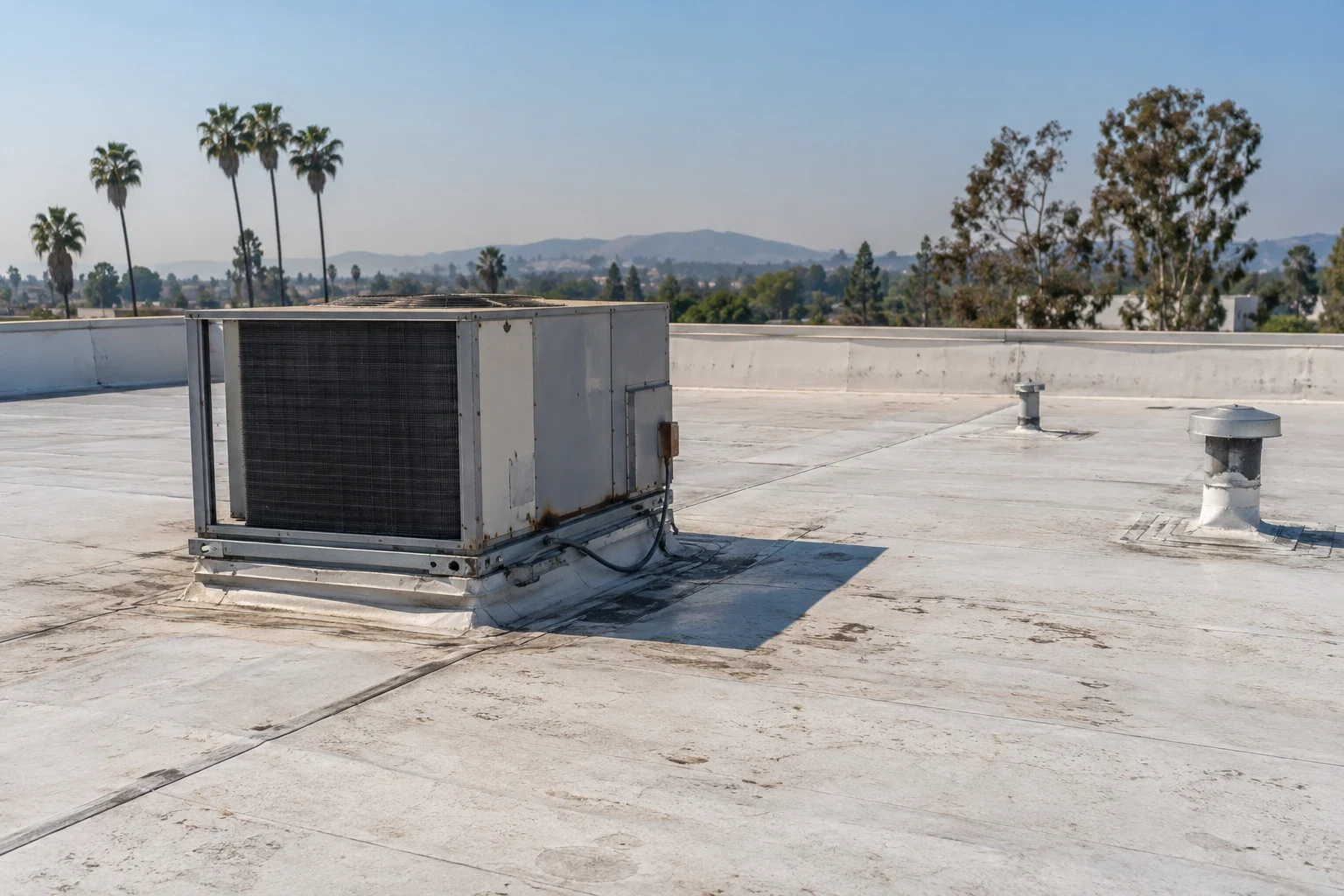
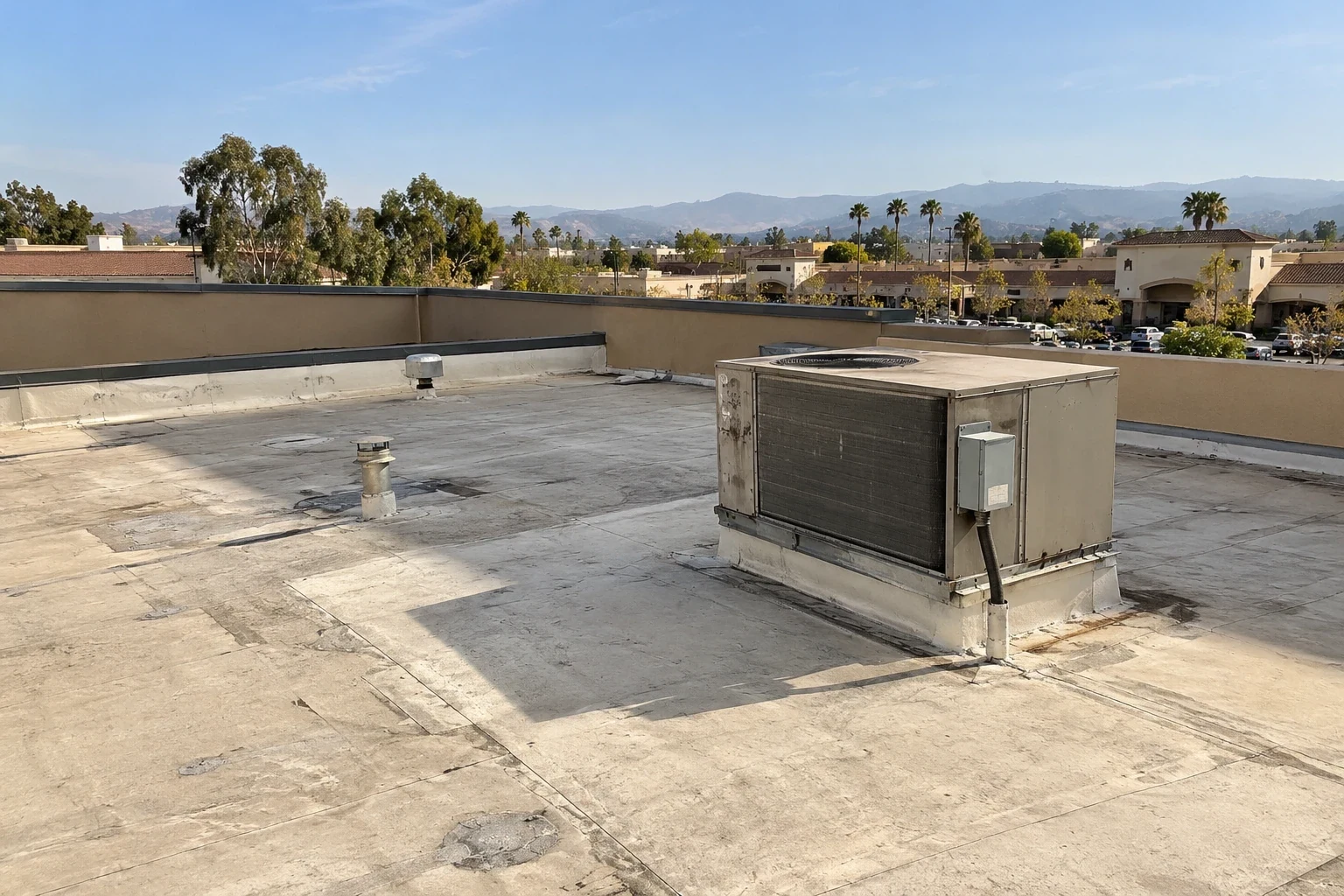
A replacement refrigeration line can leave an oversized roof opening crowded with old filler and several different sealants. We examine the receiving detail and the materials around each line before adding another surface treatment. Grocery store roofing in Orange, CA needs the alteration to leave a maintainable weather connection, with refrigeration service and roof repair assigned to their actual components. Commercial Roofers Orange explains the opening reconstruction and suitable membrane connection. The owner can compare that work with repeated local sealing through the exposed condition, access requirements and material retained around the altered penetration.
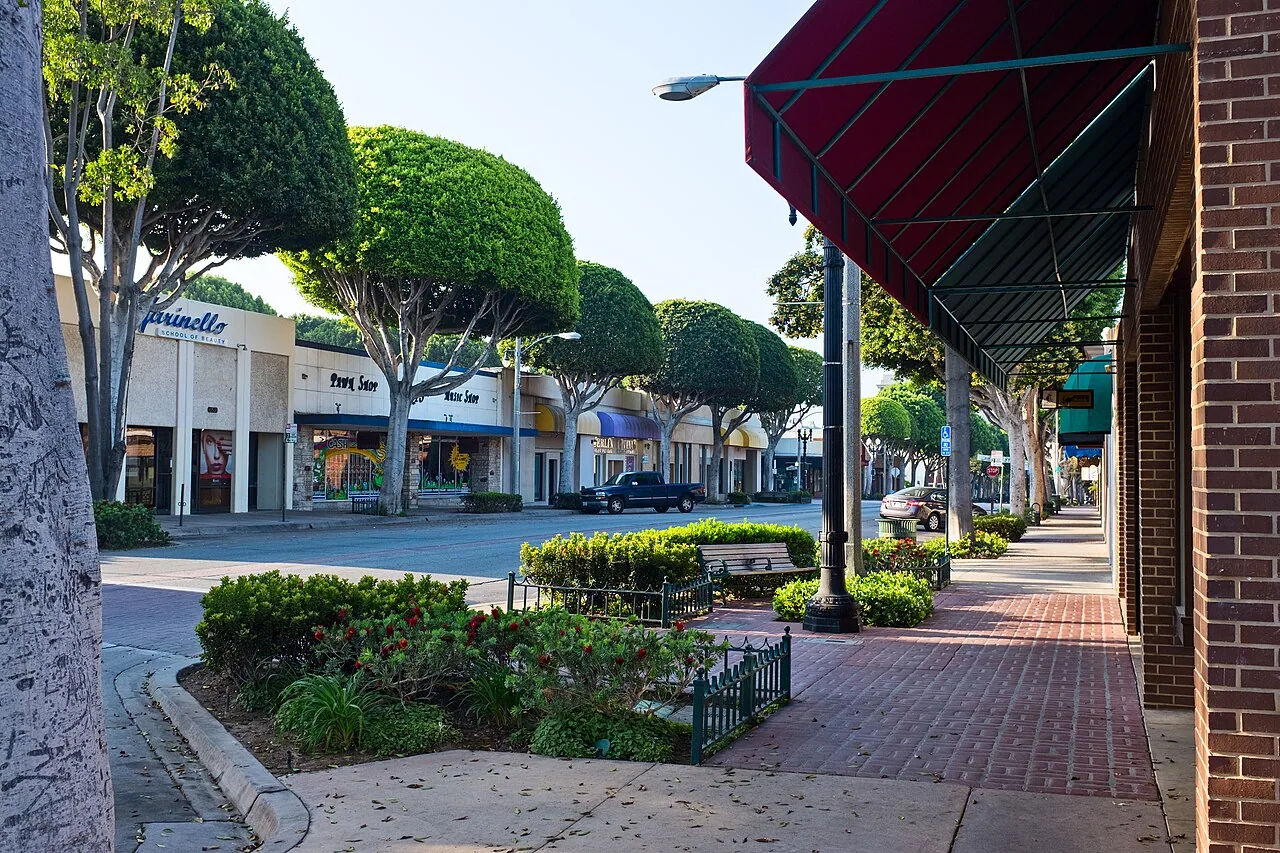
Albertsons was among Brea's employers in 2023, while La Habra's employers that year included Costco and Walmart. These nearby retail settings connect grocery roof work to occupied customer space and receiving operations. We establish the particular store's refrigeration equipment, access and handling restrictions with the owner. The roof recommendation begins with its installed layers and damaged details, then identifies how repair preparation and daily closure fit the actual operation beneath the affected area.
The opening needs a receiving connection
A group of lines passing through a roof can need a designed enclosure or compatible penetration detail rather than separate beads joining unsuitable surfaces. We inspect spacing, backing and the existing membrane connection. Reconstructing grouped roof penetrations includes the support and geometry required for an appropriate weather seal. Equipment changes are coordinated with responsible service participants before roofing is finished, so the detail fits the actual line arrangement and can be reached for inspection.
Old filler can conceal a damaged flashing turn or an unsupported opening. Selected removal helps establish the suitable repair perimeter and any underlying correction. We identify the components that must remain operational and the access required around them. Temporary protection is planned while dependent work proceeds. The owner receives the new enclosure or flashing extent, the retained adjoining membrane and the specific service task that precedes permanent closure, making responsibility clear through the physical work.
Moisture changes the material boundary
Water entering around a service penetration can affect insulation outside the visible opening. We examine selected layers and relate the roof findings to the reported interior area. Suitable investigation determines whether a bounded repair reaches dry support or whether wider removal is needed. Locating grocery roof moisture for layer checks can assist where the construction and survey conditions allow useful imaging. Physical material examination establishes the removal that belongs beneath the new membrane connection.
A grocery interior can require protection of stock, fixtures or service space below the work. We establish the affected location and actual requirements with the owner before opening or removal. The proposal distinguishes insulation and support correction from membrane repair. Where deteriorated decking needs additional assessment, that responsibility is identified before closure. Each option shows what remains in service around the repair and what is replaced, allowing deeper correction and broader roof work to be compared consistently.
Equipment deposits affect repair preparation
A roof area near exhaust or service equipment may carry deposits that interfere with cleaning and joining. We inspect their extent and discuss the actual operation with the owner. Suitable preparation follows the selected membrane and treatment requirements. An equipment or cleaning change can belong beside the roofing correction if exposure continues at the repaired location. The scope identifies those tasks separately, with new roofing installed after the receiving surface is suitable and accessible.
PVC grocery roof construction and KEE membrane choices for service areas involve their own specified materials and connections. Product selection needs suitability for the actual exposure, support and installation arrangement. We explain preparation and detail work under each comparison. A material choice does not eliminate the need to correct damaged backing, reconstruct an opening or arrange equipment access, so those tasks remain visible in the proposed roof scope.
The inlet and receiving route work together
A drain surrounded by loose repair material can receive water poorly even when the downstream route is open. We inspect the inlet, membrane connection and nearby elevation, then examine accessible receiving components. Restrictions or damaged hardware need their appropriate correction. Replacement can offer a chance to change unsuitable geometry, while a bounded repair needs a detail fitted to the retained assembly. The recommendation includes those differences instead of carrying an unresolved low area beneath another protective surface.
For nearby Anaheim, the 1991 to 2020 station precipitation normal totals 13.52 inches per year. That Anaheim context supports attention to the grocery roof's observed discharge arrangement. Current weather and product requirements determine application planning. Staged materials should leave the water path usable, and temporary closures need suitable discharge away from open work. We identify outlets affected by each phase so material handling and daily stopping lines account for their actual receiving route.
Store service routes influence the work area
Receiving deliveries, refrigeration maintenance and customer access may place different demands on a roof project's handling arrangement. We establish those routes and restrictions with the owner rather than assign one schedule to every grocery property. Roof loading and material staging need appropriate assessment. Removal areas include the protection below and the closure required above. The roofing sequence identifies dependent equipment tasks before permanent flashing is scheduled, with access kept appropriate for the affected service components.
At a store in La Habra, that arrangement follows its actual doors, service space and roof access. A connected shopping center roof section can share drainage or adjoining membrane boundaries. Larger premises may have related big-box retail roof areas with different handling needs. We inspect those connections and define suitable stopping lines, with component work and occupied-space protection included wherever the proposed repair crosses a shared assembly.
Retention needs a complete roof comparison
A proposed recover requires suitable retained material, attachment and review of applicable project requirements. Wet layers or limited flashing height can change that choice. Removal may permit a different reconstruction of insulation, curbs and outlets. The owner receives the physical correction under each option and the adjoining material left in service. Cost and timing depend on that depth, access and equipment coordination rather than roof surface selection alone.
Completion checks address the rebuilt opening, joined membrane and any altered outlet. We inspect connections according to the installed construction and locate them relative to recognizable service equipment. Important concealed findings are shown before closure. The owner receives the repaired boundary and maintenance attention points, including accessible line details and drainage components. Later equipment changes are coordinated before cutting the assembly, with suitable support and compatible weather protection planned for the altered connection.
Questions About Grocery Store Commercial Roofing
Why rebuild an opening after refrigeration lines change?
The remaining space and old filler may not provide a suitable detail for the new arrangement. We examine backing, line spacing and membrane condition before choosing closure. Equipment work and roofing are coordinated so the prepared opening can receive compatible protection. The owner can compare a reconstructed detail with retaining a serviceable enclosure, with the actual receiving materials and access requirements identified.
Can wet insulation require work beyond the line penetration?
Moisture can extend beneath adjoining sheet after water enters at the opening. Selected layer checks establish the affected extent and suitable retained material. We explain insulation or support correction separately from the flashing repair. The removal boundary follows those findings, with interior protection and service coordination arranged for the actual area below.
What belongs in a grocery roof work sequence?
Include material access, occupied-area protection, equipment dependencies and suitable daily closure. We establish the property's receiving and customer routes with the owner before defining work areas. Roof condition determines practical stopping lines. The plan relates those tasks to the components corrected, allowing service participants to complete required changes before permanent roofing is finished.
How should later refrigeration maintenance protect a completed repair?
Keep service access suited to the repaired assembly and coordinate changes before opening the roof. We identify the completed detail and relevant maintenance attention points. A new line or moved support needs an appropriate receiving connection and weather closure. The owner can use the location views to arrange that alteration around the actual membrane and material retained beside it.
Related Roofing Work



Examine the refrigeration line detail
Describe the Orange grocery roof's altered openings, wet areas and service restrictions. We can inspect the assembly and explain coordinated roof repair choices. Call 555-555-5555 or request a roof assessment.