
Commercial Drone Roof Inspection in Orange, CA
A displaced metal piece near the far end of a roof can be easier to locate from above than from a ladder landing. Drone imaging gives us a wider view of the affected edge and the roof features around it. For a commercial property in Orange, CA, that view can direct a closer inspection and show an owner where attention is needed. Commercial Roofers Orange uses aerial images to identify visible findings, then connects those findings to physical checks that define the repair.
Anaheim Canyon is an industrial business district, while Old Towne Orange includes dining and retail among historic structures. An aerial survey of an industrial property may help locate damaged details across separated roof areas. Above a business with pedestrian activity, imaging can help plan a safe route for closer edge examination. We establish the building's access conditions and the intended inspection question first. The flight and subsequent hands-on work should answer that question, such as where a displaced component sits or which roof area needs further moisture investigation.
Visible features need usable images
A broad overhead image helps identify roof areas, but a small flashing split requires a closer view with suitable detail and angle. We plan images that show the field membrane, edges, penetrations and drainage features relevant to the complaint. Glare, shadows and objects blocking a detail can reduce what an image reveals. We account for those conditions when choosing the view and identify findings that need a physical visit rather than stretching an indistinct image into a repair conclusion.
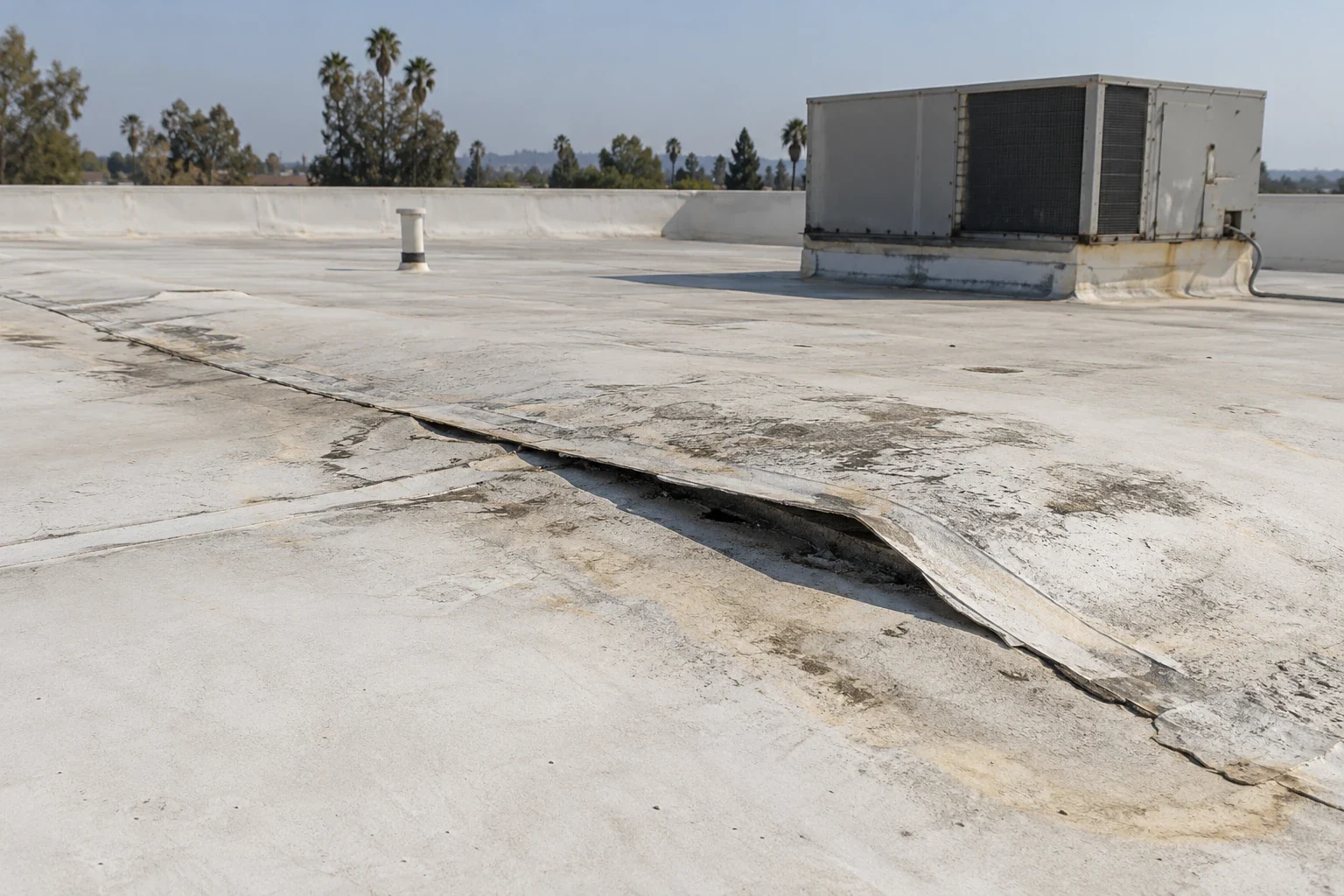
Aerial imaging can locate debris near an outlet, displaced components, visible tears and patterns suggesting retained water. A close roof inspection then checks connections and support where those findings warrant it. An owner receives the relationship between the wide view and the detailed finding. That helps locate the affected component for access planning or repair review, instead of leaving a collection of roof pictures without a clear next action.
Flight conditions govern the view
Wind can reduce the safety and usefulness of a planned flight. Southern California Santa Ana winds are most common from September through May and can damage property. We assess actual flight conditions rather than use a seasonal calendar as permission to fly. The inspection plan also considers nearby people, operating areas and any applicable flight restrictions. A postponed flight may lead to a different inspection method or a revised visit when imaging can be obtained safely.
Permission to access a property and permission to conduct a flight are separate requirements. We arrange the inspection within the applicable aviation and site rules before launching. Roof areas near equipment, overhead obstructions or restricted operations need their own assessment. The owner can help identify activity that affects the survey, such as a busy loading route or an area where people must remain separated from inspection work. Those details determine how the view can be obtained and used.
Ground checks answer concealed questions
A dark roof area in an image can have several explanations, including shadow, surface dirt or retained water. We examine the actual surface where it affects a proposed repair. A visible seam also needs an appropriate physical check to establish the connection. An opening along a seam is repaired using the installed membrane's requirements, after its extent and adjoining material are examined.
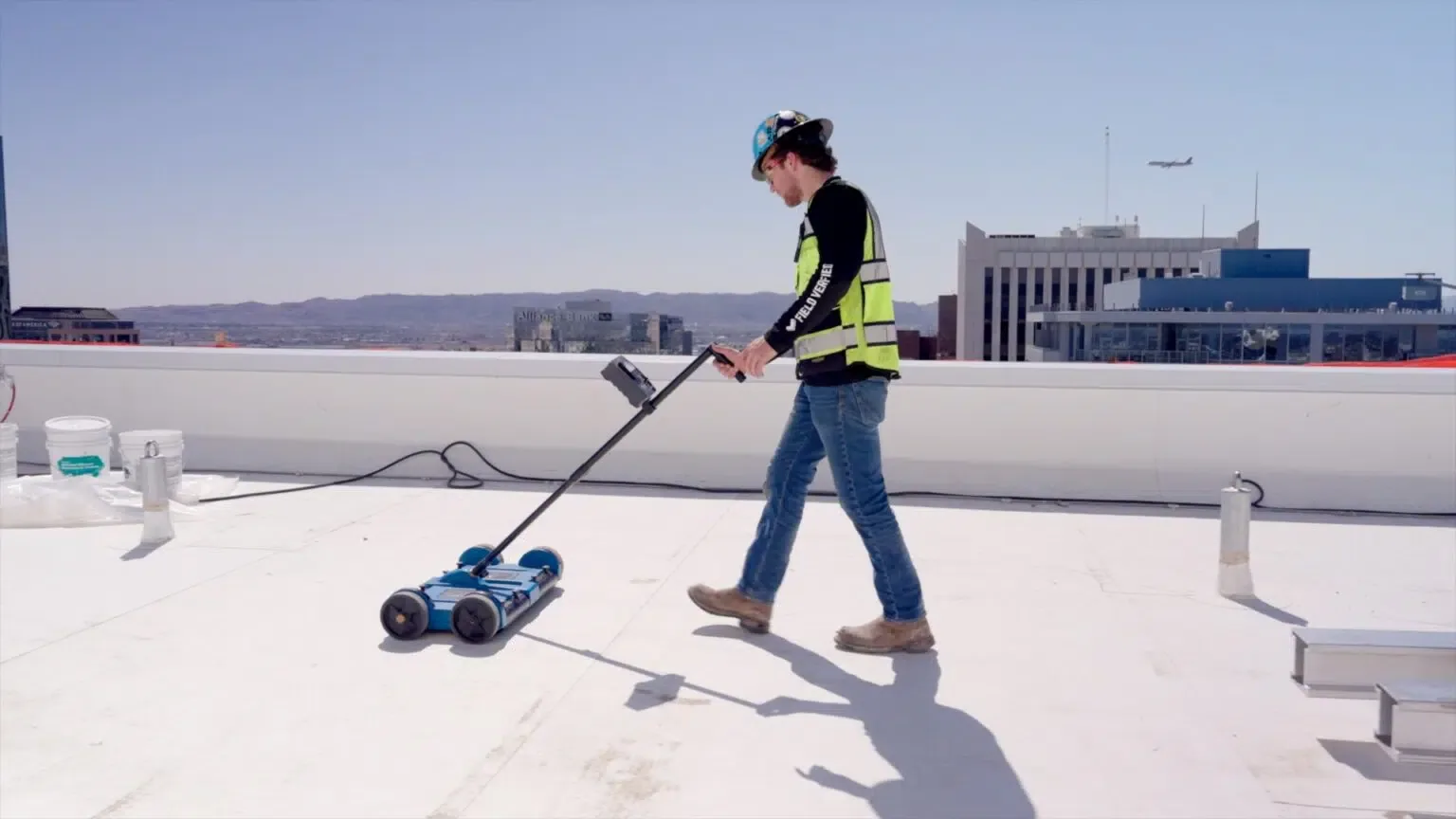
Moisture beneath a membrane calls for a method suited to the assembly and conditions. We can use an infrared survey with confirmation openings where appropriate, while ordinary aerial photographs help relate investigation locations to roof features. Each method has a different purpose. The inspection recommendation explains which concealed question remains, how it will be checked and which repair decision the result affects, such as wet-layer removal or preparation for a recover.
Access effort follows the finding
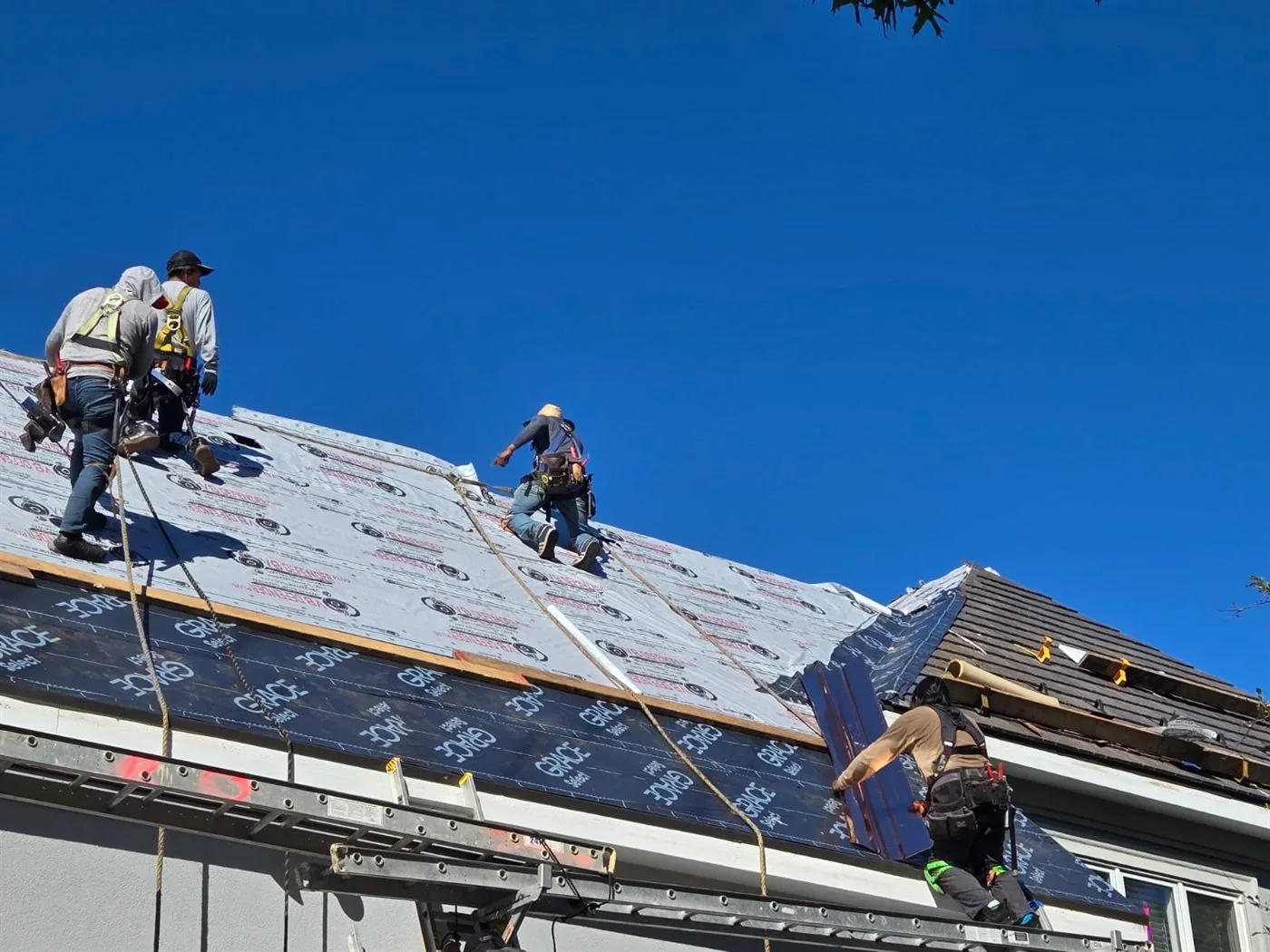
A visibly loose component near a difficult edge may require lift access or another safe means of reaching it. The image helps locate the work, but the connection still needs examination. We compare access requirements with the proposed repair rather than assume imaging removes the need for roof access. For a manufacturing property's roof, equipment and operating restrictions below the affected area can also influence the physical repair sequence.
An owner managing a property in Anaheim Canyon may need a clear overview before arranging closer checks across separate roof levels. We relate each finding to recognizable features and prioritize the areas with visible displacement or water concerns. That overview can help choose where to spend inspection effort first. Surface areas that look undisturbed still receive appropriate consideration when the complaint or planned project requires investigation of concealed condition.
Repeat views track specific changes
A repeat image of the same repaired edge can show whether the component remains in position and whether nearby debris has accumulated. We select follow-up views for a particular question rather than gather more images without a purpose. A completed edge-metal repair also needs its installation checks at close range. The aerial view adds location and broader context to those checks, giving the owner a way to follow the affected area later.
We label findings by their roof location and describe the action they support. Visible damage, access needs and proposed physical checks stay distinct. A roof overview can help coordinate equipment service routes or locate a recurring problem, while a close detail supports the repair boundary. Keeping those views together makes the roof information usable for the owner's next decision. The result is a practical inspection sequence with images serving the work that needs to happen on the building.
Questions About Commercial Drone Roof Inspection
Can aerial photos settle whether a seam is fully bonded?
A photograph can reveal an obvious opening or damaged area, but a suitable physical seam check establishes the connection more directly. We use the image to locate the concern and plan access, then inspect the detail closely. The repair recommendation describes the opening and adjoining material found during that visit rather than relying on the appearance of the seam from above.
Will imaging help if only one roof edge is hard to reach?
A targeted view can locate the displaced part and show the roof features around it. That information helps select safe access for closer examination or repair. We assess whether the image quality and flight position can answer the intended question. The owner can then review the actual access requirement, including any lift or protected work area needed below the damaged edge.
How does rooftop equipment affect a drone inspection?
Tall units, exhaust and nearby obstructions can block useful views or constrain safe flight positions. We examine those conditions while planning the survey and choose another viewing method where necessary. Equipment also matters to the repair that follows: a concealed flashing connection may need access coordinated with the equipment trade. The survey identifies that requirement so the next visit can reach the component properly.
Can repeat imaging help after a wind repair?
Follow-up photographs can compare the repaired component's position and the surrounding visible surface with the earlier view. We use comparable views where practical and focus on the detail under review. Physical securement and membrane connections still receive appropriate inspection. If a new displacement appears, the image helps locate the change and direct a closer check before another repair is selected. Debris accumulation around the repaired area also deserves attention. We assess whether it restricts drainage or conceals a nearby connection needing maintenance, then identify the appropriate physical task.
Related Roofing Work
Identify the area needing a view
Tell us the Orange roof's access difficulty, visible damage and operating limits. We can assess aerial imaging and the physical checks needed to make a repair decision. Call 555-555-5555 or request a roof assessment.