
Roof Insurance Claim Assistance in Orange, CA
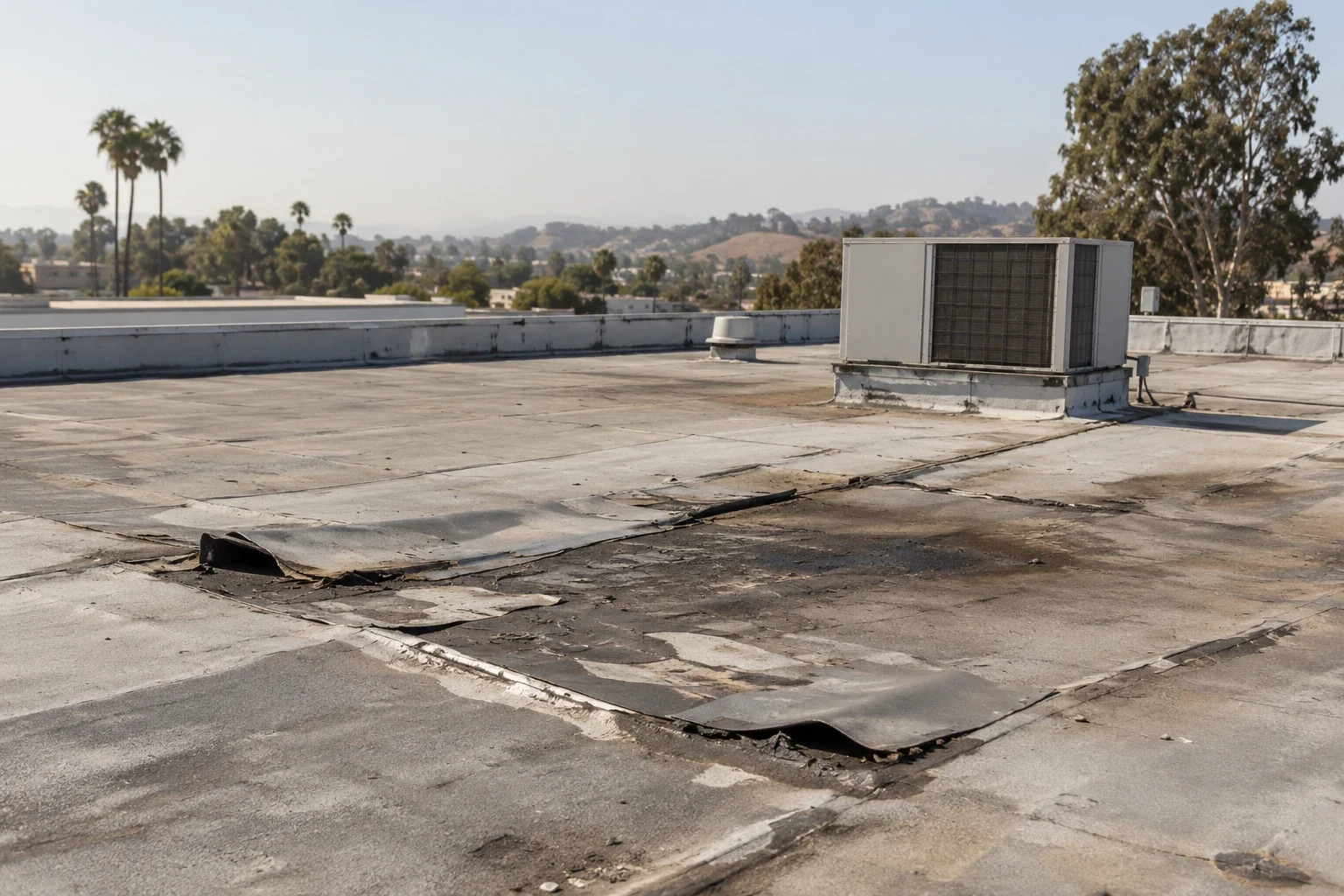
A torn membrane beside displaced coping needs examination before its repair scope can be explained. We inspect the opening, adjoining attachment and any affected insulation, then record the condition that requires correction. Roof insurance claim assistance in Orange, CA begins with those physical findings. Commercial Roofers Orange provides damage photographs, measurements and roofing information that help the owner present a clear repair scope for insurance review. The owner and insurer handle coverage decisions while we explain the components and work needed on the building.
Old Towne Orange includes businesses serving dining and retail customers among historic structures. Roof damage above an operating business can require protection below the opening while review continues. The Katella Avenue and Main Street area includes warehouse and general-industrial buildings alongside restaurants and mixed-use development. An industrial property's stock or equipment may need a different protection sequence. We assess the affected use alongside the roof damage and make the immediate protection work distinguishable from the permanent reconstruction.
Describe the damaged connection
A bent component needs more detail than a photograph showing a general roof area. We examine its attachment, backing and membrane transition, then identify the damaged material and the extent needing removal. Storm-related roof reconstruction can include several connected tasks where movement has affected neighboring details. Measurements and close views show why the proposed boundary reaches beyond the most obvious displaced piece.
We also examine existing wear and previous repairs near the damage. The condition description distinguishes those findings from the opening currently requiring attention. A roof can contain several issues that need different corrections, so the scope identifies each affected component in physical terms. The owner can use that explanation when discussing the work with an adjuster, without losing the distinction between a local membrane repair, flashing replacement and concealed-layer removal.
Concealed damage needs examination
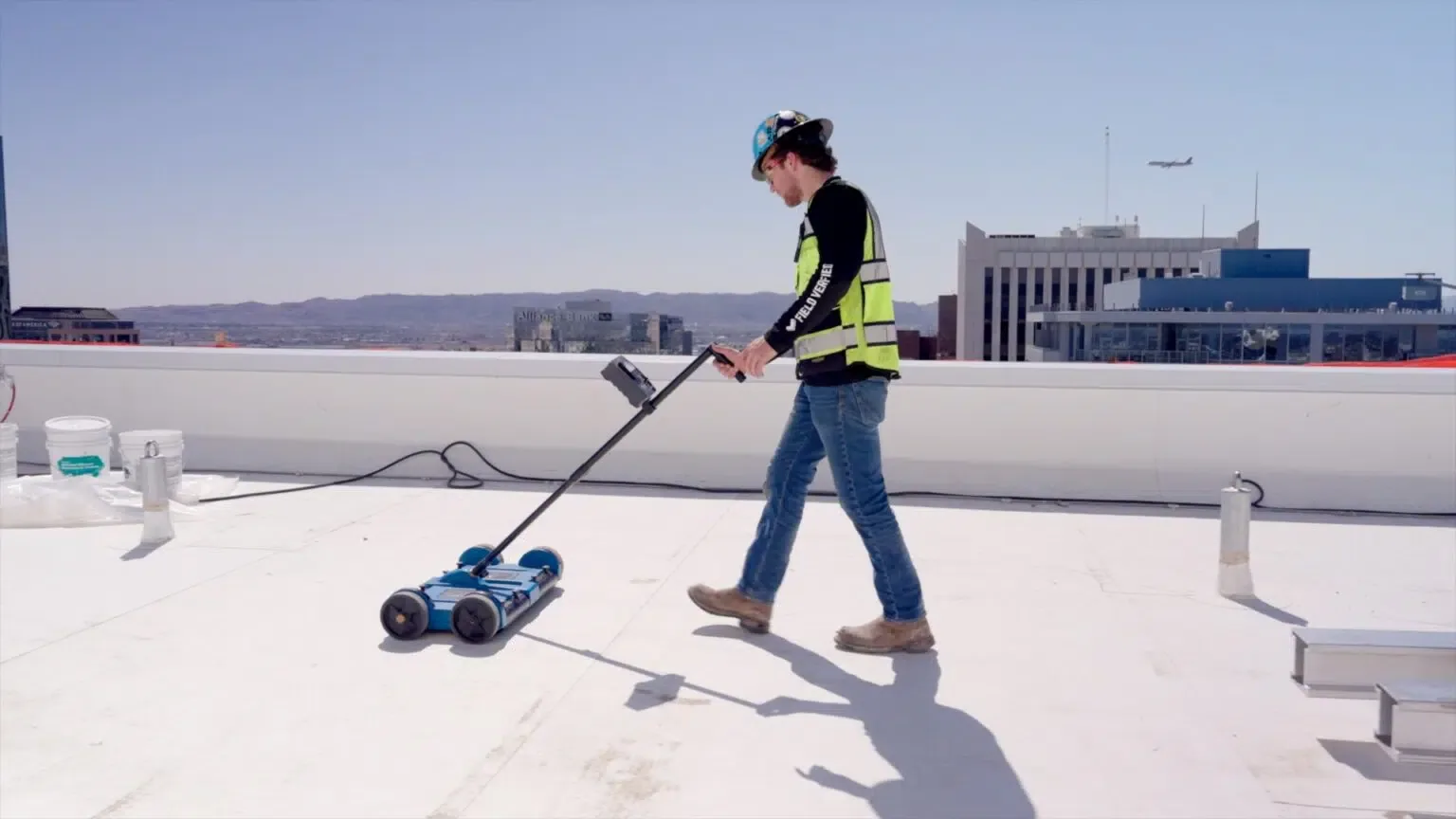
Wet insulation discovered beside an opening can change the amount of material removed. We locate the investigated area, describe the layer arrangement and show the exposed condition where appropriate. An infrared survey and confirmation checks may help establish where further openings are needed. The resulting repair scope follows physically assessed layers, with enough location information to compare the proposed removal with the roof itself.
A deck finding can require separate structural evaluation before roofing proceeds. We identify the observed corrosion, deterioration or support concern and explain the work dependency. That information helps the owner coordinate the responsible professional while the opening remains accessible. A repair estimate that treats every concealed condition as membrane work can obscure the actual task. We describe the roofing work and any additional assessment needed so the removal and closure sequence remains practical.
Protect the building during review
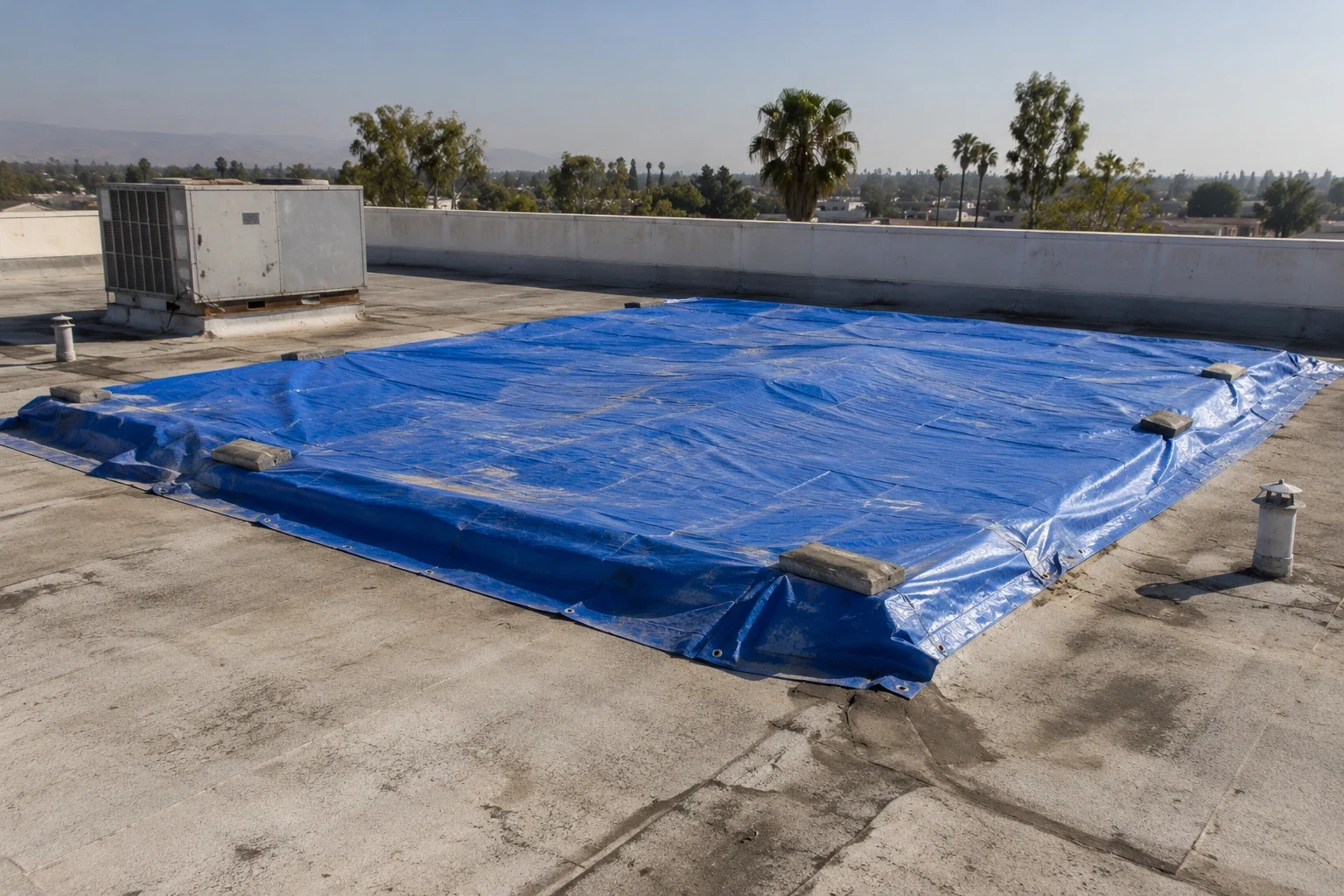
An active opening needs a response while insurance review is underway. Temporary roof protection can limit further water entry where safe access and conditions permit it. We describe the affected area, protection installed and follow-up needed. Temporary work may include dry-in, covering or securement suited to the roof. Its purpose and extent remain distinct from the permanent repair, letting the owner track what has been done physically.
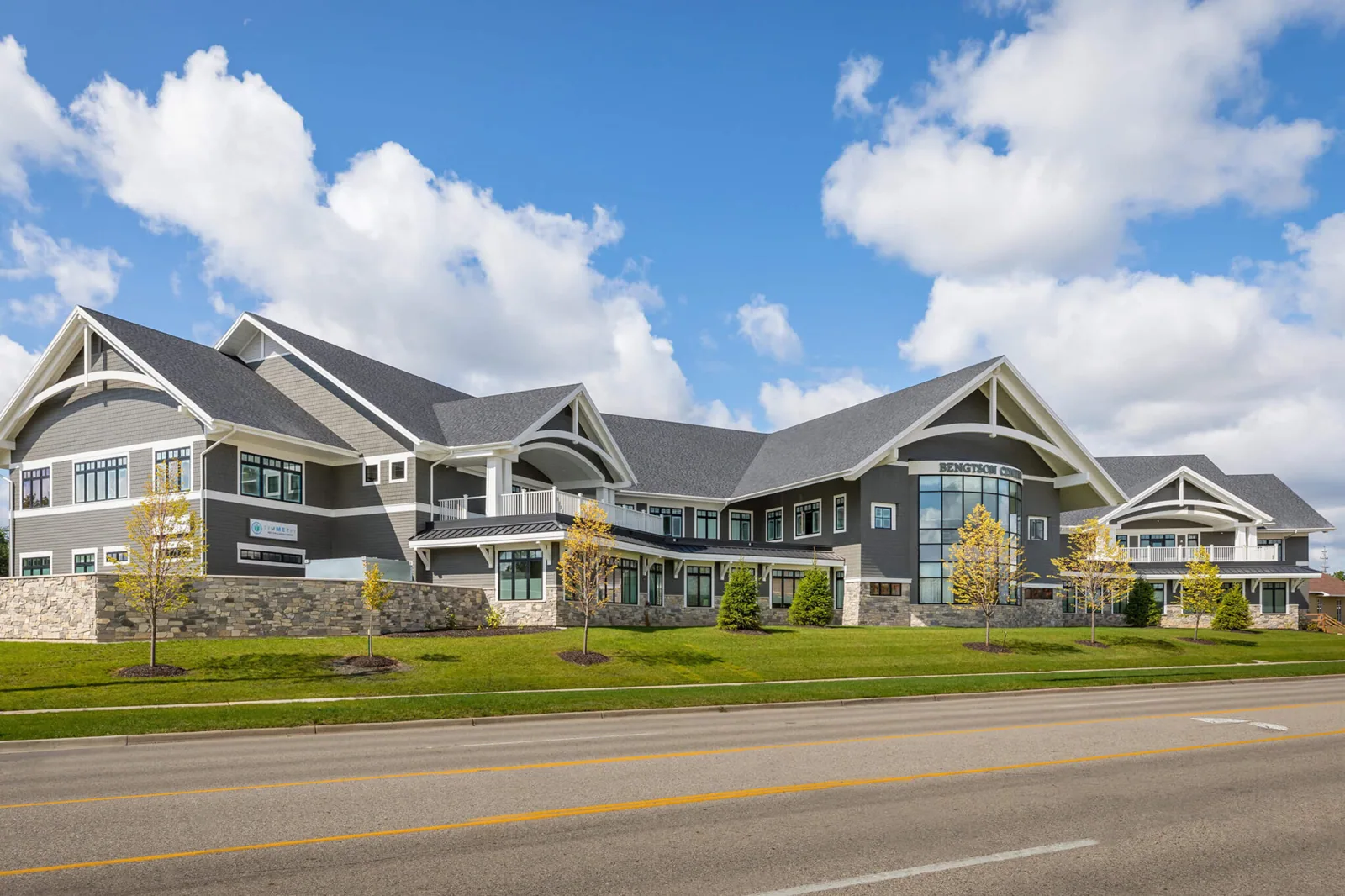
For an occupied medical-office roof, sensitive rooms and equipment can influence both protection and investigation. We discuss safe access and the operations affected before opening layers or moving materials. The responsible building personnel make their operating decisions using that information. We coordinate roofing tasks that require another trade, such as equipment support correction, so permanent flashing is completed after the component beneath it is ready.
The damage sequence stays clear
Southern California Santa Ana winds can produce major property damage. After a wind event, a displaced edge and torn membrane warrant inspection of the connections between them. We record their observed positions and examine adjacent materials for related movement. The roof findings describe the condition encountered at the property, with the owner's event timing providing context for the investigation. That keeps the explanation focused on the actual damaged details and the work required to correct them.
A leak may have spread into concealed layers before becoming visible inside. We compare the interior observations, opening locations and roof examination. A condition photograph taken before removal can show the original connection, while an opening photograph shows material that changes the scope. For a property in Old Towne Orange, clear location views also help coordinate protection below the affected edge as investigation and repair proceed.
Repair quantities follow physical limits
A repair description should identify the membrane area, flashing length or components being replaced, using measurements appropriate to the task. We explain the removal depth and how replacement material connects to retained roof. Access, disposal, preparation and temporary closure can materially affect the work even though they do not appear in a finished-roof photograph. The owner receives those scope details to support a meaningful repair comparison during review.
Wet layers beyond the initial opening can expand the removal limit. A written condition assessment can separate confirmed repair needs from areas requiring additional examination. Where a concealed finding changes the scope during removal, we describe the exposed condition and revised boundary. That gives the owner usable information for discussing the change before the area is closed. Coverage, claim handling and settlement remain matters for the insurer and owner; the roofing information explains the physical correction proposed and completed.
Completion connects findings to work
A finished view of the rebuilt detail should relate to the original damaged location. We show the corrected transition and retain useful views of concealed work before closure. The completion information identifies the materials and repair boundary relevant to future maintenance. If a recurring leak needs follow-up, the owner can distinguish the repaired connection from nearby areas still requiring investigation. That relationship makes the work record useful after the insurance discussion has ended.
Questions About Roof Insurance Claim Assistance
Can the roof be protected before the adjuster visits?
Immediate water entry or unstable material can require prompt attention. We assess safe protection and preserve useful condition views where possible before the damaged area is altered. Tell the insurer about the situation and follow its claim instructions. Our roofing information identifies the temporary work performed and the permanent repair still needed, so the owner can discuss each task distinctly.
What helps explain a larger scope after the roof is opened?
Photographs and measurements of the exposed layers can show wet material or damaged support beyond the initial surface defect. We describe the new finding and its location, then explain how it changes the removal boundary. The owner can present that information during review. The revised scope identifies the added physical work and how the new materials reconnect to suitable retained areas.
Will your roof assessment determine coverage?
The insurer applies the policy and makes its coverage decisions. We inspect the roof, describe the observed damage and prepare roofing information about the repair. The owner can use that information to discuss the scope with the insurer. If further roof examination is requested, we assess the specific question and the access needed to answer it physically.
Should previous roof repairs be included in the information?
Earlier repair locations and available material details can help us interpret the present condition. We examine those connections rather than assume they caused or resolved the current damage. The condition description identifies what remains suitable and what needs correction. That distinction supports the repair comparison and gives the owner a clearer account of the roof components affected by the proposed work. We also identify any inaccessible detail that needs another visit or equipment movement before its condition can be assessed properly.
Related Roofing Work

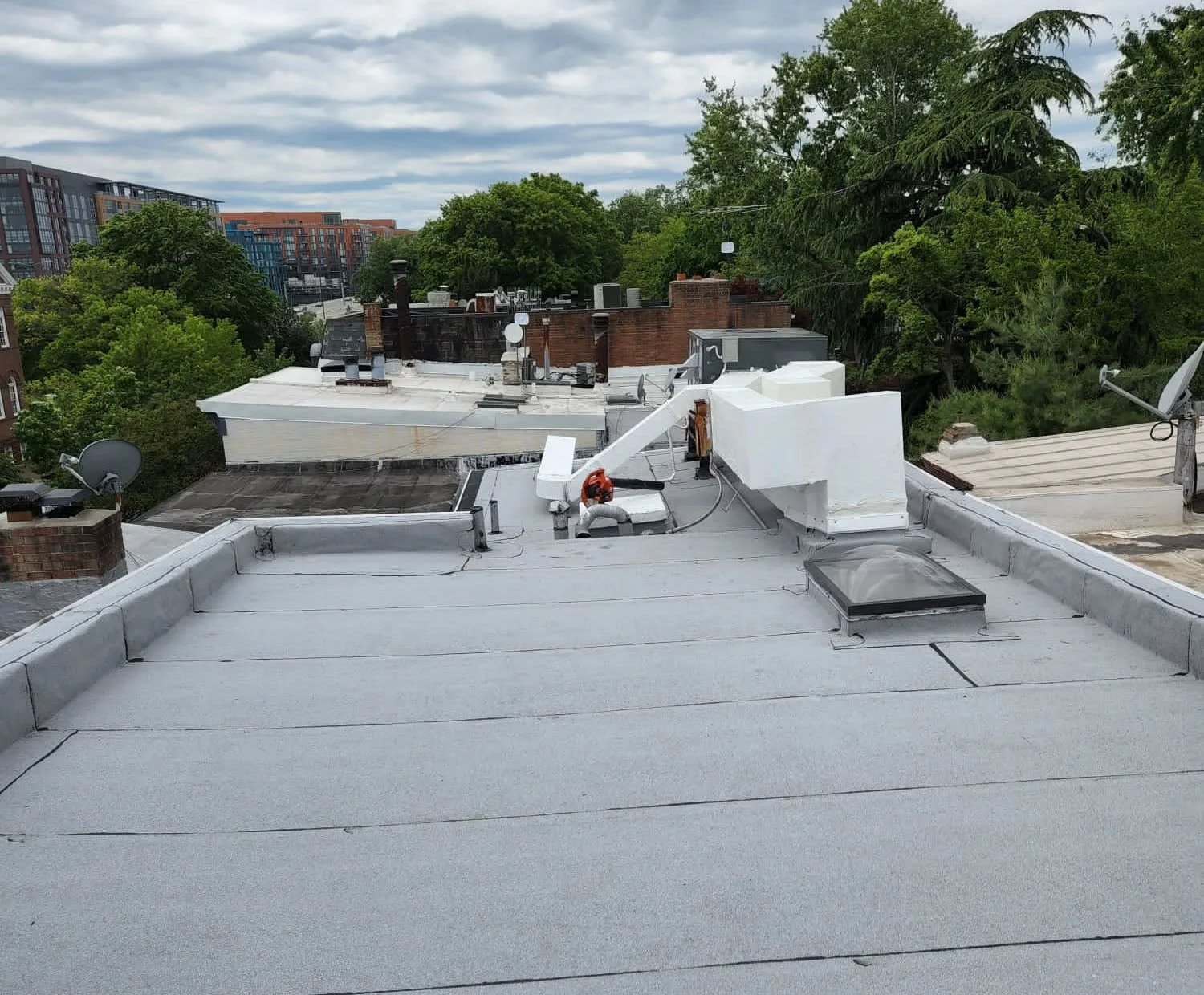
Arrange a roof damage assessment
Describe the Orange property, damaged components, water entry and available roof information. We can inspect the condition and prepare a clear repair explanation for your review. Call 555-555-5555 or request a roof assessment.