
Storm Damage Commercial Roof Repair in Orange, CA
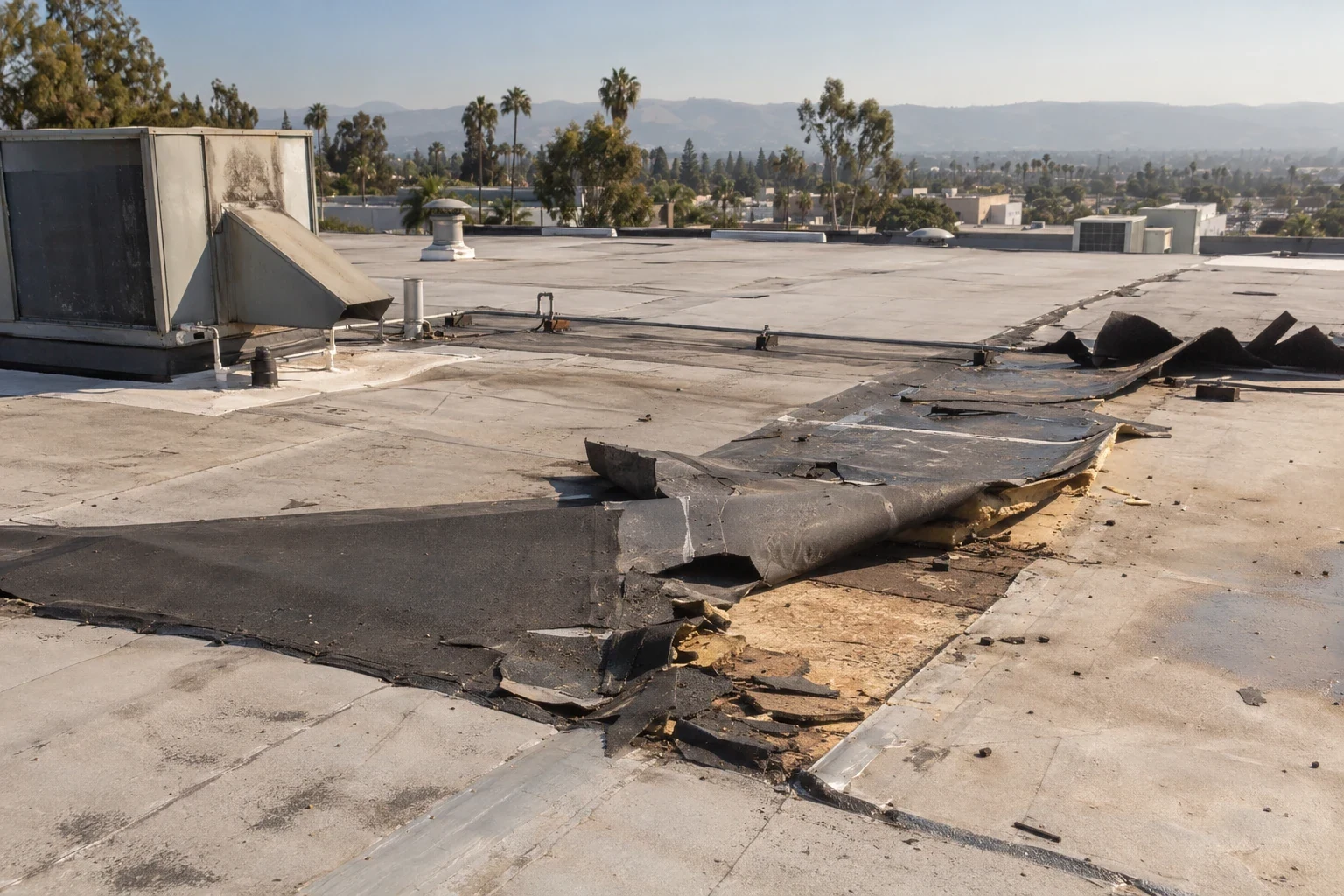
A puncture beneath storm-blown debris needs a check of the support beneath the torn sheet. We inspect the membrane opening, affected insulation and deck where the impact may have extended into the assembly. Storm damage roof repair in Orange, CA should identify the layers needing correction before the surface is closed. Commercial Roofers Orange assesses the exposed condition and provides suitable protection while the permanent work is defined. A location photograph records the impact area; selected physical checks establish the removal limit and whether structural evaluation is needed beside the roofing repair.
Regional Santa Ana winds can damage property across Southern California. Loose roof components need attention after a wind event, especially where they could affect an occupied route. Old Towne Orange's dining and retail businesses bring customer activity below roof edges. Industrial properties in Anaheim Canyon have different equipment and material-handling demands. We establish those operating limits at the actual property, then choose safe access and a repair sequence that addresses the roof condition found.
Displacement needs a wider examination
A bent edge can indicate movement in neighboring fasteners or backing even where the adjoining metal appears straight. We examine the connection behind the displaced section and the membrane transition next to it. Repair of wind-affected connections may extend beyond the visible bend. The repair limit follows damaged attachment and material condition, so the new component does not end at another weakened connection.
Field membrane tears, damaged flashing and shifted equipment supports receive separate attention. We distinguish the roof repair from equipment or structural work requiring another responsible trade. A moved support may need correction before flashing can be rebuilt. The owner receives the specific finding and the dependency it creates. That makes the proposed work sequence useful: resolve the support, replace affected layers and complete the waterproof connection after the component is stable.
Protect the exposed assembly
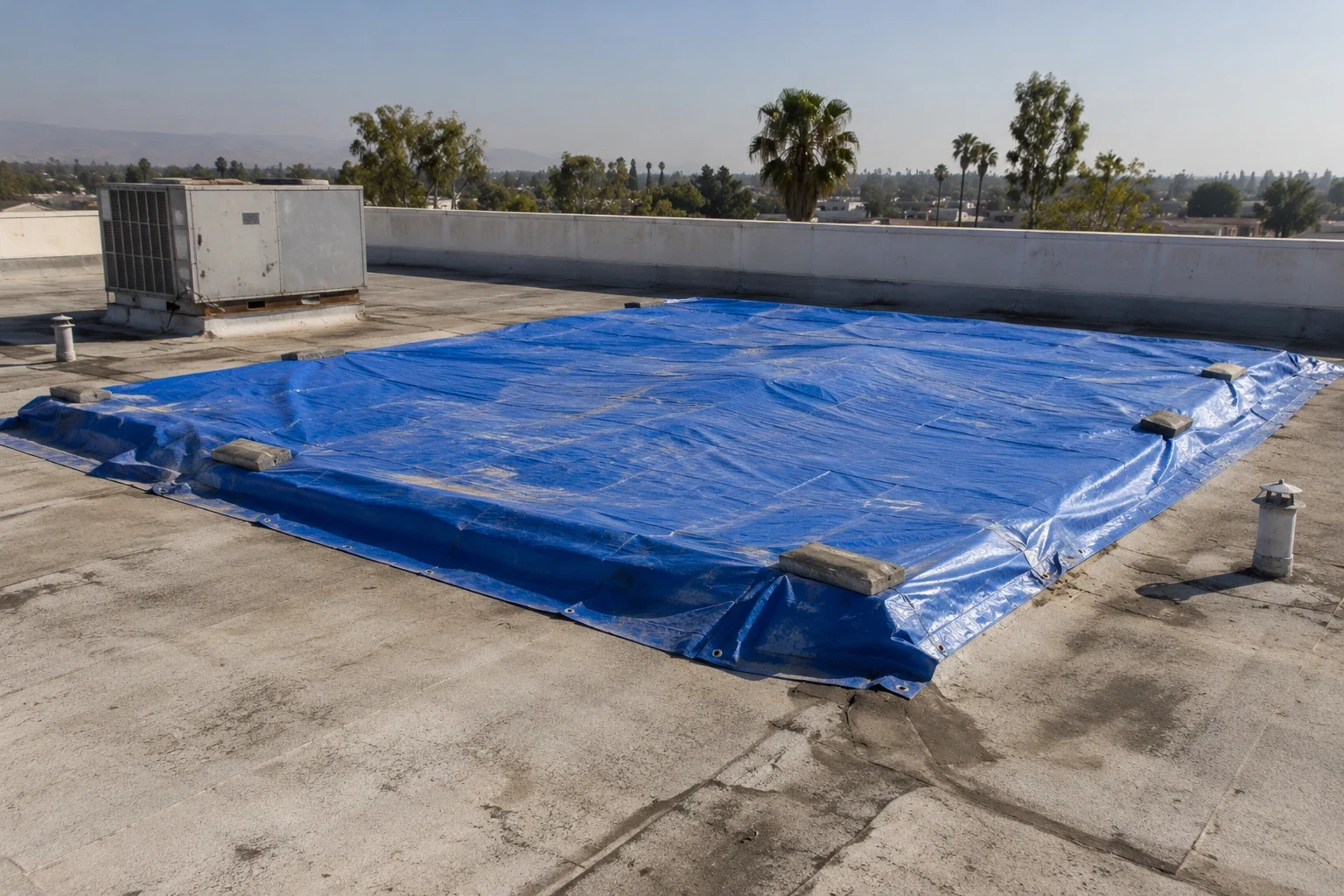
An opening admitting water may need temporary closure before permanent materials can be installed. We assess safe access, the remaining surface and current weather to select protection. Immediate roof protection is available at night, on weekends and during holidays. Strong wind or another access hazard can limit what can be done during the event. The response identifies the area protected and the next step needed to complete a durable repair.
A tarp or dry-in needs suitable securement and a usable drainage path. We check how temporary work connects to the building and whether it could direct water toward another detail. Loose material that presents a hazard deserves attention alongside water entry. Once conditions allow closer work, we review the temporary closure and examine the assembly beneath the original opening. The permanent scope then addresses the failed components rather than treat the temporary protection as the finished roof.
Wet layers change the removal limit
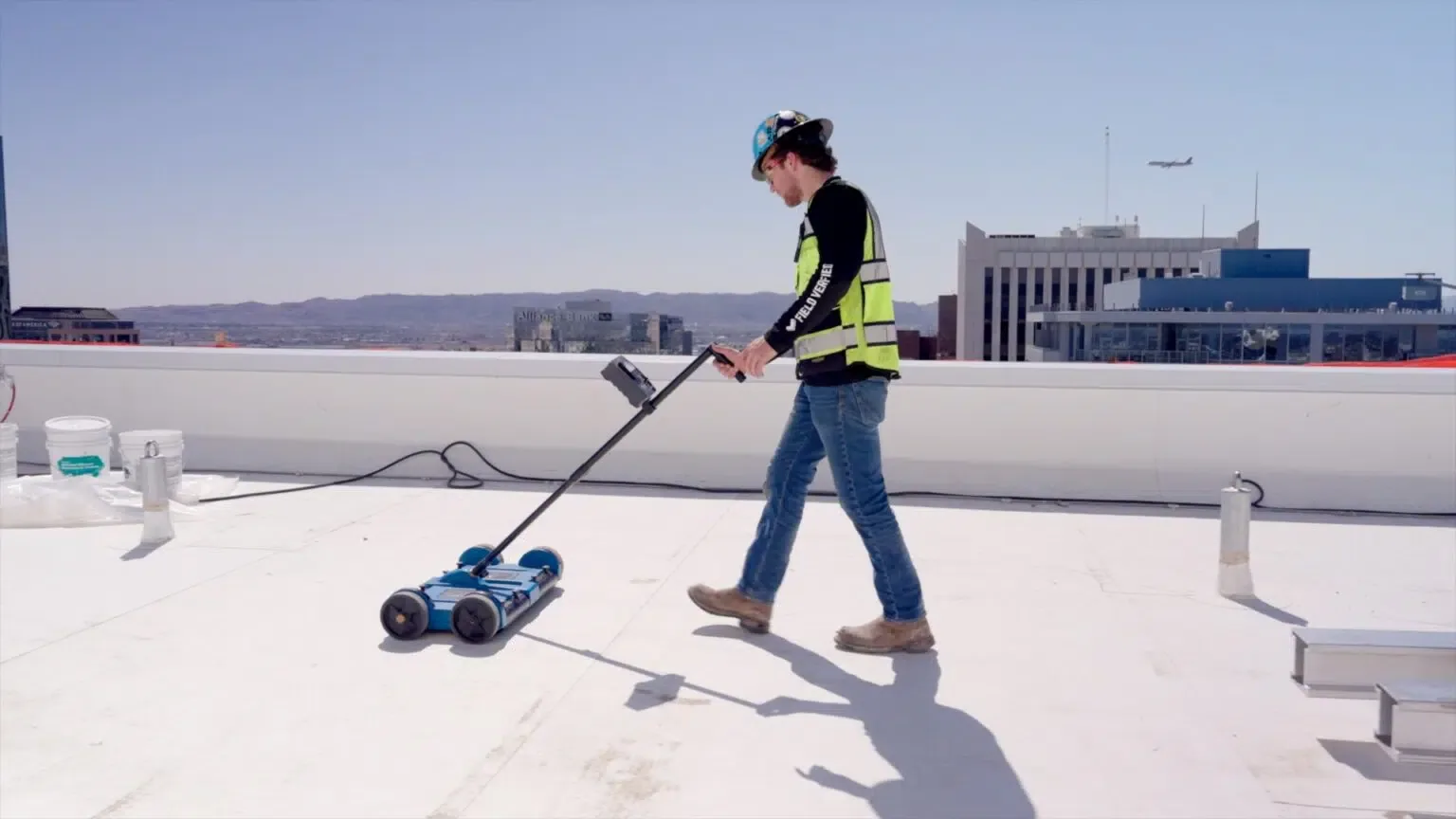
A roof tear can admit water beyond the section visible from above. We inspect selected openings to assess moisture and material condition around the damaged area. An infrared investigation with layer confirmation can help where the roof and conditions support it. Its findings direct physical checks that establish which materials need removal and where suitable retained layers begin.
Damaged deck material needs appropriate assessment before the roof is closed. We identify corrosion, deterioration or other support concerns encountered during the inspection or removal. Engineering input may be required for structural work. The owner can distinguish that responsibility from the membrane and insulation repair, then coordinate the sequence. Covering a weakened support would leave a different problem under the new surface, so its condition is resolved while the area remains accessible.
Blocked drainage can compound damage
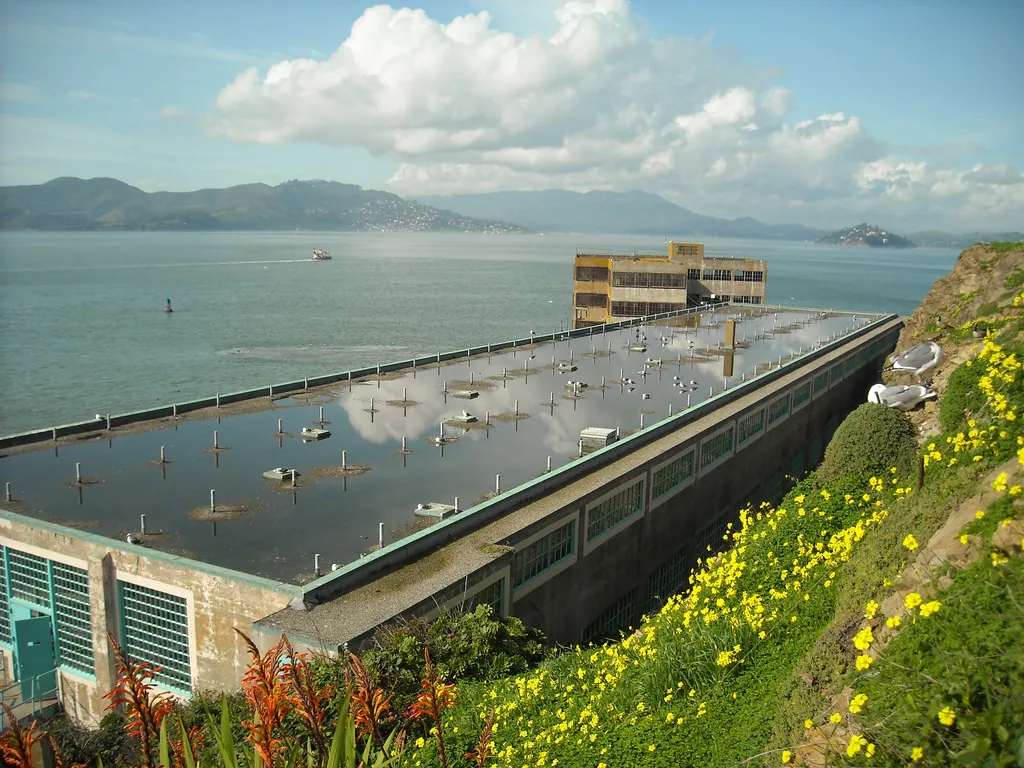
Debris driven toward an outlet can hold water against an already damaged flashing. We inspect the drain, scupper and surrounding roof elevation, then establish whether clearing debris restores the intended path. Drainage correction may also be necessary where the outlet or adjacent connection has been damaged. The repair recommendation identifies the cause addressed by each task rather than group cleaning and reconstruction as the same work.
For an owner in Anaheim Canyon, access around operating rooftop equipment can affect how that inspection is carried out. We plan the route to the drain and the damaged area with the building's operating needs in view. Water near electrical equipment requires attention from the appropriate trade below the roof as well. The roofing scope explains the physical work and protection required so those separate responsibilities can be coordinated.
Extent guides the repair choice
An isolated torn detail with secure surrounding material can support a local reconstruction. Widespread loss of attachment or wet layers can justify a larger removal. We compare those options using inspected condition, drainage and the connection to retained materials. For a distribution building's roof, stock protection and delivery access can also influence the sequence and temporary closure requirements. Those construction needs are included in the scope comparison.
Existing wear can be encountered beside fresh displacement. We describe each visible condition and avoid treating them as a single repair without inspection. The owner can then review the proposed correction and understand what a smaller repair would leave in service. A wider replacement may be worth assessing where many connections or underlying layers have lost function. The recommendation identifies the damaged connections, extent of layer removal and next checks needed to choose a suitable correction.
Images support the repair boundary
A condition photograph taken before loose material is secured can preserve its original position. We use location views and closer detail views to explain the damaged connection and removal limit. Photographs during opening show concealed material that changes the work. Finished views then show the rebuilt detail. This sequence helps the owner track the actual correction and supplies useful roof information if insurance review is part of the recovery process.
Questions About Storm Damage Commercial Roof Repair
Why inspect metal that did not visibly bend?
Movement in a displaced section can affect neighboring attachment or backing. We check those adjacent connections before setting the replacement limit. A straight-looking component may remain suitable, or its fastening may need correction. The owner receives a description of the finding and the material retained, making the boundary easier to review than a repair area chosen only from the obvious bend. That examination also checks the adjoining membrane turn for tearing or separation behind the metal.
Can we repair the tear before assessing insulation?
Temporary closure may be needed promptly to reduce water entry, while permanent work requires attention to the layers below. We examine the affected insulation and surrounding assembly when safe access allows it. Wet or detached material receives its own removal limit. The permanent repair then restores both the exposed roof connection and the supporting layers that need replacement.
Does storm debris removal count as the full roof repair?
Clearing debris restores access and can reopen an obstructed drainage route. Damaged seams, flashing or outlets still need examination and suitable correction. We separate completed cleaning from the components requiring repair. That distinction helps the owner assess what remains vulnerable after the roof surface is cleared and choose the next task based on the inspected condition.
How should roof repairs and equipment repairs be sequenced?
Unstable equipment supports or shifted components need coordination with the responsible trade before their roof flashing is finalized. We identify the affected connection and explain where temporary protection is needed during that work. The roof can then be closed after the support is corrected, reducing unnecessary reopening. Completion checks include the waterproof transition as well as any drainage path changed by the equipment repair.
Related Roofing Work
Describe the displaced materials
Tell us where the Orange property is, what moved or opened and which operations are affected. We can inspect the damage sequence and explain protection and permanent repair. Call 555-555-5555 or request a roof assessment.