
Commercial Roofing in Brea, CA
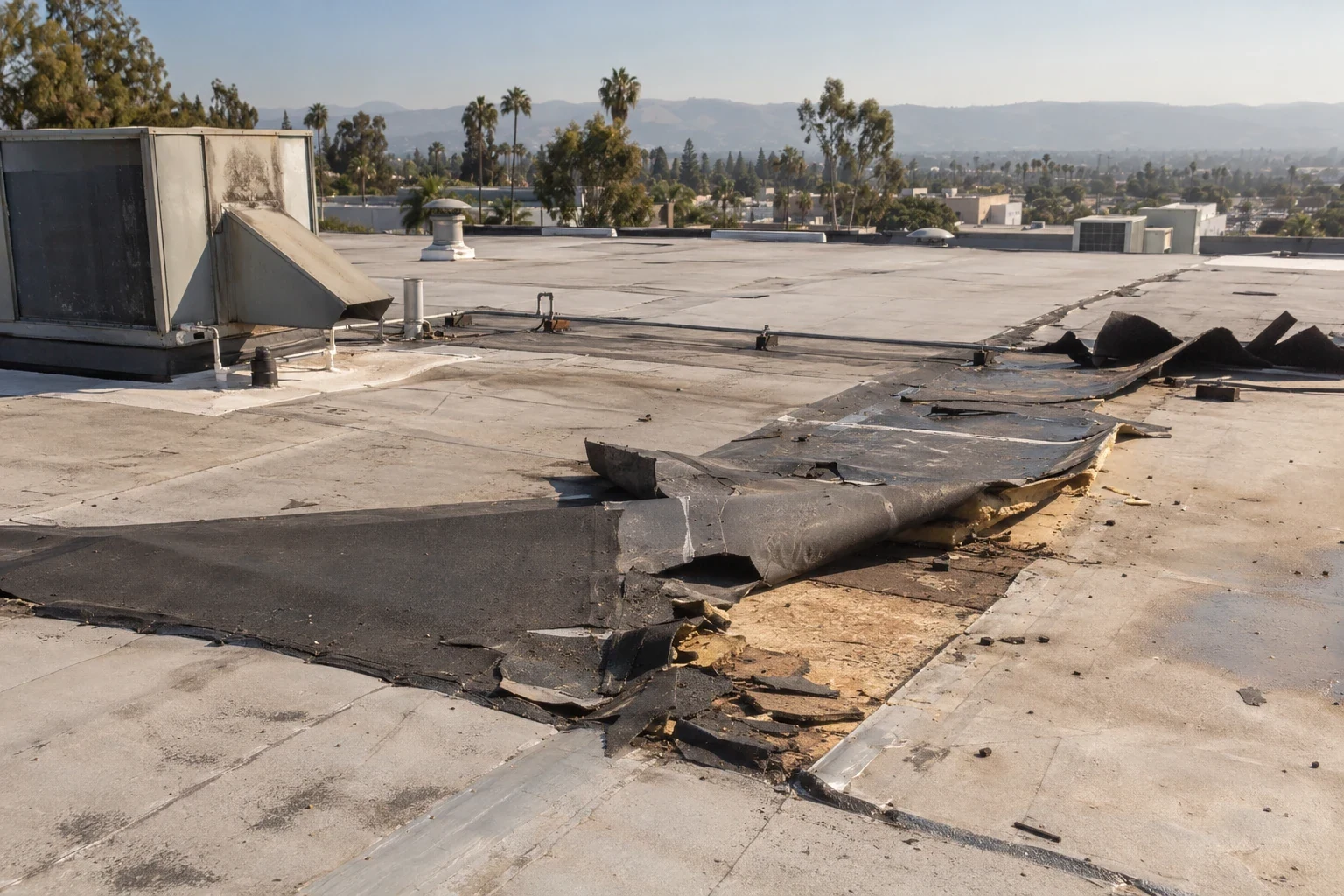
A curled membrane edge at a parapet can leave the wall transition exposed even when the center of the roof looks sound. In Brea, CA, we inspect the edge, the adjacent field, and the drainage path before deciding how wide a repair must run. Brea employers in 2023 included Beckman Coulter, Bristol Industries, Albertsons and Nordstrom. The local public school district serves students from elementary grades through junior high, high school, and continuation programs. At each property, the installed roof system determines compatible repair materials, while the active use below sets access and protection. We verify that on site and plan around the building's actual access needs. A roof inspection records the observed condition and identifies where a closer test could change the scope.
Find where the edge releases
At a perimeter, water protection depends on more than the visible metal cap. We check the coping joints, cleats, fasteners, membrane termination, and wall flashing below. If the metal has lifted, we determine whether the attachment failed, the substrate has moved, or the joint opened. At a roof curb, the same close inspection follows each corner and the transition into the field membrane. Photos capture the condition, while a seam probe and measured repair limit identify where secure material begins.
Commercial properties and schools have different operating needs. Before work, we confirm access limits with the owner and plan staging, interior protection and restricted hours around the building's use. A facility manager may therefore coordinate roof access over work areas, customer spaces, or classrooms. We confirm the building's use and access limits with its owner, then plan staging, interior protection and any restricted hours around that operation. For a localized opening, leak repair can address the failed transition once the assembly and tie-in material have been identified.
Verify moisture before expanding work
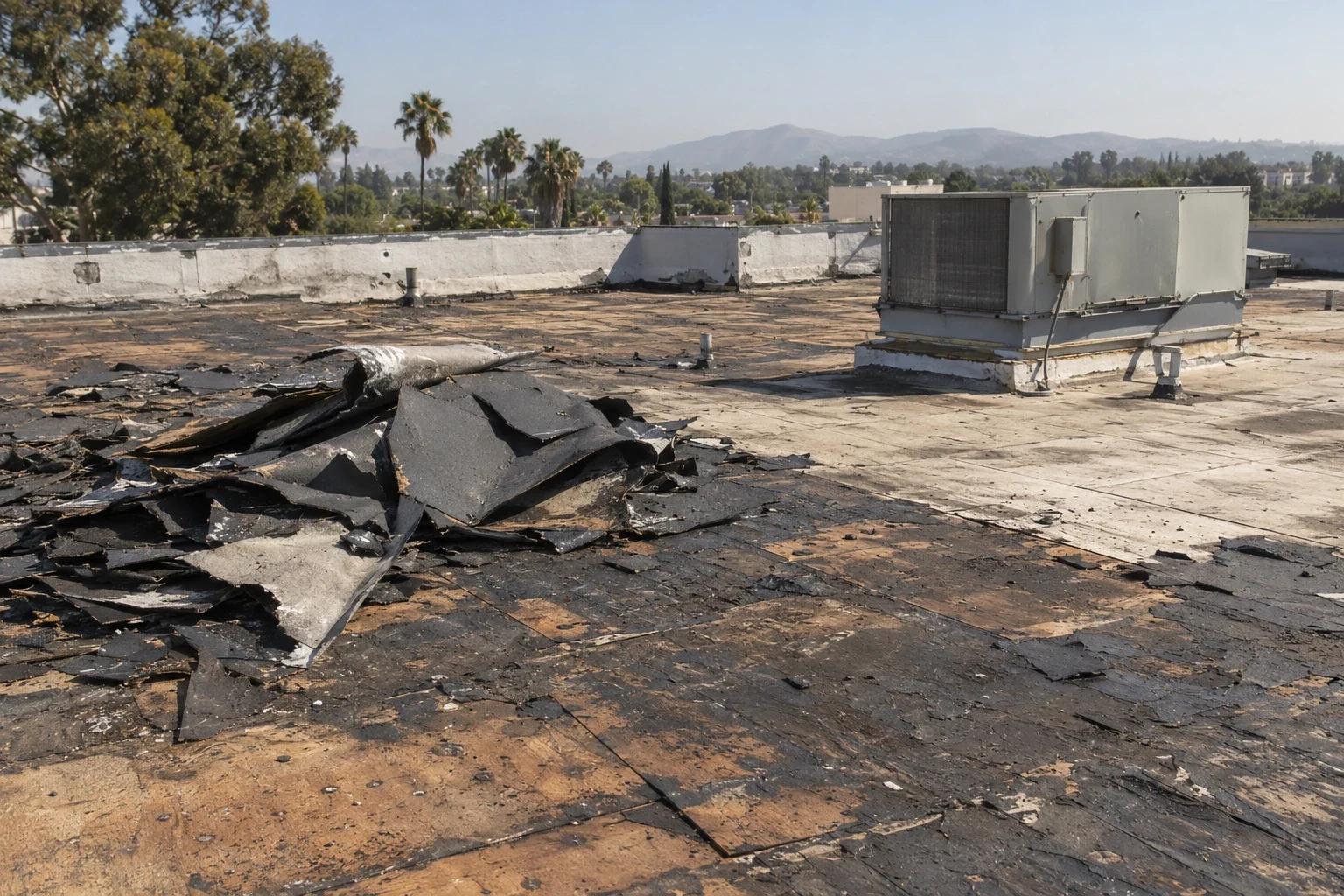
A dark membrane patch or a softened surface can indicate different conditions. We compare the report location with visible seams, penetrations, drains, and interior signs, then decide whether a test opening is needed. When opened, the roof shows whether insulation is wet and whether the deck can support a surface repair. We record the dimensions and layers, replace or repair affected material, and close the cut with a compatible detail. That direct check keeps the repair from relying on appearance alone.
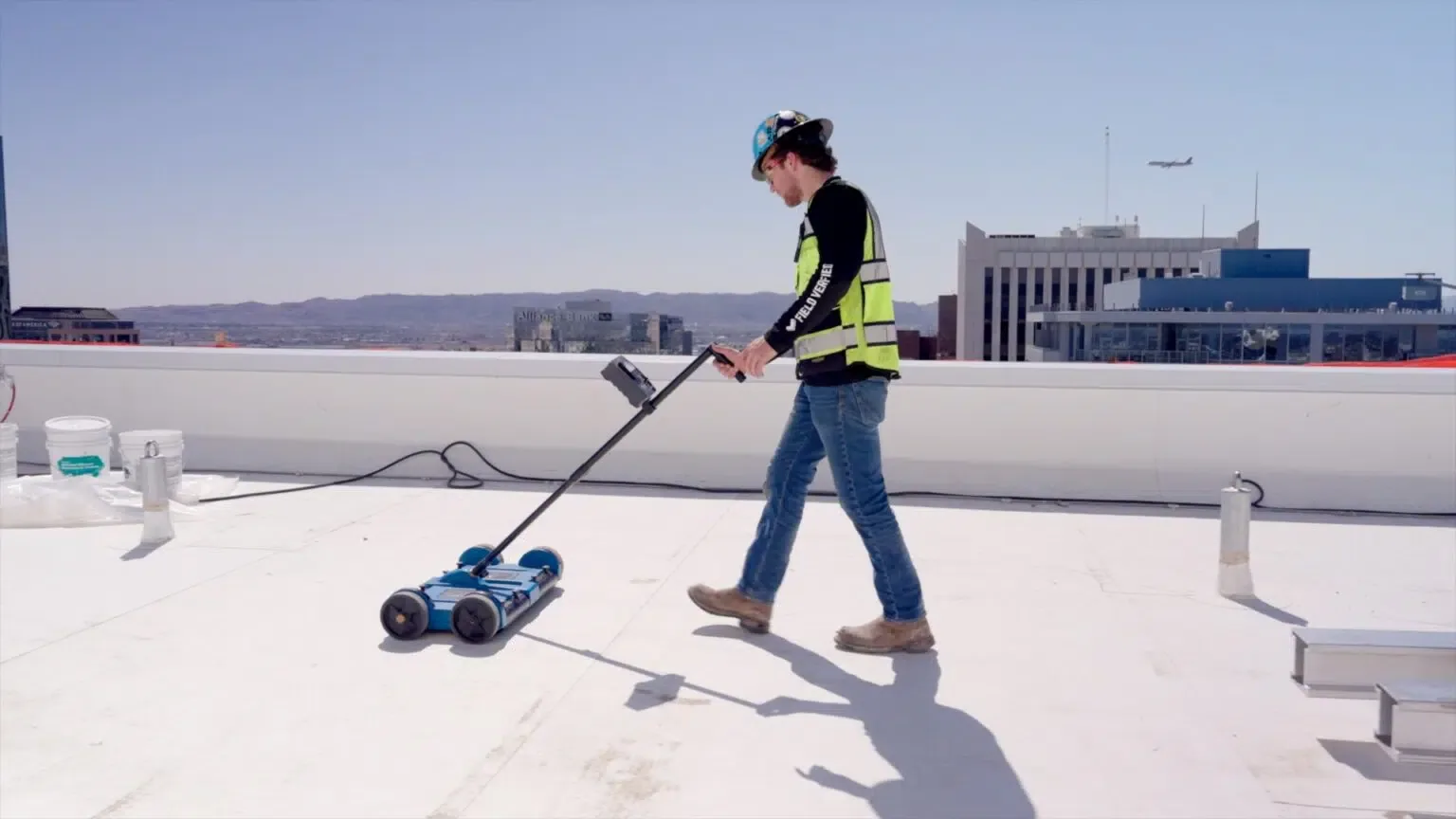
For a large roof, infrared or other moisture screening can help prioritize where to verify. It does not replace a hands-on inspection. Surface color, recent sunlight, and the roof build-up can influence readings, so we interpret each pattern with the construction details and leak history. Selected test cuts answer the practical question: which area requires removal, and where can the roof remain? A moisture survey is most useful when its map leads to specific checks and a repair decision rather than an unexplained color image.
Keep the repair tied to evidence
We mark the defect, the sound material needed for a tie-in, and any adjoining detail that could continue the leak. If the area is limited and the substrate is stable, the repair can stay local. Repeated failures at several seams, widespread wet insulation, or a deteriorated deck call for a broader comparison. The owner should see the confirmed condition, what each option includes, and what remains uncertain before selecting work.
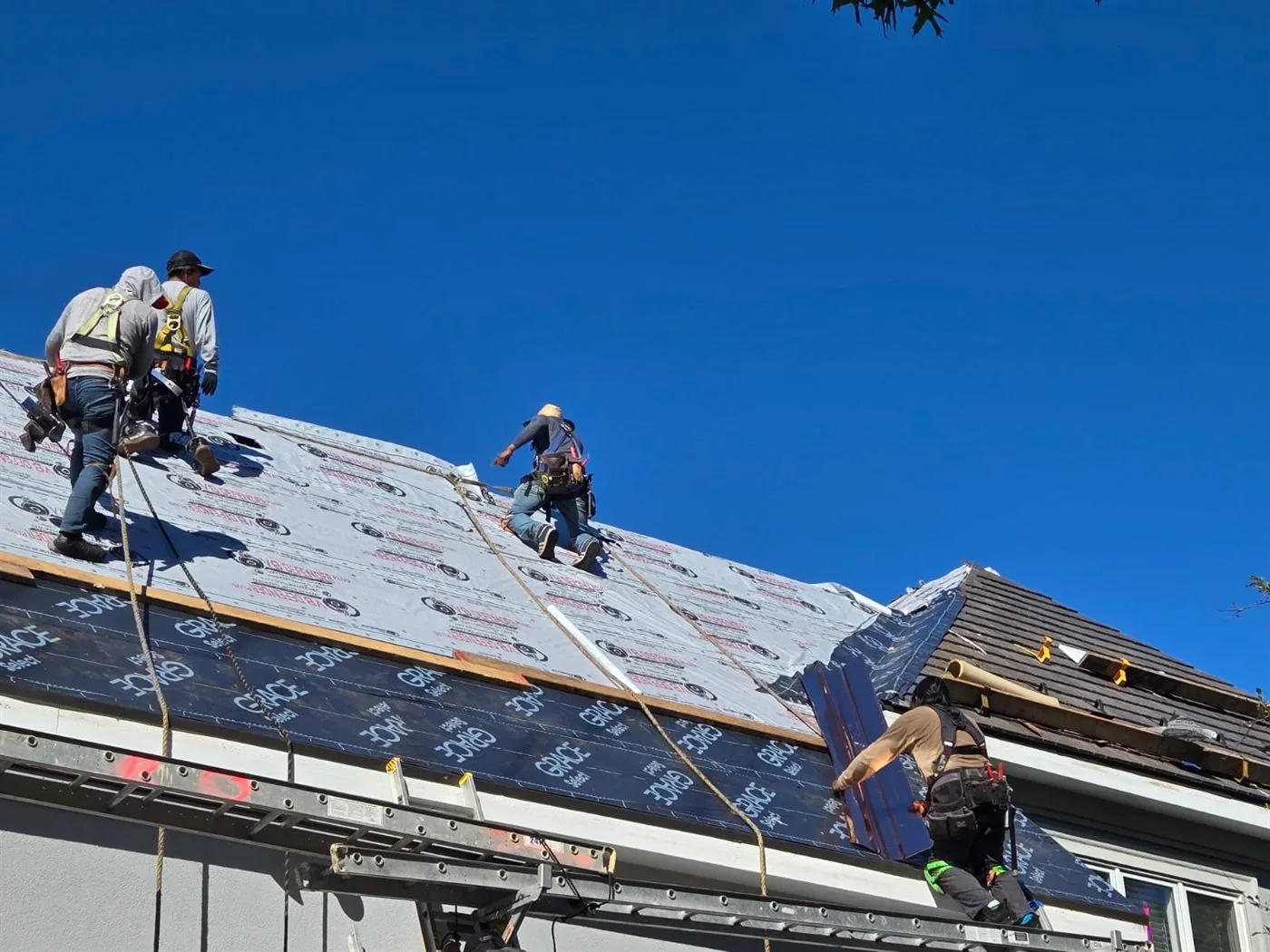
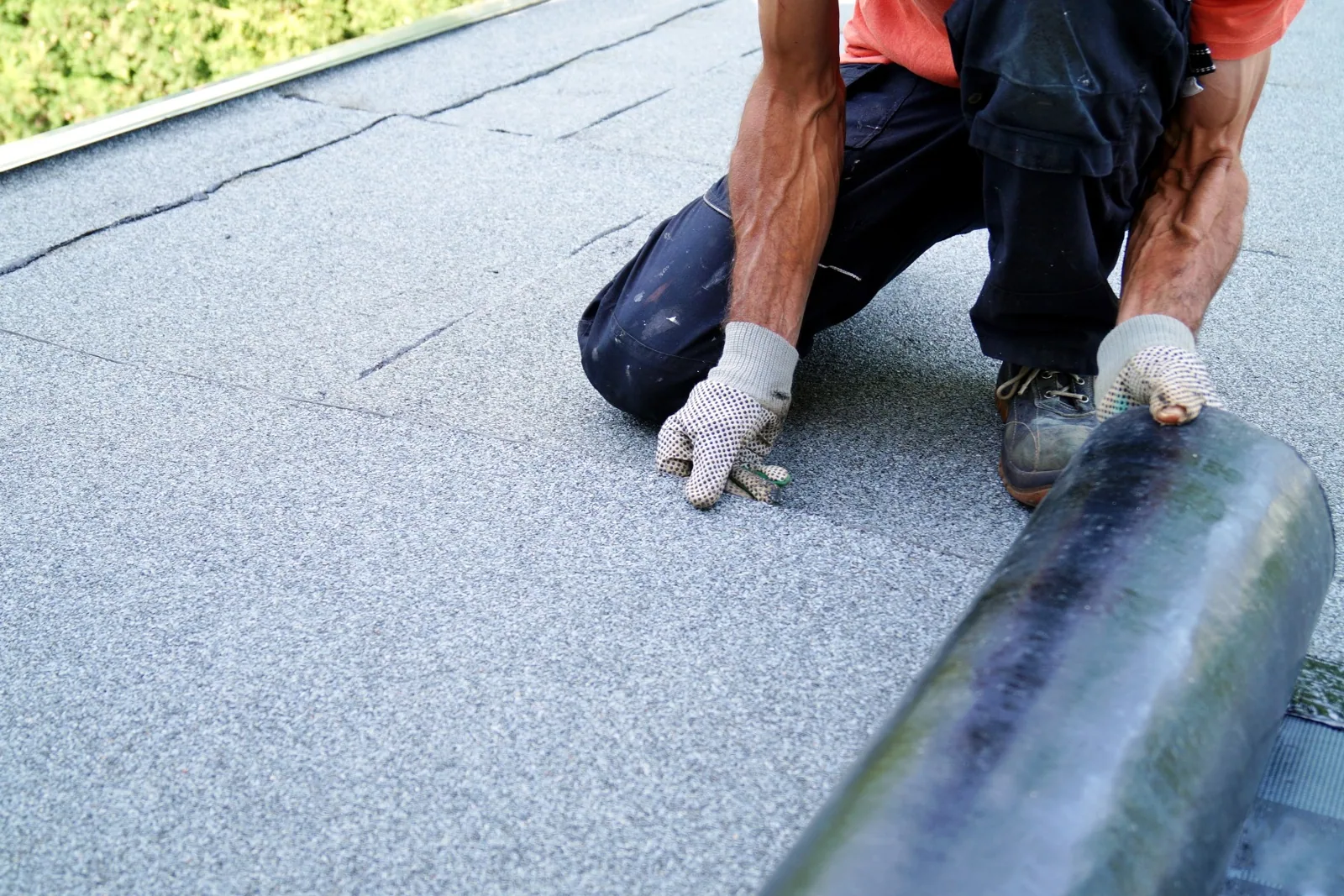
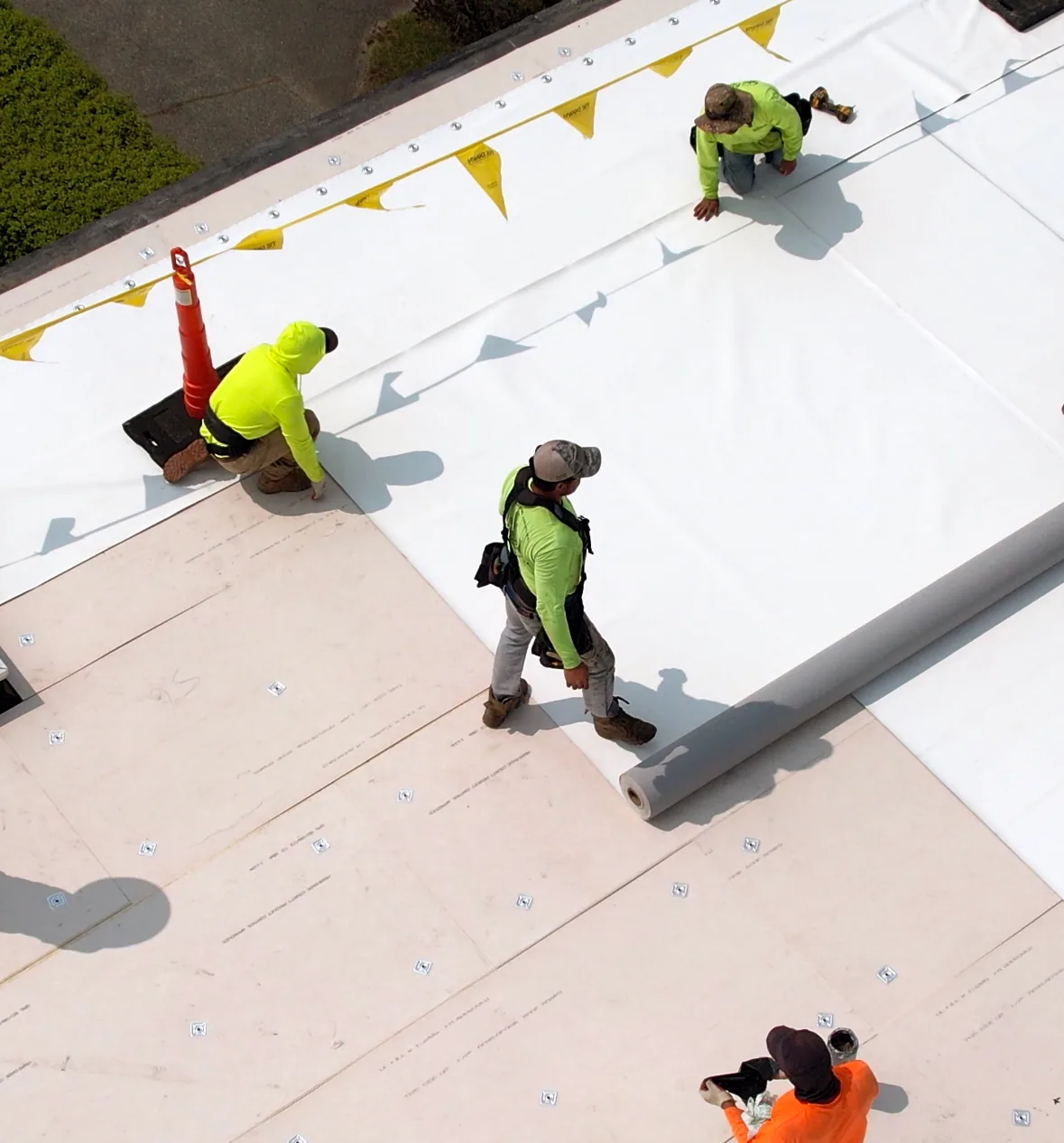
Replacement planning considers existing layers, attachment, drainage, edge metal, rooftop equipment, and protection for occupied areas. A recover can reduce tear-off only when the assembly, structural capacity, and governing requirements allow it. We do not promise that a coating or overlay will fix a roof with hidden moisture. If the field surface is otherwise suitable, restoration may be evaluated after checking adhesion, detail compatibility, and drainage. A replacement scope can be compared with a defined repair using removal assumptions and operational disruption, not a guess based on one ceiling stain.
Sequence work around the building
A school roof may require work zones that keep students and staff away from ladders, hoisting, and debris. A retail or industrial property may have delivery windows, loading areas, or equipment that cannot be shut down without coordination. We ask the site contact about those constraints before setting access and protection. On an occupied building, the crew can close one section before moving to another when the roof layout supports that sequence. If conditions below the membrane require more time, we explain the effect on the schedule.
Southern California Santa Ana winds can damage property, including edge components and rooftop equipment screens. A wind report is a reason to inspect, not proof that every visible defect came from that event. We check displaced metal, lifted membrane, loose accessories, and the connections that keep them secure. Wind-related roof repair should restore the failed attachment or transition along with the moved piece. When water is entering during off-hours, emergency response is available around the clock, followed by a permanent repair plan when conditions are safe to examine.
Make the next inspection easier
A useful record identifies the roof area, condition, repair material, and details included in the work. We photograph the opening before repair and the completed tie-in afterward. If a wet layer was found, we note what was removed and what remained. When another seam or drain needs attention later, its location and priority should be clear so the owner can budget the work without confusing it with a completed repair.
At the nearby Anaheim station, NOAA's 1991-2020 normals record an August average daily high of 88.8 F and 3.16 inches of January precipitation. Before seasonal rain, we inspect outlets, edge details and the roof's drainage path. On the building itself, we track surface wear, open joints, drain restrictions, and sealant condition. A maintenance visit can revisit those details and check whether prior repairs remain secure. Owners coordinating separate properties in Placentia or the wider Orange service area can use consistent report structure while preserving a separate finding for each roof.
Questions About Brea
A parapet leak in Brea returns after each repair. What might the first scope have missed?
We inspect the tie-in edge, coping joints, wall flashing, and membrane immediately beside the prior patch. Water may be bypassing the repair at a nearby termination or traveling beneath the surface. We compare current photos with the earlier work record and test the layer condition if the boundary remains unclear. The next scope should identify the path and the adjoining details that need correction.
Can a roof coating solve recurring leaks at a school or retail property?
A coating is considered only when the existing surface is compatible, dry enough, and detailed so water can drain. It cannot make wet insulation sound or correct an open curb flashing by itself. We inspect adhesion, seams, penetrations, and drainage first. If those checks support restoration, we explain preparation and the limits of the coated area.
How do you keep roof work clear of school operations?
We coordinate access and work zones with the site contact, including areas below hoisting or active repairs. The sequence depends on the roof layout and the work being performed. We can plan around restricted times, protect interior areas, and close each area as it is completed. Any changed condition that affects the sequence is reported before the scope expands.
What makes a test cut worthwhile on a Brea roof?
A test cut is worthwhile when verifying the insulation or deck could change whether we patch, remove a larger area, or plan replacement. We measure and photograph the opening, record the layers, and close the roof properly. If surface inspection already provides a clear answer, a test opening would add disruption without changing the scope, so we do not recommend one.
Related Roofing Work
Inspect a Brea commercial roof
Describe the roof area, leak history, and the building's access or operating limits. We will inspect the details and explain the repair boundary or next test. Call 555-555-5555 or request a roof assessment.