
Holcim Elevate Commercial Roofing in Orange, CA
A loose strip at the roof edge is a warning to inspect how the membrane ends, not a reason to cover the visible gap. On a Holcim Elevate roof in Orange, CA, we first determine whether the field is RubberGard EPDM, UltraPly TPO or another layer added later. The product family changes the seam and patch method. We examine the edge, adjoining sheet, fastening or adhesive, and any wall or metal transition before drawing the repair limit.
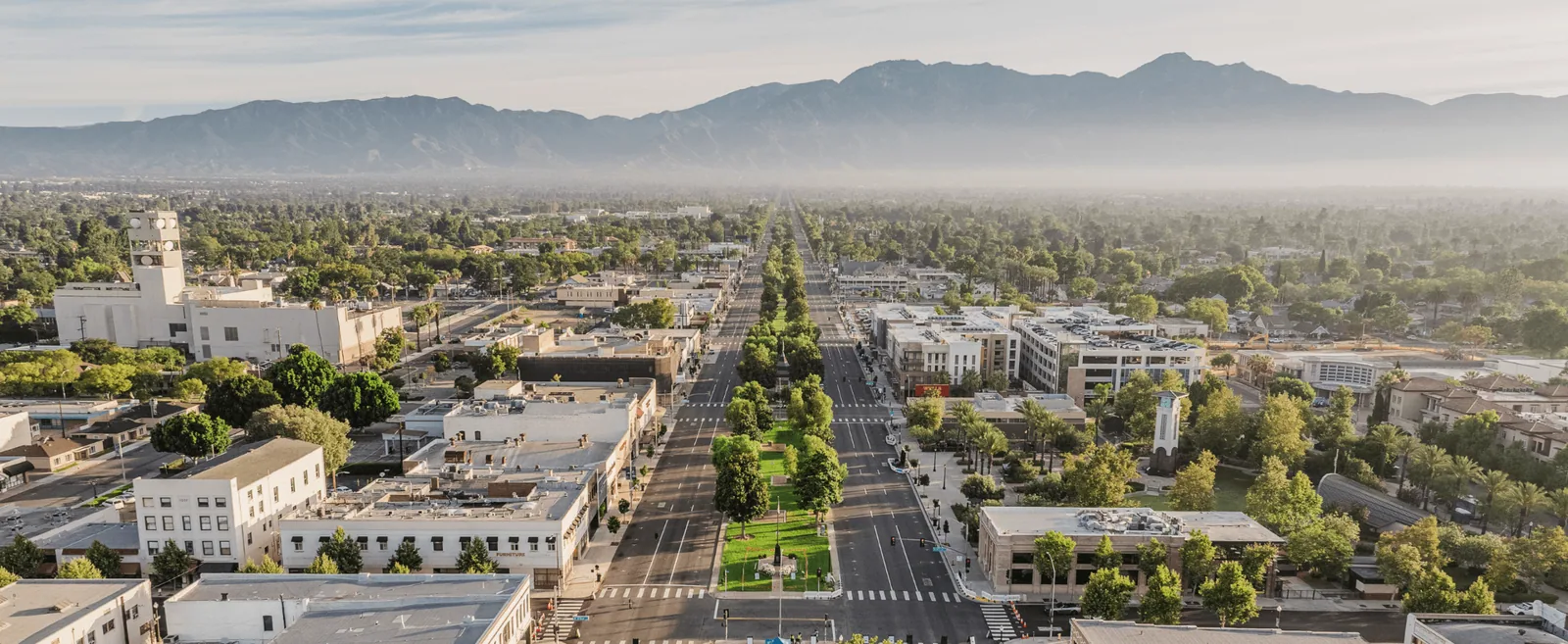
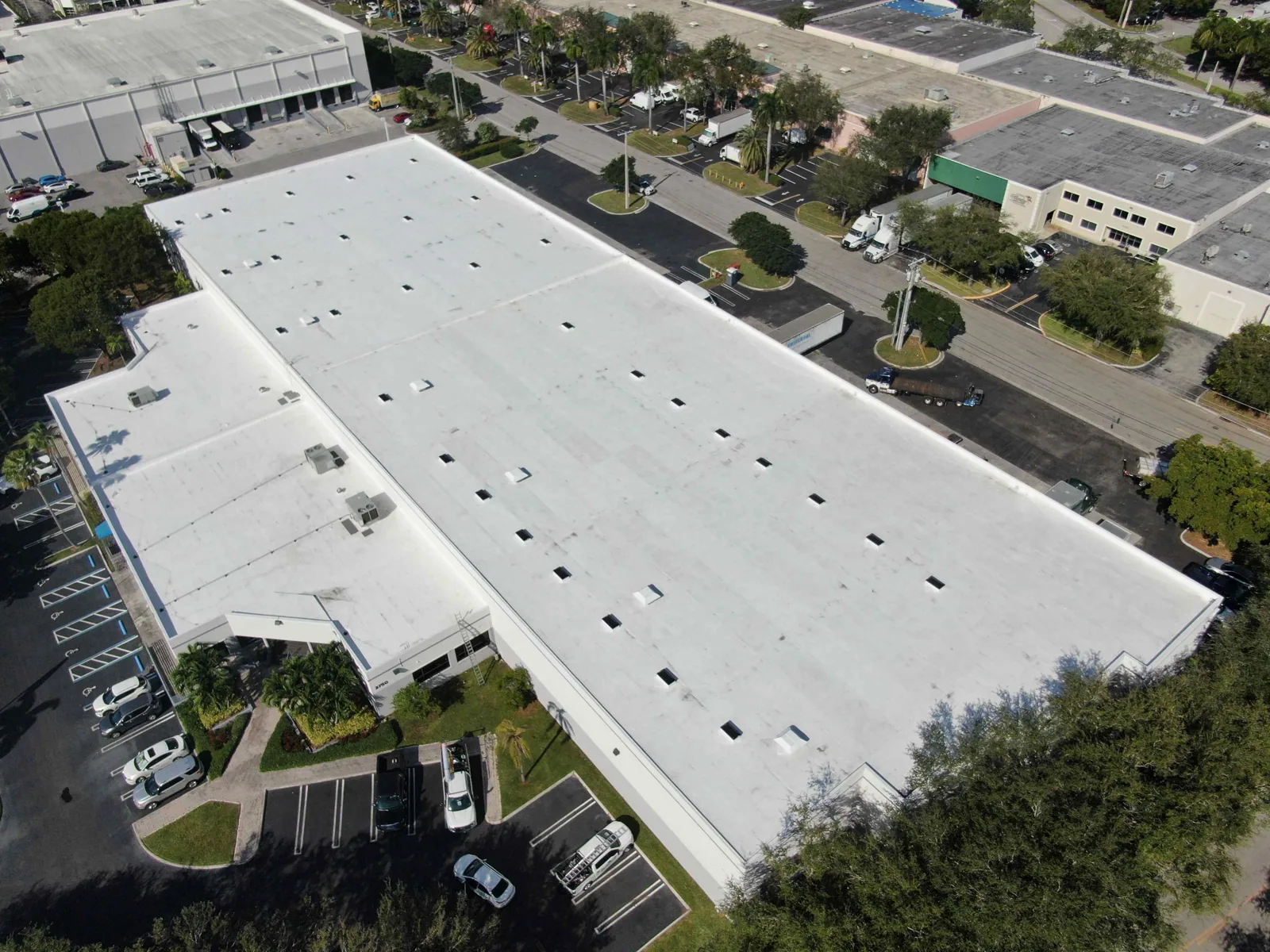
Orange's industrial districts include M1 light-industrial and M2 industrial-manufacturing uses. The Katella Avenue and Main Street area also combines warehouses, industrial buildings, restaurants and mixed-use activity. Access, equipment protection and delivery schedules can affect the work sequence in these settings. Our inspection documents the roof assembly separately from the building's operating constraints, then sets out the repair, moisture check or replacement option that fits the condition observed.
Separate RubberGard from UltraPly
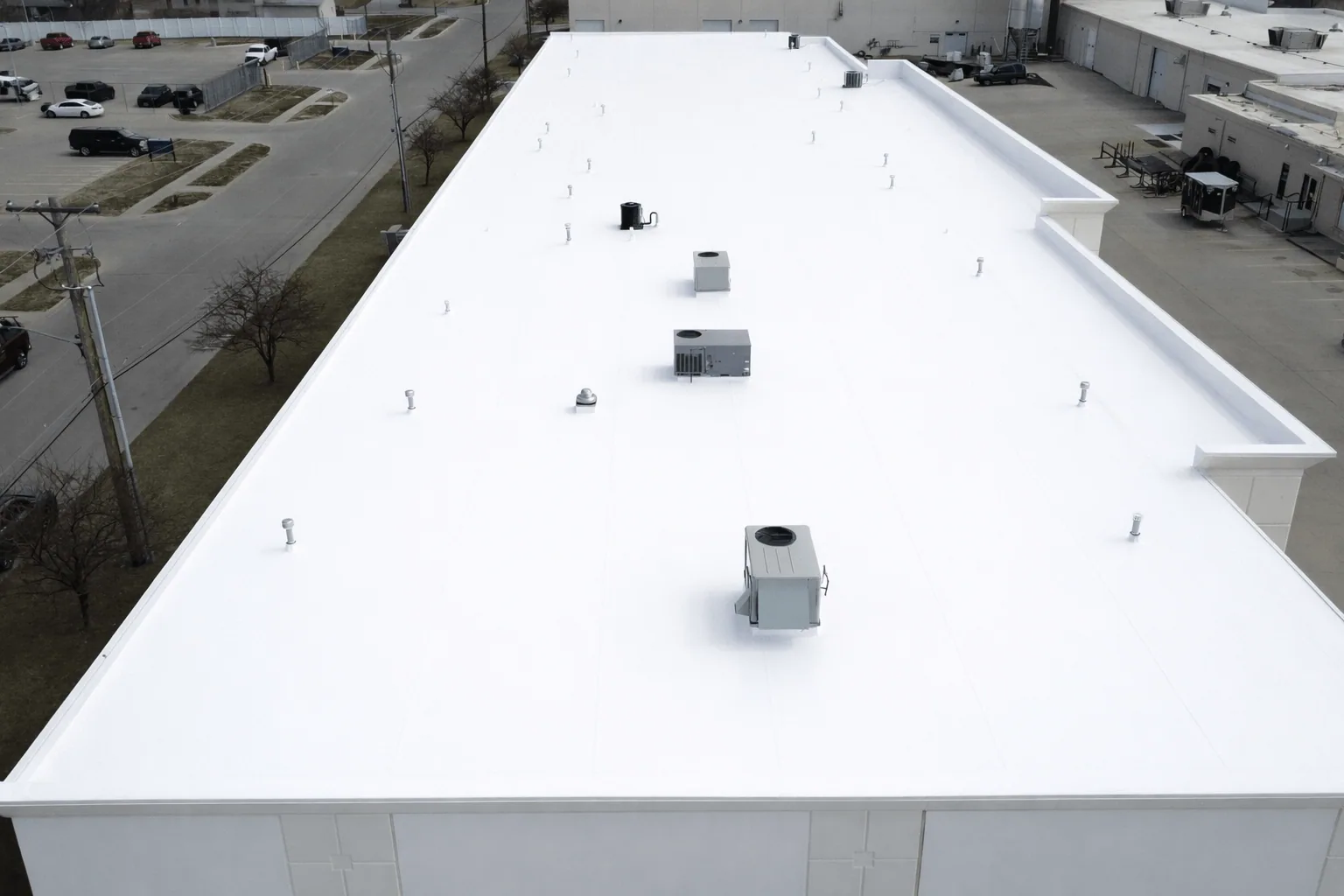
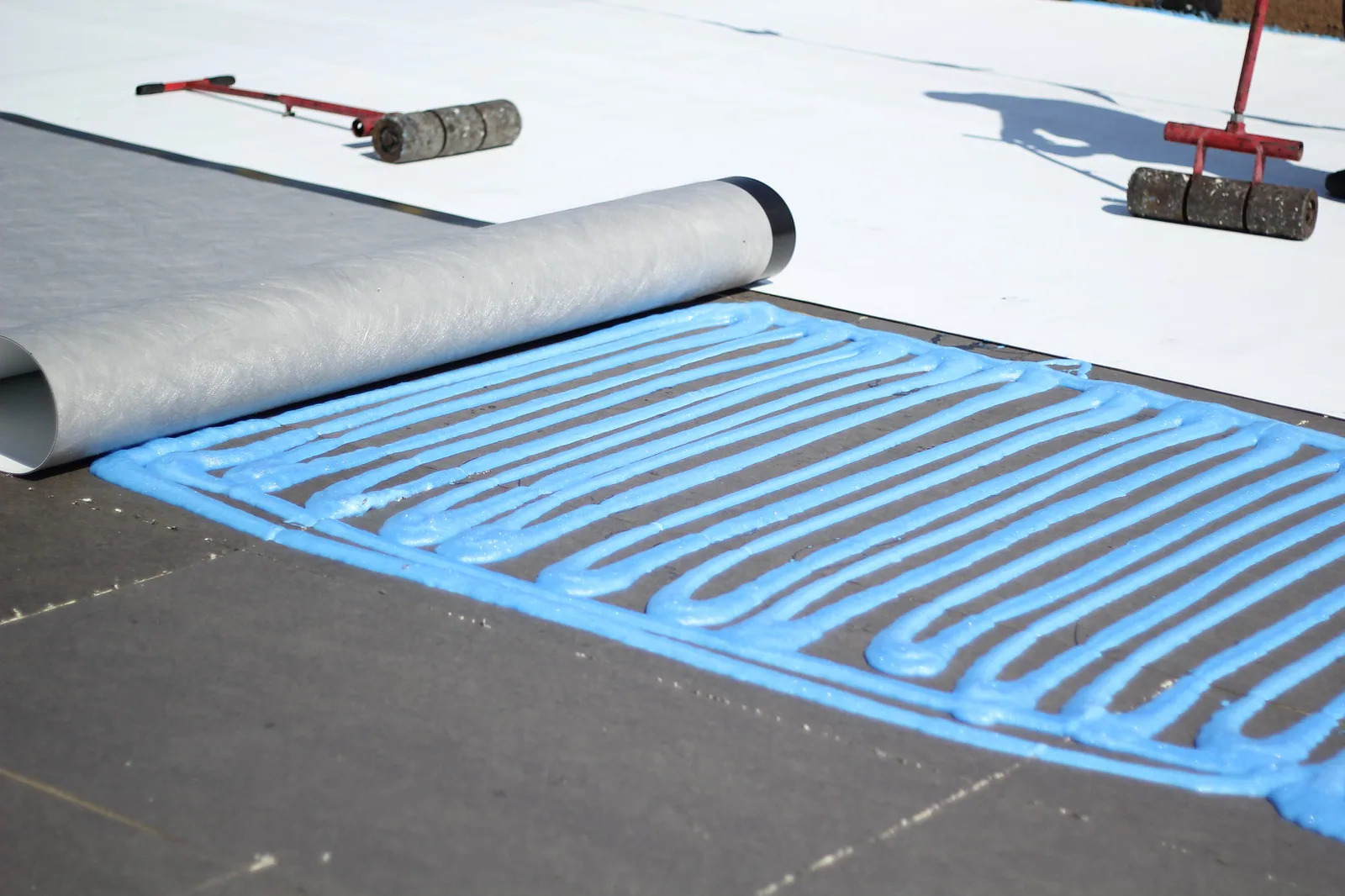
Holcim Elevate's product information lists RubberGard EPDM and UltraPly TPO as commercial roofing options, including TPO roof assemblies whose welds and perimeter details need material-specific inspection. EPDM is a synthetic rubber membrane; TPO is a thermoplastic sheet with heat-welded seams. A repair to one cannot simply be transferred to the other. We identify seams, markings and repair materials at representative roof areas, then compare those observations with available closeout records and specifications.
A roof can include a mix of original and later work, especially around additions or equipment curbs. We record each confirmed surface and transition so a patch does not cross onto incompatible material. If the membrane identity is unclear, we state what evidence would resolve it before specifying a system-specific detail. Owners comparing other product families can review Johns Manville roofing systems and Carlisle SynTec membranes after the installed roof has been identified.
Read the edge and field together
At the perimeter, we inspect metal cleats, fasteners, membrane termination, wall flashing and any changes in deck height. A lifted edge may come from loose metal, inadequate attachment, movement or a failure farther inward that is pulling on the termination. At the field, we look for open laps, punctures and repairs that no longer bond. We document which condition connects to the leak and which may be unrelated.
In the Anaheim station's 1991-2020 normals, the daily high reaches at least 90 F on 47.2 days per year, and the August average daily high is 88.8 F. The nearby heat normals frame exposure; the installed membrane, substrate and current conditions guide repair choices. They make heat exposure a sensible inspection consideration for membrane aging, adhesive work and crew timing. We judge actual flexibility and bond on the roof and follow the selected system's installation requirements rather than infer failure from climate alone.
Trace drainage before sealing a seam
Water that remains near an outlet can keep a repair area wet or expose a low spot that no seam patch can correct. We check strainers, sumps, drain bowls, overflow paths and the surface around equipment. A blocked drain, settled insulation and an altered deck each call for different work. We note standing water alongside slope and layer observations, then decide whether a drain correction or a broader moisture check belongs in the scope.
When a leak shows up inside, we compare the interior location with roof conditions above and along the likely water route. Water may travel under a membrane before it appears at a ceiling or wall. A marked test area or moisture survey can help decide where to open the assembly. Our drain and scupper assessment and roof condition report keep drainage findings, readings and repair boundaries together for the building team.
Make the curb and wall transition continuous
An EPDM or TPO field can be serviceable while a curb flashing, corner or pipe boot has opened. These details experience movement, water concentration and contact with other trades. We inspect the membrane return, termination, counterflashing and any exposed fasteners. A correct repair restores a continuous path to shed water and leaves enough sound material for a compatible connection.
Equipment replacement can disturb the membrane where rails, conduits or service access cross the roof. We check for unsealed cuts and compressions before closing the surface. If the work includes a new curb, the height, support and tie-in must be established before flashing is fabricated. Our penetration flashing service details the affected opening and how the membrane meets the curb or sleeve. A closeout image should show the whole detail and a tighter view of its seam.
Decide whether a repair can stand alone
An isolated cut in a sound, dry membrane can often be repaired locally. Several openings, repeated water entry, soft insulation or edge movement in multiple places can indicate a wider condition. We compare field condition, attachment, moisture, drainage and prior repairs. A recover should be considered only after the existing layers and wet areas are evaluated; a new surface cannot correct concealed damage beneath it.
The resulting recommendation separates immediate water control from long-range roof work. We show the owner what should be repaired now, what requires more investigation and what can be monitored. A replacement review can compare removal, recover and phased work when the assembly supports those choices. For project needs that include records or a maintenance cycle, preventive roof maintenance can keep drain and flashing observations connected to the same building history.
Plan the work around active operations
Katella Avenue's commercial and mixed-use corridor sits beside industrial districts, with warehouses and general-industry buildings near Main Street. For an occupied facility there, a repair plan may need to work around receiving lanes, production hours, restaurant access or customer paths. Those details influence where materials are staged and how the area below is protected, but they do not change what membrane is installed. We confirm the contact, roof access and operating window before setting a mobilization sequence.
Old Towne Orange has retail and dining businesses among historic structures. A roof repair serving an occupied property in that setting may need careful debris control and a clear route that avoids storefront activity. We coordinate with the property contact and describe any interruption before work begins. Once complete, the record lists the system identified, repair location, materials and any area where access limited inspection, so the next visit can compare the same detail.
Questions About Holcim Elevate Commercial Roofing
How can you tell whether a Holcim Elevate roof is EPDM or TPO?
We compare membrane markings, seam construction, repair materials and project records. If a later membrane covers the original sheet, we identify the areas that can be confirmed and recommend a test opening only where it will change the repair decision. That opening can establish the lower layer and show whether the new scope should stop at the surface or include underlying material.
Does an edge leak mean the whole roof is failing?
A leak at the perimeter calls for a closer look at termination, metal, attachment and nearby membrane. We inspect whether the failure stays at that detail or continues into the field before recommending a local correction or larger scope.
When should wet insulation be removed?
Removal depends on the extent and location of moisture, the condition of adjacent layers and the proposed assembly. We verify suspect areas and map the boundary so the repair does not leave known wet material beneath a new surface.
How do you limit disruption during an Orange roof repair?
We coordinate access, staging and protection with the building contact. The schedule can account for deliveries, production or public activity while the roof scope stays tied to the failed membrane detail.
Related Roofing Work
Review the Holcim Elevate roof condition
Share the Orange property location, any roof records, the area of water entry and operating limits. We will identify the visible system and explain the work boundary. Call 555-555-5555 or request a roof assessment.