Commercial Roofing in Seal Beach, CA
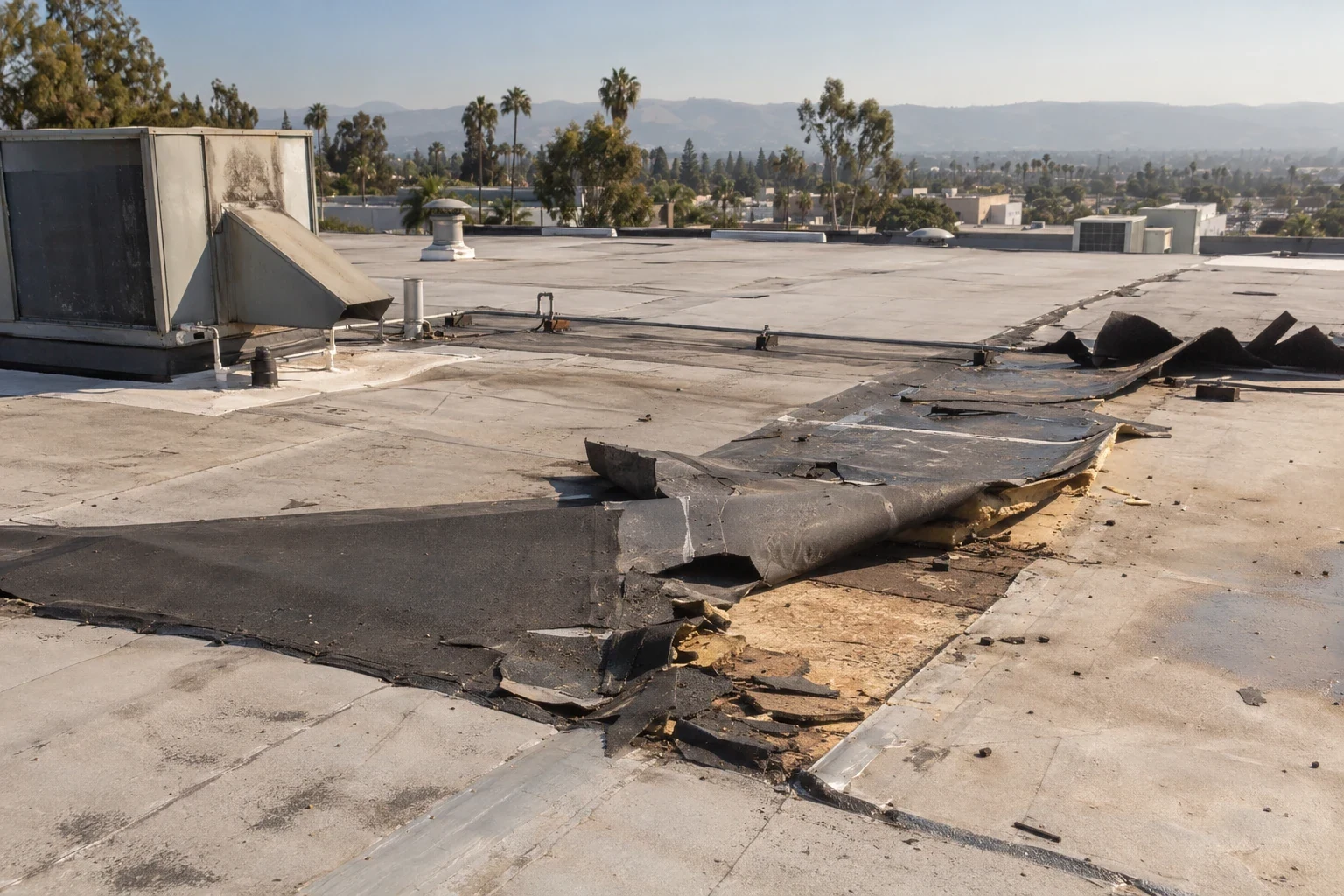
A loose termination along a metal edge can leave a gap beneath the cap even when the membrane field appears intact. In Seal Beach, CA, we inspect the exposed edge, attachment, and adjoining roof section before defining a repair. Boeing operates a major facility in the city that originally supported Saturn V manufacturing. Naval Weapons Station Seal Beach carries out weapons storage, loading, and maintenance functions; the installation borders Interstate 405 and State Route 22 to its north. The city includes both industrial and military operations, each with distinct roofing and access considerations. For a commercial property, we verify the installed assembly and work conditions with its owner before planning a repair. A commercial roof inspection catalogs visible failures and marks any location where opening the assembly would affect removal limits.
Inspect the edge connection
At metal coping or perimeter flashing, we check joints, cleats, fasteners, and the membrane termination beneath the cap. If one section has lifted, we examine the substrate and adjacent details for movement or water entry. At a curb or pipe penetration, the inspection follows flashing around each corner and checks the seam where it meets the main roof. A photograph shows the visible release; a close inspection determines whether nearby material can provide a secure tie-in.
For an industrial or controlled-access roof, we confirm the inspection route, operating schedule and protection needs with the authorized site representative. If wind has moved an edge component, a wind damage inspection checks the connection and the water-shedding detail beneath it.
Trace entry across the roof
Water can travel under a membrane or along a deck before reaching the ceiling mark. We inspect the roof above the reported room and follow nearby seams, drains, curbs, and wall transitions. If the opening sits near the edge, we check whether water passed under coping or entered at the termination. A drain restriction can hold water against that same joint. We record each confirmed condition and distinguish it from a nearby detail that merely deserves monitoring.
The property contact identifies the building and roof zone. We compare those details with the reported water path and note nearby conditions that could admit water. Commercial leak repair can address active entry after we know which seam or transition has released. Emergency response is available at any hour when a leak is actively affecting the building.
Verify moisture beneath the surface
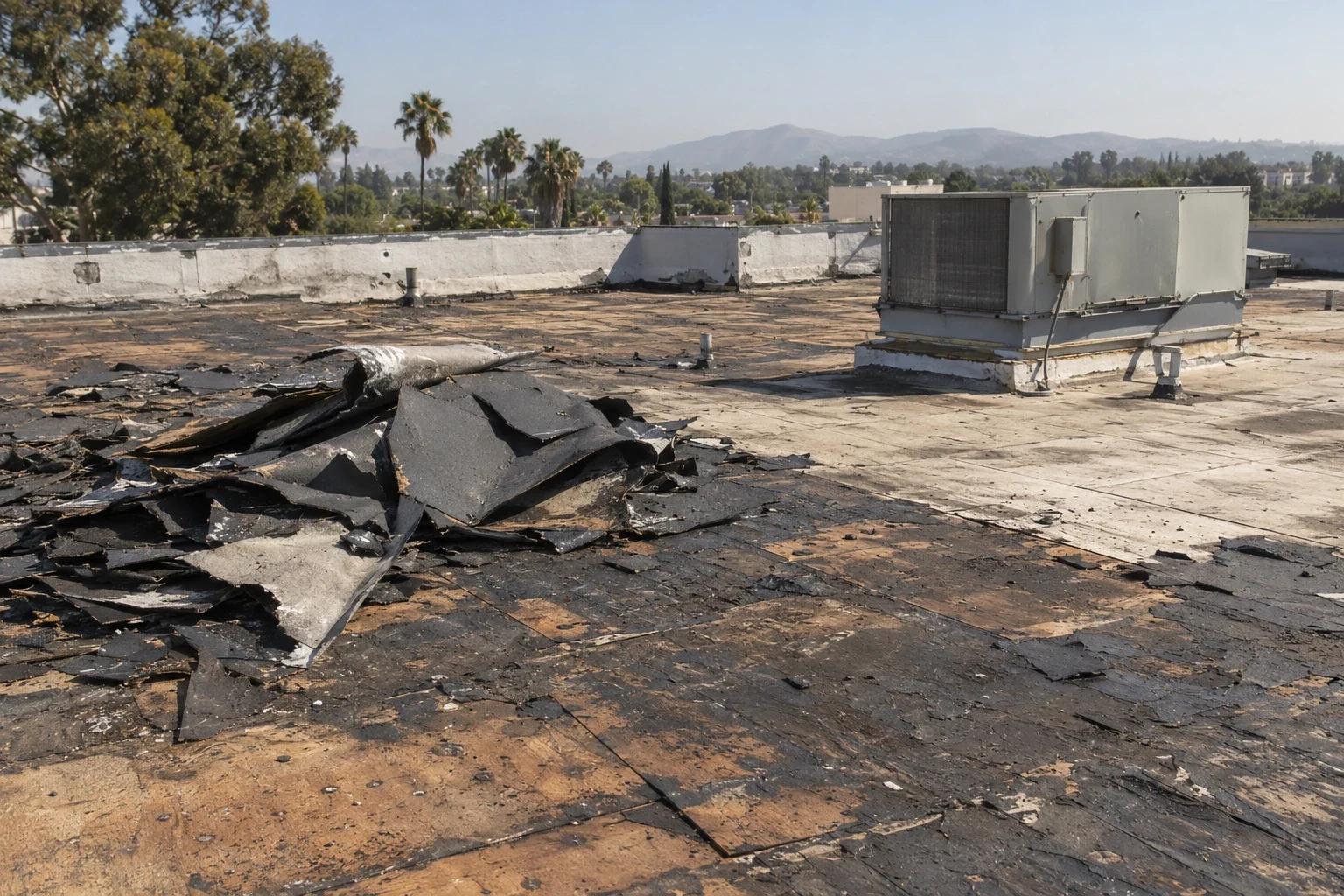
A soft spot or recurring leak can justify a measured opening if the layer condition will change the repair. We select a test point from the observed path, expose the insulation and deck, and record what is present. A dry, stable assembly may permit a narrower tie-in. Wet insulation or a damaged deck requires a different scope. We photograph the opening and close it with compatible materials. The owner receives the tested location and findings, rather than a generalized claim about the rest of the roof.
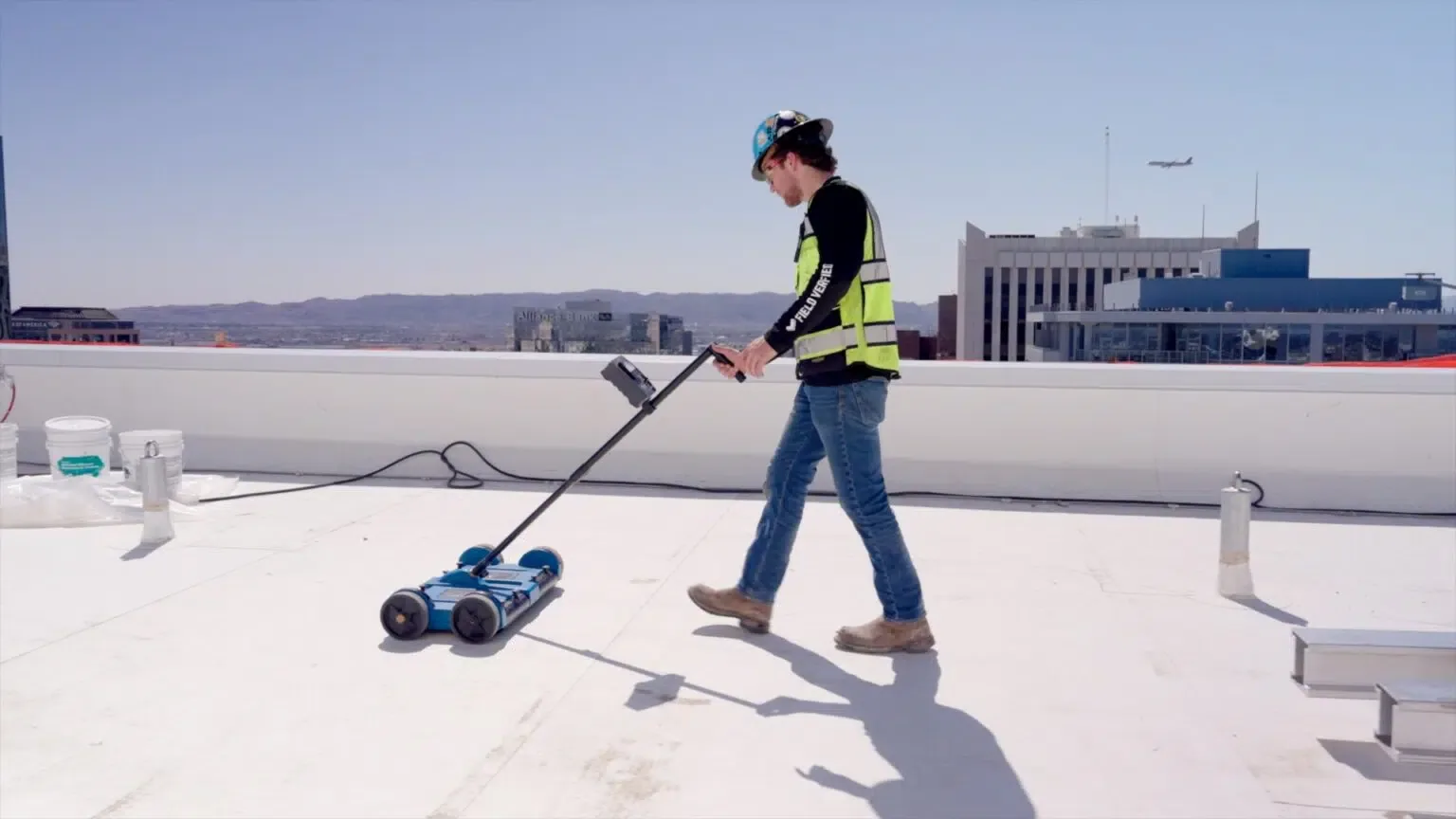
On a larger surface, moisture screening may help select direct-check areas. Readings are affected by the roof's materials and conditions during the scan, so they remain leads until verified where needed. We compare the pattern with roof plans, leak history, and visible defects. An infrared moisture survey can prioritize test points when its report keeps suspected areas separate from confirmed wet layers. If the scan does not explain the leak path, we inspect the actual transition and consider another test before widening removal.
Set repair and replacement choices
A repair scope should identify the failed edge, seam, or penetration, the preparation area, and the materials needed to restore the connection. If only one detail has opened and surrounding layers remain stable, localized work may be sufficient. Repeated edge release, widespread moisture, or a deck condition that will not hold a repair can support a replacement comparison. We explain which observations lead to each option and where concealed conditions still need confirmation.
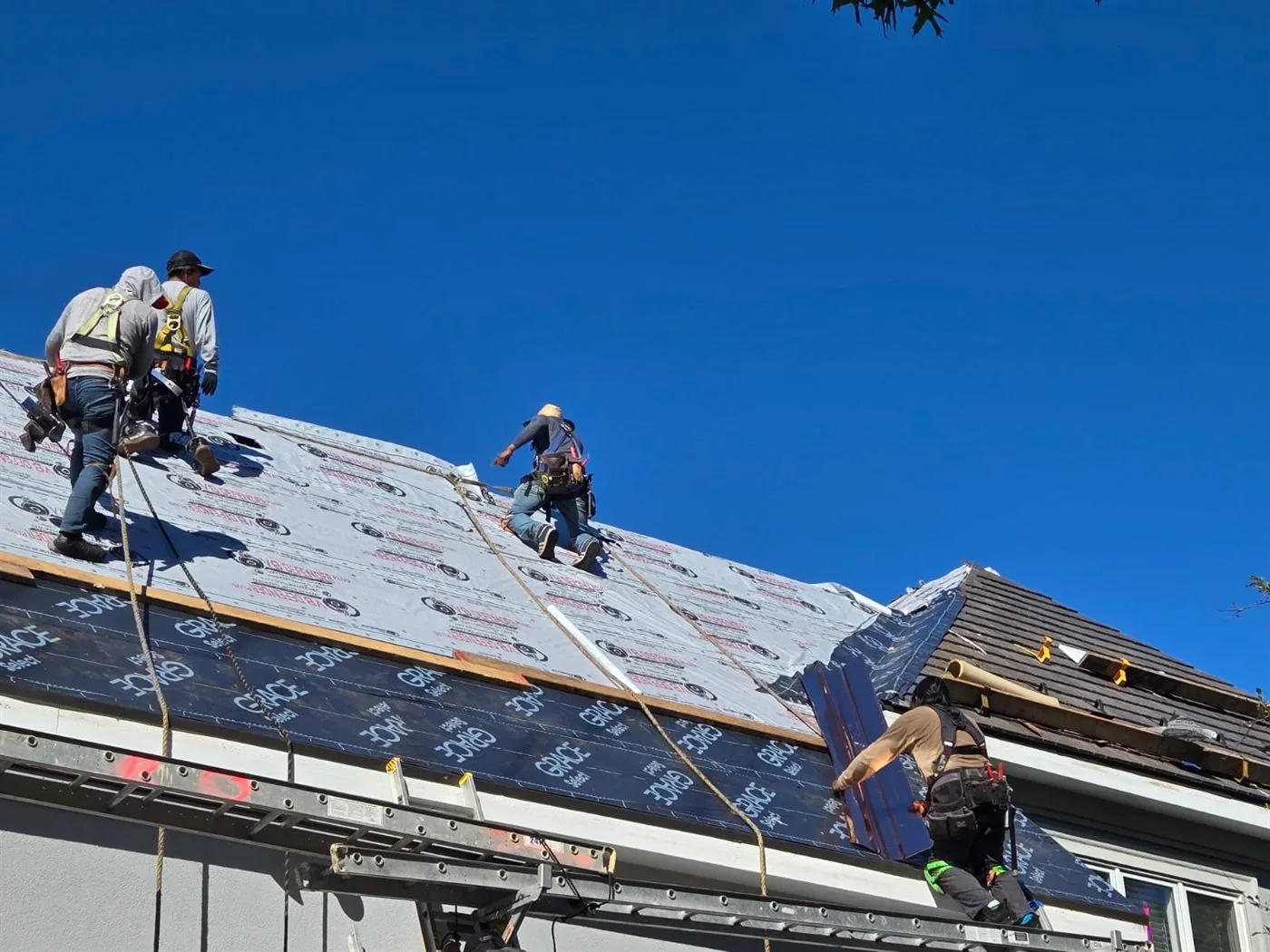
Replacement planning reviews layers, attachment, drainage, perimeter metal, equipment, access, material removal, and protection below. A recover is considered only if moisture, structure, drainage, and applicable requirements support another layer. We confirm the building's roof assembly and project requirements during inspection before recommending another layer. Replacement planning can include work phasing where the property needs continued operation. A condition report with photographs can give an owner a clear record of verified damage and remaining choices.
Plan access before opening the roof
Before repair, we confirm the route for moving equipment and material, rooms below the work, and any property-specific access controls. On occupied commercial buildings, the owner may need to protect an entrance, coordinate rooftop equipment, or limit noisy tasks to a certain window. If the work involves a temporary opening, we agree on the protection needed if weather or another condition pauses the repair. Those steps come from the building contact and the roof layout.
Southern California Santa Ana winds can damage roof edges and exposed components. After a reported event, we inspect coping, edge metal, screens, and membrane attachment, then check for a tear or open joint beneath any displaced item. Replacing visible metal without restoring the membrane termination can leave water a path inside. Edge metal and coping work can correct a documented connection problem when the surrounding roof supports the repair. For a broader portfolio, work sequence and access affect timing, but we state those requirements after inspecting the actual site.
Record what was found
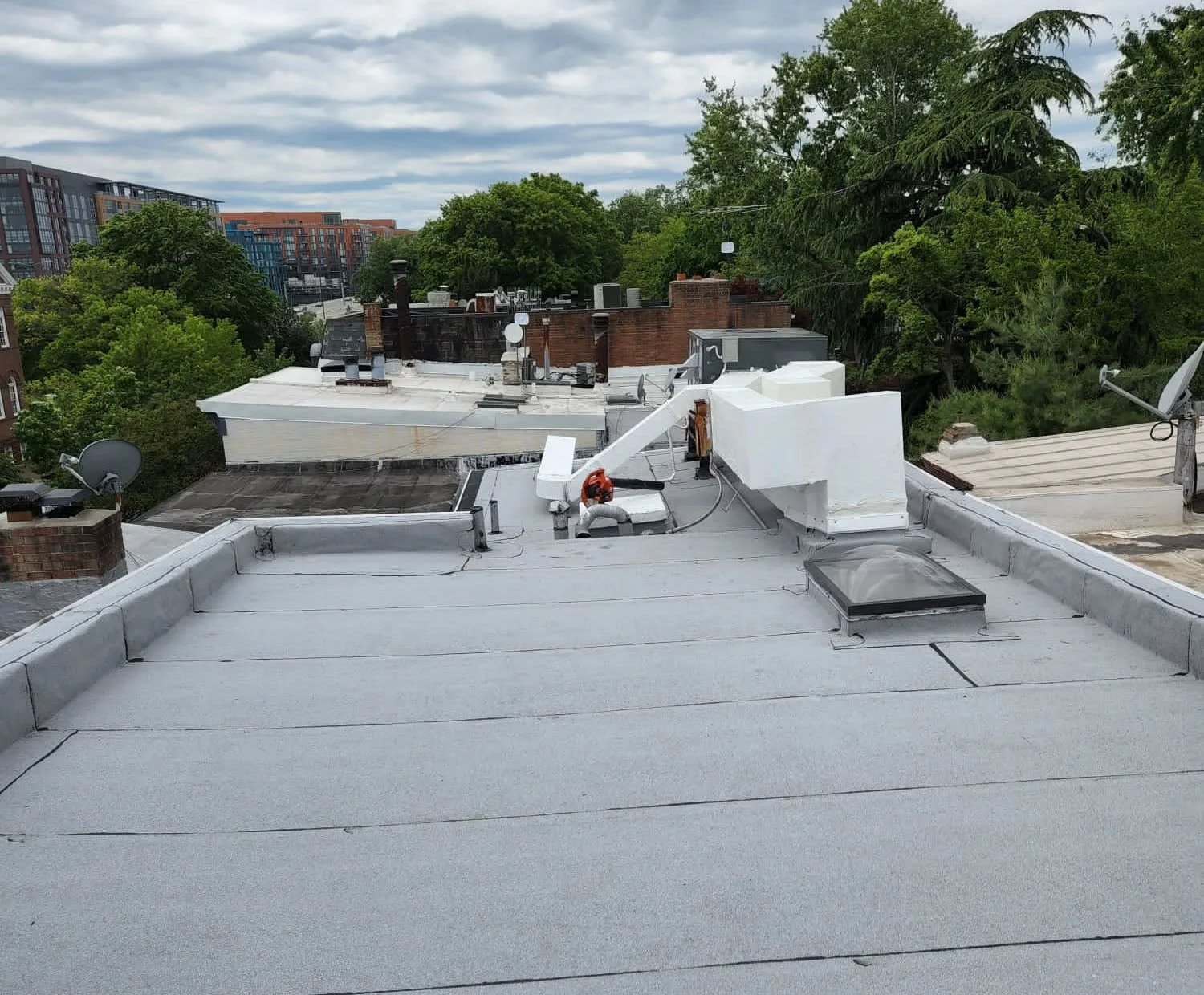
We identify the roof zone, the failed detail, material used, and any layer condition exposed during the repair. Before-and-after photographs show the repair boundary. If another issue remains outside the authorized work, it is recorded separately with its location and recommended next action. The owner can then distinguish completed repairs from items still requiring a decision.
A follow-up inspection can revisit the edge, seam, or drain and compare its condition with the earlier work record. Preventive maintenance can track those details and identify new changes. Property teams with buildings in Huntington Beach or Newport Beach can use a consistent report structure while keeping the evidence tied to each roof. A portfolio that also includes Orange can use the same distinction between completed work and open findings. Each new recommendation is based on the findings from that roof walk.
Questions About Seal Beach
How are roof inspections coordinated at properties with controlled access?
The property representative sets the approved access route, escort requirements, and operating windows. We confirm those arrangements before the roof walk and identify any limits on photography, staging, or work areas. The inspection and resulting scope follow the conditions that the representative authorizes us to review.
What information helps plan access for an industrial roof inspection?
A property contact can identify the correct entrance, any site-control steps, and the roof access point. We also need to know which rooms or operations sit below the work. Those details allow us to plan inspection and protection around the actual building.
What does an edge-metal inspection include after wind?
We check the cap, joints, cleats, fasteners, substrate, and membrane termination below the metal. A displaced piece can pull open a second detail or leave a gap at the roof edge. Photographs and measurements show what moved and where the tie-in can reach secure material.
When does a Seal Beach roof need a test opening?
A test opening is useful when confirming insulation or deck condition could change the repair size. We choose a location based on the leak path, measure and photograph the cut, and close it with compatible components. If surface inspection already establishes a sound tie-in area, a test may not add useful information.
Related Roofing Work

Review a Seal Beach roof condition
Share the property location, water-entry area, and any access or operating constraints. We will inspect the assembly, document what is confirmed, and explain repair choices. Call 555-555-5555 or request a roof assessment.