
Duro-Last Commercial Roofing in Orange, CA
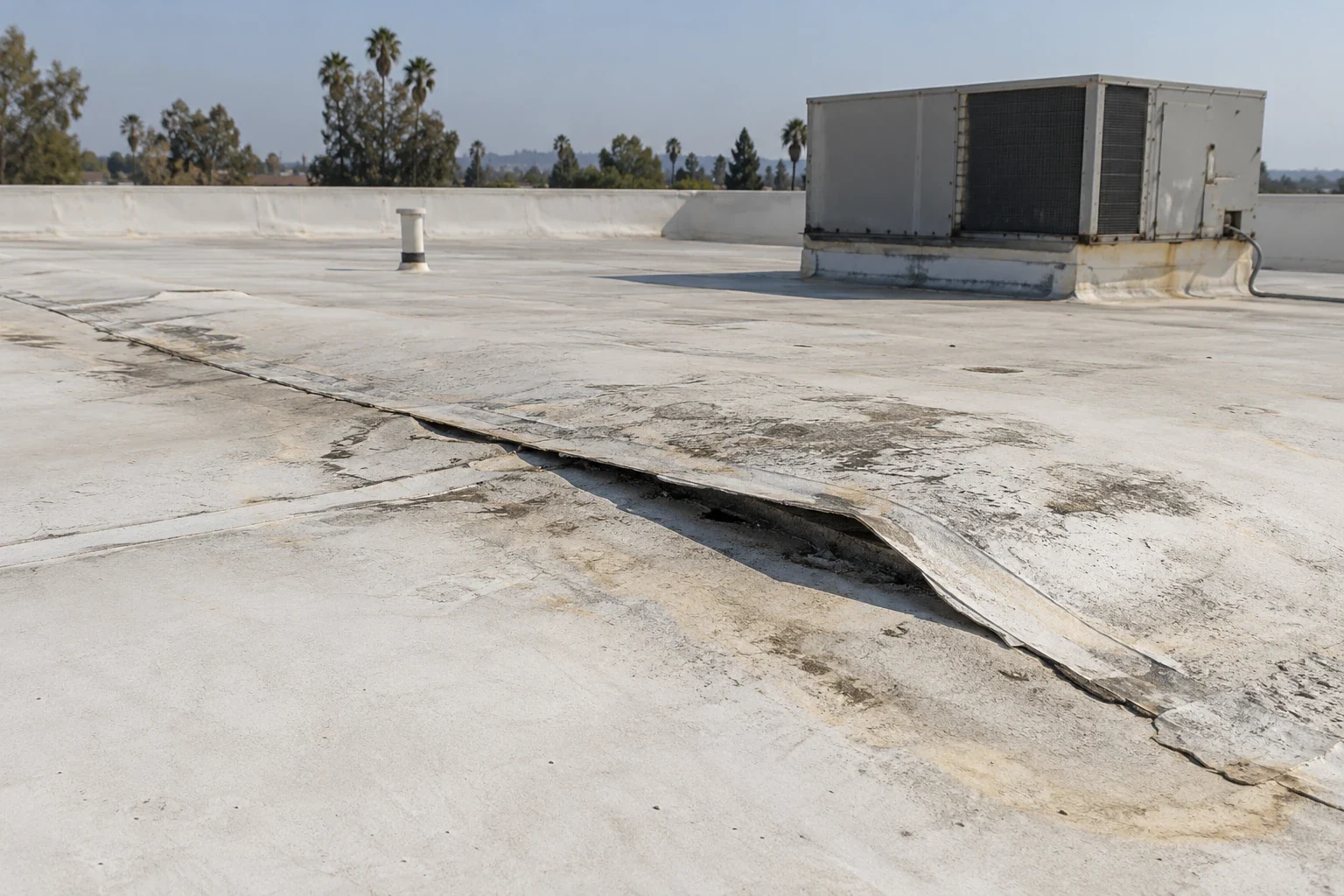
A split where the field sheet meets a curb can leak even when the larger membrane looks clean. We inspect that transition and identify whether the roof is a Duro-Last PVC system before selecting a repair. The manufacturer describes its system as custom fabricated with PVC membrane sheets and accessories designed to fit roof details. On an Orange, CA property, we check what was delivered, what was field welded and whether later trade work disturbed the assembly.
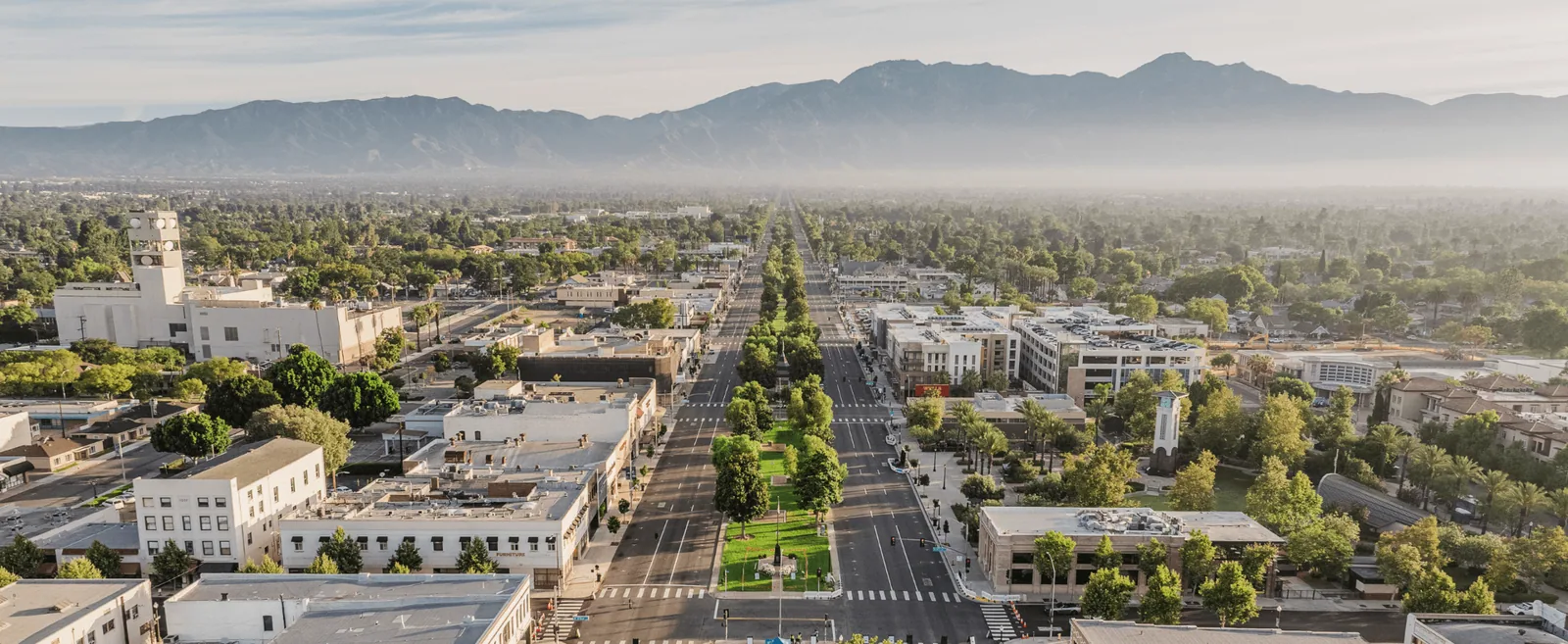
Orange includes light-industrial and manufacturing uses, while the Katella Avenue and Main Street corridor brings warehouses, general industrial buildings, restaurants and mixed-use activity. Each property can have different roof access and operations below. Our assessment separates those constraints from the membrane condition, then explains the repair area, protection plan and any concealed roof question that could change the scope.
Compare the field roof with the prepared details
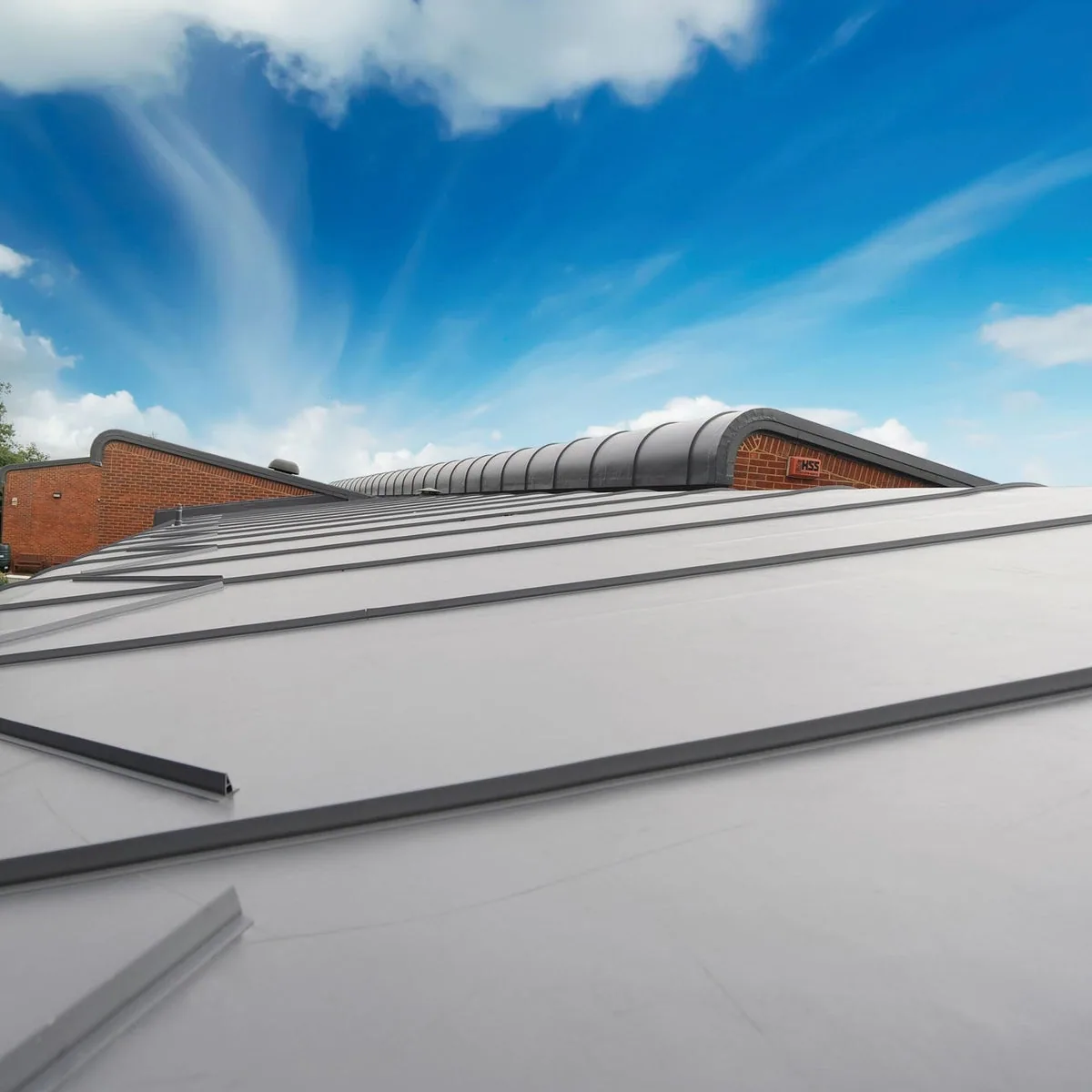
Duro-Last describes its commercial roofing system as custom fabricated with PVC deck sheets, accessories and details. Factory preparation can reduce the amount of detail fabrication performed on the roof, but each field connection still needs inspection. We compare the installed layout with available shop drawings or project records, then check the actual seam, curb, drain and perimeter metal. A delivered component does not prove that the final tie-in is sound.
We look for cuts, wrinkles, incomplete welds and movement where factory-made pieces meet field membrane. If a detail has been changed during equipment work, we map the alteration and determine whether the repair can connect to compatible sheet. A PVC membrane roof needs material-specific preparation, and the repair plan should describe the receiving surface before new material is set. For comparison, owners can review Sika Sarnafil PVC systems and GAF commercial membranes without assuming these products are part of the current assembly.
Inspect the weld from edge to edge
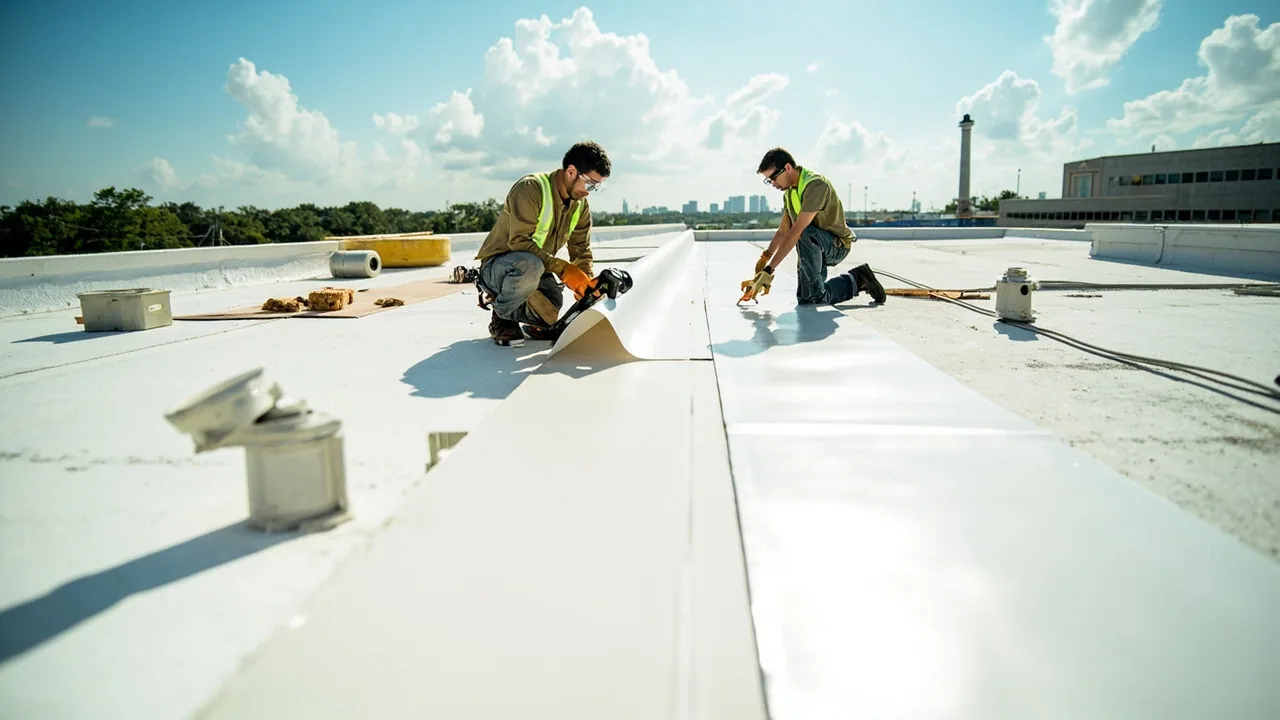
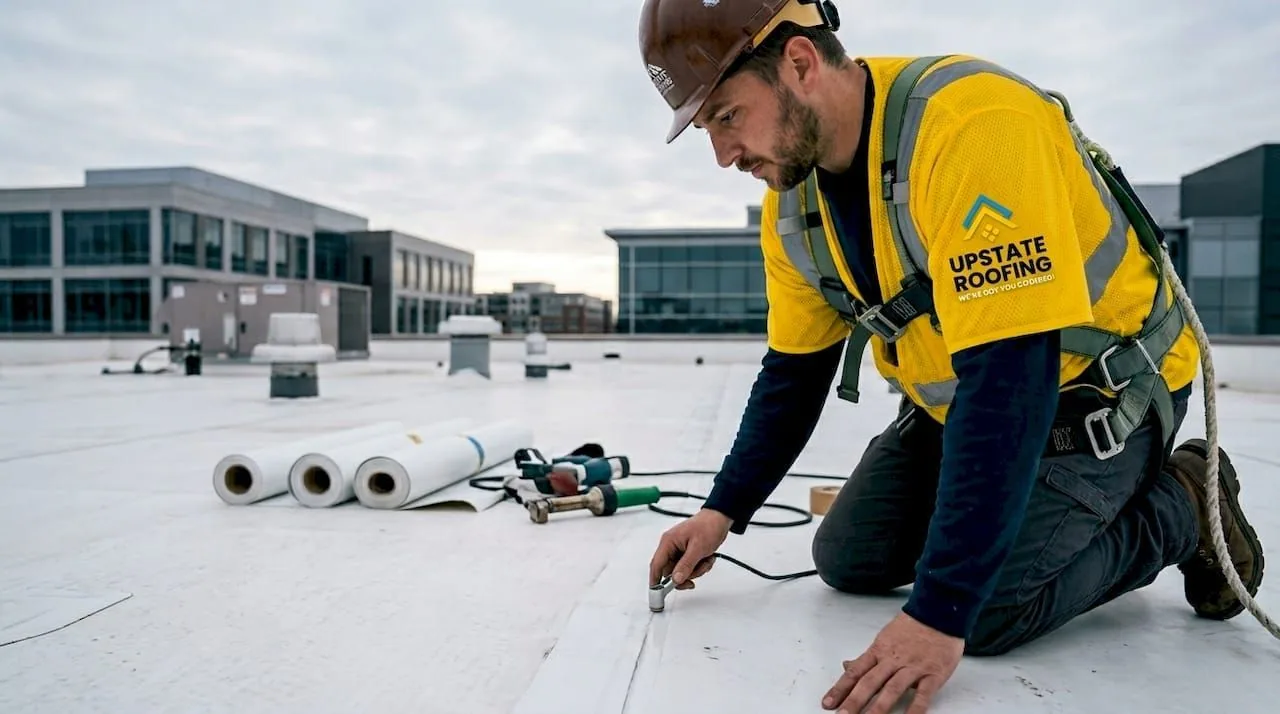
The membrane's welded laps form the continuous water-shedding surface. We check for separation, dirt in the bond, cuts or damage caused by repeated foot traffic. A probe along the seam can show where the edge has released, while a prepared test weld helps assess a repair surface. We continue the inspection past the obvious split because an opening may extend beneath a cover strip or into an adjacent flashing detail.
PVC repairs depend on compatible material and proper surface preparation. We remove loose or contaminated material as required, establish a lap over sound membrane and verify the finished weld across the full repaired area. At corners, drains and pipe penetrations, the geometry changes and the repair must remain continuous around that shape. If an opening recurs, we check attachment and movement before recommending another patch. Our seam failure repair records its endpoints and any nearby condition that could pull it open again.
Check penetrations and edge metal
Curbs, drains, skylights and conduit supports interrupt the broad membrane and require purpose-built flashing. We inspect corners and vertical returns, then follow the edge to termination bar, counterflashing or metal. A small gap can admit water behind the visible sheet, so we check how the new material will connect to the existing wall or equipment base. If the support itself moves, membrane replacement alone does not correct the cause.
Old Towne Orange includes retail and dining uses among historic structures. An occupied building can require a careful access route and protection of the space below the roof. We coordinate that work window with the property contact, then keep the repair sequence tied to one roof area at a time. For vulnerable junctions, edge metal and coping are described by the component being repaired, with a closeout photograph showing the finished connection.
Judge surface aging at the building
Orange's nearby weather reference comes from Anaheim: the typical August daily maximum averages 88.8 F; 90 F is reached on 47.2 days annually. The nearby Anaheim climate record helps frame local exposure, while inspection findings set the repair boundary. We inspect the actual membrane for brittleness, puncture, seam separation and surface change. Current temperature also affects safe access and how repair materials should be handled, so it informs scheduling rather than serving as a diagnosis.
After a reported wind event, we inspect edge securement, membrane terminations and exposed accessories before defining repair limits. After a reported event, we inspect perimeter sheets, edge metal, vents and rooftop equipment. Loose components and water entry are documented separately. A wind damage roof inspection identifies the affected section, repair priority and any temporary protection needed while permanent work is planned.
Keep water moving off the field
A Duro-Last field may be sound while a drain or overflow detail is restricted. We inspect the strainer, bowl, sump and surrounding membrane, then trace how the roof surface approaches the outlet. A low area, crushed insulation or blocked drain can leave water against a seam, which changes how that detail should be evaluated. We record water depth or limits of observation only when directly measured, not from a ceiling report alone.
Where a leak report continues after a past repair, we compare the roof conditions above it and check whether the water could travel beneath the membrane. Moisture readings or a test opening may be needed before the boundary is clear. A drain and scupper inspection with a condition report can identify the outlet, repair location, moisture findings and follow-up item in one record.
Choose the repair limit with the owner
A local repair can be appropriate when the sheet is intact around a single puncture or failed weld and the insulation beneath remains dry. Repeated openings, widespread seam problems or wet layers may call for a recover or replacement assessment. We compare moisture, membrane condition, attachment, drainage and prior repair history, then explain the scope and timing drivers. The recommendation distinguishes urgent water control from work that can be scheduled.
Orange applies a locally amended 2025 state building code tied to the 2024 International model. Project scope and permit filing date guide the building and energy review. We describe the intended roof scope for review and coordinate supporting records when needed. An inspection can document current condition; a roof recover should proceed only after the existing layers, attachment and moisture condition are understood.
Record what was repaired and what remains
At closeout, we identify the roof area, material installed, seam or flashing completed and preparation performed. Context and close-up photos let a facility manager return to the same curb, drain or perimeter later. We also state where access or a covering prevented inspection. That makes the repair record useful for the next maintenance visit and keeps a localized correction from being mistaken for a review of every concealed layer.
For Orange properties near Katella, warehouse access, dining activity or mixed-use operations may influence when a roof section can be isolated. We confirm the contact and protection requirements before work begins. If a test opening reveals a condition that changes the limit, we review it with the owner and update the documented scope. The handoff gives the next visit a clear starting point: the completed detail, any monitoring item and the condition that would trigger another inspection.
Questions About Duro-Last Commercial Roofing
Do factory-fabricated Duro-Last details eliminate all field seams?
No. The layout includes factory-prepared components and field connections. We inspect those tie-ins, the completed welds and any later alterations to determine whether the detail is continuous.
How do you repair a Duro-Last puncture?
We identify and prepare the compatible PVC surface, inspect the surrounding sheet and moisture condition, then weld a patch that reaches sound material. The cause and boundary of the opening determine whether more work is needed.
Can a coating go over an existing Duro-Last roof?
That depends on surface condition, compatibility, moisture, attachment and project requirements. We examine the assembly before recommending coating, repair or replacement so a new layer does not conceal an unresolved condition.
What will you need before visiting an Orange property?
The roof access contact, reported leak location, any available project records and operating limits help us plan. We confirm the actual assembly and work area in the field before defining repair materials.
Related Roofing Work
Review the Duro-Last roof
Share the Orange property location, available roof records, current leak area and access requirements. We will inspect the PVC assembly and explain the repair boundary. Call 555-555-5555 or request a roof assessment.