
Versico Commercial Roofing Systems in Orange, CA
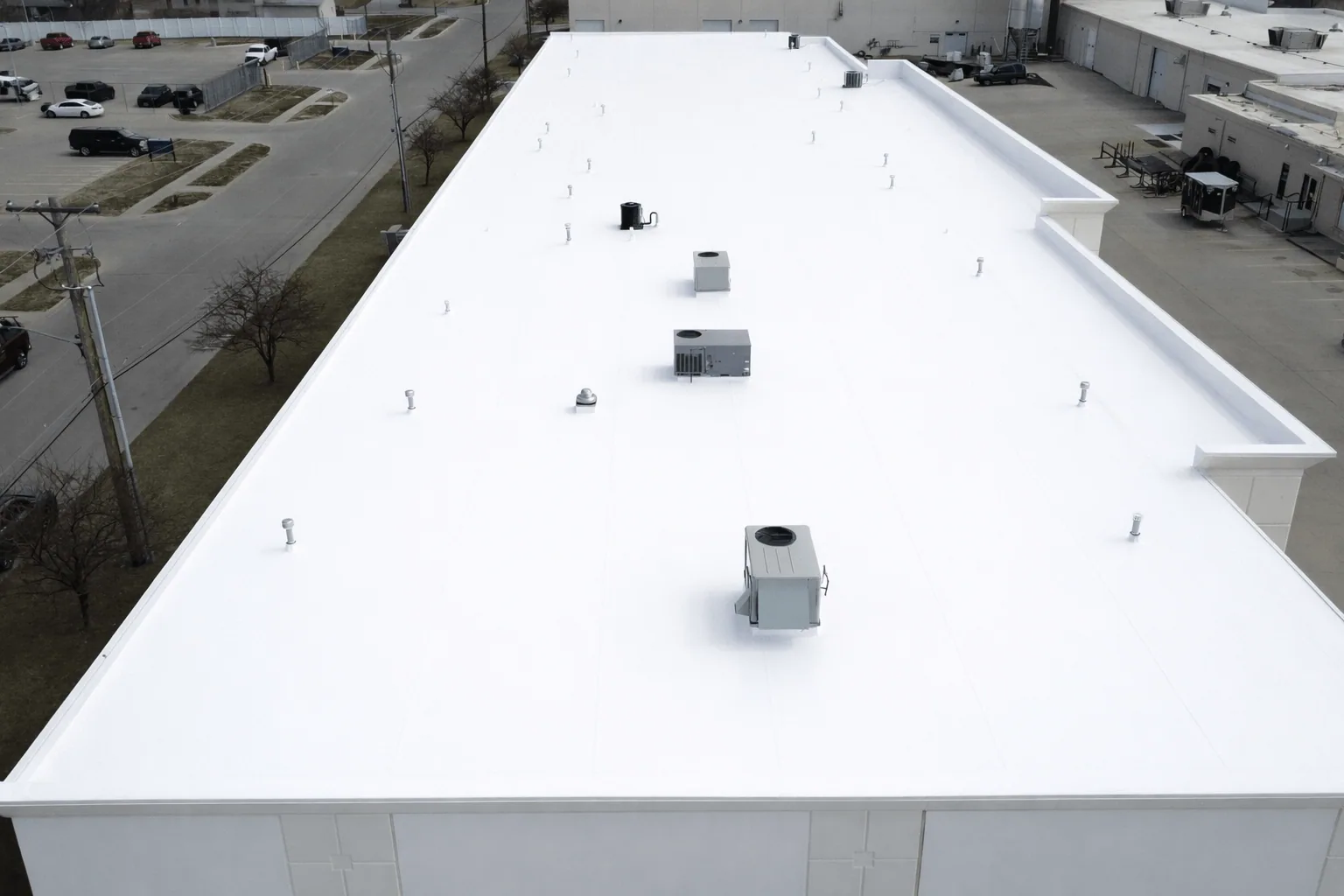
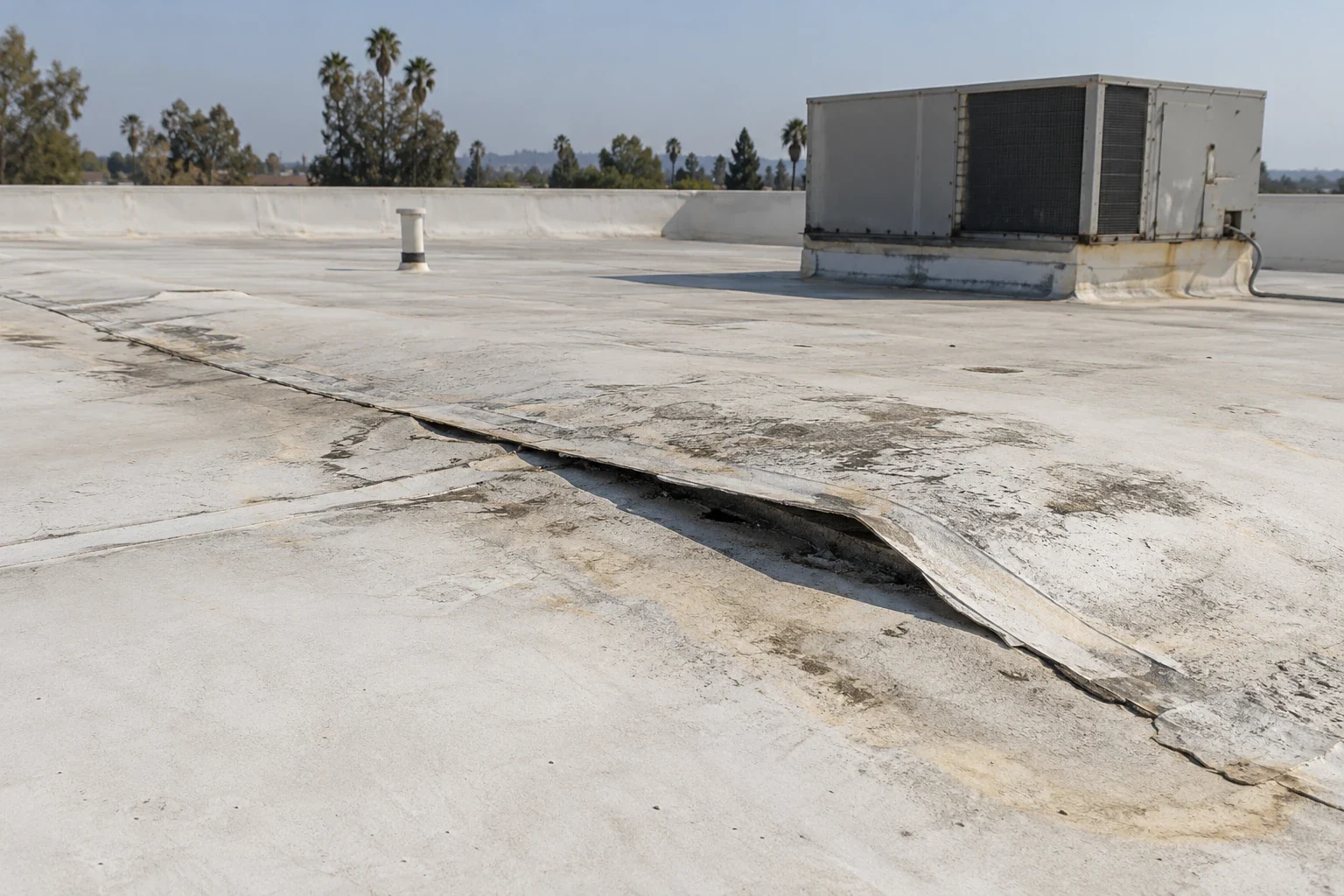
A blistered area beside an old walkway can come from trapped moisture, foot traffic or a weak bond. The roof needs a hands-on inspection before that surface gets cut or covered. Versico lists TPO, EPDM and PVC among its commercial membrane systems, and the repair changes with the material and attachment. Its TPO roofing is a thermoplastic sheet with a heat-welded seam. In Orange, CA, we identify the installed sheet, check the adjoining roof layers and mark where a compatible repair can reach sound material.
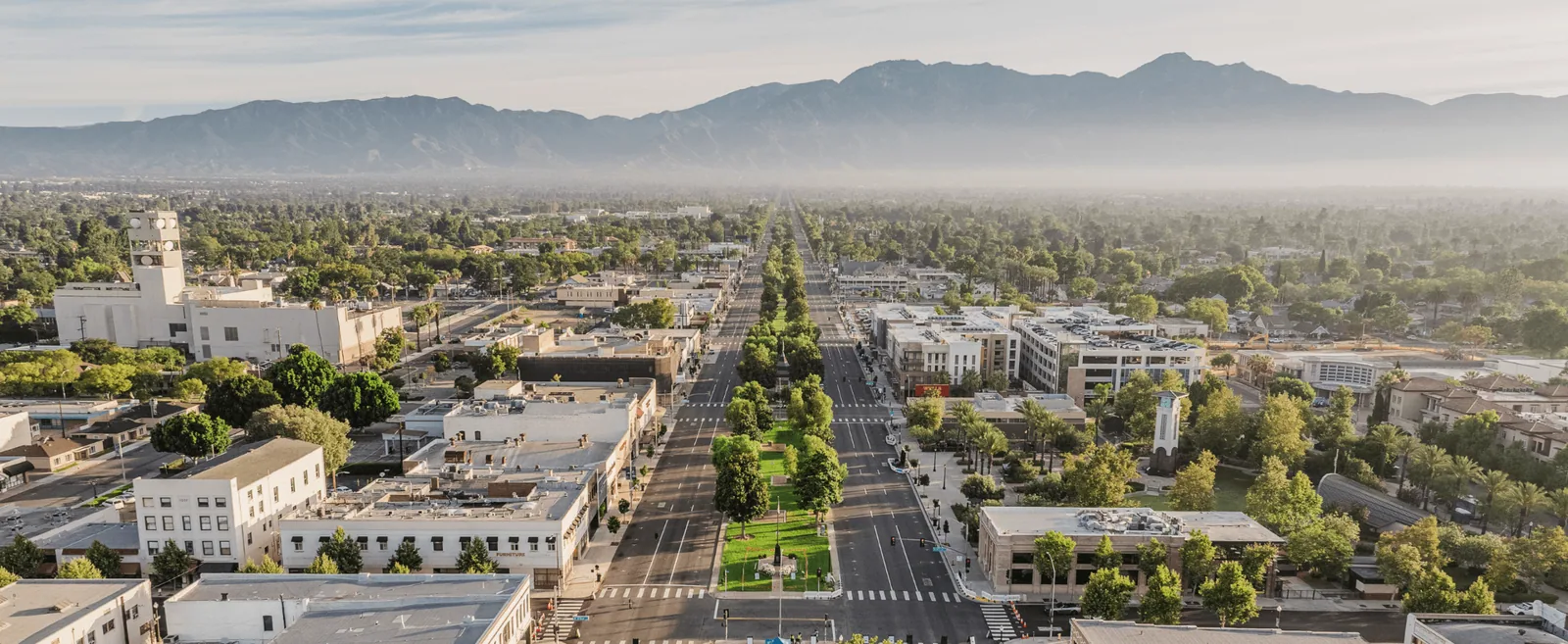
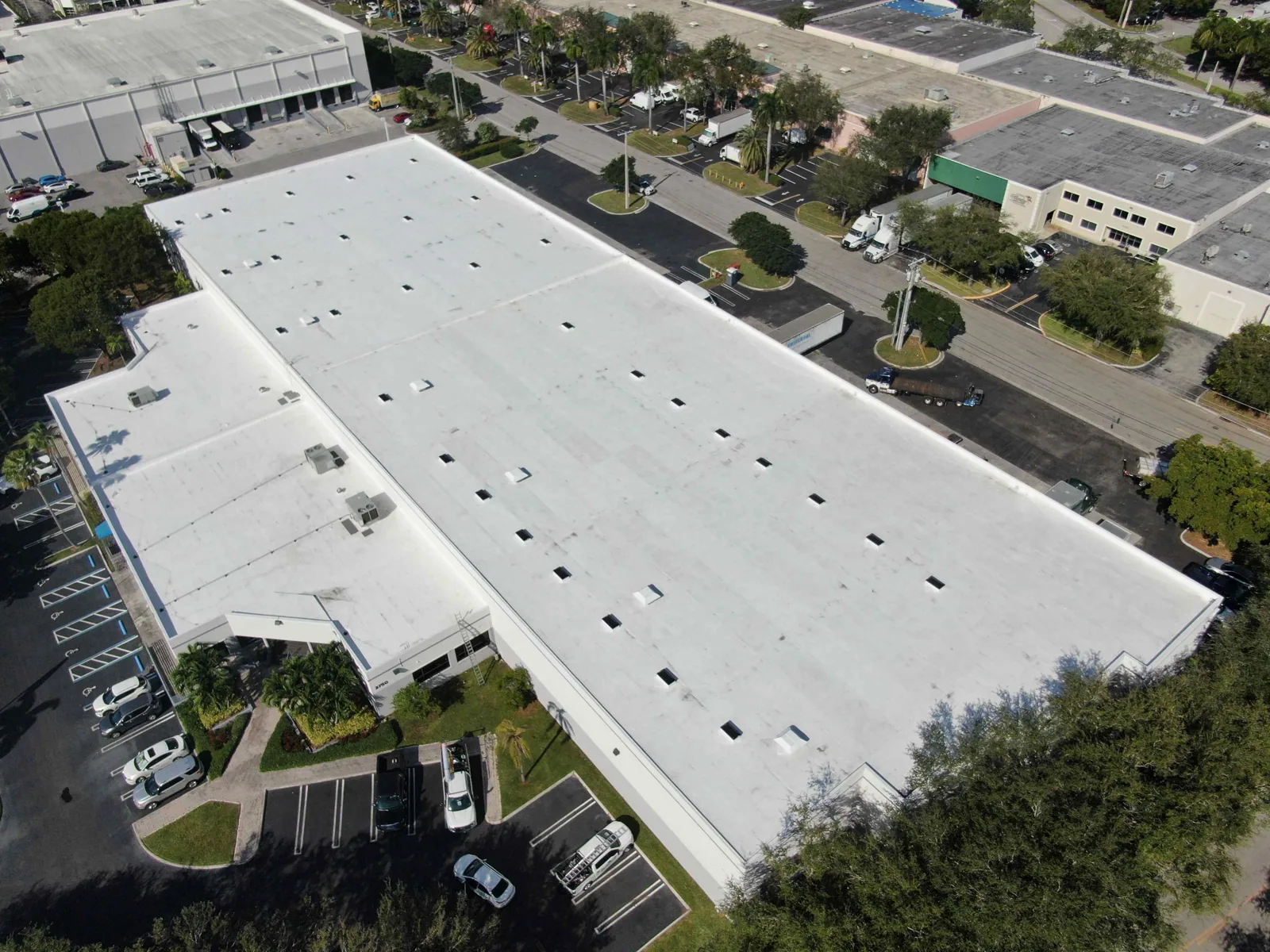
The Katella Avenue and Main Street area includes warehouses and general-industrial buildings alongside restaurants and mixed-use property. Roof access for these sites may intersect with equipment service, deliveries or public use below. We set an operating plan around the inspection without substituting access details for a roof diagnosis. Seam condition, attachment, penetrations and drainage determine the technical work, while the building schedule shapes staging and protection.
Confirm VersiWeld or VersiGard
VersiWeld is Versico's TPO product family, and VersiGard is its EPDM membrane line. These sheets use different seam-making and repair methods. A heat-welded thermoplastic seam cannot be repaired with a rubber-membrane tape, and an EPDM patch does not become compatible because its color resembles the roof. We compare visible markings and details with project records, then note if later coating or overlay obscures the original layer.
A roof with more than one system needs a mapped boundary at each transition. Around a curb or expansion joint, we check that flashing belongs to the sheet it contacts and is not bridging an unbonded edge. If the owner is considering adjacent brands, we can compare Carlisle SynTec membrane options and Johns Manville roof systems at the material level, while keeping the current roof's identity tied to evidence from that building.
Test the area where sheets join
A TPO seam is welded using heat, while an EPDM joint relies on compatible primer, adhesive or seam tape. We inspect the full lap, including the area under dirt or a previously installed cover strip. The visible opening may end before the actual separation does, so we probe the edge and follow it to bonded material. The result determines whether the repair can stop at that detail or must include a longer section.
Versico's product information describes its TPO membranes as heat- and UV-resistant and notes reinforced construction. We inspect the installed membrane, accessories, seams and transitions to identify the roof's actual condition. We check the sheet for punctures, abrasion and movement, then verify any new weld or seam bond after preparation. A seam failure repair should close the path without creating a sharp ridge that holds water or interferes with rooftop access.
Look beneath a moving membrane
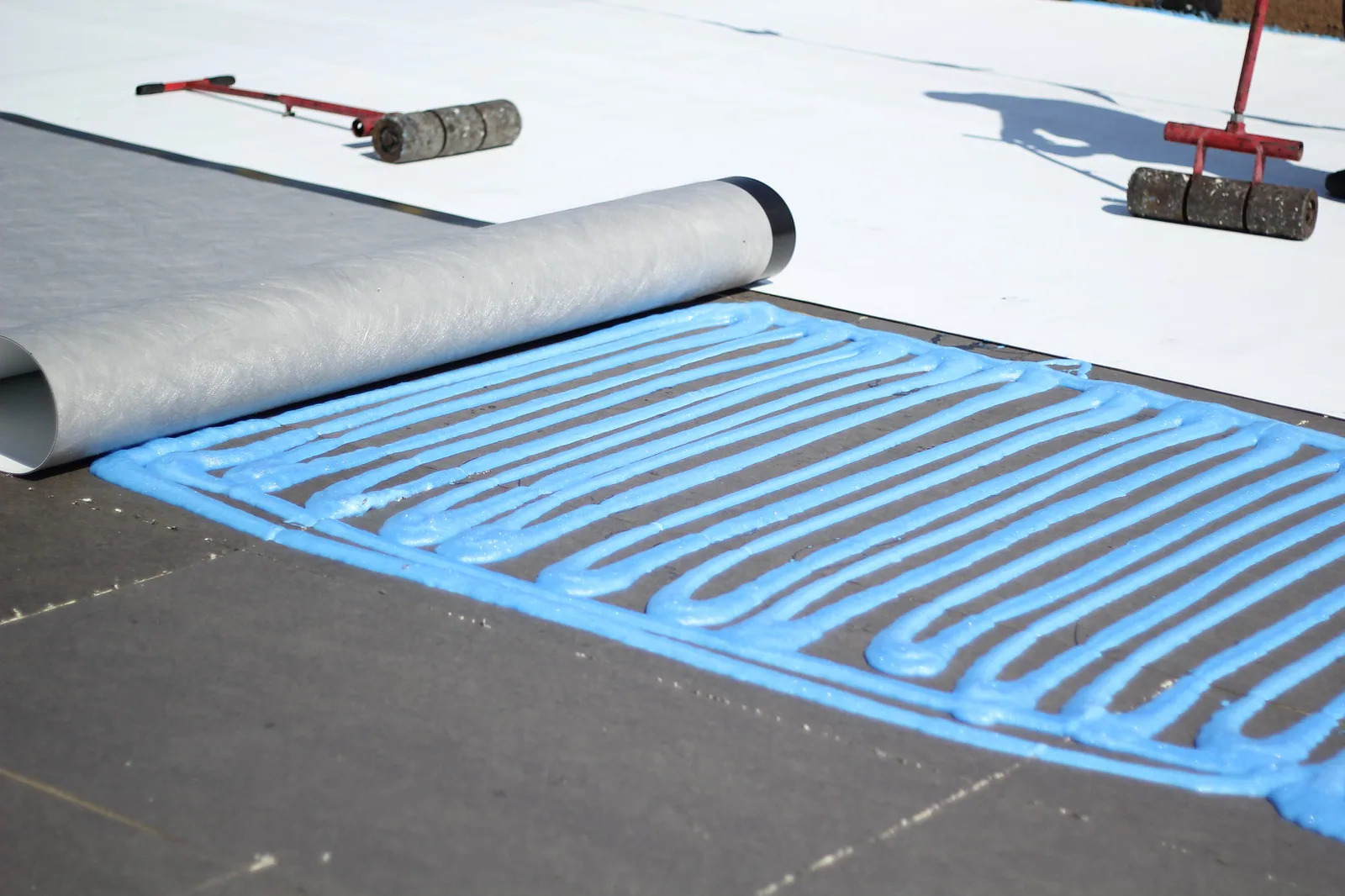
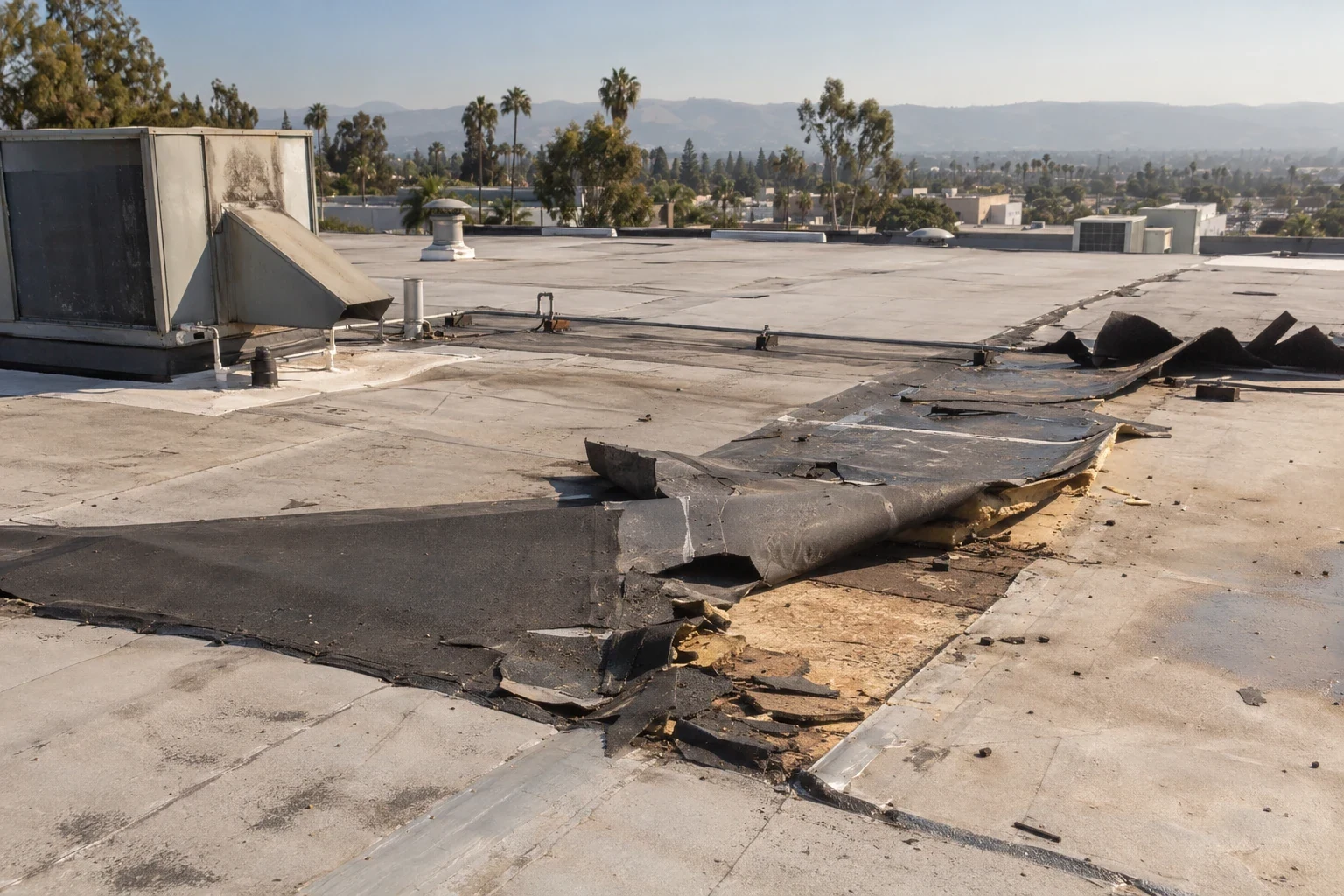
Fasteners, insulation plates, adhesives and perimeter details transfer loads from the sheet into the assembly. We inspect accessible attachment points and compare them with the roof documents when available. If a membrane has pulled back, the failure may involve the termination or deck as well as the sheet. Restoring the surface without addressing that connection can leave the same movement in place.
An adhered assembly and a mechanically attached one need different repair planning, especially where a recover is considered. We review roof layers, deck type if known, cover board and the location of any wet or compressed insulation. The inspection also notes rooftop equipment supports that could be applying movement to a seam. When wind exposure is reported, the wind damage assessment includes perimeter metal and securement, not only the field membrane.
Use local climate as a check, not a diagnosis
NOAA normals for Anaheim show an 88.8 F August mean high and 47.2 annual days with highs of 90 F or above. The nearby Anaheim normals offer a heat reference as we inspect exposed seams and transitions at an Orange property. They help put heat exposure on the inspection list, along with safe access, surface condition and work timing. We confirm actual membrane flexibility and seam condition on the building.
A roof's appearance after summer exposure does not prove that the membrane has failed. We look for changes that affect a repair: hardening, open laps, separated flashing, failed sealant at metal or loss of surface adhesion. If moisture has traveled under the sheet, a survey may guide test locations before removal. Our infrared moisture survey is one tool for comparing suspect and reference areas; findings are checked against visible roof conditions and, where needed, a test opening.
Read water marks with the roof slope
A water line near a drain can mark temporary ponding, a chronic low area or an outlet that is partly obstructed. We inspect the drain bowl, strainer, sump and overflow route, then follow the surface uphill to see how the roof directs water. The observation matters because a seam repair will not correct a depressed area or a drain that cannot accept flow.
If the building has interior water entry, we compare its timing and location with roof conditions without assuming the ceiling stain marks the source. A moisture survey or test opening may show whether insulation has taken on water. We separate the repair plan into membrane work, drain corrections and any follow-up investigation. The drain and scupper inspection records the outlet and surrounding roof together, so the next visit can check whether the water path changed.
Compare the repair with the roof history
An isolated puncture in a dry, stable sheet may need only a local patch. Repeated repairs at multiple seams, wet insulation or movement at the edges can justify comparing broader options. We review the repair log, moisture findings, layer count and drainage before describing recover or replacement. The findings may also show that the roof is sound enough to maintain while one detail is corrected.
For an Orange reroof, local code review uses California's 2025 edition, which references the 2024 International Building Code and includes city amendments. We describe the intended repair or reroof scope for the owner and design team to check against applicable requirements. For maintenance, a roof condition report can log the Versico membrane, repairs and open questions. That record helps the property manager compare future conditions at the same locations instead of relying on an old work order that lacks photos or detail.
Close out the area the crew actually repaired
A repair closeout names the roof area and detail, notes membrane preparation and material, and includes photographs before the work disappears from view. We show the lap or flashing close up and include a wider frame that helps a facilities person find it later. Any concealed section that remained untested stays identified as a limit, not described as inspected. That record supports maintenance without overstating what a local repair proved.
In Old Towne Orange, storefront schedules and tenant access can shape when roof work begins; we coordinate the access window and protect occupied space below. For occupied property, we coordinate the roof access period and protection below around storefront or tenant activity. The actual schedule depends on the building contact and work scope. We leave a concise handoff with any follow-up date or access need and a clear status for each item: repaired, monitored or requiring further investigation. The owner can use that record to plan the next roof visit around a specific condition.
Questions About Versico Commercial Roofing Systems
Can you identify whether my Versico roof is TPO or EPDM?
We inspect product markings, seam construction, details and available roof records. If an overlay hides the original sheet, we note the boundary that can be confirmed and recommend further testing only where it changes the repair decision.
What do you check when a VersiWeld seam opens?
We follow the lap to bonded material, inspect nearby flashing and attachment, prepare the surface, and check the repaired weld after it cools. The work limit depends on the full separation, not just its visible starting point.
Can you repair a wet area without removing the whole roof?
The moisture boundary and condition of surrounding layers control the scope. We map and confirm suspect areas, then separate localized removal from any larger roof replacement decision.
Will a roof inspection disrupt an Orange warehouse?
We coordinate roof access, staging and protection around the building delivery or operating schedule. The inspection records any areas that could not be reached so the owner knows the limits of the visit.
Related Roofing Work
Inspect the Versico roofing system
Tell us the Orange site, available roof documents, reported leak area and access limits. We will inspect the installed assembly and explain repair and maintenance choices. Call 555-555-5555 or request a roof assessment.