
Commercial Roofing in Mission Viejo, CA
A roof leak above a care area or classroom becomes a scheduling issue as soon as someone must move people or equipment below it. Mission Viejo, CA, includes employers such as Mission Hospital, Saddleback College, Saddleback Valley Unified School District, an Amazon delivery station and James Hardie Building Products. Healthcare, education, delivery and building-products operations each call for access and protection planning that fits the property. We inspect the actual roof, trace the water path and identify what needs protection while a repair is made. Nearby Lake Forest and Laguna Hills add other commercial and institutional settings to the same regional service area. Our report connects a visible condition to a defined repair limit, then separates the immediate work from longer-term planning. That lets an owner review the evidence before deciding whether to patch, restore or replace a roof section.
Connect the interior report to a roof detail
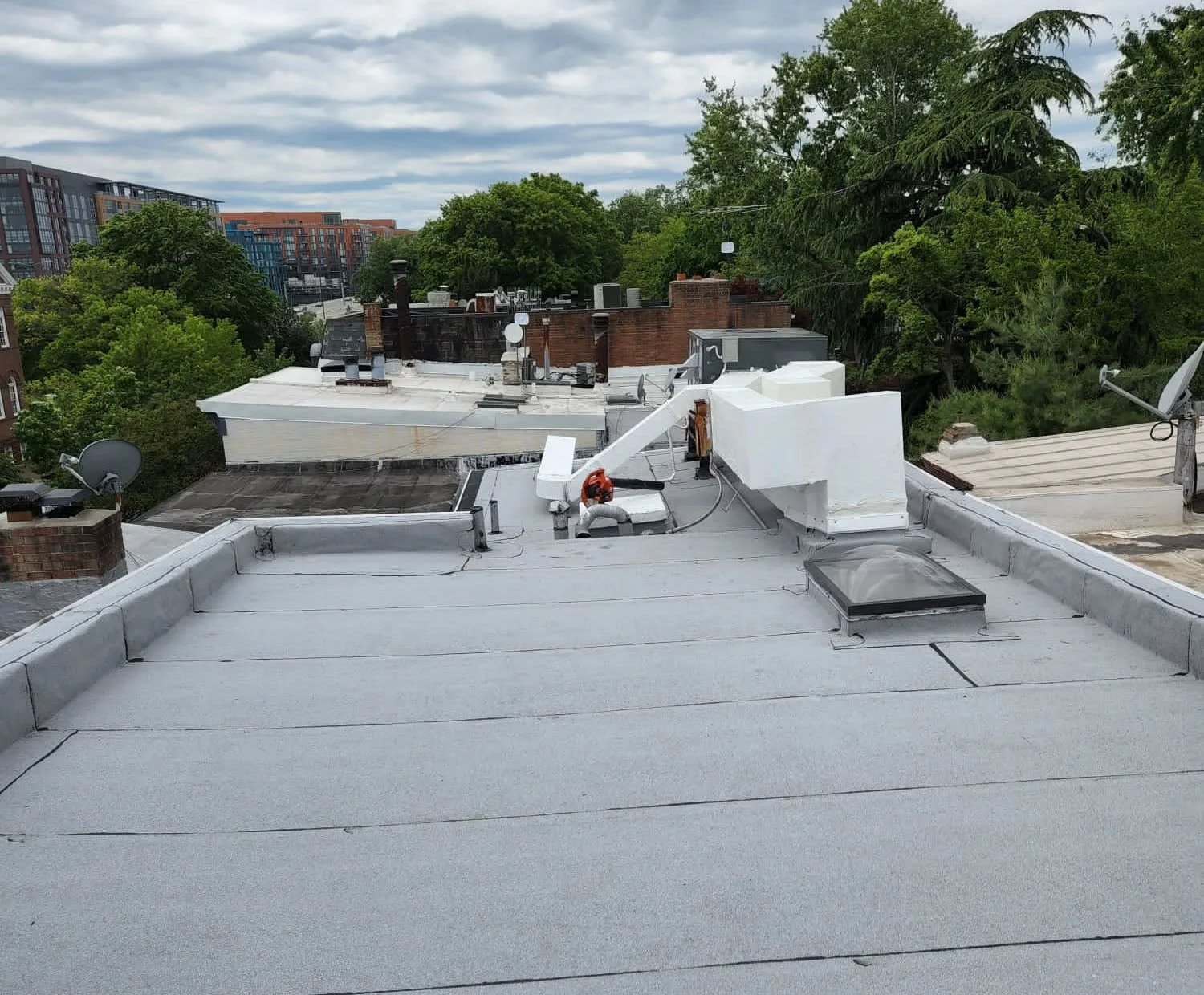
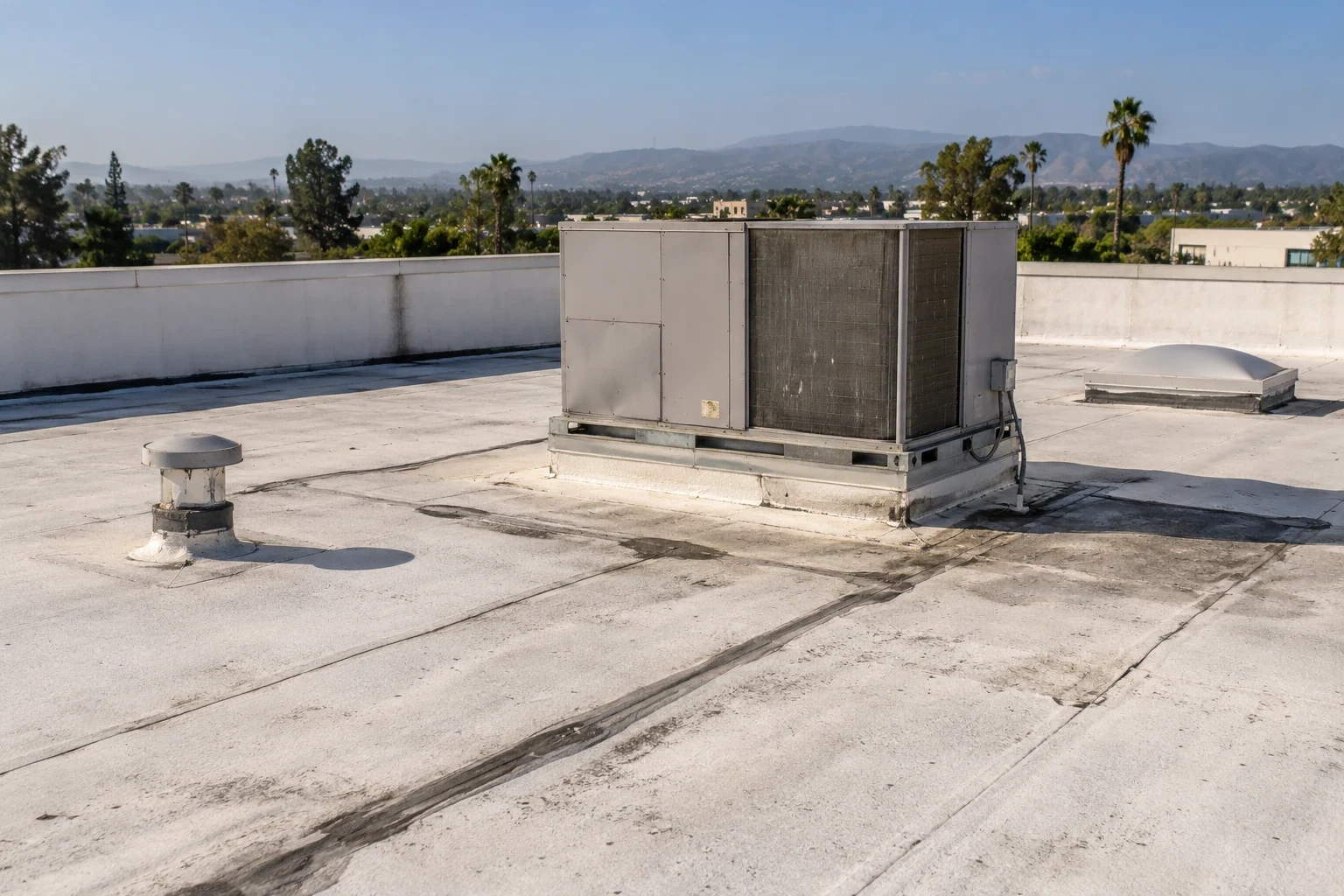
A ceiling stain is a useful marker, but it rarely identifies the roof opening by itself. Water may travel across a deck or insulation joint before appearing in a room. We compare the affected area with seams, curb corners, pipe penetrations, roof-to-wall transitions and drainage paths above it. A loose flashing edge and a restricted drain can create different water paths, so we keep the findings distinct rather than assigning one cause to every symptom.
When an opening is visible, we photograph it and test the surrounding bond or attachment. If the roof surface looks intact, we assess whether a controlled test or measured opening can resolve the uncertainty. That is especially useful where a hospital, college or school district has a limited window for roof access or interior protection. Our commercial leak repair begins with the leak cause and affected assembly, not a patch placed only over the room's stain. A written condition report preserves what the inspection established and what needs another step.
Protect the space beneath the repair
Work planning starts with the rooms and operations below the roof. For a healthcare or education property, the facilities contact can identify sensitive areas, occupied periods, delivery paths and any equipment that should not be exposed to dust or vibration. We use that information to plan staging, temporary dry-in and the sequence for opening a roof. These are coordination questions, not assumptions that a named employer has a particular building layout.
If a leak is active, we can discuss temporary protection while permanent materials are prepared. The scope should state what the temporary measure addresses and where its limits stop. A larger project can proceed in zones when the assembly and weather window permit. We identify where access is needed and what activities below may need to pause. The occupied-building roofing sequence should help the owner plan around actual work zones, while the final repair remains tied to the inspection findings. Nearby Laguna Hills has its own medical and education employers, but each site's operating contact must set the protection plan for that roof.
Check layers before selecting the repair
A patch can last only when it bonds to a sound surface and reaches stable material. We examine the existing membrane for splits, surface wear, open seams and previous repairs. At curbs and penetrations, we follow the flashing up each side and check where it ends. If moisture may have spread below the surface, a visual review alone may not define the work. A test cut or moisture survey can help establish whether insulation or cover board should be removed.
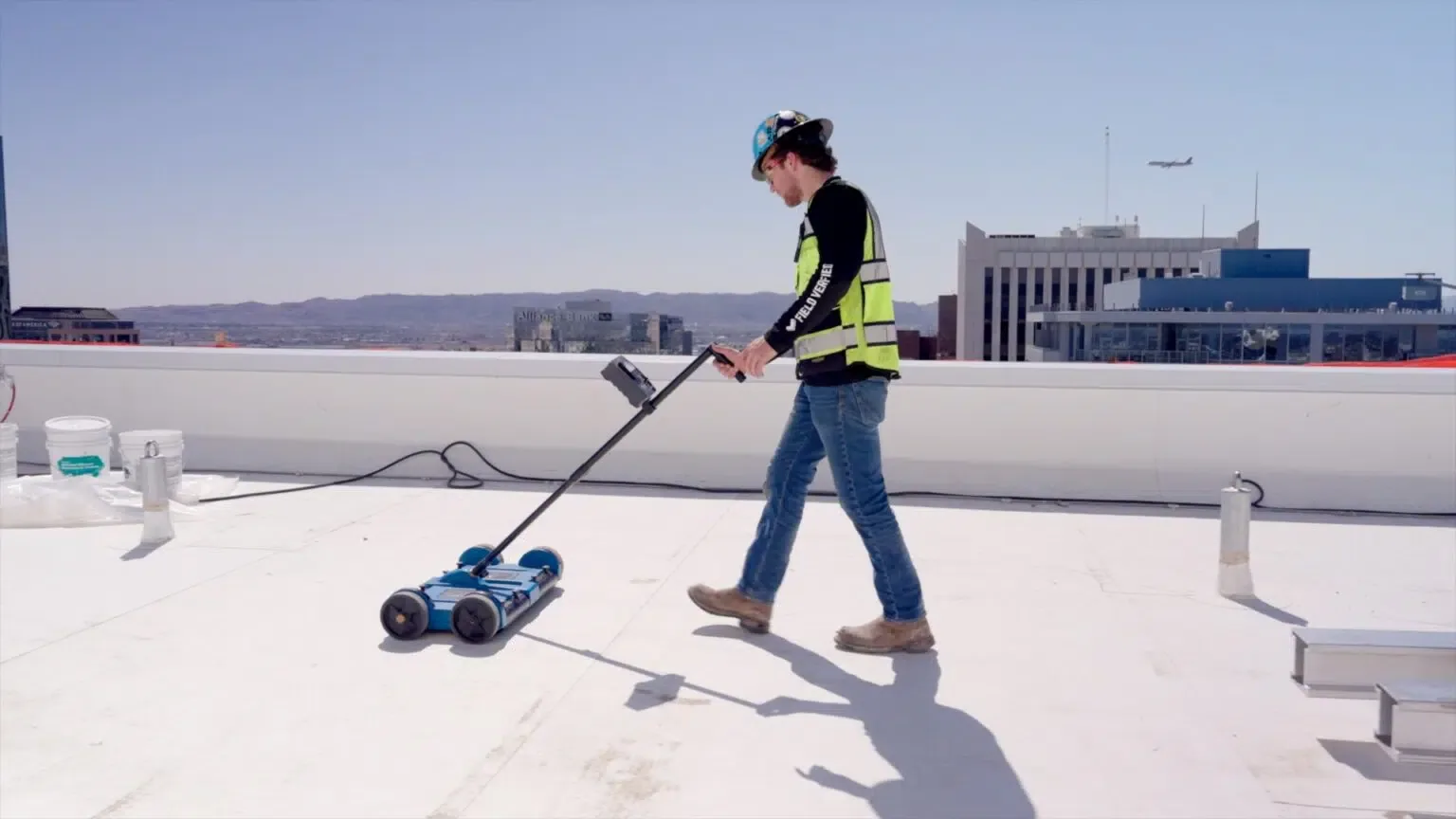
These checks matter when an owner is comparing a localized repair with a recover. Adding another roof layer changes weight and can conceal wet material; coating over an unstable surface can fail at the same weak bond. We explain which layer evidence supports each option and what further opening would confirm. The nearby Anaheim climate normals show frequent summer heat and much of the area's rainfall in winter months. The nearby Anaheim station's long-term normals help frame seasonal inspection timing for exposed details and roof drainage. They remind us to check exposed edges and sealants after heat exposure and confirm drainage before the wetter season. Our moisture survey service can map areas for follow-up when the roof's surface does not reveal the full extent.
Choose repair, restoration or replacement
Different conditions call for different scopes. A puncture with sound material around it can support a bounded repair. Several open seams, widespread brittle membrane or wet insulation may require a broader area or system decision. We identify the observed condition, explain what the repair would include and state what remains outside it. The owner can then compare the immediate protection provided by repair with the longer planning horizon of restoration or replacement.
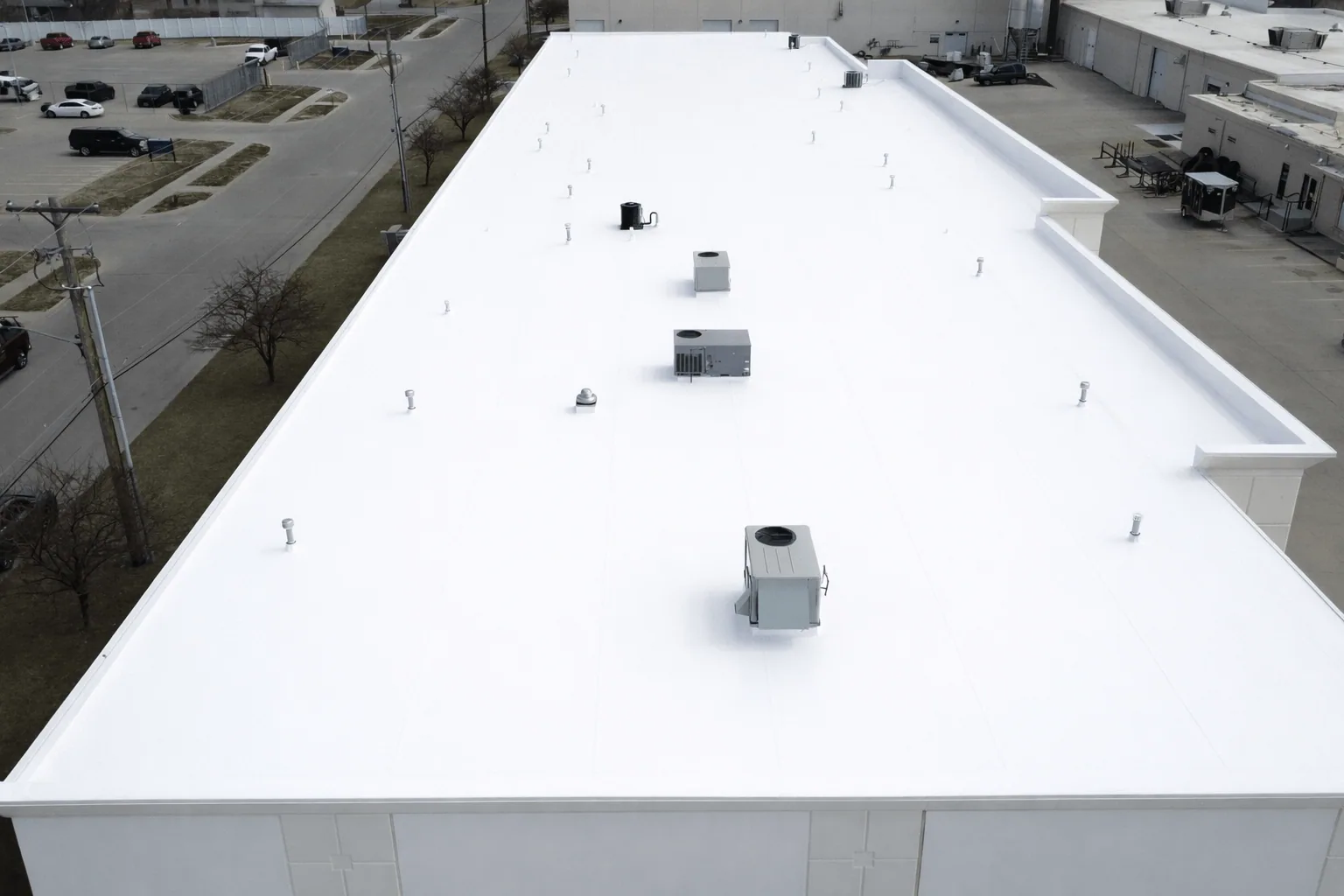
For a coating, we check adhesion, substrate condition, existing repairs and drainage details before considering application. A coating cannot correct a loose termination or remove moisture trapped below a membrane. Replacement may offer a reset of the assembly, but it requires attention to penetrations, edge metal and the path to each drain. We can compare TPO system options with PVC membrane options when the building's use and existing roof make those systems relevant. Nearby Lake Forest properties can have different assemblies and exposure; a portfolio comparison should use each building's inspection rather than carry one conclusion across the map.
Keep a record the facilities team can act on
A useful record says where the issue sits and what happened after the repair. We include a roof-zone description, condition photographs, the work completed and any remaining recommendation. If a small opening exposed additional wet material, the record states how the scope changed and what was removed or replaced. If no change was needed, it still records the tested area and the basis for keeping the repair boundary as proposed.
That detail helps a facilities director hand off the roof history when staff or vendors change. It also makes a later review more efficient because the next inspection can start at a known repair rather than repeat basic discovery. For multiple properties in Lake Forest and Mission Viejo, separate records preserve differences in building use, condition and repair history. Our service can organize those records by site and urgency, while preventive maintenance addresses accessible details before water entry is reported. A closeout record should leave the owner with a next action, not only a collection of photographs.
Questions About Mission Viejo
How do you decide whether a leak needs a test opening?
We use the opening when surface checks cannot confirm how far moisture or material separation extends. The inspection identifies the suspected area first, then a controlled test can show whether layers beneath it are affected. We explain the finding and any scope change before expanding the repair.
Can you work around patient, student or delivery activity?
We plan with the facilities contact around access, hours, sensitive rooms and deliveries. The roof condition determines how much can be phased. Our proposal lists the areas and times that may be affected so the owner can arrange protection before work begins.
Would a recover solve recurring seam leaks?
It may not. We first determine whether seams are the only failure or whether moisture, attachment or drainage issues extend beyond them. A new layer can hide problems that need removal. We compare repair, recover and replacement after checking the existing assembly.
What belongs in a roof repair closeout?
The record should identify the location, show the original finding, describe materials and work completed, and list unresolved items. If we opened the roof, we include what the exposed layers showed. This gives the next facilities review a useful starting point.
Related Roofing Work


Set the inspection around the building
Describe where water appeared, what operates below the roof and any access limits. We will inspect the related area and provide a repair scope with a clear boundary. Call 555-555-5555 or request a roof assessment.