
Commercial Roofing in Laguna Hills, CA
A flashing seam can pull away at a curb while the roof field beside it still looks intact. In Laguna Hills, CA, El Toro Road near Interstate 5 has shopping centers and fast-food restaurants, and the city includes schools in the Saddleback Valley Unified School District. For healthcare buildings, we plan roof access and interior protection around the clinical areas below the work. We inspect each building directly, tying a visible opening to the interior report and the roof layers around it. That distinction helps owners decide whether to repair one transition, protect an active area below, or investigate a wider section. Mission Viejo and Lake Forest provide nearby commercial markets, yet the repair plan for a Laguna Hills property should reflect its actual assembly, access and operating schedule. We record the condition and boundary before work begins so the owner can judge whether the proposed scope addresses the entry point.
Follow the path from room to roof
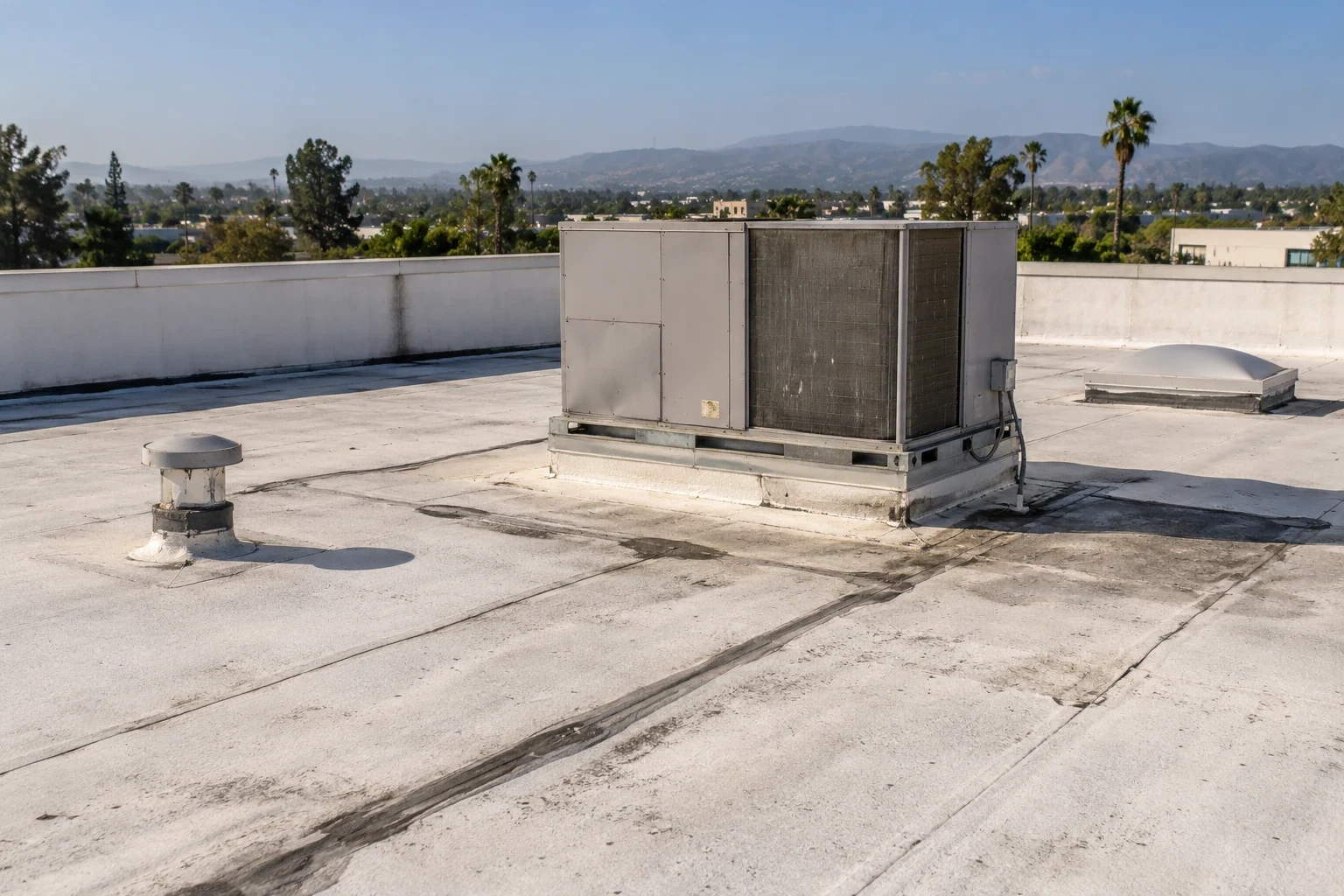
Water may enter at a wall transition, travel below the membrane and show up in a ceiling several feet away. We compare the reported interior location with drains, seams, penetrations and changes in roof height. A split in a flashing corner, a puncture around service equipment and a restricted outlet call for different repairs. The inspection records each suspect detail rather than assuming that the nearest visible defect caused every stain.
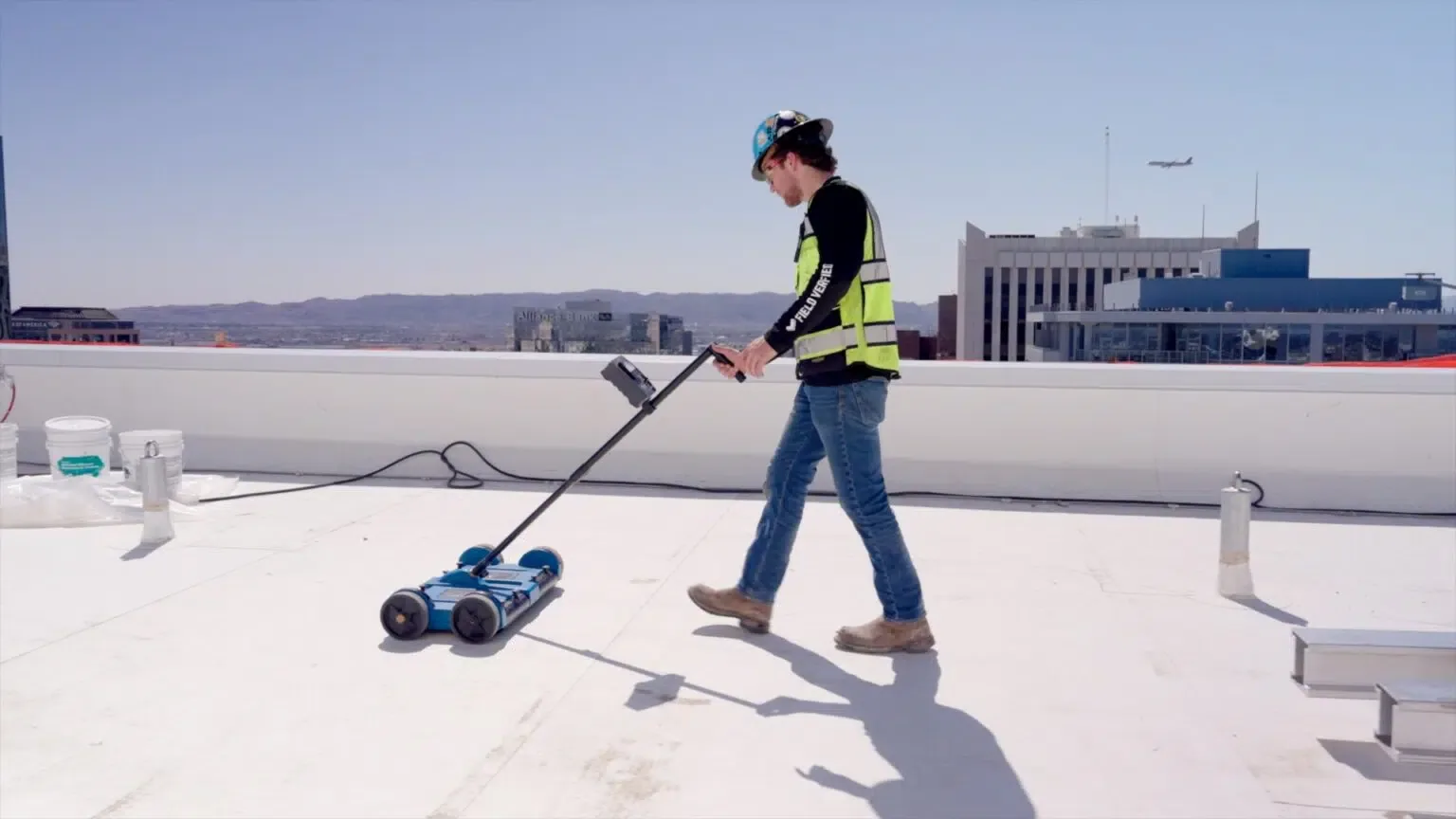
Where the roof surface hides the answer, we assess whether a seam probe, moisture survey or small test opening can confirm the layer condition. We photograph the opening and its surrounding field, then record whether the membrane is bonded and the substrate feels sound. A commercial leak repair should restore the failed detail and its tie-in, not just cover a discolored room below. For repeated water entry, our infrared moisture survey can identify areas for closer testing; the resulting map still needs interpretation against the roof assembly.
Check the route to the outlet
Shopping centers and food businesses keep doors, deliveries and customer areas active through much of the day. A roof repair above a storefront therefore needs a clear view of both the water path and the work zone. We check drain bowls, strainers, scuppers and nearby membrane for debris, loose material and signs that water has lingered. We record whether an outlet is obstructed or whether the surrounding surface also needs evaluation. That distinction is useful because clearing debris does not repair a split flashing detail, and replacing flashing will not correct an outlet that remains restricted.
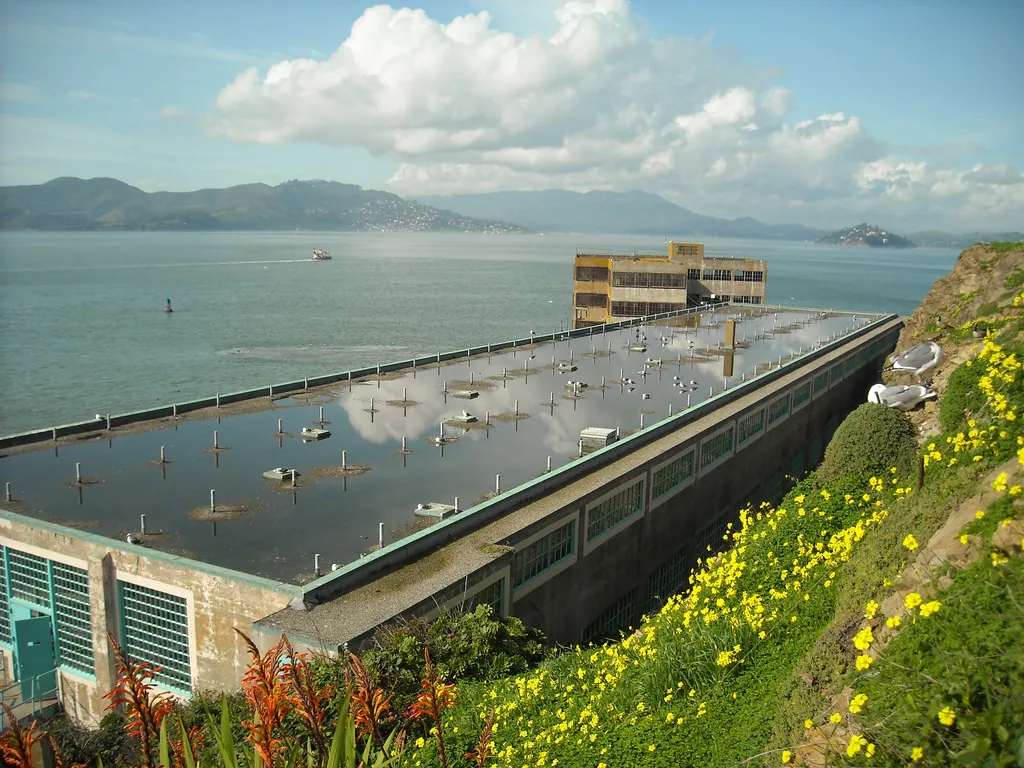
Stormwater reaches the roof in a seasonal pattern. NOAA's nearby Anaheim station records most normal annual precipitation in the cooler months, with August among its driest. At the nearby Anaheim station, January precipitation averages 3.16 inches and August 0.01 inches in the 1991-2020 normals. We use the context to make sure the roof can drain and details are closed before the wetter period. If a curb or parapet directs water toward a low area, we map the route and show the owner what needs correction. The drain and scupper scope may cover outlet repairs, while a ponding-water assessment looks at the larger surface condition.
Fit the sequence to occupied spaces
Some roof work can be contained to a small area; other repairs involve removing materials above rooms that need protection. We ask the site contact which spaces are occupied, when deliveries arrive, where the crew may stage and whether any access point must remain open. In a school district or medical setting, those answers help define temporary barriers, work windows and communication before the roof is opened. We inspect the installed roof, outlet and slope before recommending drainage work. The physical condition still sets how quickly we need to act and whether a temporary dry-in is appropriate.
Our written sequence identifies affected rooms or entrances where known, the planned access route, material handling and any interruption the owner should schedule. A phased reroof can divide work into sections when the assembly, weather and staffing allow. For a leak repair, the team may need one short access period instead of a multi-day zone. We explain that difference with the scope. A phased occupied-building reroof can help the facilities manager plan around active operations. Nearby Mission Viejo has another school district, but each property needs its own access and protection plan.
Match the correction to the failed layer
A localized repair is a reasonable choice when the damage is bounded and the surrounding roof is stable. If the membrane has multiple open seams, insulation is wet, or earlier patches have lost their bond, the repair area may need to expand. We explain what is visible and what would need to be opened to confirm the rest. That lets the owner compare a limited repair with restoration or replacement without blurring the cost and purpose of each option.
At a shopping center, a roof may include several transitions, equipment curbs and tenant-specific interior conditions. We check each relevant detail rather than assume every section was installed at the same time. A coating needs a clean, compatible and dry substrate; it cannot stabilize loose material below. A recover depends on moisture and the existing assembly. At a medical or education property, schedule and protection below may weigh alongside the roof system choice. We can discuss EPDM membrane repairs or modified bitumen assemblies after identifying what is on the roof. The scope names the compatible repair approach and notes any uncertainty that could change it.
Keep the repair history useful
A closeout should show what was repaired and where. We keep photographs of the original defect, the opened layers when relevant and the finished tie-in. The record notes the work boundary, materials used when confirmed and any nearby item that remains outside the approved repair. That gives the property manager a basis for a later review and prevents a small patch from being mistaken for a full roof renewal.
For owners overseeing properties in Laguna Hills, Mission Viejo and Lake Forest, the same report structure can make records easier to review while retaining site-specific findings. A roof condition report groups the urgent water-entry items separately from maintenance needs. Our roof condition reports can capture those distinctions; a maintenance visit can then revisit drains, flashings and repairs after the work. If an owner needs a larger planning view, we can describe remaining roof areas and the evidence needed before committing to a capital project. The file should let another manager see what changed and what decision is still open.
Questions About Laguna Hills
The ceiling stain is beside a wall, but there is no opening directly above it. Where do you start?
We trace the likely path from the room to the roof, including seams, wall transitions and changes in slope. Water can move laterally below the surface. We compare those details and keep the confirmed opening separate from any condition that needs a test.
Does a clogged drain explain a leak near a storefront?
It may contribute to water reaching a weak seam, but the outlet and the leak detail need separate inspection. We check the drain, the surrounding membrane and the opening that matches the interior report. The scope states whether drainage correction, flashing repair or both are supported.
Can repairs be completed while a center stays open?
We plan around entrances, tenant hours, deliveries and the space below the work. The needed protection depends on the repair method and the materials being removed. We identify any temporary closure or access restriction before scheduling the crew.
How do we know whether to patch or replace a roof section?
We check how far damage extends and whether the layers beneath it remain usable. One bounded opening may support a patch. Moisture, repeated seam failure or unstable layers can point to a larger scope. The report explains the evidence for each option.
Related Roofing Work

Have the roof detail inspected
Tell us where water appeared, what area below needs protection and when access is available. We will trace the entry point and set out a repair boundary tied to what the roof shows. Call 555-555-5555 or request a roof assessment.